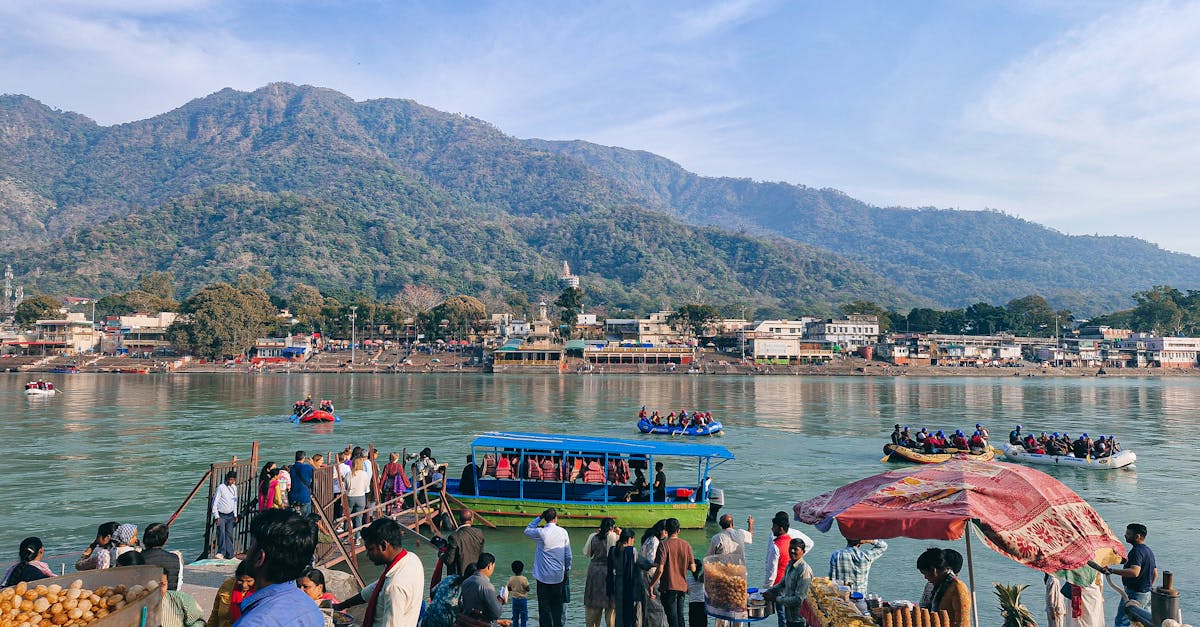
Rishikesh is strictly vegetarian — no meat, fish, eggs, or alcohol in the holy city area. Rather than a limitation, this has produced a food culture focused on fresh, health-conscious vegetarian cooking alongside traditional North Indian fare. The international traveler community has added Israeli, Italian, and fusion cafes to the mix. Eating here is cheap, clean, and surprisingly diverse for a small Himalayan town.

Must-Try Dishes
1. Aloo Puri — ₹30-50
Deep-fried puffed bread with spicy potato curry — Rishikesh's essential breakfast, served at ashram dining halls and street stalls. The puri should balloon into a perfect sphere. ₹30-50 with chutney and pickle. Best from the morning vendors near Ram Jhula.
2. Thali (Full Meal) — ₹80-200
The unlimited vegetarian thali — dal, rice, 2-3 sabzis (vegetable dishes), roti, raita, papad, and sweet — is the daily lunch. Chotiwala restaurant's thali (₹150-200) with its costumed doorman is the famous spot, though smaller restaurants serve equally good versions for ₹80-120.
3. Fresh Juice & Smoothies — ₹60-120
Rishikesh's juice bars blend every tropical fruit with spirulina, wheatgrass, and protein powders. Health-conscious travelers fuel their yoga practice with these. ₹60-120 per glass. The German Bakery and Pure Soul Cafe have the best variety.
4. Falafel & Hummus — ₹150-250
The Israeli traveler influence has produced excellent Middle Eastern food. Freedom Cafe and Oasis serve fresh falafel plates (₹150-250) with hummus, tahini, and salad. Surprisingly authentic given the Himalayan location.
5. Maggi Noodles — ₹30-60
India's favorite instant noodle, elevated to a mountain-town institution. Every cafe and stall serves Maggi in variations — cheese, vegetable, masala, or spicy. A steaming bowl by the Ganges at sunset costs ₹30-60 and is oddly perfect.
6. Chai — ₹10-15
Indian masala tea — strong, sweet, spiced with ginger and cardamom. The chai wallahs near the ghats and bridges serve it in tiny cups for ₹10-15. The ritual of warming your hands on a clay cup while watching the Ganges flow is essential Rishikesh.
Where to Eat
Ram Jhula Area — Traveler Cafes
Little Buddha Cafe (Ganges views, pizza ₹200-350, shakshuka ₹180), Freedom Cafe (Israeli food ₹150-250), and The Sitting Elephant (organic Indian ₹100-200). The cafe culture here is sociable — travelers share tables and travel stories.
Laxman Jhula — Budget Eats
Street stalls and small restaurants near Laxman Jhula serve the cheapest food. Aloo puri (₹30-50), chana masala with rice (₹50-80), and fresh fruit plates (₹40-60). Choti Wala and Madras Cafe are reliable budget spots.
Tapovan — Yoga Community
The area beyond Laxman Jhula has cafes catering to long-term yoga students. Pure Soul Cafe (organic, ₹150-300), Ayurpak for Ayurvedic meals (₹120-200), and German Bakery for European pastries and coffee (₹80-200). Quieter and less touristy than the bridge areas.

Eating Etiquette in Rishikesh
Indian food is traditionally eaten with the right hand — the left hand is considered impure. Tear roti or naan into small pieces, use them to scoop curries and rice, and push food toward your mouth with your thumb. This technique takes practice but enhances the eating experience. Restaurants always provide cutlery if you prefer, and no one will judge either approach.
Indian restaurants serve water in two forms — regular (filtered tap water, sometimes marked 'aqua' or 'mineral') and bottled (sealed brands like Bisleri or Kinley). At budget restaurants, ask specifically for 'sealed bottle water' to avoid filtered water that might not agree with foreign stomachs. At mid-range and upscale restaurants, filtered water is generally safe.
Vegetarian food in India is identified by a green dot on packaging and menus; non-vegetarian by a red dot. Many Indian restaurants are 'pure veg' — meaning no meat, fish, or eggs are served or allowed on the premises. This is not a limitation — Indian vegetarian cuisine is the world's most sophisticated, with thousands of dishes that make meat unnecessary.
The concept of 'thali' — a complete meal on a metal platter with small bowls (katoris) of different dishes — is India's greatest culinary invention. Thalis provide variety, balance, and value. Most thali restaurants offer unlimited refills of dal, rice, and sabzi (vegetables). A ₹100-200 thali provides more food than most people can finish.
Sweet Treats & Desserts in Rishikesh
A strictly vegetarian holy city might seem an unlikely destination for extraordinary sweets, but Rishikesh delivers a dessert culture rooted in centuries of temple offerings, Ayurvedic food traditions, and the indulgent hand of North Indian mithai (sweet) makers. From saffron-laced milk puddings served in clay pots to modern cafes pressing Belgian chocolate into Himalayan-spiced brownies, the sweet side of Rishikesh is more varied than its meat-free reputation suggests.
Kheer is the dessert that defines the ashram experience — a slow-cooked rice pudding thickened with full-fat milk, sweetened with jaggery or sugar, and perfumed with cardamom, saffron, and rose water. The version served at Parmarth Niketan's evening aarti prasad (the offering distributed after the Ganga Aarti ceremony) is simple and unsweetened, but the kheer at Chotiwala restaurant (₹60-90) is richer, with a layer of cream across the top. Eat it warm in a clay pot for the proper effect.
Rabri is kheer's denser cousin — milk reduced to a thick, grainy texture with cardamom and pistachios, served cold or at room temperature. The mithai shops near Ram Jhula bridge make it fresh each morning and sell it by the portion (₹40-70). Pair it with a gulab jamun (deep-fried milk-solid ball soaked in rose-saffron syrup, ₹15-25 each) from the same shop for a complete dessert course that costs under ₹100.
The international cafe scene around Laxman Jhula has grafted European dessert culture onto Himalayan ingredients with surprisingly good results. The German Bakery produces banana bread (₹80-100), apple strudel (₹120-150), and chocolate brownies enhanced with cardamom or ashwagandha powder (₹80-120). Pyramid Cafe near Laxman Jhula does a banana-honey pancake stack (₹150-200) that doubles as dessert. Little Buddha Cafe's chocolate brownie with vanilla ice cream (₹180-220) is the indulgent reward after a rafting day.
For traditional North Indian sweets, the mithai shops on the main market street in Rishikesh town (across the bridge from the tourist ghats) sell by weight at half the cafe prices: barfi (milk fudge in coconut, pistachio, or kaju — cashew — varieties) for ₹200-400/kg, and ladoo (chickpea flour and ghee balls) for ₹150-250/kg. Buying 200 grams (₹40-80) gives you a generous selection to share. These shops also sell quality saffron (₹50-100/gram) and cardamom pods for cooking.
Thandai — a cold milk drink blended with almonds, rose petals, fennel seeds, peppercorns, and saffron — is Rishikesh's most distinctive beverage-dessert hybrid. Served during Holi and now available year-round at specialty drink shops near the ghats (₹60-100 per glass), it is simultaneously refreshing and richly sweet. Ask specifically for the "original" non-bhang version, as some vendors offer a cannabis-infused version that is not appropriate for everyone.
Planning Your Food Exploration
The most rewarding food experiences come from planning meals around the local eating schedule rather than forcing your own rhythm onto a foreign city. Most Asian cities eat early — breakfast stalls open at dawn and close by 9 AM, lunch service peaks at noon and ends by 2 PM, and dinner starts at 5-6 PM. Night markets and street food stalls offer the best evening options, typically running from 6 PM until 10 PM or later.
Budget allocation matters. Spend 30-40% of your food budget on one memorable meal — a signature local restaurant, a cooking class, or a fresh seafood dinner. Allocate the rest to street food, markets, and casual local restaurants where the authentic flavors live. This strategy ensures you taste both the refined and the everyday versions of the local cuisine without breaking the bank.
Photography etiquette at food stalls and small restaurants varies by culture. In most of Asia, photographing your food is completely normal and even expected. Photographing the cook or the stall itself — ask first with a smile and gesture. Most vendors are flattered; a few prefer not to be photographed. In sit-down restaurants, photograph freely but be discreet about photographing other diners.
Food allergies and dietary restrictions require preparation. Write your restrictions in the local language (Google Translate helps) and show the note at each restaurant. Common allergens like peanuts, shellfish, and gluten appear in unexpected places — soy sauce contains wheat, fish sauce is in many Thai and Vietnamese dishes, and peanuts appear in Indonesian, Malaysian, and Chinese cooking. Communicate clearly and ask about ingredients rather than assuming from the menu description.
The single best food investment in any Asian city is a cooking class. For 5-50, you'll visit a local market, learn 4-6 dishes hands-on, and gain techniques that let you recreate the flavors at home. The market tour alone — learning to identify local herbs, spices, and produce — transforms your understanding of the cuisine for every subsequent meal during your trip.


