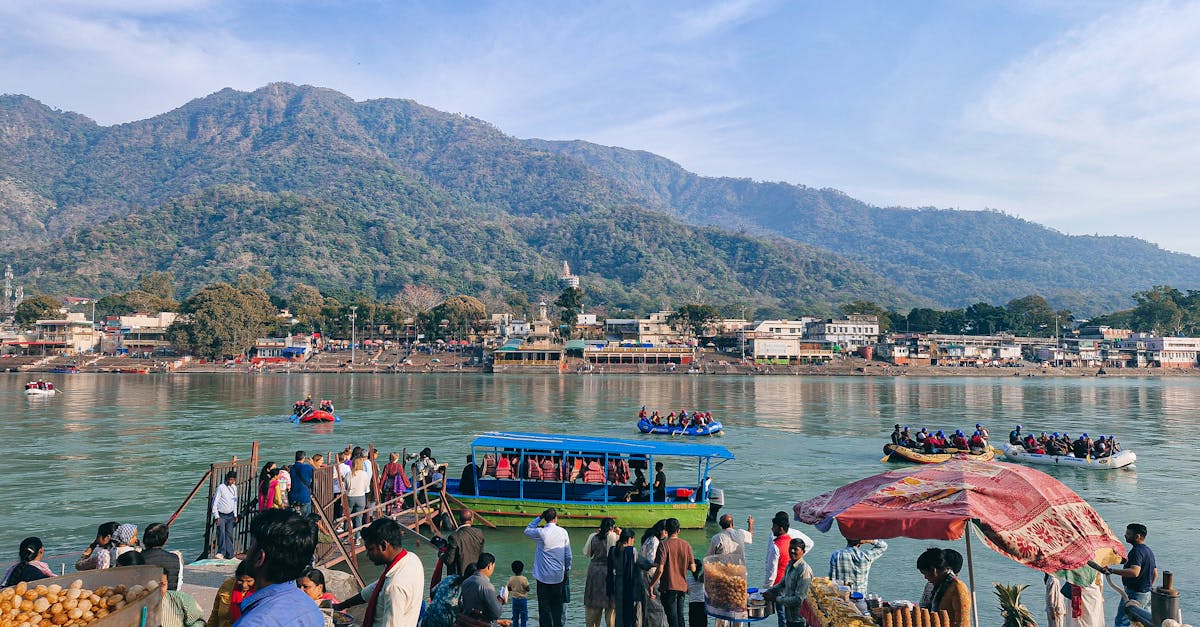
Rishikesh may be the yoga capital of the world, but it is also one of the most affordable destinations in India. The holy city's strict vegetarian and alcohol-free rules have an unexpected financial bonus: food is cheap, ashrams offer free or donation-based meals, and many of the best experiences — the Ganga Aarti, the ghats, the sunrise over the Himalayas — cost absolutely nothing. A disciplined traveler can spend a deeply rewarding week here on ₹800-1,200 per day. A realistic budget traveler, willing to splash on one rafting trip and a yoga class or two, will manage comfortably on ₹1,500-2,000 per day including accommodation.
Getting There on a Budget
The smartest and cheapest route to Rishikesh from Delhi is by train to Haridwar, then shared transport the remaining 24 kilometers. The Shatabdi Express (train 12017) departs Delhi Cannought Place — technically Hazrat Nizamuddin station — but for most travelers the Jan Shatabdi Express (12017) from New Delhi station is more convenient, arriving Haridwar in roughly 4.5 hours for ₹115 in sleeper class or ₹340 in AC chair car. Book at least 3-7 days ahead on the IRCTC website or app to get tatkal or general quota seats. The overnight Dehradun Express (train 12687, departs 10:50 PM from New Delhi) is another solid option — it reaches Haridwar by around 5 AM, letting you arrive at sunrise.

From Haridwar Junction, do not take a private taxi — the driver will quote ₹500-800. Instead, walk to the main road outside the station and flag down a Haridwar-Rishikesh shared Sumo or Bolero jeep (₹50-80 per seat, 45-60 minutes). These fill up quickly and drop passengers near the Rishikesh bus stand. From the bus stand, an auto-rickshaw to Laxman Jhula costs ₹50-80, or you can take a local bus toward Tapovan for ₹15-20 and walk the last 10 minutes.
From Dehradun city, Uttarakhand Roadways buses run directly to Rishikesh's main bus stand for ₹40-60 (1.5 hours) and depart every 20-30 minutes from Dehradun's main ISBT bus terminal. This is the cheapest option if you've arrived at Jolly Grant Airport and taken the local bus into Dehradun first (₹50-80 from airport to city). Alternatively, share an Ola or Uber cab from Dehradun to Rishikesh with other travelers — app cabs typically run ₹400-600, split among 4 passengers that's ₹100-150 each.
Intercity buses from Delhi's Kashmere Gate ISBT directly to Rishikesh (Uttarakhand Roadways Volvo, ₹450-600, 6-7 hours) are another option if you prefer a direct door-to-door service. Night buses depart between 9:30-11:30 PM and arrive by 5-6 AM, saving you a night's accommodation.
Budget Accommodation
Rishikesh has an exceptional range of budget accommodation, from ashram-style guesthouses where a room costs ₹300-500 to well-run backpacker hostels in the Tapovan area charging ₹400-600 for a dorm bed. The trick is knowing where to look and booking directly rather than through OTAs, which charge 15-20% commission that typically gets passed to the guest.

Parmarth Niketan Ashram (Ram Jhula area) offers accommodation for ₹800-1,500 per person in simple but clean rooms, including morning yoga classes and access to the nightly Ganga Aarti. Sivananda Ashram near Ram Jhula runs on a donation basis for day visitors and offers residential stays from ₹600-1,000/night — you're expected to participate in ashram routines (morning puja at 6 AM, evening satsang). These are genuine ashram experiences, not tourist hotels, and the atmosphere is transformative.
For backpacker hostels, The Byke Destination Rishikesh (Tapovan) offers dorm beds from ₹450 with good wi-fi, a social common area, and a rooftop. Zostel Rishikesh (Laxman Jhula area) has dorms from ₹500 and is consistently well-reviewed for cleanliness and security. Both book out fast during high season (October-March) — reserve at least 5-7 days in advance through Zostel.com or Hostelworld directly to avoid OTA surcharges.
If you want more privacy, the guesthouses along the east bank of the Ganges near Tapovan offer simple double rooms for ₹600-1,000/night — many have river views and rooftop dining. Prem Ashram Guesthouse (Swarg Ashram area) charges ₹700 for a clean double and is run by a family that has lived here for three generations. Avoid guesthouses on the main Laxman Jhula market road itself — they're noisier and 20-30% more expensive than equivalent options 5 minutes' walk away.
Eating Cheaply Like a Local
Food in Rishikesh is extraordinarily affordable, and the mandatory vegetarianism of the holy city means you're eating the same food whether you're on a ₹100/day diet or a ₹1,000/day splurge — just at different venues. Master a few key spots and you can eat extremely well for ₹200-350 per day total.

Breakfast at street stalls near Ram Jhula and Laxman Jhula: aloo puri (two puffed deep-fried breads with spiced potato curry) costs ₹30-50 and is filling enough to last until lunch. Sabudana khichdi (tapioca pearls tempered with peanuts and green chili) from morning vendors costs ₹25-40. A clay cup of masala chai from the riverside chai wallahs is ₹10-15 — drink two and call it a morning ritual.
For lunch, the cheapest proper meal in Rishikesh is the unlimited thali at small dhabas on the side streets behind the main tourist strip. These serve dal, rice, two vegetable sabzis, roti, and raita for ₹80-120. Chotiwala, the famous restaurant near Laxman Jhula with its costumed doorman, is worth a visit once (thali ₹150-200), but the smaller restaurants on the lanes behind it serve equally good thalis for ₹80-100. Madras Cafe near Laxman Jhula does a South Indian thali with sambar, rasam, and rice for ₹100.
The Parmarth Niketan Ashram runs anna daan (free food service) for visitors — simple dal, rice, and sabzi served cross-legged on the floor at midday. This is a genuine act of seva (selfless service), not a tourist cafeteria. Arrive, sit with the other diners, eat gratefully, and return your thali when finished. The food won't win any Michelin stars, but eating for free while looking at the Ganges from an ashram courtyard is an experience worth more than its ₹0 price tag.
Evenings: avoid the tourist-facing cafes on the main drag (banana pancakes, pizza, and Israeli food at ₹150-350 that are no better than the local equivalent for half the price). Instead, try the Choti Wala canteen's evening thali (₹100-150), or get a bowl of steaming Maggi noodles with a masala chai from any riverside stall for ₹50-70 combined. Pure Soul Cafe in Tapovan does a ₹120 soup-and-bread combo that's filling and good value.
Free and Low-Cost Attractions
Rishikesh is essentially a free destination — the main attraction is the Ganges and the Himalayan foothills surrounding it, neither of which charge entrance fees. You could spend four days here and spend nothing on attractions if you chose to.

The Ganga Aarti at Triveni Ghat (every morning at sunrise and evening at sunset) is free and utterly moving — priests perform fire rituals with flaming lamps as the Ganges catches the first or last light of day. The evening aarti at Parmarth Niketan is the larger, more theatrical version with hundreds of pilgrims; Triveni Ghat's smaller ceremony is more intimate. Both are free; show up early for a good viewing position.
The ghat walks along the river from Triveni Ghat north to Ram Jhula, and then to Laxman Jhula, take about 90 minutes at a leisurely pace and showcase the city's entire character — pilgrims bathing, sadhus meditating on rocks, white-water rafters paddling past, and the green Himalayan foothills as a constant backdrop. This is the best free activity in Rishikesh and should be done both in the morning and at dusk.
The Beatles Ashram (officially Maharishi Mahesh Yogi Ashram, now known as Chaurasi Kutia) charges ₹150 for Indian nationals and ₹600 for foreigners — worth every rupee for the surreal experience of exploring the jungle-reclaimed meditation domes where the Beatles wrote most of the White Album in 1968. The graffiti art covering every surface has turned it into an accidental gallery. Allow 1.5-2 hours.
Yoga classes are the main expense for most visitors. Parmarth Niketan offers free morning yoga (6-7:30 AM) daily — genuinely high quality, taught by experienced teachers, with the Ganges as a backdrop. Sivananda Ashram runs donation-based classes. If you want a private studio experience, drop-in classes at Tattvaa Yogashala or Omkarananda Patanjal Yoga Kendra cost ₹300-500 — budget this for your one "splurge" activity.
White-water rafting is the one attraction that genuinely costs money and is worth paying for. Half-day trips covering 16km of Grade III-IV rapids cost ₹600-1,000 per person through operators at Shivpuri (book directly at the launch point, not through hotel touts who add ₹200-400 markup). Red Chilli Adventure and Aqua Terra Adventures have consistent safety records. Bungee jumping at Jumpin Heights costs ₹3,550 — this is where you either decide it's worth the splurge or you skip it. The 83-meter drop from an Indian canyon is world-class.
Getting Around on a Budget
Rishikesh's traveler zones — Laxman Jhula, Ram Jhula, Tapovan, and Swarg Ashram — are all within 4-5 kilometers of each other and are best navigated on foot. The riverside path connecting them is scenic, traffic-free (mostly), and the most pleasant way to move between areas. Walking from Laxman Jhula to Triveni Ghat takes about 40-45 minutes along the ghats, or 25-30 minutes on the main road. Build walking time into your plans and you'll spend almost nothing on local transport.

When walking isn't practical, shared Vikram auto-rickshaws ply the main routes for ₹10-20 per person — tell the driver your destination and board if it's going your way. These are the cheapest motorized option but involve standing in the back with other passengers. Private auto-rickshaws charge ₹50-100 for short trips (always agree the fare before boarding). For the 6-kilometer run to the Beatles Ashram, a shared jeep from Laxman Jhula heading toward Shivpuri can drop you at the entrance — about ₹30-40 per seat.
For the Kunjapuri Temple sunrise (25km from Rishikesh), hiring a private taxi is unavoidable. Share one with 3-4 other travelers from your hostel (total ₹800-1,200, split to ₹200-300 each) rather than paying solo. Ask at Zostel or Byke hostels — there's almost always a group going on any given morning during high season.
Money-Saving Tips
Rishikesh rewards the traveler who embraces its rhythms rather than fighting them. Here are the six specific moves that make the biggest difference to your daily spend:
Stay in Tapovan, not Laxman Jhula main road. Guesthouses 5-10 minutes' walk from the main tourist street charge 20-30% less for equivalent rooms. Tapovan has its own cafes, yoga studios, and a slower pace that most long-termers prefer anyway.
Eat at ashram dining halls and local dhabas, not international cafes. The banana pancake and avocado toast at riverside cafes costs ₹150-250 per dish. An identical caloric intake from an ashram thali or a dhaba breakfast costs ₹50-100 total. Eat Indian food and eat at Indian venues — your wallet and your palate will thank you.
Carry a reusable water bottle and refill at filtered water stations. Rishikesh has multiple free filtered water refill points near the main ghats, operated by NGOs to reduce plastic waste. This saves ₹20-50 per day on bottled water and is better for the Ganges ecosystem.
Book rafting directly at Shivpuri, not through hotel or hostel agents. Operators at the launch point charge ₹600-800 for a half-day; touts and hotel booking agents charge ₹1,000-1,500 for the same trip. The 45-minute walk to Shivpuri from Laxman Jhula (or a ₹30 shared jeep) saves ₹200-700 on a single booking.
Attend the free yoga classes before paying for drop-in sessions. Parmarth Niketan's 6 AM class is taught by qualified teachers and is completely free. Attend it for two mornings before deciding whether to pay ₹300-500 for a private studio session — you may find it's all you need.
Travel in October-November or February-March for the best weather and lowest prices. Peak season (December-January) brings Delhi weekenders and yoga retreat visitors who push accommodation prices up 30-50%. The monsoon (July-August) closes rafting operations entirely. October-November has high river volume for excellent rafting, post-monsoon green hillsides, and moderate crowds.