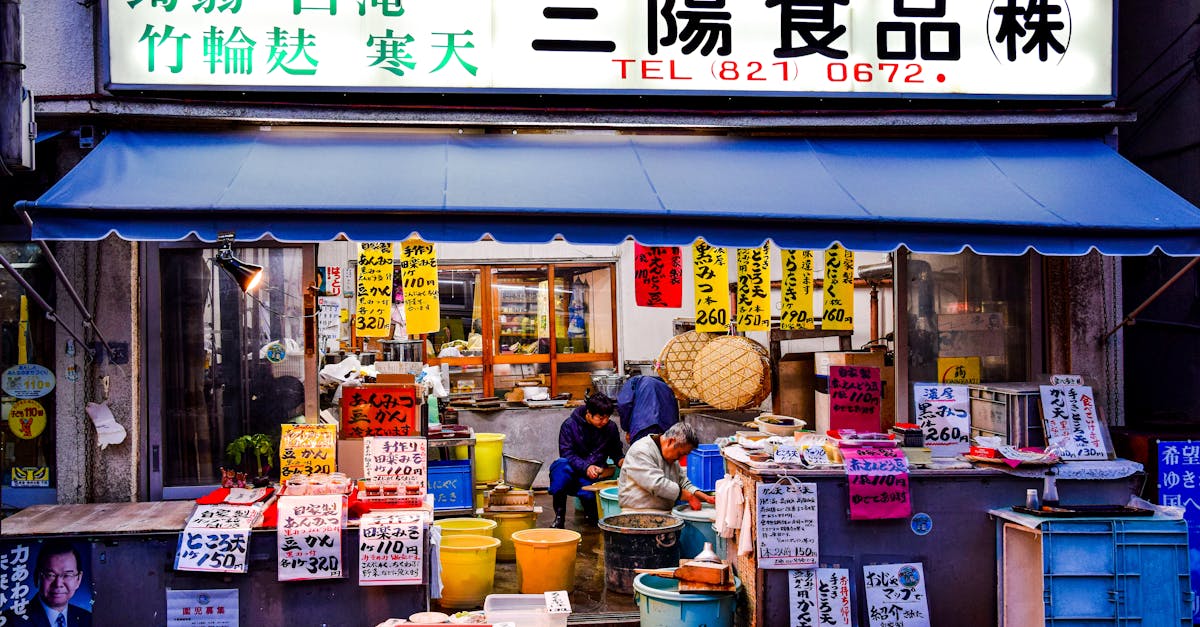
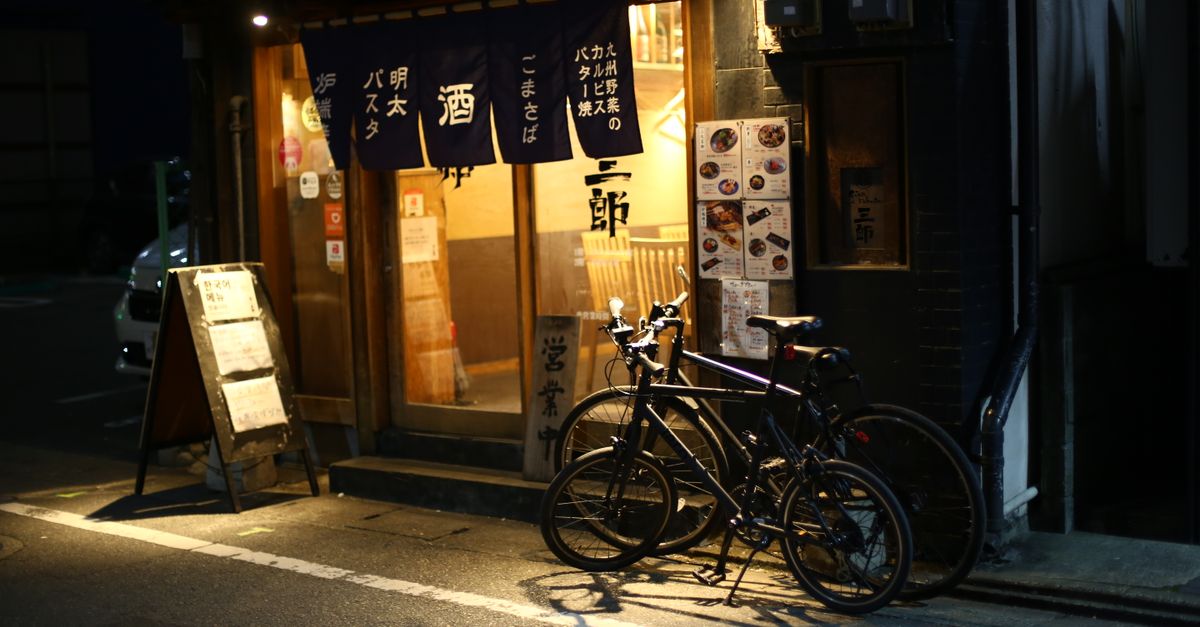
The food culture in Fukuoka reflects centuries of regional tradition refined by generations of cooks who specialize in single dishes. The street food scene offers the most authentic and affordable eating, while restaurants provide comfort and variety. Eating here is a cultural experience as much as a culinary one — the rituals of ordering, seasoning, and sharing reveal local values.

Must-Try Dishes
1. Hakata Ramen — ¥600-890
Tonkotsu (pork bone) ramen at its birthplace — rich, milky broth with thin straight noodles, chashu pork, pickled ginger, and sesame. Order 'kaedama' (extra noodles, ¥100-150) when you finish the first serving. Ichiran (¥890) invented solo ramen booths. Shin Shin and Ganso Nagahamaya are beloved local chains (¥600-800).
2. Yatai (Street Stalls) — ¥1,500-3,000
Fukuoka's iconic outdoor food stalls along the Naka River and Tenjin area serve ramen, yakitori, oden, and gyoza from tiny counter-seat setups. Open from 6 PM nightly. The atmosphere — steam, lanterns, cold beer — is pure Fukuoka. Budget ¥1,500-3,000 per person.
3. Mentaiko (Spicy Cod Roe) — ¥150-250
Fukuoka's signature ingredient — pollock roe marinated in chili and served as rice topping, pasta sauce, or standalone side. Mentaiko onigiri (rice balls, ¥150-250) from convenience stores are the quick fix. Fukutaro and Yamaya are premium brands.
4. Motsunabe (Offal Hot Pot) — ¥1,200-1,800
Beef intestine simmered in a garlic-chili-miso broth with cabbage and chives. The intestine is tender and collagen-rich — a Fukuoka specialty. Yamanaka in Nakasu serves the benchmark (¥1,200-1,800/person).
5. Gyoza — ¥400-600
Fukuoka gyoza are smaller and crispier than Tokyo's — designed to eat in large quantities as a drinking snack. Tetsunabe gyoza (iron-pot dumplings) at Hakata Issou come arranged in a circle (¥400-600 for 8-12).
6. Mizutaki (Chicken Hot Pot) — ¥2,500-4,000
Chicken pieces simmered in a cloudy collagen broth with vegetables — Fukuoka's elegant hot pot. Dipped in ponzu sauce. Suigetsu or Hakata Hanamidori serve it in a traditional setting (¥2,500-4,000/person).
Where to Eat
City Center — Convenient & Diverse
The tourist center has English menus, air conditioning, and familiar service. Useful for your first meal and when you need comfort, but not where the best food lives. Budget ¥500-1500 per person.
Local Neighborhoods — Authentic Flavors
Ten minutes from tourist zones, restaurants serve local families. Prices drop, authenticity rises, and the food improves. Language barriers exist but enthusiasm for sharing food transcends words. Budget ¥300-800 per person.
Markets & Street Food — Best Value
Morning and evening markets offer the cheapest, freshest food. Point at what looks good, watch what locals order, and eat standing or at communal tables. Budget ¥200-500 per person for a full meal.
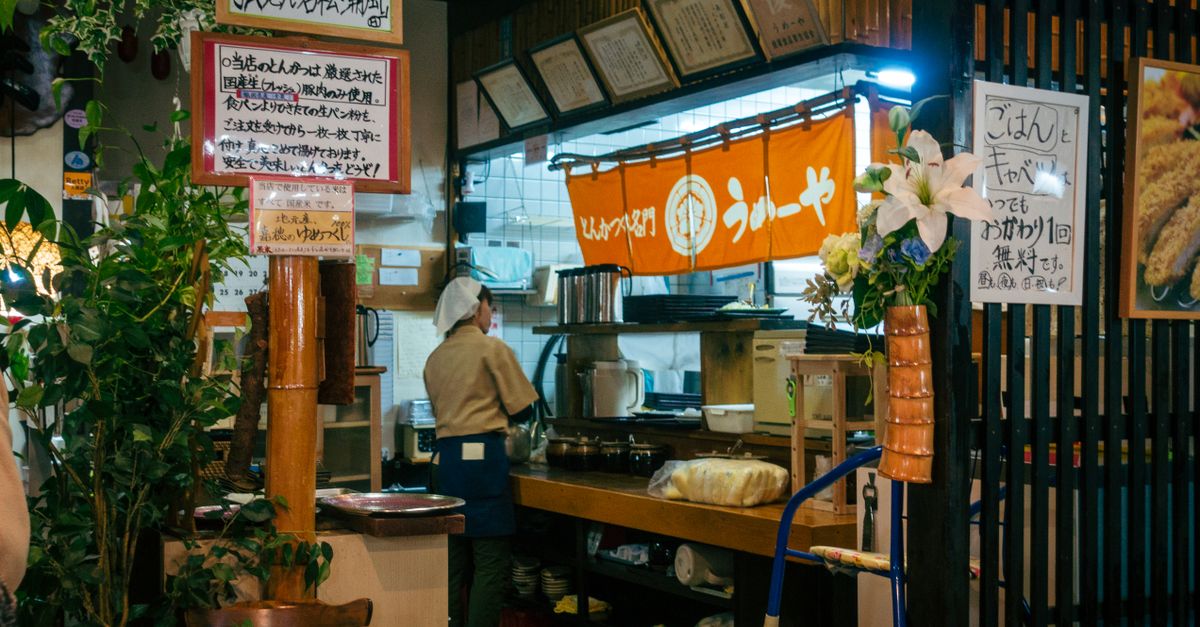
Eating Etiquette in Fukuoka
Japanese dining etiquette is specific but logical. Say 'itadakimasu' (I humbly receive) before eating and 'gochisousama' (thank you for the meal) when finished. Slurp noodles — it cools them and is considered polite. Never stick chopsticks vertically in rice (it resembles funeral incense). Don't pass food chopstick-to-chopstick (another funeral association). Rest chopsticks on the holder provided, not across your bowl.
Tipping is not practiced in Japan and can be considered insulting. Service is included in all prices. The quality of service you receive in Japan — from convenience stores to Michelin-starred restaurants — is consistently exceptional without any expectation of additional payment.
Convenience stores (konbini) in Japan sell food that would qualify as a proper meal in most countries. 7-Eleven, FamilyMart, and Lawson offer onigiri (rice balls, ¥100-¥200), bento boxes (¥400-¥600), sandwiches, hot chicken, and excellent coffee. A konbini breakfast or lunch saves ¥500-1,000 compared to a restaurant and lets you allocate your food budget toward a memorable dinner.
Vending machines are everywhere in Japan — not just drinks but hot food, fresh eggs, and even ramen. Hot canned coffee (¥100-¥150) from a vending machine on a cold temple morning is one of Japan's small pleasures. The machines accept coins and IC cards (Suica/ICOCA).
Drinks & Nightlife
Fukuoka's drinking culture is inseparable from its eating culture — the two happen simultaneously, at the same table, without any particular boundary between them. The vehicle for this integration is the yatai, the city's 150-odd outdoor street stalls that cluster under canvas awnings along the Naka River and in the Tenjin and Nakasu districts. Each yatai seats eight to twelve people at a counter surrounding the cook. You order food, drink beer or shochu, and by your third round you are sharing plates with a salary man from Hakata and a couple visiting from Seoul.
Fukuoka's house drink is Hakata no Hana shochu (¥400-600 per glass), a barley-distilled spirit served on the rocks or with hot water. It is considerably cheaper than beer and pairs naturally with the salt of yakitori and the richness of tonkotsu ramen. For beer drinkers, Asahi, Kirin, and Sapporo draft cost ¥500-700 at most yatai.
The Daimyo neighbourhood, a ten-minute walk west of the Tenjin subway station, is Fukuoka's craft-bar and cocktail district. Streets lined with independent bars spill conversation and music onto the pavement from 8 PM onward. Bar Benfiddich (Daimyo) does botanist-inspired cocktails from ¥1,200. Craft Beer Saitou on Showa-dori has 20 rotating Japanese craft beers on tap — pours start at ¥700 for a half-pint. For wine, Wine Bar Kariage near Tenjin pours natural and biodynamic bottles heavy on Kyushu producers (glasses ¥800-1,200).
The Nakasu entertainment district is Fukuoka's equivalent of Tokyo's Shinjuku — a dense neon island of cabarets, hostess bars, standing ramen counters, and jazz rooms. Most accessible for travelers is the strip of izakayas along Nakazucho-dori, where ¥500 draft beers and ¥300 yakitori skewers fuel three-hour evenings. Tanaka Shoten on the island's south end is a mid-century standing bar with a remarkable selection of Kyushu shochu (¥450-700/glass) and the atmosphere of a place that has not changed since 1965.
Fukuoka's final drinking ritual is the midnight ramen — heading to a tonkotsu shop after bars close at midnight or 1 AM. Ganso Nagahamaya on the waterfront serves 24 hours and is packed with cooks, taxi drivers, and revelers at 2 AM. The combination of cold night air, rich broth, and thin noodles is one of Japan's most satisfying late-night experiences.
Planning Your Food Exploration
The most rewarding food experiences come from planning meals around the local eating schedule rather than forcing your own rhythm onto a foreign city. Most Asian cities eat early — breakfast stalls open at dawn and close by 9 AM, lunch service peaks at noon and ends by 2 PM, and dinner starts at 5-6 PM. Night markets and street food stalls offer the best evening options, typically running from 6 PM until 10 PM or later.
Budget allocation matters. Spend 30-40% of your food budget on one memorable meal — a signature local restaurant, a cooking class, or a fresh seafood dinner. Allocate the rest to street food, markets, and casual local restaurants where the authentic flavors live. This strategy ensures you taste both the refined and the everyday versions of the local cuisine without breaking the bank.
Photography etiquette at food stalls and small restaurants varies by culture. In most of Asia, photographing your food is completely normal and even expected. Photographing the cook or the stall itself — ask first with a smile and gesture. Most vendors are flattered; a few prefer not to be photographed. In sit-down restaurants, photograph freely but be discreet about photographing other diners.
Food allergies and dietary restrictions require preparation. Write your restrictions in the local language (Google Translate helps) and show the note at each restaurant. Common allergens like peanuts, shellfish, and gluten appear in unexpected places — soy sauce contains wheat, fish sauce is in many Thai and Vietnamese dishes, and peanuts appear in Indonesian, Malaysian, and Chinese cooking. Communicate clearly and ask about ingredients rather than assuming from the menu description.
The single best food investment in any Asian city is a cooking class. For 5-50, you'll visit a local market, learn 4-6 dishes hands-on, and gain techniques that let you recreate the flavors at home. The market tour alone — learning to identify local herbs, spices, and produce — transforms your understanding of the cuisine for every subsequent meal during your trip.