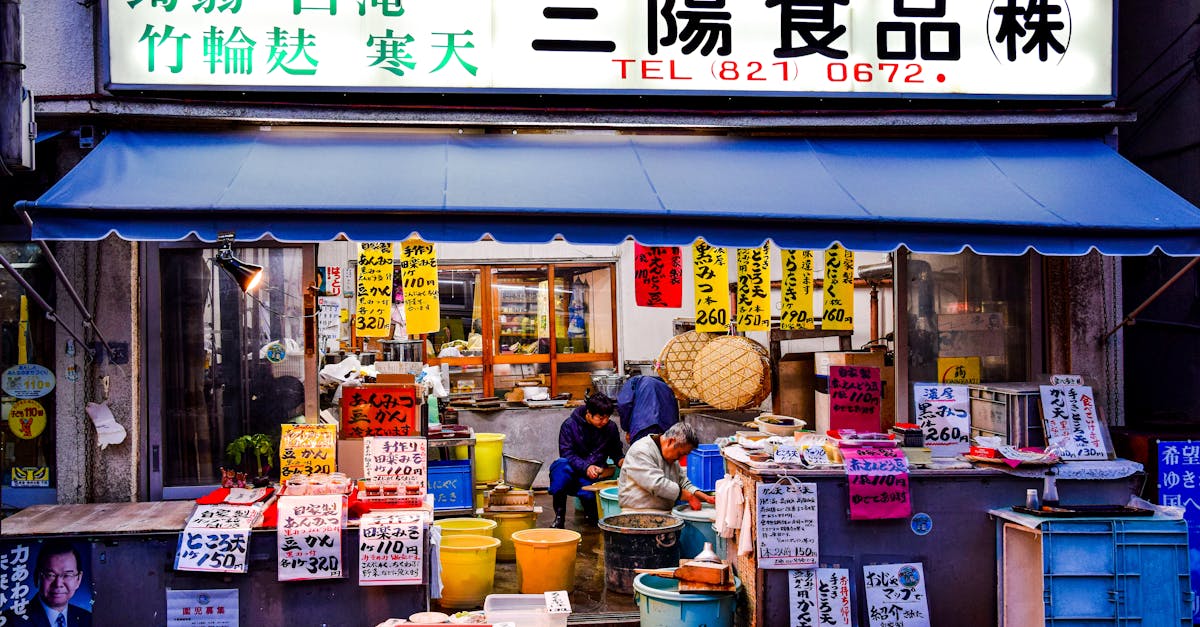
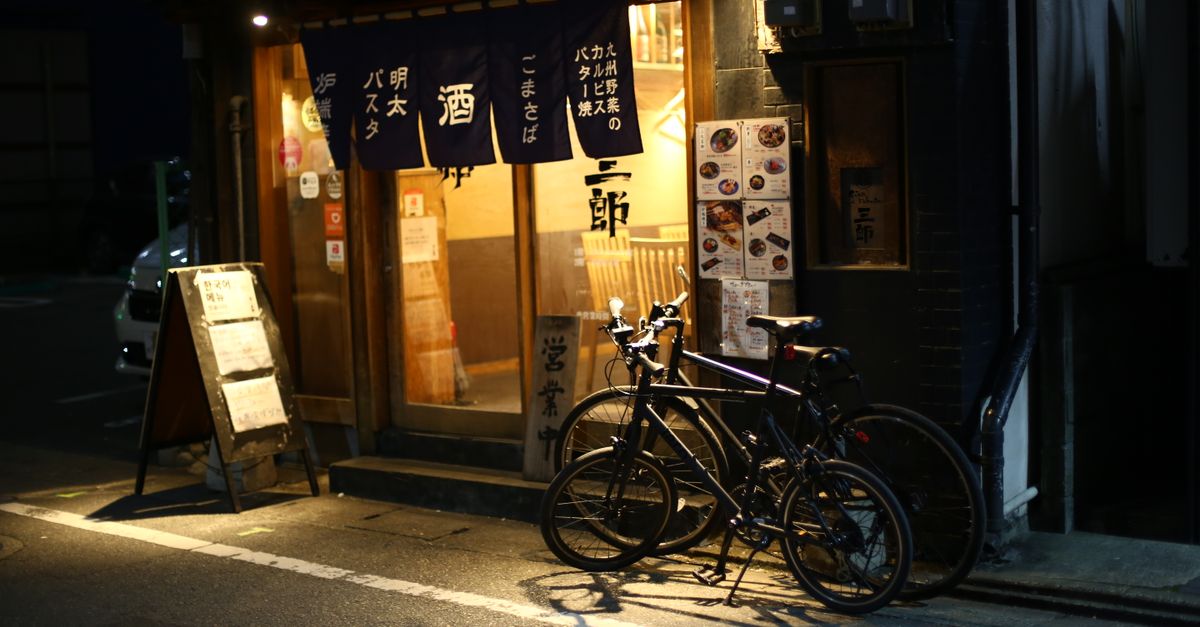
Fukuoka is Japan's ramen capital — a city on Kyushu island where the milky pork tonkotsu broth was perfected and the yatai (outdoor food stall) culture still thrives along the Naka River. Three days covers the compact city center, the nearby shrine island of Dazaifu, and enough ramen to understand why Fukuoka takes its noodles more seriously than any city on Earth.

Day 1 — City Highlights & Landmarks
Begin with the city's most iconic attractions. Start early to beat crowds and take advantage of morning light for photography. The central district is walkable and rewards exploration on foot.
Midday, visit the city's primary cultural site — museum, temple, or historic quarter. Lunch at a local restaurant recommended by your hotel — the first meal in any city should be the signature local dish.
Afternoon, explore secondary attractions and the main market or shopping district. Evening, head to the most atmospheric dining area for dinner and a first taste of the local nightlife or cultural performance scene.
Day 2 — Day Trip or Deep Exploration
Use the second day for a major day trip or deeper cultural exploration. The surrounding region often has natural attractions, temples, or historical sites that complement the city experience.
Book guided tours when local knowledge adds significant value — especially for sites requiring historical context or those with complex logistics.
Evening, return to the city for dinner at a different restaurant — variety across your three days ensures you experience the full range of local cuisine.
Day 3 — Markets, Food & Farewell
Dedicate your final day to the experiences you missed and the food you haven't tried. Morning markets are the pulse of any city — the produce, the vendors, and the breakfast food reveal daily life better than any museum.
Afternoon, last shopping and exploration. The less-visited neighborhoods and side streets reveal the city's character beyond the tourist infrastructure.
Evening, a farewell dinner at the restaurant or food stall that made the biggest impression during your stay.
Day Trips from Fukuoka
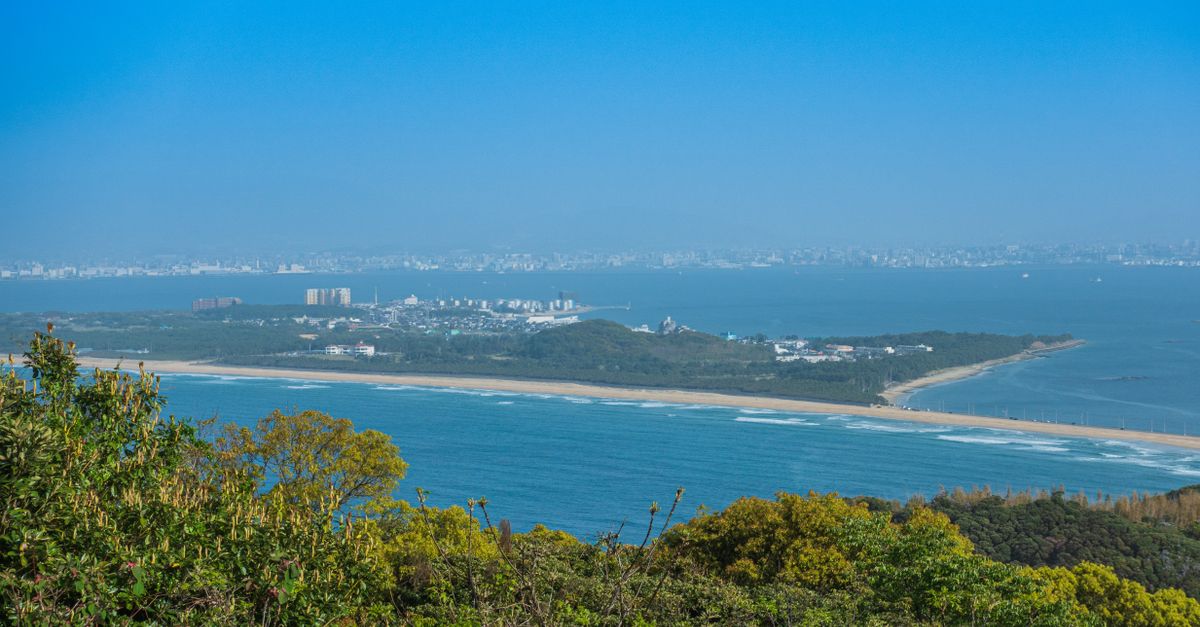
Fukuoka's position on Kyushu — Japan's southernmost major island — makes it a superb base for day trips that other Japanese cities cannot match. Within two hours by train or ferry, you can reach a World Heritage castle town, an active volcano, a Zen mountain monastery, and one of Japan's most photogenic Shinto shrines. The Shinkansen, the Kyushu Railway network, and high-speed ferries all connect Fukuoka's Hakata Station and Hakata Port to the surrounding region with Japanese punctuality.
Dazaifu is the most popular half-day trip and requires no planning beyond a ¥410 train ticket from Tenjin Station (30 minutes via the Nishitetsu Dazaifu Line with one transfer at Futsukaichi). The destination is Dazaifu Tenmangu, a shrine dedicated to the spirit of Sugawara no Michizane, the 9th-century scholar and poet exiled from Kyoto who died here in 903 AD. Students across Japan make the journey before entrance examinations, and the shrine precinct fills with ema (wooden prayer tablets) hung with earnest petitions. The approach avenue is lined with 90 stalls selling umegae mochi — flat rice cakes grilled over charcoal with sweet red bean paste inside — for ¥120 each. The Kyushu National Museum (¥700), a 5-minute walk through the shrine forest, holds rotating exhibitions on Asian cultural exchange and is among the finest regional museums in Japan. Allow 3–4 hours total.
Yanagawa, 45 minutes south of Fukuoka on the Nishitetsu Omuta Line (¥780), is a castle town built on a network of canals that have survived intact since the Edo period. The defining experience is the donkobune river punt — flat-bottomed boats guided by boatmen using long poles, travelling slowly through the willow-lined waterways while the guide sings traditional folk songs. Boat trips run year-round (¥1,500 per person, 70 minutes) and include passage under low stone bridges and past samurai-era earthworks. The unagi (freshwater eel) restaurants along the canal bank serve the regional speciality — seiro mushi (steamed eel on rice in a lacquered box, ¥3,000–4,500) — that Yanagawa has refined for three centuries.
Beppu and Yufuin on the east coast of Kyushu require a full day but deliver two of Japan's most spectacular onsen experiences. The Sonic limited express from Hakata takes 90 minutes to Beppu (¥4,400) and the town's "Hells" — nine boiling volcanic springs in colours ranging from cobalt blue (Umi Jigoku) to blood red (Chi no Ike Jigoku) — are unlike any geothermal landscape in Japan (¥400 each or ¥2,200 combined pass). Yufuin, 30 minutes further inland, is the more refined alternative: a quiet spa village centred on Lake Kinrin, with onsen guesthouses, ceramics galleries, and the excellent Yufuin Film Festival in August. The Yufuin no Mori scenic train from Hakata (¥2,910, reservation required) is one of the most beautiful railway journeys in Japan.
Exploring Fukuoka
Fukuoka's compact city center divides between Hakata (the historic and commercial district, east side) and Tenjin (the shopping and entertainment district, west side), connected by the Naka River. The yatai (outdoor food stall) culture clusters along the river and in Tenjin — over 150 stalls operate nightly, serving ramen, yakitori, gyoza, and oden from 6 PM until 2 AM. Each stall seats 6-10 people at a counter, creating an intimate eating experience unique to Fukuoka.
Dazaifu Tenmangu Shrine (free, 30 minutes by train from Tenjin) enshrines the spirit of learning — students across Japan visit before exams. The approach road is lined with mochi shops serving umegae mochi (plum-blossom rice cakes, ¥120). The Kyushu National Museum (¥430) nearby has excellent Silk Road and Asian trade exhibitions. The Starbucks on the approach was designed by Kengo Kuma — it's architecturally remarkable.
Ohori Park, a 10-minute walk from Tenjin, surrounds a lake with a 2-kilometer jogging path, a traditional Japanese garden (¥250), and the Fukuoka Art Museum (¥200). The park is Fukuoka's green lung and the best spot for a morning run. Canal City Hakata, a massive shopping complex with canal waterways and fountain shows, is the commercial centerpiece of the Hakata side.
Fukuoka Tower (¥800 observation deck) at 234 meters is Japan's tallest seaside tower. The beach below — Momochihama — is popular for beach volleyball and sunset viewing. The Fukuoka PayPay Dome (home of the SoftBank Hawks baseball team) is next door — catching a Japanese baseball game (¥1,500-5,000) is one of Japan's most entertaining sports experiences.
The Fukuoka subway has two lines covering the city center and connecting to the airport — Japan Rail Pass works on neither, but individual rides are ¥210-340. The airport is just 5 minutes by subway from Hakata Station — the closest major airport to a city center in Japan. This makes Fukuoka an ideal arrival or departure city for a Japan trip.
Practical Tips
Japan is the world's most polished travel destination — trains run to the second, streets are clean, and service standards are unmatched. The Japanese yen (¥) has fluctuated significantly — budget ¥12,000-20,000/day for mid-range travel. The Japan Rail Pass (7/14/21 days from ¥50,000) is worth it if you're traveling between cities. IC cards (Suica/ICOCA, ¥2,000) work on all trains, buses, and vending machines.
Japanese etiquette has specific rules: never tip (it's insulting), eat noodles by slurping (it's polite and cools the noodles), and don't stick chopsticks vertically in rice (funeral symbolism). Remove shoes when entering homes, temples, and many traditional restaurants. Bow slightly when greeting. Avoid loud phone conversations on trains. Queue patiently — Japanese lines are sacred.
Japan is cash-heavy despite its technological advancement. Many restaurants, temples, and small shops don't accept credit cards. ATMs at 7-Eleven convenience stores accept international cards. Carry ¥10,000-20,000 in cash daily. Taxis are expensive (starting fare ¥680) — use trains for anything beyond a 10-minute walk. Google Maps works perfectly for transit navigation in Japan, including train schedules and platform numbers.
Best Times to Visit & Budgeting
Timing your visit matters enormously for both weather and crowds. Peak tourist seasons bring higher prices, sold-out accommodations, and crowded attractions. Shoulder seasons (the weeks just before and after peak) often deliver the best balance — good weather, manageable crowds, and reasonable prices. Off-season travel is the cheapest but check for monsoon rains, extreme heat, or seasonal closures.
Budget planning for three days should account for accommodation (30-40% of total), food (20-25%), transport (15-20%), activities and entrance fees (15-20%), and a contingency buffer (10%). The biggest savings come from choosing accommodations wisely — a well-located mid-range hotel that eliminates taxi costs can be cheaper than a budget hotel in a remote area plus daily transport.
Travel insurance is non-negotiable. A single hospital visit in most Asian countries costs more than a year of comprehensive travel insurance (0-80 for a 2-week trip). Ensure your policy covers emergency medical evacuation — this is the expensive scenario that justifies the premium. Download your policy documents to your phone for offline access.
Currency exchange tips: ATMs generally offer better rates than airport exchange counters. Withdraw larger amounts less frequently to minimize per-transaction fees. Carry some US dollars (0-100) as universal backup — they're accepted in emergencies across most of Asia. Notify your bank of travel plans to prevent card blocks. Use a travel-specific card (Wise, Revolut) for the best exchange rates and lowest fees.
Download essential apps before arriving: Google Maps (with offline maps for your destination), Google Translate (with offline language packs), the local ride-hailing app (Grab for Southeast Asia, DiDi for China, Uber/Ola for India), and your accommodation booking confirmation. A portable battery pack (10,000-20,000 mAh) keeps your phone alive through a full day of navigation, photography, and ride-hailing.