Fukuoka is Japan's most livable city according to the surveys that Japanese people take seriously — compact enough to cycle across, large enough for genuine cultural depth, warm enough for outdoor evening dining ten months of the year, and positioned close enough to Korea and China that it has absorbed influences from both in its architecture, its food culture, and its resident demographics. The tourist Fukuoka is primarily the yatai (street food stalls) along the Naka River, Hakata Station's department store basement food halls, and the day trips to Dazaifu shrine. All worthwhile; none of them representative of what makes Fukuoka genuinely interesting.
The hidden Fukuoka is in Yanagibashi Market — the oldest covered market in the city, serving the surrounding neighborhood since 1916. It's in the Momochi Seaside Park area where the Fukuoka City Museum holds the most important single gold object in Japan. It's in the fermented barley miso ramen shops of the Hakata backstreets that have been in business longer than any nearby tourist ramen mall. And it's in the Itoshima Peninsula 30 km west of the city, where a community of artists, farmers, and fishermen has created a local food culture that the Fukuoka food scene draws from but rarely acknowledges.
These ten hidden corners of Fukuoka require the willingness to use local transit, walk unfamiliar streets, and eat at places with no English menu. The city rewards that willingness generously.

1. Yanagibashi Rengo Market
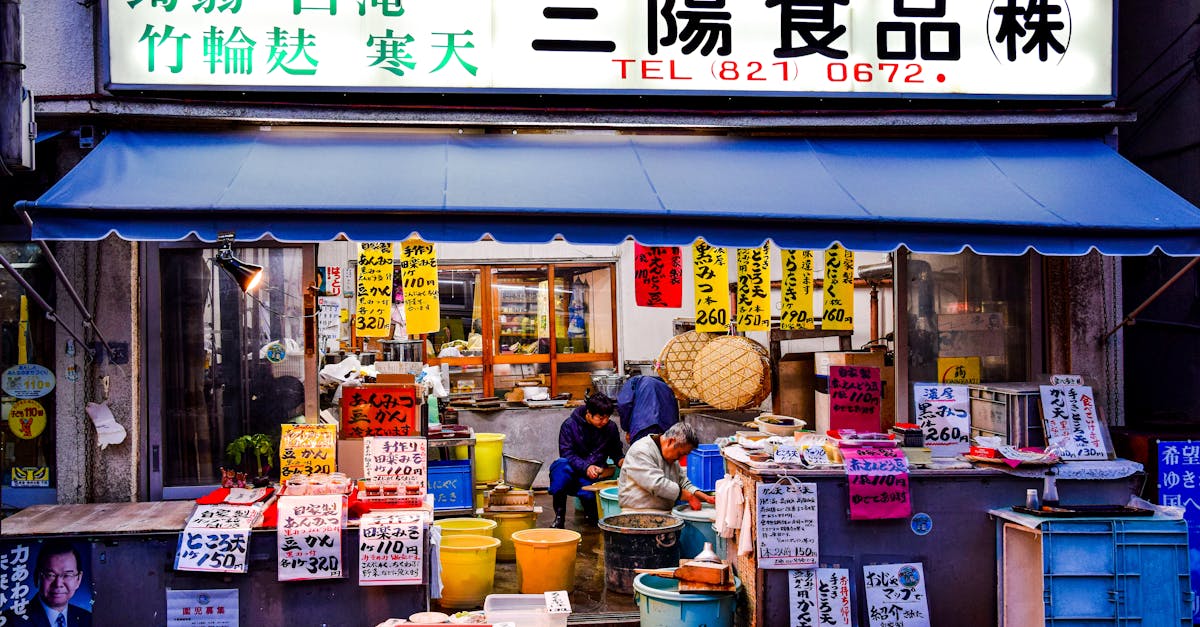
Yanagibashi Rengo Market (柳橋連合市場) is Fukuoka's oldest surviving covered market, operating since 1916 on the eastern bank of the Naka River in Hakata. It's called "Fukuoka's kitchen" by the food community but remains essentially unknown to tourists. The market covers five buildings connected by covered lanes and sells fresh fish, meat, vegetables, tofu, pickles, and prepared foods at wholesale prices to restaurant operators and households who have been shopping here for multiple generations. The vendor families are fourth and fifth generation; the specific fish specialist at stall 14 knows every regular customer's order without being told.
The early morning operation (6-8 AM) is when the market functions for wholesale buyers. By 10 AM it transitions to retail. The fish selection at Yanagibashi reflects Fukuoka's geographical position between the Sea of Japan and the Genkai Sea: the seasonal rotation of horse mackerel (aji), yellowtail (buri), flounder (hirame), and the specific Genkainada squid that Fukuoka's izakaya culture is built around. The fish variety changes weekly as the local fishing season rotates, which means the market in November (yellowtail season, buri abundance) looks completely different from the market in June (flying fish and squid season).
Yanagibashi Market is a 10-minute walk from Hakata Station's Chikushi Exit, or 5 minutes from Nakagawa Station on the Nishitetsu rail. Open Monday to Saturday, 6 AM to 6 PM. Entry free. The market's prepared food vendors (selling yakitori, fried tofu, sashimi sets to take away) are open from 10 AM and function as the local neighborhood lunch circuit. A sashimi set (seasonal fish, perfectly cut, with wasabi and soy) from the Yanagibashi fish market counter costs ¥800-1,200 and represents the best value sashimi in Fukuoka — restaurant markup starts at 3x the market price for the same fish.
The tsukemono (pickle) section at Yanagibashi deserves its own paragraph. Fukuoka's pickle tradition includes the specific karashi mentaiko (spicy pollock roe) that is Fukuoka's most famous food product, but also the less-celebrated Hakata cucumber pickle (made with rice bran and sea salt in a week-long fermentation), the Yanagawa-style lotus root pickle, and the specific fermented Chinese cabbage variant that arrived with Korean and Chinese immigrants in the early 20th century. A sampler selection from the pickle vendors costs ¥500-1,000 and provides a semester's worth of fermentation education in a single shopping bag.
2. Fukuoka City Museum's King of Na Gold Seal
The Fukuoka City Museum in Momochi Seaside Park holds a single object that makes it one of the most historically significant museums in Japan: the King of Na Gold Seal (漢委奴国王印), a solid gold seal stamp weighing 108 grams and measuring 2.3 cm on each side, given by the Han Emperor Guangwu to the ruler of the Kingdom of Na in 57 CE. This seal — documented in the Chinese historical records as a diplomatic gift to a Japanese state — is physical proof of diplomatic contact between Japan and China two millennia ago, and it's the earliest definitively dated object associated with Japanese statehood. It's listed as a National Treasure of Japan.
The seal was found in 1784 by a farmer on Shikanoshima Island in Hakata Bay while digging in a field. The farmer's story — an illiterate agricultural laborer finding the most historically significant object in Japanese history while clearing a ditch — is itself worth contemplating. The seal has a handle in the form of a coiled snake, which suggests it was specifically made for a maritime-trading or island state. The inscription (five Han characters: "漢委奴国王" — Han, Wa, Na kingdom king) has been interpreted and reinterpreted by scholars for 250 years, and the exact identity of the "Na kingdom" remains debated.
The museum is in Momochi Seaside Park, accessible from Nishijin Station (Subway Kuko Line) in 15 minutes on foot. Entry ¥200. Open Tuesday to Sunday, 9:30 AM to 5:30 PM. The seal is displayed in a temperature-controlled case in the main historical gallery, lit to show the dragon-snake handle in three-dimensional relief. The museum's other collections (Hakata Bay history, Fukuoka city development, the medieval Korean trade) provide context for the seal without approaching its importance.
Shikanoshima Island — where the seal was found — is accessible by bus from Uminonakamichi coastal park (30 minutes, ¥250) or by the Marinoa City Ferry from Hakata Port. The field where the seal was found is marked with a small monument accessible by a 10-minute walk from the Shikanoshima bus terminal. The island itself is a pleasant half-day detour: seafood restaurants on the southern coast serve the specific Shikanoshima clam dishes that the island is known for. The connection between this pleasant seaside lunch spot and the Han Dynasty diplomatic artifact is one of those Fukuoka non-obvious moments that makes the city interesting to the historically curious visitor.
3. Itoshima Peninsula
Itoshima, 30 km west of Fukuoka City center, has transformed in the past decade from an agricultural and fishing peninsula into a destination for the Japanese weekend creative class — a community of ceramicists, glass blowers, natural wine producers, organic farmers, and independent coffee roasters who have settled the peninsula's rural landscape and created a loosely organized local economy of small studios, farm shops, and weekend markets. The Itoshima food culture specifically — the fresh oysters farmed in the Shima lagoon, the Itoshima milk from the single dairy that feeds the local pastry and pizza community, and the direct-farm vegetables sold from roadside stands — has become the raw material for the most interesting restaurants in Fukuoka city.
The Itoshima oyster farms operate from November to March and sell directly from the waterside shacks (カキ小屋, kaki-goya) at the Shima lagoon — self-grill oyster sets (all you can eat for ¥2,000-2,500 per person) that allow visitors to grill oysters directly from the farm on charcoal braziers at waterside tables. This is the freshest possible oyster experience: harvested that morning, grilled within 100 metres of where they grew, eaten with a splash of ponzu and a cold Asahi. The kaki-goya open from November 1 and are among the most genuinely enjoyable seasonal food experiences available within an hour of any large Japanese city.
Itoshima is accessible from Fukuoka City by the JR Chikuhi Line from Hakata Station to Chikuzen-Maebara (40 minutes, ¥580). A rental bicycle from the Maebara Station area (¥800 per day) covers the peninsula circuit comfortably in a full day. The 202 Studio Map (available from the Itoshima Tourism Association website) lists the active studios and farm shops open on weekends. Most studios have irregular hours; checking Instagram before visiting is the current community practice.
The Itoshima coastline on the peninsula's western side (the Shima side, facing the Genkai Sea) has sea stack formations and beach scenery that match anything on the more famous Oki Islands coast. The Futamigaura (Married Rocks) shinto sacred sea stacks are connected by a shimenawa rope and are photographed at both sunrise and sunset from the adjacent shrine beach. The beach itself (Futamigaura Beach) is excellent for swimming from June to September in a setting that is both culturally interesting and genuinely beautiful — a combination Fukuoka's city beaches cannot provide.
4. Ohori Park at Dawn
Ohori Park's central lake is a 2-km walking circuit around a man-made pond built in 1929 on the site of the ancient outer moat of Fukuoka Castle. The park is well-known and popular — the circuit attracts joggers and walkers all day. At 6 AM before the jogger crowd builds, the park is occupied by elderly residents doing tai chi on the lake island, by the permanent populations of spot-billed duck and little grebe on the water, and by the specific pre-dawn light that makes the willow reflections in the lake surface into a Japanese woodblock print made real.
The Ohori Park Japanese Garden (日本庭園), adjacent to the main lake area, is one of the finest public Japanese gardens in Kyushu — a strolling garden with tea ceremony house (open for tea ceremony experience, ¥510 per session including tea and wagashi sweet) and a layout that creates the impression of a much larger garden through the classical miegakure (hide-and-reveal) technique of sequential garden discovery. Entry to the Japanese Garden is ¥250. Open Tuesday to Sunday, 9 AM to 5 PM. The garden's spring plum blossoms (February) and autumn maples (November) are the finest single-season Japanese garden experiences in Fukuoka.
Ohori Park is adjacent to the Fukuoka Castle ruins (Maizuru Park) — the combination of the modern park, the Japanese garden, and the castle ruins in a single contiguous green space makes this the most pleasant 3-hour walk in Fukuoka's urban core. The castle ruins have a sakura festival in March-April that is among the best in Fukuoka, but the pre-blossom castle tower ruins in February — grey stone walls against clear winter sky with no blossoms competing for the composition — are the better photograph.
The Fukuoka Art Museum in Ohori Park (entry ¥200, free on Sundays for permanent collection) has a modest but well-selected permanent collection including a room of Yayoi Kusama work, a room of Chagall work, and a specific Fukuoka contemporary art collection. The building design (by Kikutake Kiyonori, 1979, Metabolist movement) is an architectural interest in its own right — the structural system of interchangeable modular rooms was proposed as adaptable architecture for changing use. The building was not actually used as intended but the Metabolist structural logic is visible in the facade. Nerd tourism, but valid.
5. Hakata Old Town's Temple Circuit
Hakata's old temple district, in the lanes between Gion Station and the Kushida Shrine, is the densest concentration of Buddhist temples and Shinto shrines in Fukuoka — approximately 40 religious institutions within a 1-km radius. This concentration reflects Hakata's pre-modern status as one of Japan's most important trading ports and gateway cities: merchant wealth funded temple construction through the medieval period, creating a temple density comparable to Kyoto in a fraction of the area. The tourist circuit covers Kushida Shrine and the Shofukuji Temple (founded in 1195, the oldest Zen temple in Japan — a genuinely significant historical claim). The remaining 38+ institutions are visited only by their own congregations.
The specific experience available in Hakata's temple district is the morning zazen (sitting meditation) sessions that three of the Rinzai Zen temples offer to outside practitioners. Shofukuji, Tochoji (the Hakata temple of the Shingon tradition, with a 10-metre wooden Buddha that was the largest in Japan when it was made in 1992), and Higashiyama Kaiin all hold morning zazen open to non-members on specific days — check their websites or the Fukuoka City Tourism Association for current schedules. The session is typically 45 minutes of instruction-and-sit, from 6 to 7 AM, followed by a simple breakfast in the temple refectory. Free or small donation.
The Kushida Shrine (博多総鎮守)at the heart of the district is the guardian shrine of Hakata and the organizational focus of the Hakata Gion Yamakasa festival — one of Japan's most important and oldest summer festivals (July 1-15 annually, culminating in the Oiyama racing event at 4:59 AM on July 15 when 7 decorated floats are raced through the Hakata streets). The shrine's collection of past Yamakasa floats displayed in a museum building adjacent to the main hall shows the festival's visual culture across decades. Entry free. Open 24 hours.
The morning temple walk in Hakata's old district requires a map (the Fukuoka City Tourism Association app has the temple locations in English) and a willingness to enter through temple gates uninvited — this is universally accepted at Japanese Buddhist temples that don't specifically indicate restriction. The gates open at 6 AM; the morning garden cleaning by the resident monks provides the ambient activity that makes the pre-tourist hour the richest time in this district. The sound of a wooden fish (mokugyo) drum from a morning sutra recitation, heard through a closed gate on a Hakata temple lane at 6:30 AM, is one of the specific sensory memories that defines Fukuoka for people who have lived there.

6. Dazaifu's Komyozenji Moss Garden
Dazaifu is on every Fukuoka day-trip itinerary for the Dazaifu Tenmangu Shrine. What the Tenmangu queues don't show you is that Komyozenji Temple, 100 metres behind the Tenmangu complex, has one of the finest dry landscape moss gardens in Japan — free, quiet, and essentially unvisited because it's behind the Tenmangu crowds rather than in front of them. The Komyozenji garden (Zuitensui Garden) is a moss-and-stone dry garden representing the universe in the classical Muromachi-period style: white sand raked into river patterns, moss islands representing mountains, a viewing platform where the composition becomes comprehensible.
The Komyozenji Temple was founded in 1273 and the garden was designed in the Kamakura period — one of the oldest surviving dry gardens in Kyushu and comparable in design quality and age to the famous Ryoanji garden in Kyoto. Unlike Ryoanji (which has been a UNESCO heritage tourist site for decades and now requires reservations during peak season), Komyozenji is visited primarily by Dazaifu residents and the occasional Japanese garden enthusiast who knows about it. The experience on a rainy autumn day — the moss at its most vivid green, the white sand darkened by rain, the viewing platform's eaves creating a frame — is the definitive moss garden aesthetic.
Komyozenji is accessible from Dazaifu Station (Nishitetsu Dazaifu Line from Futsukaichi Station, connecting from Nishitetsu Tenjin Station in Fukuoka). From the Tenmangu main hall, walk east past the Treasure Museum building and look for the Komyozenji sign. Entry ¥200. Open daily 9 AM to 4:30 PM. The garden and the inner temple building are simultaneously accessible — the inner room of the temple faces the garden and the relationship between the architectural interior and the exterior garden composition is the defining quality of the classical Japanese garden design tradition.
The Dazaifu area around the Tenmangu complex contains the archaeological remains of the Dazaifu administrative center (7th-10th century CE) — the government headquarters of western Japan during the period when Fukuoka was the gateway city to the Asian mainland. The Dazaifu Tenmangu Museum near the shrine complex (entry ¥400) holds the most complete collection of Dazaifu-period administrative artifacts in Japan: official seals, diplomatic documents, and material culture from the period when this city administered Japan's foreign relations. The proximity of the Tenmangu shrine and the administrative capital remnants makes Dazaifu the densest single-day historical destination in Fukuoka's day-trip range.
7. Nishijin's Living Architecture
The Nishijin neighborhood, between Ohori Park and the Nishijin commercial street in the Chuo-ku district, is a residential neighborhood of late Showa-era apartment buildings, small shrine complexes, and the specific shopping street architecture (shotengai) that survived into the present tense by serving its community rather than reinventing itself for tourism. The Nishijin shotengai — a 200-metre covered shopping street that has operated continuously since the 1950s — sells hardware, vegetables, sake, and traditional wagashi sweets at prices aimed at the neighborhood residents. It's exactly the shopping street that urban Japan is losing everywhere and has kept here by neglect and loyalty in approximately equal measure.
The neighborhood's small Shinto shrines — the type called chinju-no-mori shrines that protect a specific neighborhood rather than a city or nation — are active with the social functions that make them genuinely local: the monthly omamori (protective charm) renewal ceremony, the neighborhood association meetings held in the shrine's meeting room, and the summer festival (bon odori) that the community organizes on the shrine grounds in August. Attending the bon odori at a chinju-no-mori shrine in Nishijin is the most genuinely local summer festival experience in Fukuoka — entirely for the neighborhood, happening to be visible from the public street.
Nishijin is accessible from Nishijin Station (Subway Kuko Line). Walk south from the station into the residential streets. No specific destinations — simply walk the grid pattern of the neighborhood and notice the architectural variety: postwar concrete apartment blocks, 1970s shotengai architecture, the occasional surviving prewar merchant house, and the chinju-no-mori shrine at approximately every 300-metre interval. Allow 2 hours for a full neighborhood walk. The shotengai opens at 9 AM; the shrines are open at all hours.
The Nishijin Station building itself is worth mentioning: it houses the Nishijin Pearl Garden (西新珍珠苑) — a public observation deck that serves as the neighborhood viewpoint over Ohori Park and toward the Fukuoka tower in the distance. Free access. Open when the station building is open. The rooftop view shows the spatial relationship between the Ohori Park lake, the castle ruins, and the densely built residential grid of Chuo-ku in a configuration that explains Fukuoka's urban structure more clearly than any city overview map.
8. Nanzoin Temple's Reclining Buddha
Nanzoin Temple in the Sasaguri area, 20 km east of Fukuoka City, holds the world's largest bronze reclining Buddha — 41 metres long, 11 metres high, 300 tonnes. It's a genuinely extraordinary object, and almost no tourist to Fukuoka visits it because it's slightly outside the standard city circuit and doesn't appear in English-language Fukuoka travel guides with the prominence it deserves. The Buddha was completed in 1995 and was commissioned by the Nanzoin Temple's head monk after receiving the ashes of Gautama Buddha himself (a relic from Burma) — the bronze statue serves as the reliquary for these ashes.
The area around Nanzoin is also one of the eighty-eight temple pilgrimage circuit (Kyushu version of the Shikoku pilgrimage) that Buddhist practitioners walk as a devotional practice. The temples of this circuit are on a woodland path in the Sasaguri hills that is beautiful in all seasons and provides the aesthetic of a pilgrimage route — the stone figures at intervals, the rustle of the cedar forest, the moss-covered smaller statuary — without requiring the 88-day full Shikoku commitment. A section of the Sasaguri pilgrimage trail between Nanzoin and the adjacent temples takes 2-3 hours and is one of the finest forest walks accessible from Fukuoka.
Nanzoin is accessible by JR Kato Line from Hakata Station to Kido-Nanzoin-mae Station (30 minutes, ¥230). The temple is a 3-minute walk from the station. Entry to the temple grounds is free; the interior of the reclining Buddha statue (which contains a gallery of merit-accumulation statuary) costs ¥500. Open daily 9 AM to 4:30 PM. Combining Nanzoin with the Itoshima Peninsula in a single day (driving west through Fukuoka City) provides the complete east-to-west Fukuoka day itinerary that covers mountains, city, and coast.
The Sasaguri area around Nanzoin has a reputation as one of the most spiritually charged landscapes in Kyushu — the combination of the pilgrimage temples, the cedar forest ecology, and the local belief tradition that the Gongen (mountain deity) of the surrounding hills receives prayer makes the area feel different from the urban Buddhist temple circuit of Hakata. This is rural Fukuoka Prefecture Buddhism, maintained by farming and forestry community who have lived on this ridge for generations. The contrast with the yatai and the fish market is complete.
9. Chikuzen Province Historical Walk (Itoshima Megalith Sites)
The Itoshima Peninsula contains some of the most significant archaeological sites in Japan — prehistoric burial chambers (dolmen) and megalithic structures dating from the Yayoi period (300 BCE to 300 CE) that show the incoming bronze and iron age cultural influence from the Korean peninsula. The specific site of Hibomonota, accessible by a 15-minute walk from the Nijo bus stop in Itoshima, contains two large stone burial chambers with capstones — the largest prehistoric megalithic structures in Kyushu. They sit in a rice field with a small sign and no management infrastructure; the farmers work around them as they have for centuries.
The Itoshima dolmen are part of the evidence for the Yayoi culture's Korean Peninsula origin — the dolmen construction tradition originated in the Korean Gochang-Hwasun-Ganghwa Dolmen UNESCO site and spread to northern Kyushu through maritime contact. Understanding the Itoshima dolmen as Korean cultural material transplanted to Japanese soil 2,000 years ago (by migration or trade contact) is the most historically interesting frame for the objects, and it's the one that makes Fukuoka's proximity to Korea — visible on clear days from the Itoshima coast — carry specific historical meaning rather than just geographical fact.
Nijo bus stop is on the Showa Bus route from Maebara Station in Itoshima. The walk to the dolmen is 15 minutes through rice field paths — navigable with Google Maps to the coordinates 33.5431°N, 130.2047°E. No entry fee. No visitors other than local farmers and occasional archaeological researchers. Bring your own water and snacks — no facilities within 1 km. The site is at its most atmospheric in morning mist (October-November) when the capstones emerge from the agricultural fog in a way that is simultaneously prehistoric and distinctly Japanese agrarian landscape.
The Itoshima City Museum (in Maebara, near the station) holds the documented excavation finds from the Itoshima dolmen sites: bronze mirrors, iron weapons, and the specific glass comma-shaped beads (magatama) that were exchange items between Japan and Korea in the Yayoi period. Entry ¥200. The museum provides the academic context for the physical sites and is worth visiting before or after the dolmen walk to understand the full significance of what you've seen in the rice field.
10. Uminonakamichi Seaside Park
Uminonakamichi Seaside Park occupies a 5-km strip of land between Hakata Bay and the Genkai Sea on the Uminonakamichi peninsula — a National Government Park (entry ¥450) of unusual ecological diversity. The park manages dune habitat, wetland bird reserve, coastal forest, and large-scale seasonal flower displays in a single managed landscape. The seasonal flower schedule means the park's appearance changes completely every six weeks: tulips in April, roses in May, hydrangeas in June, sunflowers in July, cosmos in October, pansies in winter. The Japanese government's investment in this seasonal display is visible in the quality.
The Shiosai Lagoon within the park (the eastern wetland area) is a critical habitat for winter and migratory waterbirds. Counts of winter duck species (pintail, widgeon, tufted duck, pochard) in the lagoon from November to February regularly exceed 2,000 individuals. The observation hide adjacent to the lagoon allows close observation without disturbing the birds — the distance from the hide to the center of the lagoon is approximately 100 metres, close enough for a 300mm telephoto lens to produce full-frame bird images.
Uminonakamichi is accessible from Fukuoka City by the JR Kashii Line from Hakata Station to Uminonakamichi Station (40 minutes, ¥320). Alternatively, a ferry from Hakata Port (Marine Ferry, ¥1,200 return) runs direct to the park pier — the sea approach through Hakata Bay provides the best possible perspective on Fukuoka City's relationship to the sea, with the city skyline visible to the west and Shikanoshima Island (where the gold seal was found) to the east. The ferry option is significantly slower but significantly more atmospheric.
The Shikanoshima Island connection from Uminonakamichi (bus from the park to the island) completes a day combining the park, the island, and a return to Fukuoka City with the totality of Hakata Bay visible at different scales throughout. The island's Oshima Shrine (dedicated to the Munakata sea goddesses) is the Hakata Bay's primary maritime shrine and has been receiving offerings from fishermen and maritime traders since the 8th century CE. The sea-level view of the Fukuoka city skyline from the Oshima Shrine beach — 10 km across the bay — is the reverse of every Fukuoka photograph you've seen, and it's a reminder that the city's identity is fundamentally maritime.