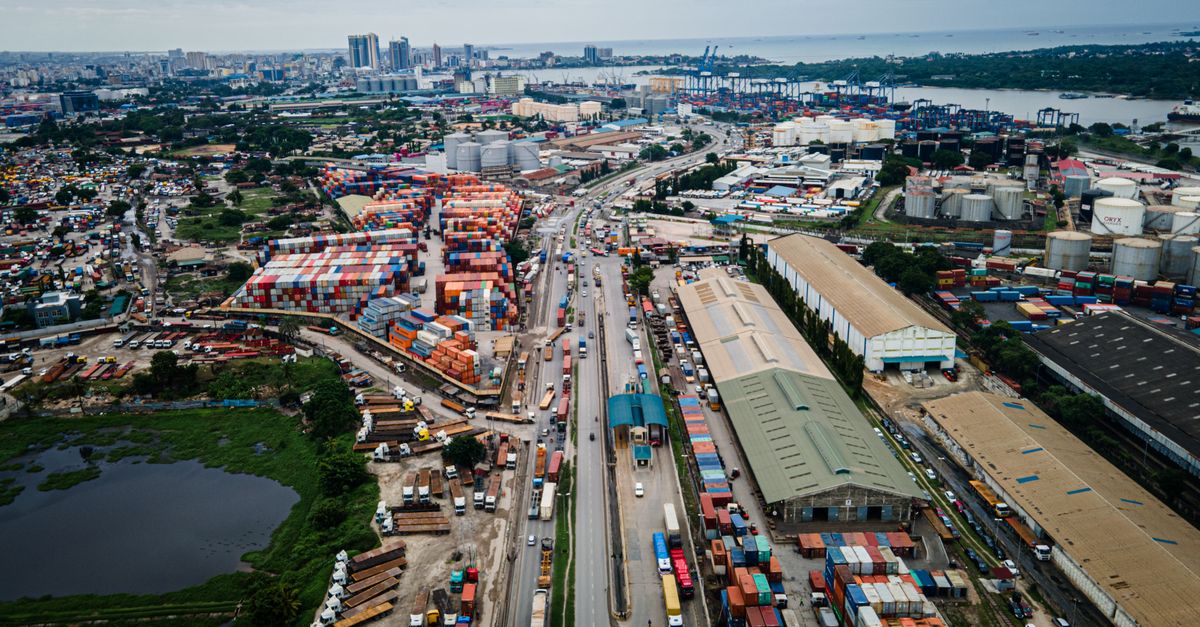
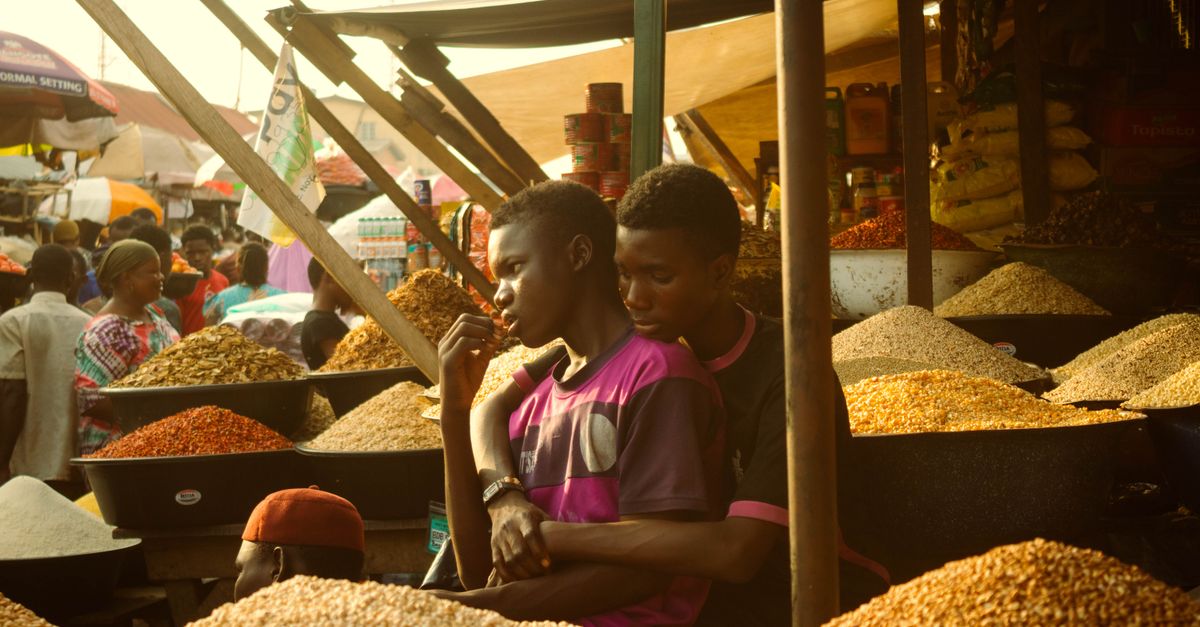
Lagos is not cheap by West African standards, but it is one of the most rewarding cities in Africa for travelers willing to work with the city's logic instead of against it. Budget travel here means understanding the geography first — the islands (Lekki, Victoria Island, Ikoyi) cost two to four times what the mainland (Yaba, Surulere, Ikeja) costs, and the same plate of jollof can run NGN 1,500 in a Yaba buka or NGN 8,500 in a Lekki restaurant. With careful neighborhood selection and a willingness to eat where Lagosians eat, NGN 25,000-45,000 per day (roughly USD 16-30 at current rates) covers food, transport, and a private room.
The honest disclaimers: the naira is volatile, prices in this guide reflect mid-2025 rates and will shift, and Lagos demands more situational awareness than any other city in this guide. The city is not dangerous in the way headlines suggest, but it is dense, fast, and unforgiving of distracted visitors. Budget travel here is absolutely possible — backpackers do it every month — but it requires more planning than a similar trip to Accra or Nairobi. Get the planning right and Lagos delivers experiences no other African city can match.
Getting There on a Budget
Murtala Muhammed International Airport (LOS) is the main entry point and one of the busiest hubs in Africa. From Europe, the cheapest fares come on Royal Air Maroc via Casablanca, Turkish Airlines via Istanbul, or Air France via Paris — expect EUR 500-800 round-trip booked six to eight weeks out. From North America, Delta and United run direct from JFK and IAD for USD 950-1,500 round-trip; Ethiopian Airlines via Addis Ababa typically saves USD 200-400 if you can handle a longer routing. From within Africa, Asky, RwandAir, and Kenya Airways offer reasonable connections from major hubs at USD 200-500.

Budget tip number one: avoid same-day connections through Lagos. Murtala Muhammed is famously chaotic — long immigration queues, baggage delays, and aggressive touts mean missed connections are common. If you are routing through LOS to elsewhere, build at least four hours of buffer or, better, book an overnight in a nearby hotel. The international and domestic terminals are in different buildings; allow 45 minutes minimum for the inter-terminal transfer.
Land borders are technically open from Cotonou (Benin) and offer the cheapest entry route. Shared taxis from Cotonou run NGN 25,000-40,000 and the journey takes four to seven hours including border crossings. The Seme border post is functional but bureaucratic — bring patience, USD cash for fees, and your visa already issued. Do not attempt this without confirming current border status, as Nigerian land borders have closed unpredictably in recent years.
For domestic flights from elsewhere in Nigeria, Air Peace, Ibom Air, and Green Africa offer Lagos-Abuja for NGN 90,000-180,000 one-way. Book directly on airline websites — local aggregators add fees.
Budget Accommodation
Lagos accommodation pricing follows the island-mainland divide rigidly. Mainland guesthouses (Yaba, Surulere, Ikeja) run NGN 12,000-25,000 per night for a clean private room. Island budget options (Lekki Phase 1, Victoria Island fringes) start at NGN 25,000 and rise quickly to NGN 50,000+ for anything resembling backpacker comfort. Hostels exist but are scarce — most budget travelers end up in guesthouses or short-term Airbnbs.

Bogobiri House (Ikoyi) is the most beloved boutique-budget option in town — a cultural center with rooms that combines Nigerian art with no-frills accommodation. Singles run NGN 35,000-50,000, doubles NGN 45,000-65,000. The on-site bar hosts live music and pulls in a creative crowd. Worth the splurge for one or two nights.
Lagos Backpackers (Yaba) is the closest thing to a true hostel in the city. Dorm beds NGN 12,000-16,000, private rooms NGN 22,000-32,000. Yaba is gritty mainland but well-connected by BRT to the islands, and the surrounding food scene is excellent. The location near the University of Lagos means a young, lively neighborhood.
The Place Hotel (Lekki) is a budget-mid-range chain option. Doubles NGN 28,000-40,000 with breakfast included. Functional rather than charming — clean rooms, working AC, decent wifi. Lekki Phase 1 location means you can walk to restaurants and the beach.
Eko Hostel (Surulere) offers the cheapest beds in a safe area. Private rooms from NGN 14,000, with shared bathrooms. The neighborhood has good local food and is well-connected by danfo and Uber to the islands.
Eating Cheaply Like a Local
Lagos has one of the most diverse and rewarding food scenes in Africa, and eating cheaply means embracing bukas (local eateries) and street food. A buka meal costs NGN 1,500-3,500. The same dish in a Lekki restaurant runs NGN 6,000-15,000. The street version is almost always better.

Jollof rice is the headline dish — long-grain rice cooked in a tomato-pepper base with smoky char from the bottom of the pot. The Nigerian version is bolder and more aggressive than the Ghanaian; the rivalry is genuine. White House Buka in Surulere serves jollof, fried plantain, and stewed beef for NGN 2,000-3,500 and is widely considered one of the best in Lagos. Worth the trip from the islands.
Suya is the Nigerian street food par excellence — thinly sliced beef, ram, or chicken seasoned with yaji (spice mix of peanuts, chili, ginger) and grilled over open flames. Suya joints come alive after dark. A serving runs NGN 1,000-3,500. Try the suya stalls along Glover Road in Ikoyi or under the bridge in Obalende. Eat hot, with raw onions and tomato slices, wrapped in newsprint.
Amala (yam flour swallow) with ewedu (jute leaf soup) and gbegiri (bean soup) is the Yoruba comfort food that defines Lagos lunchtime for many. Amala Skye in Ikeja and the various amala joints in Mushin serve full plates for NGN 2,500-5,000. The texture takes getting used to — dark, slightly sticky, with the soups poured over.
Pepper soup with goat meat or fish is the late-night Lagos institution. NGN 2,500-5,500 for a generous bowl. Best at neighborhood spots in Surulere or Yaba, less so at airport-priced restaurants.
Boli (roasted plantain) with groundnut sauce or fish costs NGN 500-1,500 and is the perfect afternoon snack. Look for boli sellers with charcoal grills on most major streets.
For self-catering, Shoprite, Spar, and Ebeano supermarkets are well-stocked but expensive. The local markets — Mile 12, Balogun, Idumota — have fresh produce at a third the price. A breakfast of bread (NGN 800-1,500), eggs (NGN 200 each), and instant coffee from a market run costs NGN 2,500-4,500.
Free & Low-Cost Attractions
Lagos is not a city of monuments — it is a city of neighborhoods, markets, and beaches, most of which cost little or nothing to experience. Lekki Conservation Centre charges NGN 3,000-5,000 entry for the canopy walk and nature reserve, an unexpected pocket of green in a relentlessly urban city. Allow two to three hours.

Tarkwa Bay is the public beach reachable by speedboat from Falomo Jetty (NGN 2,000-4,000 round trip). Once on the island, the beach is free, the surf is gentle, and the seafood shacks serve grilled fish for NGN 3,500-7,000. Bring sunscreen and a change of clothes.
Lekki Market (also called Lekki Arts and Crafts Market) is free to browse and packed with masks, prints, fabrics, and beadwork. Bargain hard — opening prices are typically 3-4x the realistic price.
Nike Art Gallery in Lekki is free entry and houses one of the largest contemporary African art collections on the continent. Five floors, no rush, deeply worth the visit. Donations appreciated.
Lagos Island walk through Marina, Tinubu Square, and the historic CMS area is free and one of the most underrated experiences in the city. The colonial-era buildings, churches, and the original commercial district reveal a Lagos that predates the oil boom. Go with a guide (NGN 8,000-15,000) for context, or wander solo with a map and good shoes.
National Museum Lagos in Onikan charges NGN 1,000-3,000 entry and houses the Nok terracottas and Benin bronzes that anchor Nigerian art history. Often empty, which is part of the appeal.
For free entertainment, Lagos has live music almost every night somewhere. Freedom Park (the converted colonial-era prison in Lagos Island) hosts concerts, jazz nights, and cultural events for NGN 1,000-5,000. Check their Instagram for current schedules.
Getting Around on a Budget
Lagos transport is a category unto itself. The cheapest options are the BRT (Bus Rapid Transit) system, which runs dedicated lanes along the Ikorodu and Lekki-Epe corridors for NGN 200-700 per ride. BRT is air-conditioned, reasonably comfortable, and bypasses much of the traffic — for first-time visitors, the BRT is the best introduction to Lagos transport. Top up a Cowry Card at any BRT station.

Danfo minibuses are the iconic yellow shared taxis that handle the bulk of Lagos commuting. Fares NGN 200-1,000 per ride depending on distance. Routes are not signposted in any helpful way; you wait at recognized stops and listen to the conductor shouting destinations. Crowded, hot, and the closest you will get to authentic Lagos commuting. Watch your bag and pockets.
Keke (tricycle taxis, NGN 200-800 per ride) handle short hops within neighborhoods. Good for getting around Yaba, Surulere, and Lekki Phase 1. Negotiate before boarding.
Bolt and Uber are the easiest options for visitors. Cross-island rides run NGN 3,500-9,000 depending on traffic. Use in-app payment, check the license plate, and accept that a 10 km journey can take 90 minutes during rush hour.
Money-Saving Tips
1. Stay on the mainland for budget trips. Yaba and Surulere accommodation costs 50-70% of equivalent island lodging, and BRT or danfo connects you to the islands easily. The mainland food scene is also more authentic and cheaper.
2. Use the official parallel market for currency. The naira has both an official rate and a parallel rate, and they sometimes diverge significantly. Bureaux de change near major hotels offer the practical traveler rate. Do not exchange at the airport — rates are 10-15% worse.
3. Avoid eating at hotels. Hotel restaurant prices are 3-5x neighborhood buka prices for the same food. Walk three streets in any direction and find a buka instead.
4. Travel in shoulder months. Hotel and flight prices spike around Christmas, New Year (Detty December is genuinely expensive), and Easter. May, July, and September are 25-40% cheaper across the board.
5. Bargain everything in markets. Lekki Market, Balogun, and Idumota traders open at 3-4x the realistic price for visitors. Counter at 25-30% of opening offer and meet somewhere around 40-50%.
6. Buy a local SIM on arrival. MTN or Airtel SIMs cost NGN 1,500-3,000 with a passport, and 10GB packages run NGN 5,000-9,000. International roaming will burn your daily budget in an afternoon.
7. Skip imported beer. A Heineken at an island bar runs NGN 2,500-5,500. Local Star, Gulder, or Trophy beer is NGN 800-2,000 and tastes great cold. Palm wine is even cheaper but proceed with caution if you are not used to it.