Lagos reveals itself slowly to those willing to look beyond the guidebook summaries. The food tells stories that architecture alone cannot, and the rhythm of daily life carries a cadence that no amount of tourist infrastructure can replicate.
Three days is enough to fall under its spell, to eat meals that recalibrate your expectations, and to walk streets that hold past and present in productive tension. Come with comfortable shoes and an open appetite.

Lagos Island & Victoria Island
Morning (8:00 AM) — National Museum morning: The atmosphere builds gradually as you explore — from initial orientation to genuine immersion. Allow at least an hour, more if you read every plaque and peer around every corner. The surrounding streets offer good cafes for a post-visit debrief over coffee or a cold drink. Check opening hours in advance as seasonal schedules vary.
Mid-Morning (10:30 AM) — Freedom Park walk: This is one of Lagos's defining experiences — photographs cannot fully convey the combination of visual impact and cultural significance. Spend at least 45 minutes here, preferably in the morning when the light is best and crowds are manageable. The views from elevated sections reward the climb, offering a perspective that reframes the city's layout.
Afternoon (1:00 PM) — Nike Art Gallery browse: Arrive early — by midday the tour groups arrive in force. The atmosphere is best appreciated at a slow pace, with stops to absorb details that reveal themselves only to those paying attention. A local guide can unlock layers of meaning invisible to the uninstructed eye. Budget at least an hour and resist the urge to rush.
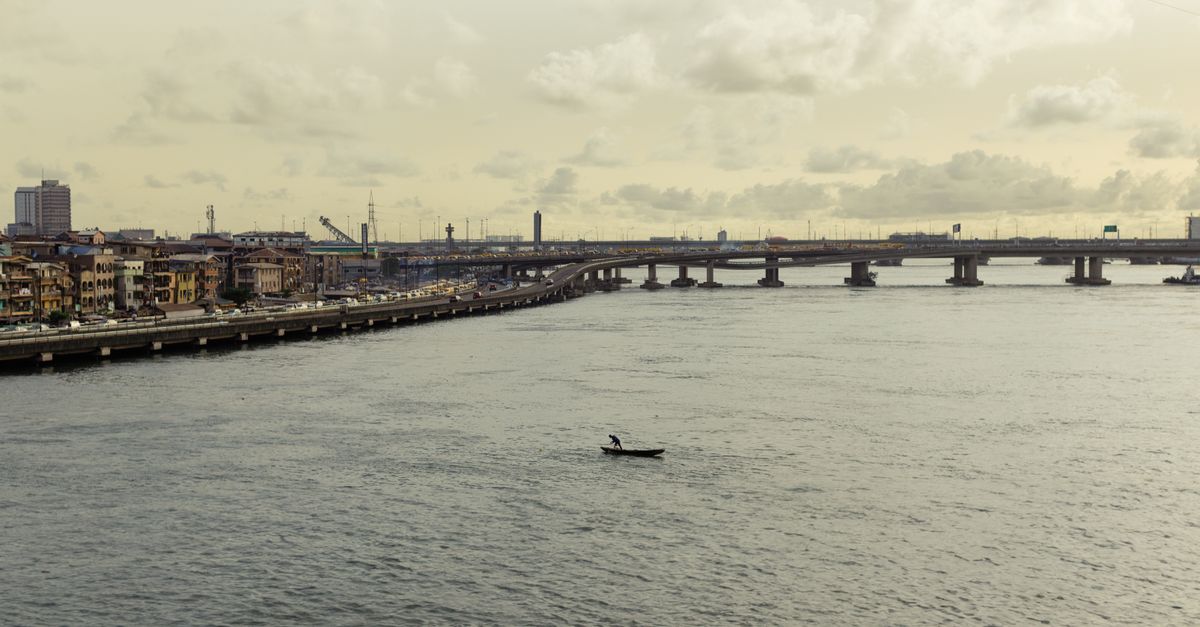
Late Afternoon (3:30 PM) — Lekki-Ikoyi Bridge views: The combination of natural beauty and human history here creates an experience on multiple levels. First-time visitors often focus on the photogenic elements, but the deeper reward comes from understanding why this place exists and what it means to the people who live here. Take your time — the place is not going anywhere.
Evening (6:00 PM) — Victoria Island restaurants: What makes this stop essential is how it connects to Lagos's larger story — a narrative of decisions, ambitions, and compromises that explain why the city looks and feels the way it does. Experiencing it in person adds a dimension that reading about it cannot replicate.
Lekki & Tarkwa Bay
Morning (8:00 AM) — Lekki Conservation Centre canopy walk: The atmosphere builds gradually as you explore — from initial orientation to genuine immersion. Allow at least an hour, more if you read every plaque and peer around every corner. The surrounding streets offer good cafes for a post-visit debrief over coffee or a cold drink. Check opening hours in advance as seasonal schedules vary.
Mid-Morning (10:30 AM) — Tarkwa Bay beach boat trip: This is one of Lagos's defining experiences — photographs cannot fully convey the combination of visual impact and cultural significance. Spend at least 45 minutes here, preferably in the morning when the light is best and crowds are manageable. The views from elevated sections reward the climb, offering a perspective that reframes the city's layout.
Afternoon (1:00 PM) — Lekki Market shopping: Arrive early — by midday the tour groups arrive in force. The atmosphere is best appreciated at a slow pace, with stops to absorb details that reveal themselves only to those paying attention. A local guide can unlock layers of meaning invisible to the uninstructed eye. Budget at least an hour and resist the urge to rush.
Late Afternoon (3:30 PM) — Terra Kulture art center: The combination of natural beauty and human history here creates an experience on multiple levels. First-time visitors often focus on the photogenic elements, but the deeper reward comes from understanding why this place exists and what it means to the people who live here. Take your time — the place is not going anywhere.
Mainland & New Afrika Shrine
Morning (8:00 AM) — Yaba neighborhood walk: The atmosphere builds gradually as you explore — from initial orientation to genuine immersion. Allow at least an hour, more if you read every plaque and peer around every corner. The surrounding streets offer good cafes for a post-visit debrief over coffee or a cold drink. Check opening hours in advance as seasonal schedules vary.
Mid-Morning (10:30 AM) — Computer Village tech market: This is one of Lagos's defining experiences — photographs cannot fully convey the combination of visual impact and cultural significance. Spend at least 45 minutes here, preferably in the morning when the light is best and crowds are manageable. The views from elevated sections reward the climb, offering a perspective that reframes the city's layout.
Afternoon (1:00 PM) — New Afrika Shrine Fela legacy: Arrive early — by midday the tour groups arrive in force. The atmosphere is best appreciated at a slow pace, with stops to absorb details that reveal themselves only to those paying attention. A local guide can unlock layers of meaning invisible to the uninstructed eye. Budget at least an hour and resist the urge to rush.
Late Afternoon (3:30 PM) — Evening suya and live music: The combination of natural beauty and human history here creates an experience on multiple levels. First-time visitors often focus on the photogenic elements, but the deeper reward comes from understanding why this place exists and what it means to the people who live here. Take your time — the place is not going anywhere.
Budget Breakdown (Per Person, 3 Days)
| Category | Budget | Mid-Range | Luxury |
|---|---|---|---|
| Accommodation (3 nights) | NGN 60,000 | NGN 180,000 | NGN 600,000 |
| Food & Drinks | NGN 25,000 | NGN 60,000 | NGN 200,000 |
| Transport | NGN 10,000 | NGN 30,000 | NGN 100,000 |
| Activities | NGN 15,000 | NGN 40,000 | NGN 120,000 |
| Total | NGN 110,000 | NGN 310,000 | NGN 1,020,000 |
Practical Tips for Lagos
Getting Around
BRT buses, Uber/Bolt, danfo minibuses covers most of Lagos. Combine public transport for longer distances with walking for neighborhoods. Download offline maps before arriving. Multi-day transit passes almost always offer better value than single tickets.
When to Visit
Visit Lagos during November-March for comfortable walking weather and accessible outdoor attractions. Shoulder seasons bring fewer crowds and lower prices.
Neighbourhoods to Know
Lagos is often described as a single chaotic whole, but it is really a collection of very different cities pressed together at the edges, each with its own economy, pace, and character. Knowing which part of Lagos you are in — and why — shapes everything from where you eat to how long a journey takes.
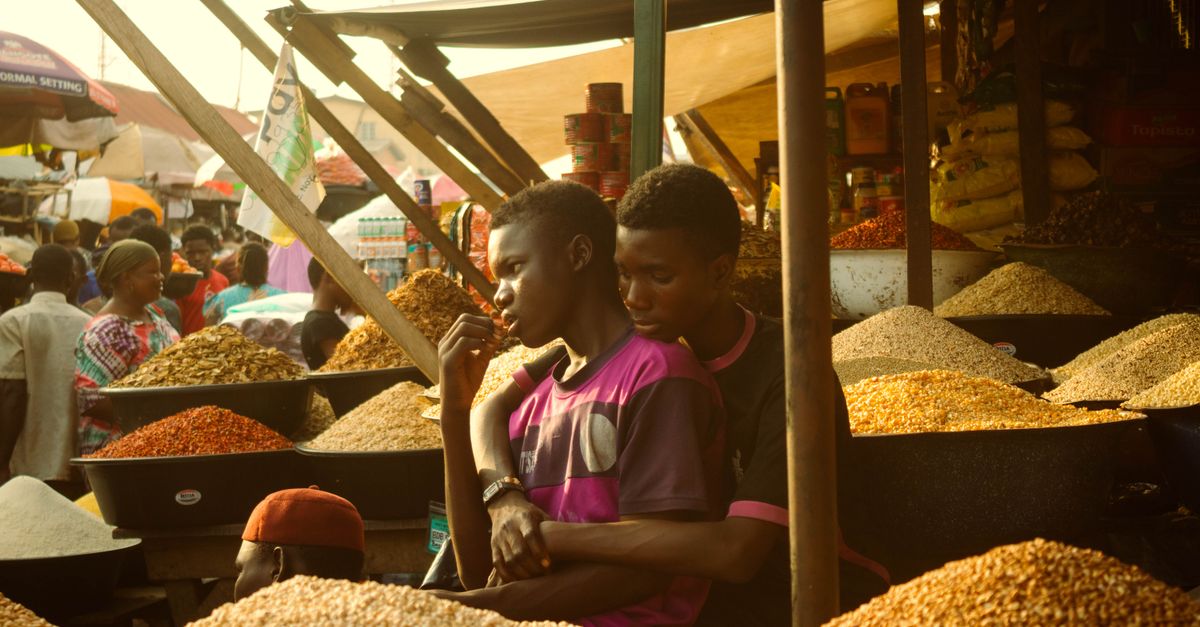
Lagos Island is the oldest part of the city and its financial and commercial heart. The district called Lagos Island Proper — locally called "Isale Eko" — contains the original Yoruba settlement, the colonial-era warehouses and merchant buildings along Lagos Harbour, and the dense street markets of Balogun, where Nigeria's garment trade is concentrated into a labyrinth of narrow lanes. The atmosphere is dense, purposeful, and loud in a way that feels thrillingly alive rather than overwhelming once you get your bearings. The National Museum on Onikan (admission ₦500) holds the finest collection of Benin bronzes outside of European institutions and deserves two hours. Freedom Park, a short walk from the museum, occupies the site of Lagos's former colonial prison and serves as an open-air cultural venue with food stalls around its perimeter.
Victoria Island (VI) is Lagos's business and entertainment district for the formal economy — the towers of the banking sector, the embassies, and the most international concentration of restaurants and bars. It operates on a different budget to the rest of Lagos: a meal at a good VI restaurant costs ₦8,000–20,000, craft cocktails run ₦5,000–8,000, and Uber from VI to the mainland at peak hour can exceed ₦3,000. Ozumba Mbadiwe Avenue and the streets around it contain the neighbourhood's best dining options. The Civic Centre on the waterfront hosts Lagos Fashion Week and regular cultural events — check their calendar.
Lekki Phase 1, extending east from VI across the Lekki-Ikoyi Link Bridge, has evolved from a residential suburb into one of Lagos's most active social zones. The strip along Admiralty Way contains the Nike Art Gallery — a six-floor warren of contemporary Nigerian painting, sculpture, and textile art with no admission charge, though the owner Nike Davies-Okundaye expects visitors to engage genuinely with the work. Lekki Market sells Ankara fabrics, handmade beads, and leather goods at prices that reward unhurried negotiation. The conservation centre's canopy walk, 401 metres long at 22 metres above the ground, is the most dramatic natural experience within the city limits.
Yaba, on the Lagos Mainland, is where the city's youngest energy concentrates. The neighbourhood around Yaba College of Technology hosts startups, maker spaces, street food vendors, and a Saturday market culture that draws from both the middle-class creative scene and the densely populated working-class streets adjacent to it. Suya (skewered spiced beef, ₦1,500–3,000 per portion) grills fire up from about 6 PM along Herbert Macaulay Way and around Computer Village. The New Afrika Shrine — Fela Kuti's rebuilt concert venue in the Ikeja neighbourhood, a 25-minute BRT ride from Yaba — hosts live music on most Friday and Saturday evenings (₦2,000 entry).
Heading to East Africa? Read our Addis Ababa 3-Day Itinerary for your next adventure.