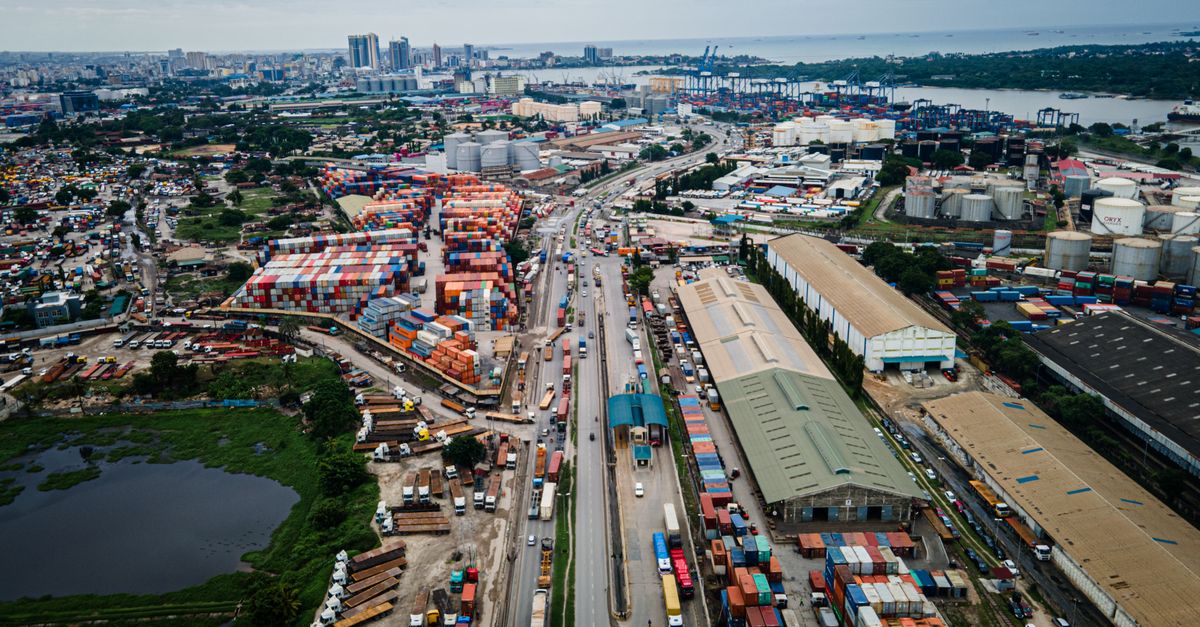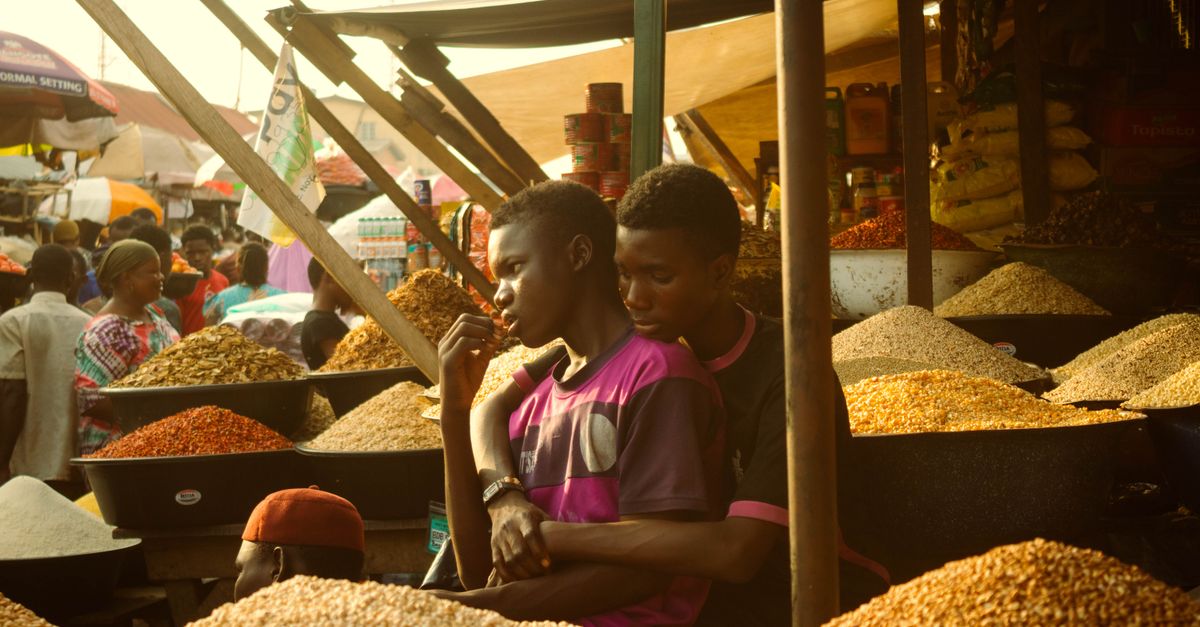
Lagos is the city most people get wrong on the first try. The reputation precedes it — chaos, traffic, scams, energy — and first-time visitors arrive either over-prepared for danger that mostly does not materialize, or under-prepared for the genuine logistical complexity of a 20-million-person megacity. The truth sits between the two extremes. Lagos is not the dystopia of cautionary travel forums, nor is it a city you can wing without research. It is a place that rewards visitors who do their homework and frustrates those who do not.
This guide covers the practical essentials: visa and health prep, airport navigation, how to choose between island and mainland, and the cultural codes that smooth interactions. Lagos rewards visitors who pace themselves, base in the right neighborhood, and accept that traffic will eat at least two hours of every day. Get those things right and Lagos becomes one of the most thrilling cities in Africa — the music, the food, the velocity of life. Get them wrong and you spend three days irritated in traffic.
Before You Arrive
Visa: Nigeria requires a visa for almost all nationalities, and the process is more involved than for most African countries. The e-visa system costs USD 130-200 depending on nationality and processing speed, and applications typically require a letter of invitation from a Nigerian host or hotel. Apply at least three weeks before travel through the Nigeria Immigration Service portal. Visa-on-arrival is technically available for specific business travelers but is not a reliable option for tourists — do not gamble on it.

Some travelers use Nigerian embassies in their home country for traditional visa applications. Processing times vary from one week to one month depending on embassy. Build buffer into your trip planning.
Yellow fever vaccination is mandatory. You will be denied entry without a valid yellow fever certificate. Get vaccinated at least ten days before travel — the certificate is valid for life. Carry the yellow card with your passport at all times.
Malaria is real in Lagos. The disease is endemic and the city is not a low-risk zone. Take antimalarial prophylaxis (atovaquone-proguanil, doxycycline, or mefloquine — consult a travel doctor 4-6 weeks before departure). Pack DEET-based repellent and use it religiously between dusk and dawn. Sleep with windows closed and AC on, or under a mosquito net. The single most common preventable illness for first-time Lagos visitors is malaria, and it is potentially fatal.
Currency: Nigeria uses the naira (NGN) and the currency is volatile. Bring USD or EUR cash for emergencies and large transactions. ATMs in Lagos dispense naira with international cards, but daily withdrawal limits are low and machines frequently run out of cash. Withdraw early in the day at major bank branches (GTBank, First Bank, Zenith). Do not change money at the airport — rates are 10-15% worse than in town.
Other vaccinations: Hepatitis A, typhoid, and tetanus boosters are standard recommendations. Consider rabies pre-exposure if you plan rural travel. Pack a small medical kit with rehydration salts, anti-diarrheals, and any prescription medications in original packaging.
Travel insurance is non-negotiable. Medical evacuation from Lagos costs USD 50,000+ if needed. World Nomads, SafetyWing, and IMG Global all cover Nigeria. Check that your policy includes evacuation, not just treatment.
Getting from the Airport
Murtala Muhammed International Airport (LOS) sits about 22 km from Victoria Island and 18 km from Lekki Phase 1. The airport-to-city transfer is the single most important logistical decision of your first trip — get this wrong and your trip starts badly.

Pre-arranged transfers are essential for first-timers. Confirm with your hotel or Airbnb host before flying that a driver will meet you with a name placard at international arrivals. Cost: NGN 12,000-25,000 to the islands depending on traffic and time. The driver knows the routes, has a vetted vehicle, and saves you the chaos of negotiating a taxi while jet-lagged.
Bolt and Uber work at LOS but the pickup zone changes periodically and rideshare drivers sometimes refuse trips. If you go this route, walk past the terminal touts to the designated rideshare area (ask airport staff for directions). Cross-city rides run NGN 8,000-18,000.
Airport taxis at the official rank quote NGN 15,000-30,000 to the islands. Negotiate before getting in, confirm the price covers all passengers and luggage, and check the vehicle is clearly marked. Avoid unmarked taxis and anyone approaching you inside the terminal — these are unregulated and can be unsafe.
Late arrivals (after 9 PM) should use pre-arranged transfers without exception. Lagos roads at night are not the place for first-time-visitor improvisation.
Getting Around the City
Lagos transport is a system you learn over days, not minutes. For first-time visitors, Bolt and Uber are the practical default. Cross-city rides run NGN 3,500-9,000 depending on distance and time. Use in-app payment to avoid cash disputes, always check the license plate matches the app, and accept that a 10 km journey can take 90 minutes during rush hour.

The BRT (Bus Rapid Transit) system is genuinely useful and underused by visitors. Dedicated bus lanes along the Lekki-Epe and Ikorodu corridors mean BRT often beats Uber during peak traffic. Fares NGN 200-700, top up a Cowry Card at any BRT station. The BRT is air-conditioned, safe, and the cheapest way to move serious distances.
Danfo (yellow minibuses) handle most Lagos commuting at NGN 200-1,000 per ride. Crowded, hot, and disorienting if you do not know routes. Worth one or two trips for the experience once you have your bearings — but watch your phone and wallet, and ask the conductor where the danfo is going before you board.
Keke (tricycle taxis) handle short neighborhood hops at NGN 200-800. Useful in Yaba, Surulere, and Lekki Phase 1.
Walking is fine in Lekki Phase 1, Victoria Island residential streets, and Ikoyi during daylight. Less advisable elsewhere, particularly after dark. Sidewalks are inconsistent and the storm drains are a real hazard.
Renting a car is not recommended. Lagos traffic and driving culture defeat first-time visitors. Hire a driver instead — full-day driver rates NGN 25,000-60,000 plus fuel.
Where to Base Yourself
The single most important first-trip decision in Lagos is island vs. mainland, and within the islands, which one. Get this right and your trip flows; get it wrong and you spend hours in traffic every day.

Lekki Phase 1 is the default first-timer base for good reason. Restaurants, bars, the Lekki Conservation Centre, Nike Art Gallery, and good shopping are all within a small radius. The neighborhood is safer-feeling than most of Lagos, with gated estates and consistent power. Hotels run NGN 35,000-150,000 per night, with mid-range options like The George (NGN 60,000-90,000) and budget options like The Place Hotel (NGN 28,000-45,000). Airbnbs in Lekki run NGN 30,000-100,000+ per night.
Victoria Island (VI) is the financial and diplomatic heart of Lagos — closer to the action, more nightlife, but louder and more traffic-clogged. Hotels NGN 50,000-200,000+, with Eko Hotel and Radisson Blu at the high end. Good for travelers who want walking-distance restaurants and bars.
Ikoyi is the upscale residential island — leafy streets, embassies, art galleries, and a slightly slower pace. Hotels NGN 60,000-180,000. Bogobiri House (NGN 45,000-65,000) is the boutique-budget option. Good for travelers who want calm with island convenience.
Mainland (Yaba, Surulere, Ikeja) is significantly cheaper — NGN 12,000-30,000 for guesthouses, NGN 30,000-80,000 for mid-range hotels. The food and music scenes on the mainland are arguably better than the islands, but traffic between mainland and islands eats hours daily. First-timers usually pick island base; second-timers often discover the mainland.
Local Culture & Etiquette
Lagosians are confident, direct, and generous in equal measure. The social codes here are different from the more reserved hospitality of, say, Nairobi or Cape Town — Lagos rewards visitors who match the energy without losing their footing.

Greetings matter. Always greet before asking a question or making a request. "Good morning, how are you?" before "How much is this?" The greeting can be brief, but skipping it reads as rude. The handshake is firm and held longer than Western norms.
Negotiation is constant. Markets, taxis, casual transactions — the first quoted price is rarely the actual price. Lagos negotiation is a sport, not an insult. Counter with confidence, smile, and walk away if the price will not move. The opening counter at 25-30% of the asking price is standard.
Dress with awareness. Lagos is style-conscious — Lagosians dress sharp, particularly in island restaurants and clubs. You do not need designer wear, but T-shirts and shorts limit access to upscale venues. Bring at least one smart-casual outfit. For mainland markets and daytime sightseeing, comfort is fine.
Photography requires sensitivity. Ask before photographing people. Photographing government buildings, military installations, the airport, and police checkpoints is illegal and your phone can be confiscated. Police checkpoints expect courtesy — slow down, greet, comply.
Tipping is expected: 10% at restaurants if not included, NGN 1,000-3,000 for hotel staff, NGN 3,000-7,000 for guides. Round up taxi fares.
Religion is central. Lagos is roughly half Christian, half Muslim, and both communities are visible and active. Sundays bring church services that block traffic; Fridays bring mosque traffic. Be respectful.
Pace yourself. Lagos energy is real but exhausting. Build downtime into your itinerary. Most first-timers try to do too much in too few days and end up frustrated by traffic.
Common Mistakes to Avoid
1. Arriving without a pre-arranged airport pickup. This is the single most common first-timer error. Murtala Muhammed at night, jet-lagged, surrounded by aggressive touts, is not where you want to be improvising your transport. Confirm a pickup with your hotel or host before you fly. Cost: NGN 12,000-25,000. Worth every naira.
2. Underestimating mainland-island traffic timing. Going from Victoria Island to Ikeja during rush hour can take three hours. Plan island excursions for island days, mainland excursions for mainland days. Never schedule airport runs without a 90-minute buffer.
3. Engaging with area boys. "Area boys" are informal street operators who claim territory in markets, parking lots, and intersections, asking for "settlement" (small payments). The standard response is to acknowledge politely, decline if appropriate, or pay a token amount (NGN 200-1,000) if pressed. Do not argue, do not escalate. Keep walking.
4. Drinking tap water or unverified ice. Stick to sealed bottled water or sachet water. Brush your teeth with bottled water for the first few days. Be cautious with ice in drinks at smaller establishments — at upscale hotels and restaurants it is generally fine.
5. Skipping malaria prophylaxis. "It's just the city, I'll be fine" is the famous last words. Take your medication on the prescribed schedule, before, during, and after the trip.
6. Carrying valuables in danfos and crowded markets. Petty theft happens, particularly in dense crowds. Carry only the cash you need for the day, leave the rest in your accommodation safe. Use a money belt or front pocket. Do not display phones or jewelry on the street.
7. Choosing the wrong neighborhood for your first trip. A "great deal" in Apapa or Mushin can mean unsafe streets and three-hour commutes to anything you want to do. Stay in Lekki, Victoria Island, or Ikoyi for your first Lagos trip. Move to the mainland on your second visit when you know the city.