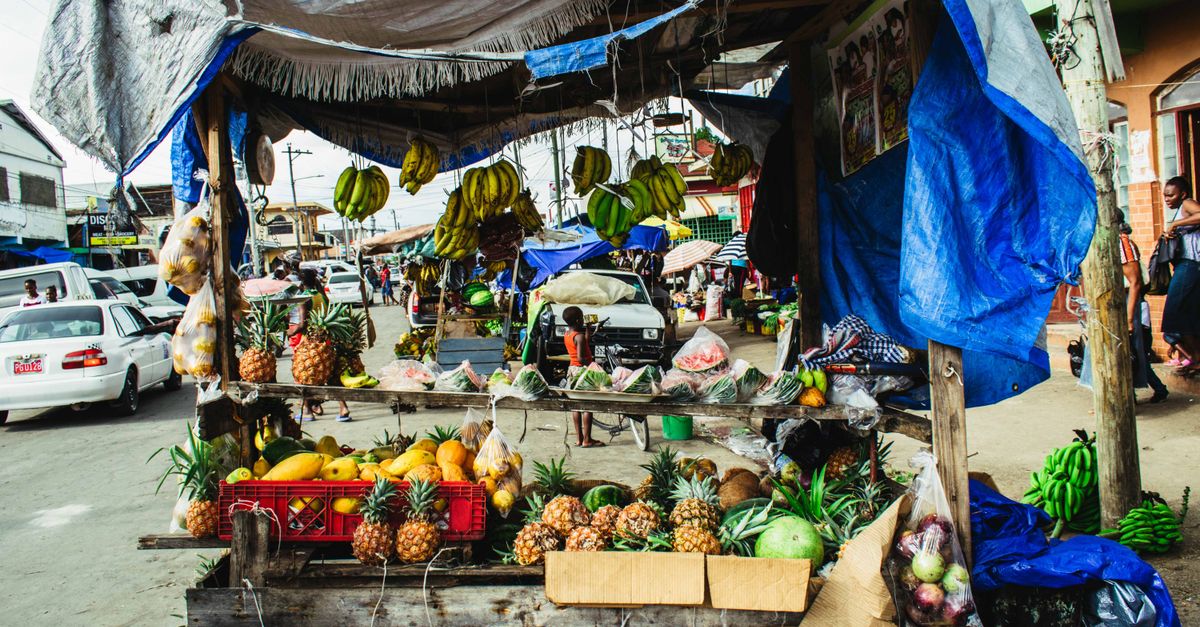
Dar es Salaam exceeds expectations even when expectations are high. What images cannot convey is the texture — the way air feels on your skin at dusk, the aroma that greets you in the central market, conversations flowing in rhythms that belong only to this place.
This itinerary balances the must-see landmarks with quieter neighborhoods where the city's true character emerges. Eat everything, walk everywhere, and talk to strangers. The city rewards curiosity with generosity.

City Center & Markets
Morning (8:00 AM) — National Museum morning: The atmosphere builds gradually as you explore — from initial orientation to genuine immersion. Allow at least an hour, more if you read every plaque and peer around every corner. The surrounding streets offer good cafes for a post-visit debrief over coffee or a cold drink. Check opening hours in advance as seasonal schedules vary.
Mid-Morning (10:30 AM) — Askari Monument plaza: This is one of Dar es Salaam's defining experiences — photographs cannot fully convey the combination of visual impact and cultural significance. Spend at least 45 minutes here, preferably in the morning when the light is best and crowds are manageable. The views from elevated sections reward the climb, offering a perspective that reframes the city's layout.
Afternoon (1:00 PM) — Kariakoo Market experience: Arrive early — by midday the tour groups arrive in force. The atmosphere is best appreciated at a slow pace, with stops to absorb details that reveal themselves only to those paying attention. A local guide can unlock layers of meaning invisible to the uninstructed eye. Budget at least an hour and resist the urge to rush.
Late Afternoon (3:30 PM) — St. Joseph Cathedral: The combination of natural beauty and human history here creates an experience on multiple levels. First-time visitors often focus on the photogenic elements, but the deeper reward comes from understanding why this place exists and what it means to the people who live here. Take your time — the place is not going anywhere.
Evening (6:00 PM) — Kivukoni Fish Market: What makes this stop essential is how it connects to Dar es Salaam's larger story — a narrative of decisions, ambitions, and compromises that explain why the city looks and feels the way it does. Experiencing it in person adds a dimension that reading about it cannot replicate.
Bongoyo Island & Beaches
Morning (8:00 AM) — Boat to Bongoyo Island: The atmosphere builds gradually as you explore — from initial orientation to genuine immersion. Allow at least an hour, more if you read every plaque and peer around every corner. The surrounding streets offer good cafes for a post-visit debrief over coffee or a cold drink. Check opening hours in advance as seasonal schedules vary.
Mid-Morning (10:30 AM) — Snorkeling and beach: This is one of Dar es Salaam's defining experiences — photographs cannot fully convey the combination of visual impact and cultural significance. Spend at least 45 minutes here, preferably in the morning when the light is best and crowds are manageable. The views from elevated sections reward the climb, offering a perspective that reframes the city's layout.
Afternoon (1:00 PM) — Coco Beach afternoon: Arrive early — by midday the tour groups arrive in force. The atmosphere is best appreciated at a slow pace, with stops to absorb details that reveal themselves only to those paying attention. A local guide can unlock layers of meaning invisible to the uninstructed eye. Budget at least an hour and resist the urge to rush.
Late Afternoon (3:30 PM) — Mwenge Carvers Market: The combination of natural beauty and human history here creates an experience on multiple levels. First-time visitors often focus on the photogenic elements, but the deeper reward comes from understanding why this place exists and what it means to the people who live here. Take your time — the place is not going anywhere.
Evening (6:00 PM) — Slipway waterfront evening: What makes this stop essential is how it connects to Dar es Salaam's larger story — a narrative of decisions, ambitions, and compromises that explain why the city looks and feels the way it does. Experiencing it in person adds a dimension that reading about it cannot replicate.
Village Museum & Bagamoyo
Morning (8:00 AM) — Village Museum cultures: The atmosphere builds gradually as you explore — from initial orientation to genuine immersion. Allow at least an hour, more if you read every plaque and peer around every corner. The surrounding streets offer good cafes for a post-visit debrief over coffee or a cold drink. Check opening hours in advance as seasonal schedules vary.
Mid-Morning (10:30 AM) — Bagamoyo historic town day trip: This is one of Dar es Salaam's defining experiences — photographs cannot fully convey the combination of visual impact and cultural significance. Spend at least 45 minutes here, preferably in the morning when the light is best and crowds are manageable. The views from elevated sections reward the climb, offering a perspective that reframes the city's layout.
Afternoon (1:00 PM) — Bagamoyo ruins and old port: Arrive early — by midday the tour groups arrive in force. The atmosphere is best appreciated at a slow pace, with stops to absorb details that reveal themselves only to those paying attention. A local guide can unlock layers of meaning invisible to the uninstructed eye. Budget at least an hour and resist the urge to rush.
Late Afternoon (3:30 PM) — Return for Dar es Salaam seafood: The combination of natural beauty and human history here creates an experience on multiple levels. First-time visitors often focus on the photogenic elements, but the deeper reward comes from understanding why this place exists and what it means to the people who live here. Take your time — the place is not going anywhere.

Budget Breakdown (Per Person, 3 Days)
| Category | Budget | Mid-Range | Luxury |
|---|---|---|---|
| Accommodation (3 nights) | TZS 120,000 | TZS 360,000 | TZS 1,200,000 |
| Food & Drinks | TZS 50,000 | TZS 120,000 | TZS 360,000 |
| Transport | TZS 15,000 | TZS 40,000 | TZS 120,000 |
| Activities | TZS 30,000 | TZS 80,000 | TZS 250,000 |
| Total | TZS 215,000 | TZS 600,000 | TZS 1,930,000 |
Practical Tips for Dar es Salaam
Getting Around
Dalla dalla buses, bajaji, Uber covers most of Dar es Salaam. Combine public transport for longer distances with walking for neighborhoods. Download offline maps before arriving. Multi-day transit passes almost always offer better value than single tickets.
When to Visit
Visit Dar es Salaam during June-October for comfortable walking weather and accessible outdoor attractions. Shoulder seasons bring fewer crowds and lower prices.
Local Culture & Etiquette
Dar es Salaam is overwhelmingly Muslim on the Zanzibar-facing coast and mixed Christian-Muslim in the city centre, which shapes daily rhythms in ways visitors quickly notice. Friday midday prayer empties the Kariakoo area for roughly an hour — plan your market visit for Thursday morning or Saturday to avoid closures. The call to prayer from the Azania Front Lutheran Church and nearby mosques overlapping at dusk is one of the city's most atmospheric soundscapes, best heard from the Kivukoni waterfront.
Swahili greetings carry genuine weight here. "Habari" (news/how are you) and "Sijambo" (I'm fine) open more doors than any amount of cash. Vendors at Mwenge Carvers Market and the Kariakoo stalls respond noticeably warmly to travellers who attempt even basic phrases. Dress modestly when entering mosques — cover shoulders and knees, and remove shoes before the entrance. Women may be offered a wrap at the door; accept graciously. At Kivukoni Fish Market, avoid pointing at fish or produce with a single finger, which is considered rude — use an open hand instead.
Tipping is appreciated but not obligatory. At mid-range restaurants, rounding up the bill or leaving TZS 2,000–5,000 (roughly USD 0.75–2) is standard. For guided tours — such as the Village Museum cultural walk or a Bagamoyo heritage tour — TZS 10,000–20,000 per guide is customary. Taxi and bajaji (auto-rickshaw) drivers do not expect tips, but rounding to the nearest thousand is good practice. Photography of people, particularly women and elders, requires explicit permission — asking first almost always results in a yes, while shooting without asking can cause real offence.
Heading to the Great Lakes? Read our Kigali 3-Day Itinerary for your next adventure.