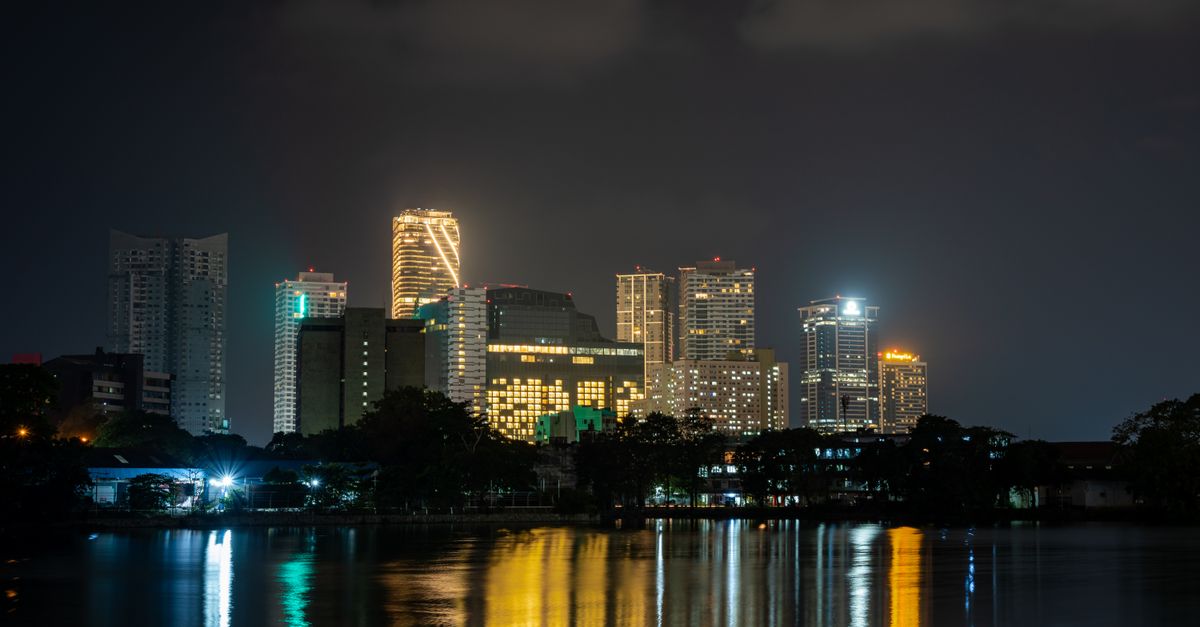
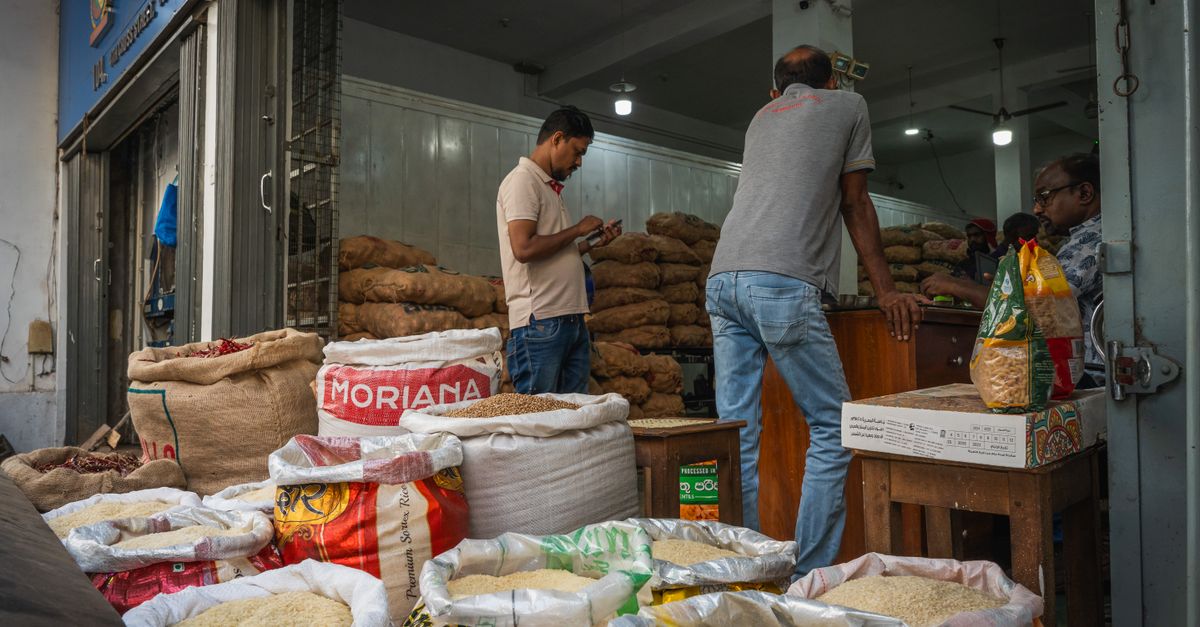
Colombo is one of South Asia's most affordable capital cities, and that gap between value and quality is wider here than almost anywhere on the continent. A traveller who knows where to look can eat three full Sri Lankan meals for under LKR 1,000, sleep in a clean, well-located guesthouse for LKR 2,500–3,500 per night, and spend an entire day exploring the city's forts, temples, markets, and colonial promenades for next to nothing. The trick is to eat where the office workers eat, stay in the neighbourhoods locals actually live in, and move the way Colombo moves — by tuk-tuk, bus, and on foot. This guide covers every layer of budget travel in Sri Lanka's commercial capital without sacrificing a single experience.
Getting There on a Budget
Colombo Bandaranaike International Airport (CMB) sits 30 kilometres north of the city in Katunayake. The cheapest door-to-door option is the Colombo Airport Expressway Bus (Route 187), which departs from the arrivals hall and terminates at Colombo Fort Railway Station for LKR 120 per person. The journey takes 60–90 minutes depending on traffic. Buses run every 30–45 minutes between roughly 5 AM and 11 PM. This is the option every budget-conscious local uses.

The Intercity Express Train from Katunayake Station to Colombo Fort costs LKR 100 in second class and takes 40 minutes. The station is a short tuk-tuk ride from the terminal (LKR 200–300). Trains run approximately every two hours and are the fastest land option when the expressway is gridlocked during rush hour (7–9 AM, 5–7 PM).
Taxis via the PickMe app (Sri Lanka's Grab equivalent) run LKR 2,000–2,800 from the airport to central Colombo. This is significantly cheaper than the airport-licensed taxi counters in the arrivals hall, which typically quote LKR 3,500–5,000. Download PickMe before landing — it works on airport Wi-Fi. Avoid the tout-operated vehicles immediately outside arrivals; they charge tourist rates with no accountability.
If arriving from elsewhere in Sri Lanka, the train network is both the cheapest and most scenic option. The coastal railway from Galle to Colombo Fort costs LKR 190 in second class and offers ocean views along the southern stretch. Buses from Kandy to Colombo (CTB operated) cost LKR 200–250 and run frequently from the Kandy Central Bus Stand.
Inter-city buses between Colombo and major Sri Lankan cities are even cheaper than trains but slower. The private air-conditioned intercity coaches (LKR 300–450) are worth the small premium over the CTB buses for longer journeys — they're faster, more comfortable, and depart on schedule from the Colombo Central Bus Stand near Bastian Mawatha.
Budget Accommodation
Colombo's budget accommodation is concentrated in three areas: Colombo 7 (Cinnamon Gardens), Colombo 6 (Wellawatte), and the Fort/Pettah corridor. Colombo 7 is the most convenient for first-timers — leafy streets, walkable to Galle Face Green and Viharamahadevi Park, and close to the best mid-range restaurants. Wellawatte is quieter, more residential, and has excellent local food options.

Clock Inn Colombo (Colombo 2, near Fort) is the city's best-known budget hostel. Dormitory beds start at LKR 1,800 per night; private rooms with shared bathroom run LKR 3,200–3,800. The rooftop common area has Fort views, the staff know the city well, and the location puts you 10 minutes' walk from Galle Face Green and 15 minutes from Pettah Market. Book ahead — it fills on weekends.
Traveller's Home Colombo in Wellawatte (Colombo 6) offers clean private rooms with air-conditioning for LKR 2,800–3,400 per night. The guesthouse is family-run, breakfast (string hoppers or toast with butter and jam) is included at LKR 350 if you want it added, and the owner provides genuinely helpful neighbourhood recommendations. The beach at Wellawatte is a five-minute walk.
Colombo City Hostel near Colombo National Museum (Colombo 7) has mixed and female-only dorms for LKR 1,600–2,200 and private rooms from LKR 3,000. It's the choice for solo travellers who want to meet others — the common area has good Wi-Fi and the staff organise informal city walks on weekend mornings. Rates include filtered water and free tea throughout the day.
Hostel Colombo on Galle Road (Colombo 3) is a newer property with the best facilities in its price range — en-suite private rooms for LKR 3,500–4,200, fast Wi-Fi, filtered water station, and a small courtyard. The Galle Road location gives you tuk-tuk and bus access up and down the entire coastal corridor.
Eating Cheaply Like a Local
Colombo's food economy runs on the lunch packet — a banana-leaf-wrapped serving of rice and four to six curries, assembled fresh every morning in hundreds of small kitchens across the city and sold from counters, carts, and plastic-bag-covered tables by 11 AM. They cost LKR 250–400 and represent the best calorie-to-rupee ratio in the city. By 1:30 PM the best ones are sold out. The lunch packet shops along Maradana Road, D.R. Wijewardena Mawatha, and around Colombo Fort Station are the city's working heart.

Hotel de Pilawoos on Galle Road (open until 2 AM) is the most famous kottu roti institution in Colombo. Kottu — roti bread chopped and stir-fried with egg, vegetables, and meat on a flat griddle — costs LKR 380–550 depending on the filling. The chicken cheese kottu at LKR 500 is the signature order. The noise of the metal scrapers chopping roti is Colombo's most atmospheric dinner soundtrack.
String hoppers (steamed rice flour noodle nests) with dhal curry and pol sambol (coconut relish) are the classic Sri Lankan breakfast, available at any local restaurant before 10 AM for LKR 150–250. The string hopper shop at the corner of Duplication Road and Castle Street in Colombo 4 opens at 6 AM and closes when they run out, usually by 9:30 AM.
Galle Face Green's evening food vendors (6–10 PM) sell isso wade (shrimp fritters, LKR 100–150 each), rolls (LKR 80–120), corn on the cob (LKR 100), and fresh king coconut (LKR 120). Eating at the seawall watching the sunset is one of Colombo's best free experiences with its own food economy attached.
The Muslim restaurants in Pettah's 2nd Cross Street serve lamb biryani for LKR 400–500 — fragrant, filling, and often the best biryani in the city. Seeni Samanala has operated since the 1970s and the biryani here is the local benchmark. Arrive by noon for the freshest rice. Mutton rolls (deep-fried pastry with curried filling) cost LKR 80–100 and are the ideal street snack before exploring Pettah Market.
For breakfast on the go, roti canai shops in Wellawatte and Bambalapitiya (Colombo 4 and 6) serve flaky, layered roti with dhal for LKR 80–120. The Bambalapitiya Pillawoos on Galle Road does this alongside excellent short eats (deep-fried rolls, cutlets, and pastries) for LKR 60–100 each. Budget LKR 200–300 for a full breakfast here.
Free and Low-Cost Attractions
Galle Face Green is Colombo's defining public space — a six-hectare oceanfront esplanade where families, couples, and food vendors gather every evening. Entry is free. The walk along the seawall at sunset, with the Indian Ocean on one side and the colonial Galle Face Hotel facade on the other, costs nothing and takes 30 minutes.

Pettah Market is Colombo's commercial district and the most visually overwhelming neighbourhood in the city — a tightly packed grid of wholesale shops, street vendors, colonial-era buildings, and mosques that operates at full intensity from 7 AM to 6 PM daily. Entry is free. The Jami Ul Alfar Mosque (Red Mosque) on 2nd Cross Street dates from 1909 and its red-and-white striped facade is one of Colombo's most photographed landmarks. Non-Muslim visitors are welcome outside prayer times.
Viharamahadevi Park (formerly Victoria Park) in Colombo 7 is the city's largest urban park — 24 hectares of mature trees, flowering gardens, and a large pond. Entry is free. The park is most beautiful from February to April when the flowering trees bloom. Families picnic here on weekends and the atmosphere is entirely local.
Colombo National Museum (Sir Marcus Fernando Mawatha, Colombo 7) costs LKR 600 for foreigners and covers Sri Lankan history from ancient kingdoms through colonial periods to independence. The crown jewels of Kandyan kings, a full skeleton of the extinct Lankan elephant species, and the colonial-era artefact collection justify the entry fee easily.
Gangaramaya Temple (Sri Jinaratana Road, Colombo 2) charges LKR 300 entry and is one of the most architecturally interesting Buddhist temples in the country — a hybrid of Sri Lankan, Thai, Indian, and Chinese architectural styles accumulated over a century of international donations. The attached museum holds a remarkable collection of Buddhist artefacts, vintage cars, and religious objects gifted by devotees from across Asia.
Colombo Fort and the Lighthouse area are explorable on foot for free. The Dutch-era Fort ramparts, the Old Parliament building, the Grand Oriental Hotel facade, and the restored Colombo Lighthouse create a concentrated heritage walk that takes 60–90 minutes. The Kayman's Gate area near the Colombo Fort train station preserves some of the best remaining colonial streetscapes.
Getting Around on a Budget
Colombo's bus network is the cheapest way to move across the city — flat fares of LKR 30–80 depending on distance. The main routes run along Galle Road (south–north along the coast) and Union Place / Duplication Road (inland). Buy a token at the conductor, not from the driver. Buses are crowded during rush hours (7:30–9:30 AM and 5–7:30 PM) — avoid them with luggage during these windows.

Tuk-tuks (three-wheelers) are the preferred mode for short hops. Within a single Colombo postal district, a tuk-tuk ride should cost LKR 150–300. Longer cross-city trips run LKR 300–600. Always negotiate the fare before getting in or use the PickMe app for metered pricing — app-based tuk-tuks typically cost 10–20% less than street hailing and eliminate the negotiation entirely.
Walking is viable in Colombo 7 (Cinnamon Gardens area) and along Galle Road between Colombo 3 and Colombo 6. The city is flat, pavements exist on main roads, and the distances between major attractions in these areas are 15–30 minutes on foot. Avoid walking in Pettah with a backpack during market hours — the crowds make pickpocketing more of a risk than in other parts of the city.
The Colombo Commuter Rail covers the coastal line south (to Mount Lavinia, Moratuwa) and north (to Negombo and the airport) cheaply — LKR 30–80 for most stops. This is the fastest and cheapest way to reach Mount Lavinia Beach (20 minutes from Fort, LKR 30) for a half-day beach excursion.
Money-Saving Tips
Eat the lunch packet every day. The LKR 250–400 banana-leaf rice-and-curry packet from a local shop delivers the most authentic and affordable meal in the city. Make this your main meal and spend less on dinner.
Buy king coconuts from roadside vendors. At LKR 80–120 each, fresh king coconut (thambili) is the best hydration option in Colombo's heat. It's safer than tap water, cheaper than bottled water, and available on every busy street corner.
Use PickMe, not street taxis. The app eliminates price gouging entirely. Save the app fare for later comparison — if a street tuk-tuk quotes more than 20% above the PickMe estimate, use the app instead.
Visit Keells Super or Cargills Food City for snacks and water. These supermarket chains have branches across the city and sell bottled water (LKR 80–100 for 1.5L), fresh fruit, and packaged Sri Lankan snacks at normal prices — far cheaper than the convenience stores near tourist guesthouses.
Skip the hotel breakfast. Every hotel charges a premium for breakfast (LKR 500–900 at even budget properties). Walk five minutes to the nearest local bakery or string-hopper shop and eat the same food for LKR 150–250.
Colombo's free attractions are genuinely excellent. Galle Face Green, Pettah Market, Viharamahadevi Park, and the Fort heritage walk collectively deliver a full day of activity with zero entry fees. You do not need paid tours to understand the city's character.
Change money at licensed exchange counters, not banks. Licensed money changers in the Fort area (several along Chatham Street) give better rates than commercial banks and take five minutes rather than 45. Avoid airport exchange counters for large amounts — their margins are the worst in the city.
Travel by train to day-trip destinations. Mount Lavinia (LKR 30, 20 min), Negombo (LKR 80–100, 70 min), and Kandy (LKR 190–400 depending on class, 2.5–3 hrs) are all significantly cheaper by rail than by bus or taxi, and the train journey through the coast and hill country is worthwhile in itself.