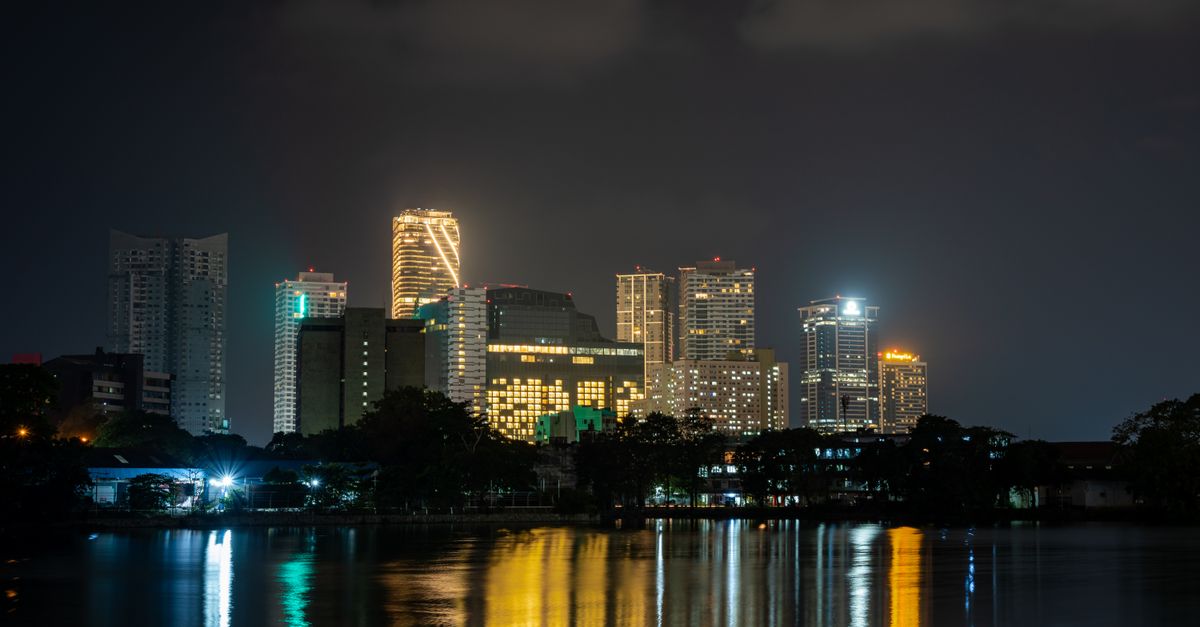
Colombo is Sri Lanka's commercial capital and gateway city — a sprawling coastal metropolis where colonial-era buildings, Buddhist and Hindu temples, and modern skyscrapers share the same chaotic streets. Most travelers rush through to reach beaches and hill country, but three days here reveals a city with genuine character, excellent food, and a post-civil-war energy that's reshaping its identity.
The Sri Lankan rupee (LKR) is the currency. Tuk-tuks with metered PickMe or Uber apps are the easiest transport (LKR 200-500 for most trips). The city sprawls along the coast — the key areas are Fort (colonial center), Pettah (market district), and Galle Face (waterfront promenade).

Fort, Pettah & Galle Face
Morning (8:00 AM) — Fort District Walk: The colonial core has Dutch and British-era buildings, including the Old Parliament, Colombo Lighthouse, and the Cargills department store building. Walk along Chatham Street and York Street for the best-preserved colonial architecture.
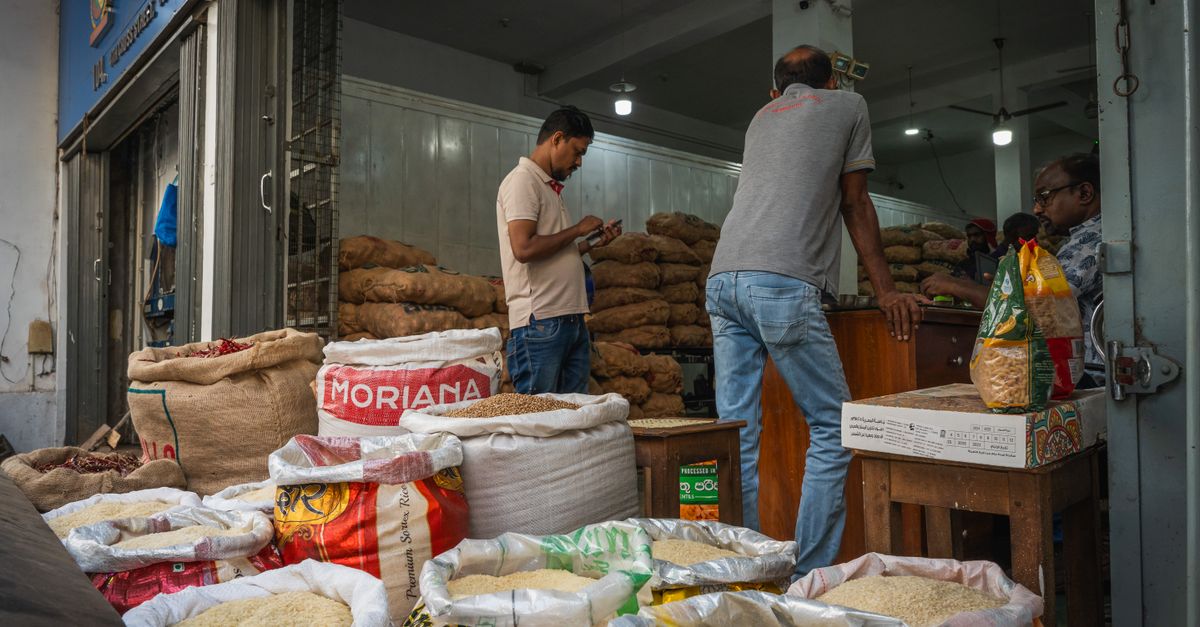
Mid-Morning — Pettah Market: Cross into Colombo's most chaotic and colorful district. Pettah is a labyrinth of market streets organized by trade — one street for electronics, another for textiles, another for spices. The noise and energy are overwhelming in the best way. Budget 90 minutes.
Afternoon — Gangaramaya Temple: This eclectic Buddhist temple (LKR 300) near Beira Lake combines Sri Lankan, Thai, Indian, and Chinese architectural elements. The museum inside is a fascinating collection of religious artifacts. The adjacent Seema Malaka floating temple on Beira Lake is Colombo's most photogenic building.
Evening — Galle Face Green: Colombo's oceanfront promenade comes alive at sunset with food vendors selling isso wade (shrimp fritters, LKR 100-150), rolls (LKR 80-120), and fresh fruit juice (LKR 150-200). Walk the promenade, eat from vendors, and watch cricket matches on the green.
National Museum, Temples & Colombo 7
Morning — National Museum: Sri Lanka's largest museum (LKR 600) in a grand colonial building. The collection spans prehistoric tools to Portuguese-era artifacts to the regalia of the Kandyan kings. The throne of the last King of Kandy and the 9th-century bronze Tara statue are highlights. Allow 2 hours.
Midday — Red Mosque & Hindu Temples: Jami Ul-Alfar Mosque in Pettah is a striking red-and-white striped building from 1909 — one of Asia's most distinctive mosques. Then visit the Kovil (Hindu temple) on Sea Street, colorful with dravidian gopuram towers. Colombo's religious diversity is visible in a single street.
Afternoon — Colombo 7 (Cinnamon Gardens): The upscale residential district has tree-lined avenues, cafes, and the Independence Memorial Hall (free). Walk through Viharamahadevi Park, then browse the boutiques and galleries on Ward Place. Coffee at Barefoot Cafe (LKR 500-700) in a gorgeous garden courtyard.
Evening — Ministry of Crab: Colombo's most famous restaurant, run by cricket legends. The lagoon crab (LKR 3,000-6,000 depending on size) is served in garlic, chili, or pepper preparations. Book 2 days ahead. Worth the splurge even on a budget trip.
Mount Lavinia, Markets & Departure
Morning — Mount Lavinia Beach: A 30-minute tuk-tuk ride south (LKR 500-700) brings you to Colombo's best beach. Swim, walk the sand, and have breakfast at the colonial Mount Lavinia Hotel — their beach terrace serves hoppers (bowl-shaped rice pancakes) with curry for LKR 800-1,200.
Midday — Good Market (Weekend) or Floating Market: If it's Saturday, the Good Market at Racecourse Grounds showcases local organic food, crafts, and sustainable products. Otherwise, visit the Pettah Floating Market on Beira Lake for a unique shopping experience.
Afternoon — Dutch Hospital & Old Colombo: This restored 17th-century Dutch colonial hospital is now a shopping and dining complex. Browse for Ceylon tea, spices, and batik. The adjacent World Trade Center area has modern malls if you need last-minute shopping.

Practical Tips
Sri Lanka operates on the Sri Lankan rupee (LKR). ATMs are widely available in Colombo and tourist areas. Credit cards are accepted at hotels and upscale restaurants but cash is essential elsewhere. The electronic travel authorization (ETA, $50) must be obtained online before arrival. Tipping is appreciated — 10% at restaurants if no service charge is included.
Sri Lanka is compact — you can drive coast to coast in 6-7 hours. Trains are the most scenic transport option, especially the Colombo-Kandy and Kandy-Ella routes through tea plantations. Buses are cheap (LKR 50-200 for most routes) but crowded. Tuk-tuks with PickMe or Uber apps are the best urban transport. Hiring a car with driver (LKR 5,000-8,000/day) is the most comfortable way to explore.
The weather follows two monsoon patterns — the southwest monsoon (May-September) affects the west and south coasts, while the northeast monsoon (October-January) affects the east coast. There's always a dry side of the island. Colombo's best weather is January-March. Sri Lankan food is hot — seriously hot. Start mild and adjust upward.
Neighbourhoods to Know
Colombo is not one city but many, each district with a distinct personality shaped by trade, religion, and colonial history. Understanding which neighbourhood to base yourself in — and what each offers — transforms a generic city visit into a genuine exploration of Sri Lankan urban life.
Fort and Pettah form the historic commercial core. Fort was built by the Portuguese in the 16th century, expanded by the Dutch, and finally inherited by the British, who gave it the grand colonial streetscape that still stands today. Chatham Street and York Street are the finest stretches. Pettah, immediately inland from Fort, is the city's wholesale market district — a sensory overload of narrow lanes where entire streets are dedicated to single trades: one for electronics, another for textiles, a third for spices. The Old Dutch Hospital on Hospital Street (now a dining complex) marks the transition between the two areas.
Cinnamon Gardens (Colombo 7) is the city's most elegant neighbourhood — wide avenues shaded by rain trees, colonial bungalows behind garden walls, boutique cafes, and the National Museum. Ward Place and Maitland Crescent have the best cafe strip: Gallery Cafe (once Geoffrey Bawa's office, mains LKR 1,200-2,200) and Barefoot Cafe (LKR 500-700) are the standouts. Viharamahadevi Park, Colombo's largest green space, anchors the neighbourhood.
Colombo 3 (Kollupitiya) is the city's most accessible upscale district for visitors — a mix of five-star hotels, the Crescat Boulevard mall, and street-food vendors along Galle Road selling isso wade (shrimp fritters) and pol roti (coconut flatbread) for LKR 80-150. The area between Galle Road and the ocean is the most pleasant for evening walks. Further south, Bambalapitiya and Wellawatte are middle-class residential areas with excellent hole-in-the-wall kottu roti shops (LKR 200-350) that locals swear are better than any tourist restaurant.
Mount Lavinia, technically its own municipality but functionally Colombo's southern suburb, offers the city's best beach access. The Mount Lavinia Hotel (a colonial governor's residence turned luxury hotel) has a beach terrace where hoppers with curry are served at breakfast (LKR 800-1,200). The Sunday beach market along the coast road is a relaxed local scene — families, kite flyers, and coconut vendors rather than tourist infrastructure.
Best Times to Visit & Budgeting
Timing your visit matters enormously for both weather and crowds. Peak tourist seasons bring higher prices, sold-out accommodations, and crowded attractions. Shoulder seasons (the weeks just before and after peak) often deliver the best balance — good weather, manageable crowds, and reasonable prices. Off-season travel is the cheapest but check for monsoon rains, extreme heat, or seasonal closures.
Budget planning for three days should account for accommodation (30-40% of total), food (20-25%), transport (15-20%), activities and entrance fees (15-20%), and a contingency buffer (10%). The biggest savings come from choosing accommodations wisely — a well-located mid-range hotel that eliminates taxi costs can be cheaper than a budget hotel in a remote area plus daily transport.
Travel insurance is non-negotiable. A single hospital visit in most Asian countries costs more than a year of comprehensive travel insurance (0-80 for a 2-week trip). Ensure your policy covers emergency medical evacuation — this is the expensive scenario that justifies the premium. Download your policy documents to your phone for offline access.
Currency exchange tips: ATMs generally offer better rates than airport exchange counters. Withdraw larger amounts less frequently to minimize per-transaction fees. Carry some US dollars (0-100) as universal backup — they're accepted in emergencies across most of Asia. Notify your bank of travel plans to prevent card blocks. Use a travel-specific card (Wise, Revolut) for the best exchange rates and lowest fees.
Download essential apps before arriving: Google Maps (with offline maps for your destination), Google Translate (with offline language packs), the local ride-hailing app (Grab for Southeast Asia, DiDi for China, Uber/Ola for India), and your accommodation booking confirmation. A portable battery pack (10,000-20,000 mAh) keeps your phone alive through a full day of navigation, photography, and ride-hailing.