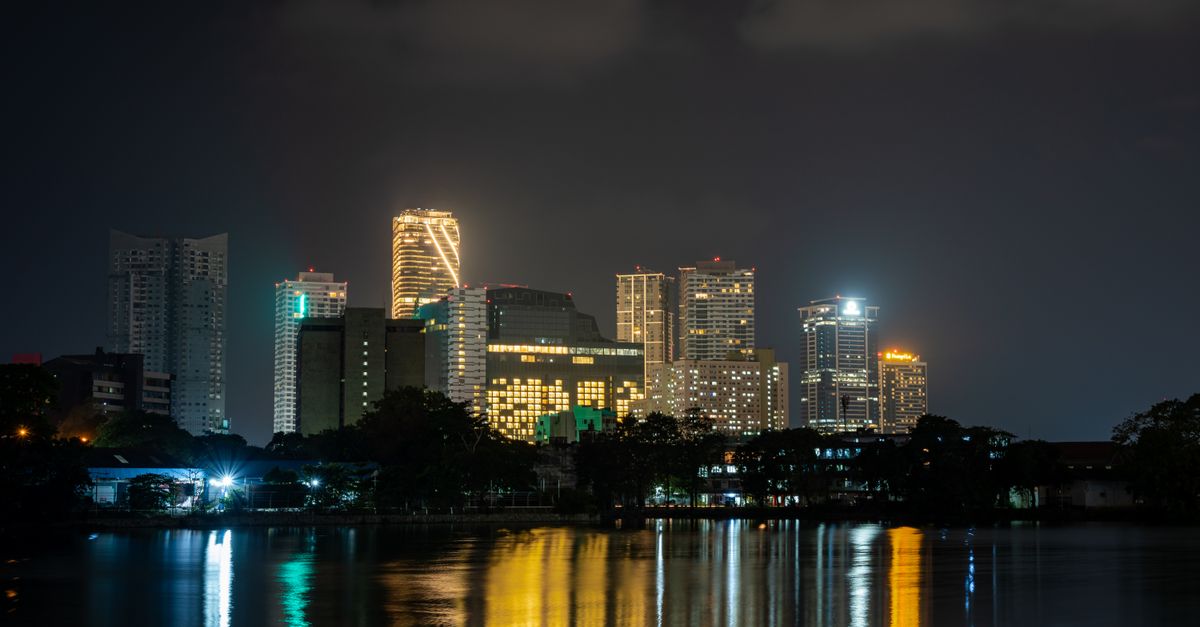
Colombo is the kind of city that reveals itself slowly. It lacks the obvious landmark architecture of Singapore or Bangkok, the colonial grandeur of Yangon, or the street food chaos of Kuala Lumpur — at first approach it can seem like a city of traffic and scaffolding with nothing in particular to offer. This first impression is completely wrong. Colombo is one of South Asia's most cosmopolitan cities: a place where Dutch, Portuguese, British, and indigenous Sinhalese, Tamil, Moor, and Burgher cultures have layered onto each other for 400 years and produced something genuinely unique. The city's food, architecture, and social life reward those who explore its different neighborhoods rather than staying in the Galle Face Green hotel corridor.
This guide is for travelers who want to understand Colombo rather than pass through it. Sri Lanka's tourism infrastructure pushes visitors south to the beach zones and ancient sites within hours of landing, and most oblige. Those who stay discover one of the most interesting mid-sized cities in Asia: a city of extraordinary markets, a cricket culture that defines national identity, a literary tradition that produced Nobel laureate writers, and a waterfront that has been in continuous commercial use since the Arab traders arrived in the 8th century.
Ten places in Colombo where the city's actual character comes through — from the world's best cinnamon market to a swimming pool that doubles as a heritage monument.

1. Pettah Market — The Most Intense Kilometer in Sri Lanka
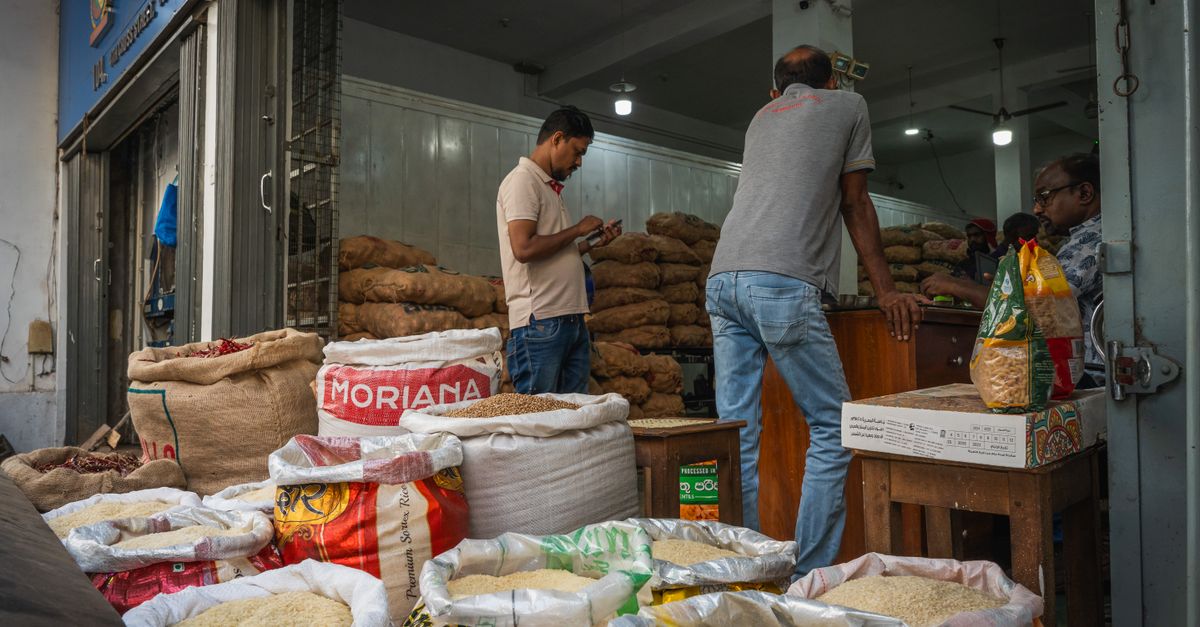
Pettah is Colombo's main market district and is, by a significant margin, the most energetically dense urban experience in the country. Walking into Pettah from the Fort area is like crossing a threshold — the formalized city becomes, suddenly, an overwhelming cascade of goods, people, handcarts, three-wheelers, and volume. Every lane in Pettah specializes: the brassware lane, the fabric lane, the electronic components lane, the ayurvedic herbs lane, the sari lane. The Main Street and 1st Cross Street intersection is one of the best street photography intersections in Asia — six different modes of transport navigating the same space with a coordination that defies description.
The specific section most visitors miss is the Old Pettah wholesale district along Sea Street and its extensions, where the Indian Ocean trading economy that has operated here since the 14th century is still nominally functional — jewelers, spice wholesalers, and textile merchants in buildings that mix Dutch-era vaulting with Victorian-era shophouse fronts. The Sri Ponnambalavanesar Kovil (a Hindu temple of extraordinary craftsmanship) on Sea Street, with its towering gopuram (gateway tower) decorated with hundreds of painted deity figures, is one of Colombo's finest buildings and is surrounded by the jewelers who have always clustered around temples in the Tamil commercial tradition.
Pettah is directly east of Fort, the colonial-era commercial center of Colombo. Any tuk-tuk or bus from the city center will drop you at its western edge. Free to walk. Most active 8am–6pm; some wholesale sections from 4am. The Friday market day is the most intense. Visit on a weekday morning for manageable crowds. Bring only what you need — pickpocketing is a minor risk in the densest sections. The best lunch in Pettah is from the rice-and-curry stalls on 3rd Cross Street: a complete banana-leaf meal costs LKR 250–350.
The Grand Mosque in the heart of Pettah, one of Colombo's largest and most beautiful, can be visited by non-Muslim visitors outside prayer times with respectful dress. The surrounding Malay Street area has the best Muslim food in Colombo: the kottu roti stalls here produce the city's finest version of this distinctly Sri Lankan dish, which involves shredded roti being cooked with spices on a hot griddle in a percussive spectacle that you hear before you see.
2. Colombo National Museum — The Room with the Lion Throne
The Colombo National Museum is one of South Asia's most important, housing the royal regalia of Sri Lanka's last king (Kandy, deposed by the British in 1815), an extraordinary collection of Buddhist sculpture spanning two millennia, and the most complete collection of Dutch-era Ceylonese artifacts outside the Netherlands. Yet it attracts a fraction of the visitors that go to the national museums of neighboring countries, partly because Sri Lanka's tourism industry steers visitors toward the ancient cities rather than Colombo. The museum's building itself, a neoclassical structure completed in 1877, is beautiful — the entrance hall with its collection of ancient stone inscriptions is the finest museum entrance in South Asia.
The Room of the Kandyan Royal Regalia is the museum's crown jewel in every sense. The Lion Throne of the last king, Vikrama Rajasinha, is a masterpiece of Kandyan craft — carved and gilded wood with ivory inlay, looking as though it was made yesterday despite being over 200 years old. Adjacent to it, the state crown and ceremonial weapons of the Kandyan court represent the full splendor of a kingdom that preserved its independence against European colonizers for 300 years before falling to the British through treachery rather than military defeat. Standing in front of these objects and understanding their history is deeply moving.
Colombo National Museum is at Sir Marcus Fernando Mawatha in Colombo 7 (Cinnamon Gardens area), accessible by tuk-tuk (LKR 200–300 from Fort) or bus. Entry LKR 1,000 for foreigners, with English audio guide available for LKR 500 additional. Open Monday–Saturday 9am–5pm, Sunday 9am–5pm. Closed public holidays. The museum library (free, separate entrance on the south side) has the finest collection of Sinhala language manuscripts and British-era documentation of Sri Lanka in existence — researchers welcome.
The surrounding Cinnamon Gardens neighborhood (Colombo 7) is worth a walk: the wide avenues lined with old rain trees, the colonial villas now housing embassies and the President's residence, and the Viharamahadevi Park (free, open daily) with its large golden seated Buddha and cricket ground create an atmosphere entirely different from the commercial and market areas of Pettah and Fort.
3. Galle Face Green at Dawn — The Urban Commons
Galle Face Green, the broad expanse of seafront grass running south from Fort, is technically famous — it's where Sri Lankans gather, where kite-flying happens, where street food vendors set up at evening. But in the morning, it's something more intimate: joggers, walking clubs, couples on benches, and the extraordinary spectacle of the Indian Ocean at dawn when the fishing boats are returning and the light turns the water from black to gold to green. The 500-meter walk along the sea wall at this hour, with the Colombo skyline behind you and the open ocean ahead, costs nothing and is one of the city's great free pleasures.
The food vendors who set up on the inland edge of Galle Face Green from around 4pm serve the finest selection of Sri Lankan street food in the city: isso vadai (prawn fritters), isso watte (prawn curry on the shell), isso rolls, and the devastatingly good Ceylon cinnamon-spiced corn that is rolled in butter and eaten hot from the husk. The evening crowd here is genuinely local — families, young couples, cricket fans listening to matches on portable radios — and the atmosphere is the most democratic social space in Colombo.
Galle Face Green runs along Galle Road between Fort and the Galle Face Hotel, in Colombo 3. Free to access. The sea wall path is most atmospheric 5:30–7:30am. The evening food stalls open from 4pm and peak 6–8pm. The ocean-facing terrace of the historic Galle Face Hotel (built 1864, the oldest hotel in Asia east of Suez) serves cocktails at sunset from LKR 1,800–2,500 — expensive by local standards but the view of the Indian Ocean from this terrace, with a gin and tonic and the sun going down over the fishing boats, is a specifically colonial-era pleasure that has not yet been redesigned for Instagram.
The Colombo Lighthouse at the north end of Galle Face Green, operational since 1952 and reaching 34 meters, is one of the city's landmarks but can only be viewed externally. The adjacent Dutch hospital (1681, recently converted to a restaurant and retail complex) is one of the most important colonial-era buildings surviving in South Asia and worth a visit for the architecture even if the restaurants inside are overpriced.
4. Kelaniya Raja Maha Vihara — The Temple That Predates History
Kelaniya Raja Maha Vihara, 12km east of Colombo center, is one of the three most sacred Buddhist temples in Sri Lanka — the legend holds that the Buddha himself visited this site on his third visit to Sri Lanka and the dagoba (stupa) enshrines an emerald throne on which he sat. The temple has been rebuilt and restored many times since its traditional founding date of 500 BCE, but the current structure and the murals inside are 20th century and are remarkably fine — the narrative fresco cycle inside the main image house, depicting events from the Buddha's life and from Sri Lankan Buddhist history, is the most ambitious and successful Buddhist painting project in modern Sri Lanka.
The Kelaniya temple is busy during the full moon poya days (Sri Lankan public holidays on each full moon) and during the Duruthu Perahera procession in January. At other times it is primarily frequented by local devotees and largely unknown to foreign visitors, despite being as important (and in many ways more beautiful) than the overcrowded Gangaramaya temple in Colombo proper. The grounds are extensive and beautifully maintained, with a large Bo tree (descended from the tree under which the Buddha gained enlightenment), flowering gardens, and meditation halls where practice continues throughout the day.
Kelaniya is accessible by public bus (Bus 240 or 243 from Pettah bus station, LKR 40, 30 minutes) or taxi (LKR 700–900). Free to enter. The main image house is open 6am–10pm. Morning puja (7–8:30am) involves monks chanting and the ceremonial watering of the Bo tree — one of the most moving regular rituals at any Sri Lankan temple. Dress modestly (covered shoulders and knees, remove shoes within the grounds).
The river road west from Kelaniya back toward Colombo passes through the traditional fishing communities of the Kelani River — outrigger canoes, riverside fish markets, and the drying racks that process the balachaung (dried sprat) that forms the foundation of Sri Lankan cuisine. A detour through this area adds 30 minutes to the return journey but is worth it for the visual texture of the river life.
5. Borella's Kanatte Cemetery — Colonial History in a Garden
Kanatte, the main public cemetery in Colombo, is not a standard tourist attraction and is included here not for morbid reasons but because it is one of the finest examples of colonial-era landscape design in South Asia, and because its population of the dead tells a more honest story of Colombo's social history than any museum. The British and Dutch colonial sections have tombstones from the 17th and 18th centuries, the inscriptions recording the deaths of merchants, colonial officers, and missionaries in the same city that their counterparts' descendants still live in. The Tamil, Sinhalese, Muslim, and Burgher sections show the demographic complexity of the city's population in a single landscape.
The Burgher community — descendants of Dutch and Portuguese colonizers who intermarried with local communities — have their own section with elaborate Victorian-era graves that reflect a community that was once Colombo's professional and administrative backbone and is now dispersed across Australia and Europe. Walking through the Burgher section is a reading of social history: the lawyers, doctors, school principals, and railway managers of early 20th-century Colombo, their lives summarized in stone in ways that no archive quite captures. The cemetery is also one of Colombo's best bird-watching locations, with several species of parrot, many kingfishers, and the occasional serpent eagle using the old trees for hunting.
Kanatte Cemetery is in Borella, Colombo 8, accessible by tuk-tuk or bus (Bus 138 from Pettah). Free to enter. Open 6am–6pm. Dress respectfully. The cemetery is particularly beautiful in the early morning when the dew is still on the grass and the light is soft. The main entrance on Baseline Road is marked. The oldest sections are in the northwest corner. A self-guided walk takes about an hour; more if you read inscriptions.
The Borella neighborhood around the cemetery has several excellent rice-and-curry restaurants that serve the Sri Lankan working lunch (a full banana-leaf meal with rice, three or four curries, and papadum) for LKR 300–450. The lunch rush (12–1:30pm) is when these places are most alive — sharing a table with office workers from the nearby hospital complex is the standard format.
6. Manning Market at 4am — Sri Lanka's Wholesale Food Spine
Manning Market, east of Pettah in the Norris Canal area, is Colombo's main wholesale vegetable and fruit market — the point where produce from across Sri Lanka arrives to be distributed to the city's retail markets, restaurants, and homes. Between 2 and 7am it operates at full intensity, with truckloads of kingcoconut (the distinctive orange Sri Lankan drinking coconut), jackfruit, pineapple, dried fish, and the extraordinary variety of Sri Lankan agricultural produce changing hands in a vast covered shed illuminated by fluorescent lights and the flash of smartphone cameras from buyers checking their stock.
The particular items to look for at Manning Market: rambutan from the Kurunegala district in red season (June–July), the small Sri Lankan banana varieties that don't export but are vastly more flavorful than the Cavendish, fresh turmeric root (brighter yellow and more pungent than the dried powder), and the various forms of dried Maldive fish (umbalakada) that are the fundamental flavor base of Sri Lankan cooking. A tour of the market and a conversation with one of the fish wholesalers who speaks English will teach you more about Sri Lankan food culture than any cooking class.
Manning Market is on Manning Place off Norris Canal Road, Colombo 10. Taxi from Fort area costs LKR 300–400. Most active 2–7am; open until about 10am. Free to walk through. No tourist infrastructure whatsoever. The food stalls that feed market workers open at 3am and serve the best string hoppers (idi appam) and coconut sambol in Colombo at LKR 80–120 per portion. If you can manage to be there at 4:30am, you'll find one of the most energetic and authentic urban food experiences in South Asia at a price that makes the tourist restaurant equivalent look absurd.
The adjacent Maradana district, around the railway station, has Colombo's best breakfast restaurants serving traditional Sri Lankan morning food: pittu (steamed cylinders of rice flour and coconut), pol roti (coconut flatbread), and the breakfast curry that is the Sri Lankan equivalent of a full English — heavy, restorative, and deeply satisfying at 5am after the market.

7. Dehiwala-Mount Lavinia — The Old Beach Town
Mount Lavinia, 12km south of Colombo, is famous for its grand Colonial-era hotel (the Mount Lavinia Hotel, built 1806 as the Governor's residence) and its beach. What's less known is that the village of Dehiwala, immediately north of Mount Lavinia, has one of the most interesting fishing community cultures on the western coast — the Kattumaran (catamaran) fishing tradition maintained by the families here dates back centuries, and the boats used today are more or less the same outrigger design that Arab traders encountered when they first arrived on this coast. The pre-dawn beach launch, when 20–30 fishing boats push off simultaneously through the surf, is one of the most spectacular regular events on the western coast and completely free to watch.
The Dehiwala fish market, about 200 meters from the beach launch area, operates from the boats' return (typically 8–11am) and has the freshest seafood in Colombo at prices that reflect the absence of tourist infrastructure. Yellowfin tuna, seer fish (wahoo), garfish, and squid from the morning catch are sold directly from the boats or from the adjacent wholesale stalls. The fish restaurants on the beachfront road cook your purchase on the spot for LKR 200–400 per kilo preparation fee — among the best value seafood meals in Sri Lanka.
Dehiwala is accessible by bus from Colombo Fort (Bus 148, LKR 40, 30 minutes) or train from Fort Station (every 20 minutes, LKR 20–30, 25 minutes to Dehiwala Station). The beach at Mount Lavinia south of Dehiwala is the most swimmable near Colombo — safe year-round on the southwest monsoon's lee side (November–April), with beach restaurants operating from open sheds on the sand. The Mount Lavinia Hotel terrace at sunset serves cocktails (LKR 1,500–2,000) with an incomparable view of the Indian Ocean and is one of the most civilized sunset experiences in the country.
The Dehiwala Zoo (Sri Lanka's main zoo, immediately east of Dehiwala train station) is occasionally criticized but has a genuinely strong conservation program for Sri Lanka's endemic species including the threatened Sri Lankan leopard and the endangered purple-faced langur. Worth a morning visit for those interested in the island's biodiversity, particularly the remarkable elephant morning exercise at 8:30am that is the zoo's most dramatic feature.
8. Gangaramaya Temple's Museum — The Most Eclectic Collection in Sri Lanka
Gangaramaya Temple on Beira Lake is one of Colombo's main Buddhist temples and is reasonably well-visited. Its attached museum, however, is one of the strangest and most fascinating collections in Asia: accumulated over decades by the late chief monk Nayaka Thero, it includes vintage cars, ivory carvings, crystal chandeliers, antique clocks, Buddhist statuary from across Asia, Thai golden Buddha images, Japanese porcelain, a collection of donor-gifted oddities from devotees worldwide, and a replica of the Kaaba in Mecca made from wax. The combination is completely incoherent and entirely wonderful — it reflects the accumulation of a life of receiving gifts, the generosity of the temple's international donor community, and a fundamentally Sinhalese curatorial philosophy that values abundance over curation.
The main temple building has beautiful examples of contemporary Sinhalese Buddhist art — the painted image house walls, the gilded Buddha images, the intricate wood and lacquerwork of the shrine furniture. The annual Navam Perahera procession in February, centered on Gangaramaya, is one of Colombo's great events: dozens of elephants in ceremonial regalia, hundreds of costumed dancers and musicians, and the full ceremonial equipment of Sri Lankan Buddhism carried through the streets on a route around Beira Lake. It draws hundreds of thousands of people and starts at 9pm.
Gangaramaya is on Sri Jinaratana Road in Colombo 2, adjacent to Beira Lake, 15 minutes walk from Fort or LKR 200 tuk-tuk. Temple free; museum LKR 200. Open daily 6am–10pm. The temple's vegetarian restaurant, operating on the lake terrace at lunchtime (12–2pm), serves genuine temple food (rice, dal, several vegetable curries, coconut sambol) at dana (donation) prices — you pay what you can afford. This is one of Colombo's finest lunches and costs essentially nothing if you're operating on a budget.
Beira Lake, surrounding Gangaramaya, is Colombo's central urban lake and has been significantly cleaned up in recent years. The Seema Malakaya meditation island on the lake (connected to Gangaramaya by a bridge) is a modernist Buddhist structure designed in 1978 — all glass and geometric concrete shapes in a genuinely accomplished piece of architectural design that has nothing in common with the temple next door and everything in common with the Beira Lake setting it rises from.
9. Barefoot Café and Gallery — Colombo's Creative Heart
Barefoot, at 704 Galle Road in Colombo 3, is one of those shops that became a cultural institution without trying. The ground floor sells beautiful handloom textiles designed by Barbara Sansoni (the Sri Lankan designer who created Barefoot's distinctive aesthetic in 1964 and still oversees it at over 80) — bags, napkins, tablecloths, clothing — in colors and patterns that are distinctly Sri Lankan without being tourist-kitsch. The prices are fair for the quality. But the back courtyard is where Barefoot became iconic: a garden café and gallery that has been hosting Colombo's artists, writers, and intellectuals since the civil war era, when it functioned as one of the few public spaces where Sri Lankans from different communities could sit together without incident.
The café serves the best chocolate cake in Colombo (LKR 450 a slice, made from Sri Lankan chocolate), a good coffee, and Sri Lankan snacks that are prepared with the care that the rest of the operation suggests. The gallery rotating exhibitions feature Sri Lankan contemporary artists — some well-known, some emerging — in a space that takes the work seriously. On weekend mornings, the courtyard fills with Colombo's creative community in a configuration that will remind visitors from other cities of the particular social life that only happens in certain independently-owned cultural spaces.
Barefoot is at 704 Galle Road, Colombo 3, a 20-minute walk south from Galle Face Green or LKR 200 tuk-tuk. Open Monday–Saturday 10am–7pm, Sunday 11am–5pm. The café is most animated Saturday morning. The gallery has regular evening openings for exhibitions — check their Facebook page. The fabric section has items starting from LKR 500 for small pieces; larger textile pieces LKR 2,000–8,000. Their color combinations are genuinely distinctive and not available elsewhere.
The Galle Road southbound from Barefoot passes through the most interesting stretch of Colombo 3 — the Colpetty and Bambalapitiya neighborhoods have the city's best independent restaurants, bakeries, and the Colombo Library (a colonial building now used for the largest second-hand book sale in Sri Lanka, held monthly). The bakeries here, some operating since the 1940s, produce the extraordinary Sri Lankan baked goods that the Portuguese introduced and the local palate transformed: coconut rolls, love cake, and the devastating lamprais (rice and curry sealed in a banana leaf and baked) that is one of the Burgher community's greatest gifts to Sri Lankan cuisine.
10. Colombo's Kovil Circuit — The Tamil Heritage Trail
Sri Lanka's Tamil community, whose presence in Colombo predates the British colonial era, has maintained a remarkable network of Hindu temples (kovil) across the city that together represent some of the finest Dravidian temple architecture in the Indian Ocean region. The Sri Kathiresan and Sri Balaselwanatha Kovils on Sea Street in Pettah — twin temples that face each other across the street during the annual Vel festival procession — are the most architecturally spectacular, but the kovil at Sea Street is only the most visited of a circuit that extends across the city's Tamil neighborhoods.
The Muttumari Amman Kovil in Kotahena, north of Pettah, is dedicated to the goddess of epidemics and is the site of the Vel festival's climax — a fire-walking ceremony in which devotees demonstrate devotion through physical ordeal. The kovil at Wellawatta in south Colombo, serving the densest Tamil residential neighborhood in the city, is active daily and reveals the full calendar of Tamil Hindu practice. The gopurams (entrance towers) of these temples, each decorated with hundreds of painted stucco deity figures, are among the finest examples of this tradition outside Tamil Nadu.
The kovil circuit is self-guided and requires no entry fees at any temple. Dress modestly (covered shoulders and knees, remove shoes). Photography is generally permitted in the grounds; ask before photographing inside the main sanctuary during active puja. The Vel festival (usually June–July, following the lunar calendar) brings the kovil circuit alive in a way that permanent visits don't capture — hundreds of thousands of devotees, silver chariots pulled through the streets, and the fire-walking ceremonies that require months of preparation and days of fasting from the participating devotees. This is one of Colombo's great annual events and is completely open to respectful spectators.