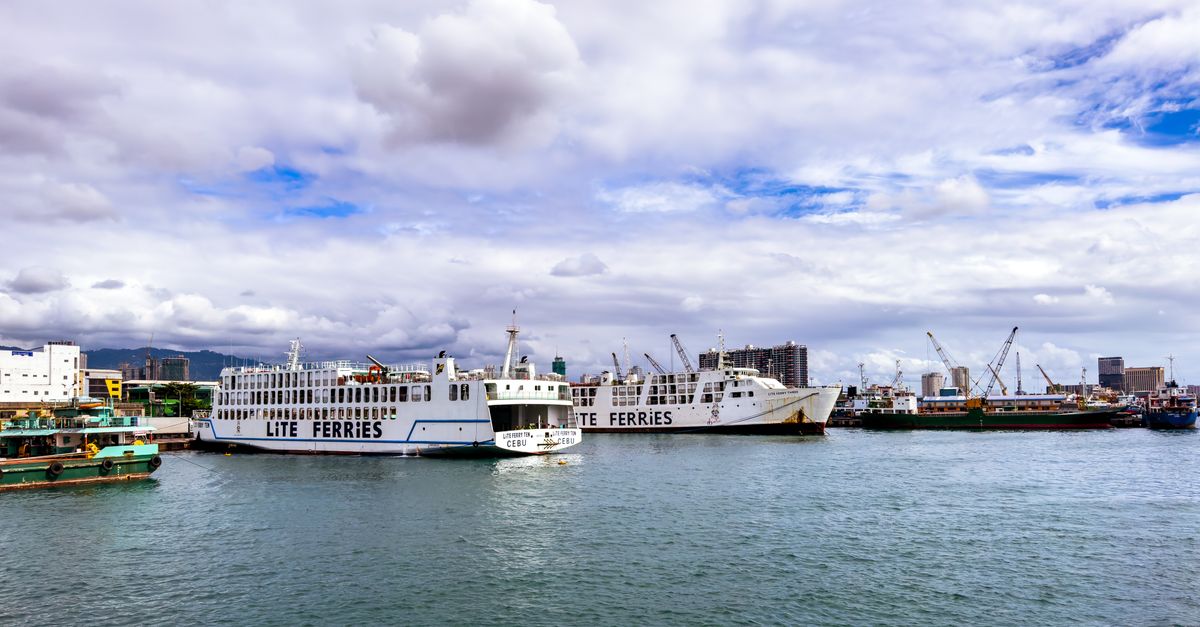
Cebu is the Philippines' second city and the gateway to the Visayas — the island chain that represents the country at its most beautiful. Cebu City has Spanish colonial history, including Magellan's Cross and the oldest church in the Philippines, while the island's southern coast offers whale shark encounters and the famous Kawasan Falls canyoneering. Three days splits between city heritage, underwater experiences, and waterfall adventures.

Cebu City Heritage & Temples
Morning (8:00 AM) — Magellan's Cross & Basilica del Santo Nino: Magellan planted a cross here in 1521, marking the Philippines' introduction to Christianity. The cross is housed in a chapel next to the Basilica del Santo Nino (free) — the oldest church in the Philippines, housing a statue of the Holy Child brought by Magellan. The Sinulog festival in January draws millions.
Midday — Carbon Market: Cebu's oldest and largest market is organized chaos — fresh fish, produce, flowers, and cooked food across multiple blocks. Eat puso (hanging rice) with grilled fish at the food stalls (PHP 50-80). The dried fish section is pungently authentic.
Afternoon — Tops Lookout & Temple of Leah: Drive up to Tops Lookout (PHP 100) for panoramic views of Cebu City and the strait. Nearby, the Temple of Leah — a Roman-inspired temple built as a love monument — is kitschy but photogenic (PHP 50).
Evening — Larsian BBQ: Cebu's most famous street food market — outdoor grills serving chicken, pork, and seafood skewers at plastic tables. Point at the meat you want, it's grilled to order. Budget PHP 150-300 with rice and drinks. The atmosphere is lively and the pork belly is exceptional.
Whale Sharks & Kawasan Falls
Early Morning (3:00 AM departure) — Oslob Whale Sharks: The 3-hour drive south reaches Oslob by dawn for whale shark watching (PHP 1,000, snorkeling with the gentle giants). Sessions are 30 minutes in the water. Controversial due to feeding practices — research and decide for yourself. The alternative is Donsol (wild encounters, seasonal only).
Midday — Kawasan Falls: Thirty minutes north of Oslob, these turquoise waterfalls in a jungle canyon are Cebu's natural highlight. The canyoneering adventure (PHP 1,500-2,500, 4 hours) involves jumping from cliffs, swimming through canyons, and rappelling down waterfalls — ending at the main Kawasan pool. For a gentler visit, hike to the falls directly (PHP 45 entry) and swim in the turquoise pool.
Evening — Return to Cebu City: The drive back takes 3-4 hours. Dinner at House of Lechon for Cebu-style roasted pig (PHP 250/plate) — stuffed with lemongrass, the skin crisps to perfection.
Island Hopping or City Day
Option A — Island Hopping: Boats from Mactan Island (30 minutes from Cebu City) visit Hilutungan Marine Sanctuary (snorkeling, PHP 100 entry), Nalusuan Island (overwater boardwalk), and Pandanon Island (white sand, crystal water). Group tours PHP 1,500-2,500/person including lunch.
Option B — Mactan Island: The island connected to Cebu City by bridges has resort beaches, the Mactan Shrine (where Magellan was killed by Chief Lapu-Lapu), and guitar factories — Mactan is famous for handmade guitars (PHP 3,000-15,000). Shangs Resort allows day use of their beach (PHP 1,000-2,000).
Evening — IT Park Food Scene: Cebu's IT district has the city's trendiest restaurants and bars. The Sugbo Mercado night market (Thursday-Sunday) has dozens of food stalls — everything from ramen to Filipino-Mexican fusion at PHP 100-250/dish.

Day Trips from Cebu
Cebu's location at the heart of the Visayas makes it one of Southeast Asia's most rewarding island-hopping bases. The island itself offers adventure enough for a week, but the surrounding archipelago — reached by fast ferry, bangka (outrigger boat), or short domestic flight — contains some of the Philippines' most spectacular scenery. A day's effort opens up white-sand islands, colonial towns, and dive sites that rank among the Pacific's best.
Bohol is the most popular day trip, and the combination of attractions justifies the ferry ride. FastCat and OceanJet run hourly departures from Pier 1 in Cebu City to Tagbilaran (PHP 350-450, 2 hours). From the port, hire a multicab or join a group tour (PHP 1,200-1,800/person) covering the Chocolate Hills — 1,268 perfectly symmetrical grass-covered mounds that turn brown in the dry season — the Philippine Tarsier Sanctuary (the world's smallest primates, thumb-sized with enormous eyes), and the 16th-century Baclayon Church. Budget PHP 1,500-2,500 for the day including transport and entrance fees.
Malapascua Island is a three-hour journey north of Cebu City (bus to Maya port PHP 170, bangka PHP 100) but delivers the Philippines' most reliable thresher shark diving. Thresher sharks surface at Monad Shoal every morning at 5-6 AM to be cleaned by wrasse fish — the dive (PHP 1,200-1,500 with equipment rental) is a bucket-list underwater encounter available nowhere else in Southeast Asia with such consistency. The island itself is tiny and beautiful, with talc-white sand and clear water. Staying overnight and catching the early dive is worth the extra cost.
Camotes Islands — a cluster of four low-key islands reachable by ferry from Danao port north of Cebu City (PHP 200, 2 hours) — are the anti-Boracay: no crowds, no resorts beyond simple guesthouses, and lakes, caves, and beaches that see a fraction of the visitors they deserve. Lake Danao is a freshwater lake in the island's centre where you can kayak through mangroves. Santiago Bay has powdery white sand and no beach bars demanding minimum spend.
For those wanting the fastest reward, Mactan Island is connected to Cebu City by two bridges and reachable in 20 minutes by taxi or Grab. The Mactan Shrine marks the site where Cebuano chief Lapu-Lapu killed Ferdinand Magellan in 1521 — the first recorded defeat of a European colonial force in Asian history. Bantayan Island further north (4 hours by bus and ferry, PHP 300) is frequently cited by Filipinos themselves as the most beautiful beach in Cebu province: blindingly white sand, crystal-clear shallow water, and a fishing community that has resisted resort development. Go before the secret gets out.
Practical Tips
The Philippines is Southeast Asia's most welcoming country — Filipinos' warmth, humor, and English proficiency make it the easiest destination for first-time Asian travelers. The Philippine peso (PHP) offers good value — budget PHP 2,500-5,000/day for mid-range travel. ATMs are available in cities and tourist areas; cash is essential in remote islands.
Island-hopping logistics require flexibility. Domestic flights (Cebu Pacific, Philippine Airlines) connect major islands cheaply but delays are common. Ferries range from comfortable (2GO Travel) to adventurous (local pump boats). The best months are November-May (dry season). The typhoon season (June-October) can disrupt travel plans, especially in the Visayas and northern Luzon.
Filipino food culture is deeply social — every gathering involves food. When invited to eat, accept enthusiastically. 'Kain tayo!' (Let's eat!) is the national invitation. Tipping is appreciated but not obligatory — 10% at restaurants is standard. Filipino humor is self-deprecating and infectious — go along with it and your trip will be richer for the human connections.
Best Times to Visit & Budgeting
Timing your visit matters enormously for both weather and crowds. Peak tourist seasons bring higher prices, sold-out accommodations, and crowded attractions. Shoulder seasons (the weeks just before and after peak) often deliver the best balance — good weather, manageable crowds, and reasonable prices. Off-season travel is the cheapest but check for monsoon rains, extreme heat, or seasonal closures.
Budget planning for three days should account for accommodation (30-40% of total), food (20-25%), transport (15-20%), activities and entrance fees (15-20%), and a contingency buffer (10%). The biggest savings come from choosing accommodations wisely — a well-located mid-range hotel that eliminates taxi costs can be cheaper than a budget hotel in a remote area plus daily transport.
Travel insurance is non-negotiable. A single hospital visit in most Asian countries costs more than a year of comprehensive travel insurance (0-80 for a 2-week trip). Ensure your policy covers emergency medical evacuation — this is the expensive scenario that justifies the premium. Download your policy documents to your phone for offline access.
Currency exchange tips: ATMs generally offer better rates than airport exchange counters. Withdraw larger amounts less frequently to minimize per-transaction fees. Carry some US dollars (0-100) as universal backup — they're accepted in emergencies across most of Asia. Notify your bank of travel plans to prevent card blocks. Use a travel-specific card (Wise, Revolut) for the best exchange rates and lowest fees.
Download essential apps before arriving: Google Maps (with offline maps for your destination), Google Translate (with offline language packs), the local ride-hailing app (Grab for Southeast Asia, DiDi for China, Uber/Ola for India), and your accommodation booking confirmation. A portable battery pack (10,000-20,000 mAh) keeps your phone alive through a full day of navigation, photography, and ride-hailing.