Kyoto's food culture is Japan's most refined. A millennium as imperial capital produced kaiseki — the multi-course culinary art — alongside Buddhist vegetarian cuisine and market street food that still thrives. Kyoto cooking emphasizes subtlety, seasonality, and pristine ingredients enhanced rather than overwhelmed.
The city observes a strict lunch-dinner gap. Most kitchens close at 2 PM and reopen at 5:30 PM. Plan around these windows.

Street Food & Markets in Kyoto
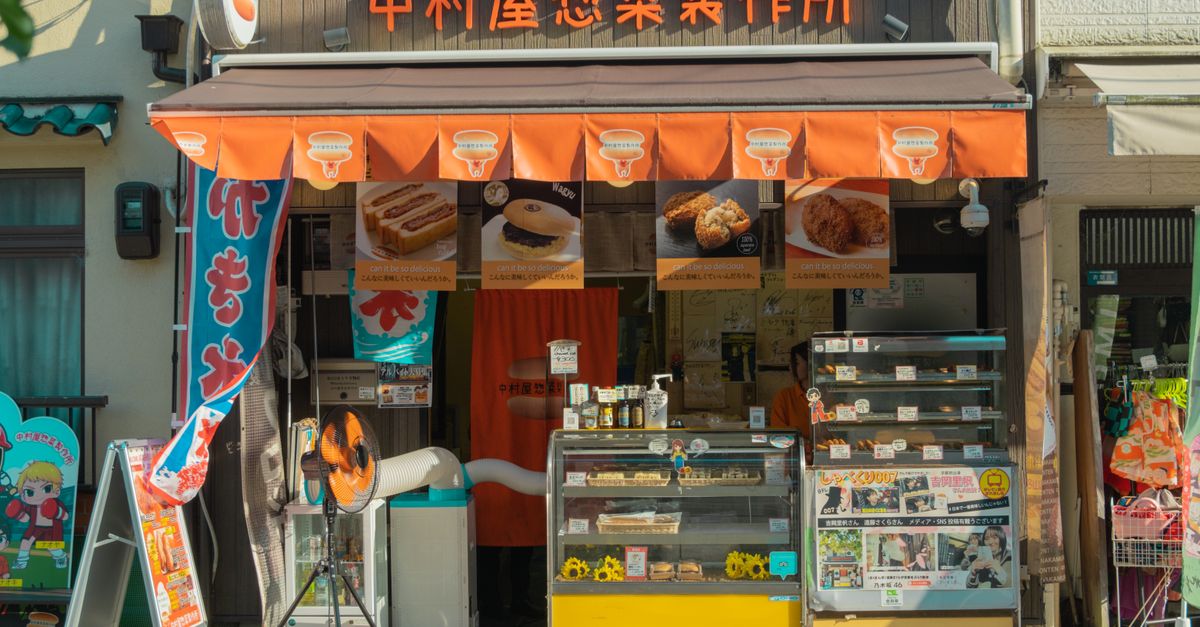
Kyoto's street food culture lives in two concentrated zones: Nishiki Market and the temple approach paths (sando) that lead to major shrines and temples. The sando at Fushimi Inari, Kinkaku-ji, and Arashiyama are lined with food stalls selling snacks designed to be eaten while walking — a rare exception to Japan's unwritten rule against eating in public spaces.
Nishiki Market is a five-block covered alley off Shijo-dori, running east-west through central Kyoto. Over 100 vendors have operated here for centuries — the market's nickname is "Kyoto's Kitchen." The most popular stops include Mochitsuki Kineya for fresh-pounded kinako mochi (¥200-400), the tofu and yuba shops in the market's western third, and Aritsugu — a 500-year-old kitchen knife shop where watching the sharpeners work is free entertainment. Budget ¥1,500-2,500 for a proper market graze hitting five to six stalls. Arrive before 11 AM for the best selection; the market closes around 5 PM with some stalls finishing earlier.
Along the Fushimi Inari sando, stalls sell sparrow (suzume) skewers — a local delicacy that surprises most visitors. The charcoal-grilled birds are crispy and savoury, sold for ¥700-900 per skewer. For something less confronting, kitsune (fox) themed sweets and dango (sweet rice dumplings, ¥200-300) are everywhere near the shrine. The climb through ten thousand torii gates is more enjoyable when fuelled by snacks bought at the base.
Arashiyama's Nakamise shopping street near Tenryu-ji Temple has matcha soft-serve (¥400-600), warabi mochi (bracken starch jelly dusted in kinako, ¥300-500), and seasonal fruit daifuku — whole strawberry or persimmon wrapped in sweet bean paste and mochi. Kyoto Arashiyama Yudofu Okutan serves a riverside tofu set outside their restaurant for a slightly reduced price compared to indoor dining (¥2,000 versus ¥2,600).
Gion's Hanamikoji Street has a more restrained approach to food — the machiya townhouses are geisha teahouses, not food stalls. But the side streets off Hanamikoji have small standing bars serving Kyoto-style oden (simmered vegetables and fish cakes in dashi, ¥150-300 per piece) from counter windows, ideal for a quick snack while exploring the neighbourhood at dusk.
Must-Try Dishes in Kyoto
1. Yudofu (Simmered Tofu) — ¥1,500-¥2,500
Silky soft tofu simmered in kombu dashi with ponzu and grated ginger. Mountain spring water makes Kyoto tofu uniquely delicate. Nanzenji Junsei near Nanzen-ji serves it in a garden setting — a full set with sides runs ¥2,500.
2. Kaiseki Ryori — ¥4,500-¥30,000
Multi-course haute cuisine: 7-14 small seasonal dishes with meticulous presentation. Full evening kaiseki costs ¥15,000-¥30,000, but lunch at Giro Giro Hitoshina starts at ¥4,500 with English chef explanations at a counter seat.
3. Matcha Parfait — ¥950
Uji matcha ice cream, jelly, shiratama mochi, and red bean layered into elaborate parfaits. Tsujiri on Shijo-dori has served matcha since 1860 — their parfait delivers intense, uncompromised green tea flavor.
4. Nishin Soba — ¥1,100
Buckwheat noodles in hot dashi topped with sweet-simmered herring. Kyoto-only — the fish absorbs soy-mirin glaze through hours of braising. Matsuba on Shijo-dori has served this since 1861.
5. Obanzai (Home Cooking) — ¥500-¥800/dish
Small plates of simmered vegetables, pickles, grilled tofu, and seasonal fish in glass cases at the counter. Choose 3-4 dishes with rice and miso. Look for restaurants with obanzai visible in the case — that signals authenticity.
6. Kyo-Wagashi (Sweets) — ¥300-¥1,200
Handcrafted confections that change each season — sakura mochi in spring, chestnut yokan in autumn. Kagizen Yoshifusa in Gion since 1865. Pair with whisked matcha in their tea room for ¥1,200.
7. Yuba (Tofu Skin) — ¥800-¥2,800
Delicate film skimmed from heated soy milk. Kyoto's version is creamier than elsewhere. Try as sashimi with wasabi at Tousuiro — ¥800 for sashimi, ¥2,800 for a full course.
8. Kyoto Ramen — ¥850-¥900
Creamy chicken broth (tori paitan) with chewy noodles. Menya Inoichi near Kyoto Station serves the benchmark for ¥900. For pork, Ramen Sen no Kaze does shoyu tonkotsu for ¥850.
Where to Eat in Kyoto
Nishiki Market — Budget Grazing
Over 100 vendors across five blocks. Budget ¥1,500-¥2,500 for a full market lunch at 5-6 stalls. Open daily 9 AM-5 PM, some closed Wednesday. Arrive before 11 AM for best selection.
Pontocho Alley — Mid-Range with Views
Narrow riverside lane with dozens of intimate restaurants. Reserve a yuka seat at Pontocho Robin — obanzai set ¥2,800 with Kamogawa views. Most restaurants ¥2,000-¥5,000 per person.
Gion Area — Special Occasion
Giro Giro Hitoshina offers counter-seat kaiseki — lunch ¥4,500, dinner ¥6,500. Reserve 3+ days ahead. For tatami kaiseki, Kikunoi Roan near Kodaiji starts at ¥8,000 lunch.

Eating Etiquette in Kyoto
Japanese dining etiquette is specific but logical. Say 'itadakimasu' (I humbly receive) before eating and 'gochisousama' (thank you for the meal) when finished. Slurp noodles — it cools them and is considered polite. Never stick chopsticks vertically in rice (it resembles funeral incense). Don't pass food chopstick-to-chopstick (another funeral association). Rest chopsticks on the holder provided, not across your bowl.
Tipping is not practiced in Japan and can be considered insulting. Service is included in all prices. The quality of service you receive in Japan — from convenience stores to Michelin-starred restaurants — is consistently exceptional without any expectation of additional payment.
Convenience stores (konbini) in Japan sell food that would qualify as a proper meal in most countries. 7-Eleven, FamilyMart, and Lawson offer onigiri (rice balls, ¥100-¥200), bento boxes (¥400-¥600), sandwiches, hot chicken, and excellent coffee. A konbini breakfast or lunch saves ¥500-1,000 compared to a restaurant and lets you allocate your food budget toward a memorable dinner.
Vending machines are everywhere in Japan — not just drinks but hot food, fresh eggs, and even ramen. Hot canned coffee (¥100-¥150) from a vending machine on a cold temple morning is one of Japan's small pleasures. The machines accept coins and IC cards (Suica/ICOCA).
Planning Your Food Exploration
The most rewarding food experiences come from planning meals around the local eating schedule rather than forcing your own rhythm onto a foreign city. Most Asian cities eat early — breakfast stalls open at dawn and close by 9 AM, lunch service peaks at noon and ends by 2 PM, and dinner starts at 5-6 PM. Night markets and street food stalls offer the best evening options, typically running from 6 PM until 10 PM or later.
Budget allocation matters. Spend 30-40% of your food budget on one memorable meal — a signature local restaurant, a cooking class, or a fresh seafood dinner. Allocate the rest to street food, markets, and casual local restaurants where the authentic flavors live. This strategy ensures you taste both the refined and the everyday versions of the local cuisine without breaking the bank.
Photography etiquette at food stalls and small restaurants varies by culture. In most of Asia, photographing your food is completely normal and even expected. Photographing the cook or the stall itself — ask first with a smile and gesture. Most vendors are flattered; a few prefer not to be photographed. In sit-down restaurants, photograph freely but be discreet about photographing other diners.
Food allergies and dietary restrictions require preparation. Write your restrictions in the local language (Google Translate helps) and show the note at each restaurant. Common allergens like peanuts, shellfish, and gluten appear in unexpected places — soy sauce contains wheat, fish sauce is in many Thai and Vietnamese dishes, and peanuts appear in Indonesian, Malaysian, and Chinese cooking. Communicate clearly and ask about ingredients rather than assuming from the menu description.
The single best food investment in any Asian city is a cooking class. For 5-50, you'll visit a local market, learn 4-6 dishes hands-on, and gain techniques that let you recreate the flavors at home. The market tour alone — learning to identify local herbs, spices, and produce — transforms your understanding of the cuisine for every subsequent meal during your trip.