Kyoto was Japan's imperial capital for over a thousand years. With 1,600 Buddhist temples, 400 Shinto shrines, and 17 UNESCO World Heritage Sites packed into a compact valley, three days demands strategic planning. This itinerary moves geographically to minimize transit and maximize time at sites that reward early arrivals.
A one-day bus pass costs ¥700 and covers all city routes. Most temples close at 5 PM sharp. Spring cherry blossom and autumn foliage seasons double accommodation prices and require advance temple bookings.

Eastern Kyoto — Fushimi Inari, Kiyomizu-dera & Gion
Morning (6:30 AM) — Fushimi Inari Shrine: The iconic tunnel of vermillion torii gates stretches 4 kilometers up Mount Inari. At dawn, you share trails with joggers and praying locals only. The full hike takes 2-3 hours round trip. Entry is free. By 9 AM, tour buses arrive and the lower trails become congested.
Late Morning (10:00 AM) — Kiyomizu-dera: This wooden temple perches on a cliff supported by 139 pillars assembled without a single nail. Panoramic views over Kyoto from the main stage. Entry ¥400. Walk downhill through Ninenzaka and Sannenzaka, preserved lanes lined with tea houses and ceramic shops.
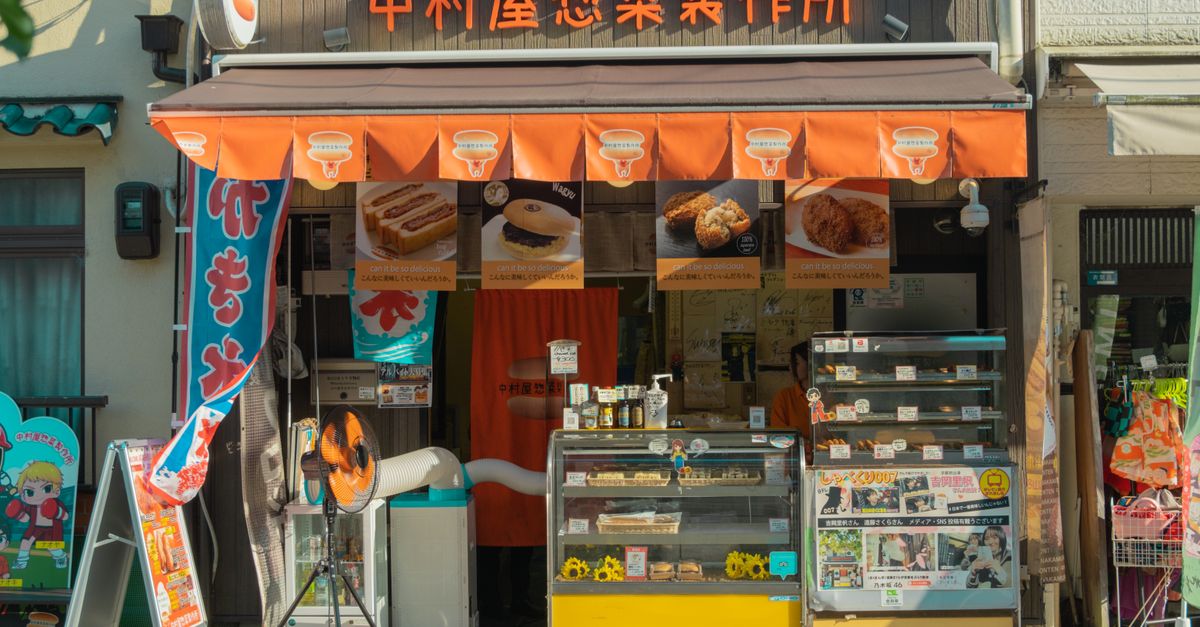
Afternoon (1:00 PM) — Nishiki Market: "Kyoto's Kitchen" stretches five covered blocks with over 100 vendors. Graze on tamagoyaki (rolled omelet, ¥300), fresh yuba (tofu skin, ¥400), tsukemono pickles, and matcha soft serve (¥350). This is lunch — eat standing at stalls.
Evening (5:30 PM) — Gion District: Walk lantern-lit Hanamikoji-dori, Kyoto's premier geisha district. At dusk you might spot a maiko in full kimono. Dinner along the Kamogawa River — kaiseki sets from ¥3,500, or udon for ¥800.
Western Kyoto — Arashiyama, Golden Pavilion & Zen
Morning (7:00 AM) — Arashiyama Bamboo Grove: Towering bamboo stalks form an otherworldly corridor best experienced in early morning quiet. Continue to Tenryu-ji Temple (¥500), a UNESCO site with a stunning zen garden. Cross the Togetsukyo Bridge for mountain-backed river views.
Midday (11:00 AM) — Kinkaku-ji (Golden Pavilion): The three-story gold-leaf pavilion reflected in its mirror pond is Japan's most photographed building. Entry ¥500 — your ticket is a calligraphic charm. Budget 45 minutes.
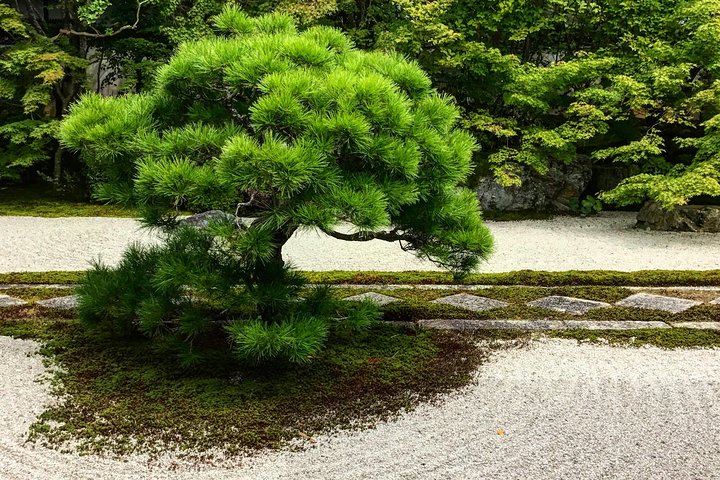
Afternoon (1:30 PM) — Ryoan-ji & Ninna-ji: Ryoan-ji houses Japan's most famous rock garden — 15 stones on raked white gravel, designed so you can never see all 15 at once (¥500). Walk 10 minutes to Ninna-ji, another UNESCO temple that's usually uncrowded.
Evening (6:00 PM) — Pontocho Alley: Narrow pedestrian lane parallel to the Kamogawa packed with tiny restaurants. Reserve yuka (riverside terrace) dining if visiting May-September. Obanzai sets run ¥2,800-¥4,000.
Philosopher's Path, Tea & Sake
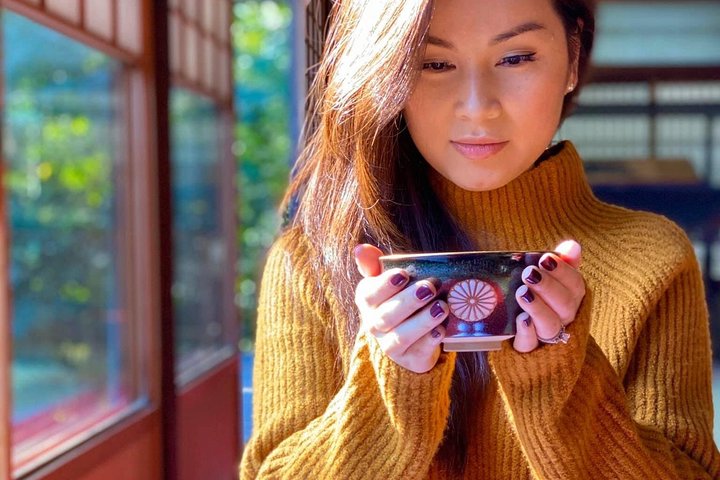
Morning (9:00 AM) — Tea Ceremony: Book a matcha ceremony at Camellia near Kenninji Temple (¥3,000, 45 minutes). The choreography of whisking, bowing, and sipping distills centuries of Japanese hospitality into a single bowl of tea.
Late Morning — Philosopher's Path: This 2-kilometer canal-side walk connects Ginkaku-ji (Silver Pavilion, ¥500) to Nanzen-ji Temple (free grounds). Cherry and maple trees shade both banks. Stop for udon (¥800-¥1,200) at a canal-side cafe.
Afternoon (2:30 PM) — Fushimi Sake District: Train to Fushimi, Kyoto's sake brewing quarter. Gekkeikan Okura Sake Museum (¥400, includes tasting) explains 400 years of craft. Kizakura Kappa Country offers free tastings of award-winning junmai daiginjo.

Getting Around Kyoto
The ¥700 bus pass covers routes 100, 101, and 102, hitting all major temple clusters. JR Sagano Line reaches Arashiyama in 15 minutes. For Fushimi Inari, take JR Nara Line (2 minutes, ¥150). Rent a bicycle from Kyoto Cycling Project (¥1,000/day) — the city is flat and bike-friendly with dedicated lanes.
Practical Tips for Kyoto
Kyoto's temples observe strict etiquette. Remove shoes before entering any building — wooden racks or shoe lockers are provided at every entrance. Photography is permitted outdoors but often prohibited inside main halls. Dress modestly at all religious sites — shorts and sleeveless tops may result in being refused entry at some locations.
The city's seasonal timing matters enormously. Cherry blossom season (late March to mid-April) and autumn foliage (mid-November to early December) bring massive crowds — hotel prices triple and popular temples require timed entry tickets booked weeks ahead. Winter (January-February) is cold but uncrowded, with occasional snow creating stunning temple scenes. Summer (July-August) is hot and humid but features several festivals including the famous Gion Matsuri in July.
For accommodation, stay near Kyoto Station for transit convenience or in the Higashiyama district for walking-distance access to major temples. Traditional ryokan (Japanese inns) start at ¥8,000/night for budget versions and include futon bedding on tatami mats. A night in a ryokan with kaiseki dinner and onsen bath (¥15,000-¥30,000) is worth the splurge — it's a cultural experience, not just accommodation.
Japanese convenience stores (konbini) — 7-Eleven, FamilyMart, and Lawson — are essential resources. They sell excellent onigiri (rice balls, ¥100-¥200), bento boxes (¥400-¥600), hot coffee, and ATM cash withdrawals for international cards. A konbini lunch is a perfectly respectable meal that lets you save your food budget for dinner at a restaurant.
Best Times to Visit & Budgeting
Timing your visit matters enormously for both weather and crowds. Peak tourist seasons bring higher prices, sold-out accommodations, and crowded attractions. Shoulder seasons (the weeks just before and after peak) often deliver the best balance — good weather, manageable crowds, and reasonable prices. Off-season travel is the cheapest but check for monsoon rains, extreme heat, or seasonal closures.
Budget planning for three days should account for accommodation (30-40% of total), food (20-25%), transport (15-20%), activities and entrance fees (15-20%), and a contingency buffer (10%). The biggest savings come from choosing accommodations wisely — a well-located mid-range hotel that eliminates taxi costs can be cheaper than a budget hotel in a remote area plus daily transport.
Travel insurance is non-negotiable. A single hospital visit in most Asian countries costs more than a year of comprehensive travel insurance (0-80 for a 2-week trip). Ensure your policy covers emergency medical evacuation — this is the expensive scenario that justifies the premium. Download your policy documents to your phone for offline access.
Currency exchange tips: ATMs generally offer better rates than airport exchange counters. Withdraw larger amounts less frequently to minimize per-transaction fees. Carry some US dollars (0-100) as universal backup — they're accepted in emergencies across most of Asia. Notify your bank of travel plans to prevent card blocks. Use a travel-specific card (Wise, Revolut) for the best exchange rates and lowest fees.
Download essential apps before arriving: Google Maps (with offline maps for your destination), Google Translate (with offline language packs), the local ride-hailing app (Grab for Southeast Asia, DiDi for China, Uber/Ola for India), and your accommodation booking confirmation. A portable battery pack (10,000-20,000 mAh) keeps your phone alive through a full day of navigation, photography, and ride-hailing.
Day Trips from Kyoto
Kyoto's position at the centre of the Kansai region makes it the ideal base for a series of day trips that each deliver a completely different character. Nara is the closest and most popular — 45 minutes south by JR Nara Line (¥720), it offers the Great Buddha at Todai-ji (¥600) and 1,200 sacred deer roaming freely through the parkland. Leave Kyoto by 8am to reach Nara's temples before the tour buses arrive from Osaka; the morning light through Kasuga-taisha Shrine's stone lantern approach is particularly fine before 10am. A full Nara day costs roughly ¥3,000-4,000 including transport, temple fees, and lunch at a Naramachi soba restaurant (¥800-1,200).
Osaka is 15 minutes south by Shinkansen (¥1,420) or 30 minutes by Hankyu limited express (¥400) and offers an entirely different urban energy to Kyoto's contemplative temple culture. Dotonbori, the neon-lit canal district, is the destination for takoyaki (octopus balls, ¥500 for 8 pieces), kushikatsu (deep-fried skewers, ¥150-250 each), and the thick Osaka-style okonomiyaki at Mizuno on Dotonbori-dori (¥1,200-1,600). Osaka Castle (¥600) and the Kuromon Ichiba market (free to walk through, budget ¥1,000 for grazing) are the non-food highlights worth building a day around.
Hiroshima and Miyajima require a full day but reward the early start. The Shinkansen from Kyoto to Hiroshima takes 1 hour 15 minutes (¥9,880 reserved, covered by JR Pass). The Peace Memorial Museum (¥200) presents one of the most carefully considered memorial experiences in the world — allow two hours. The 25-minute ferry to Miyajima Island (¥210 each way) reaches the floating torii gate of Itsukushima Shrine (¥500), which appears to rise from the sea at high tide. Time your arrival by checking the tide tables, published free at Hiroshima Tourist Information. The full round trip from Kyoto costs roughly ¥22,000 without a JR Pass.
Kobe, 30 minutes west by Hankyu or JR (¥420-540), is Kyoto's most underrated day trip. The Kitano-cho district preserves the Western-style merchant houses (ijinkan) built by foreign traders in the late nineteenth century, many open for tours (¥500-700 each). Kobe beef is the city's most famous export — a lunch set at Mouriya Honten on Motomachi-dori, one of the oldest teppanyaki restaurants in the city, runs ¥4,000-6,000 for A5 sirloin with rice and salad. The Arima Onsen hot spring village, 40 minutes north of Kobe by direct bus (¥800), makes a possible late-afternoon addition for those who want to combine day-tripping with a traditional onsen experience.