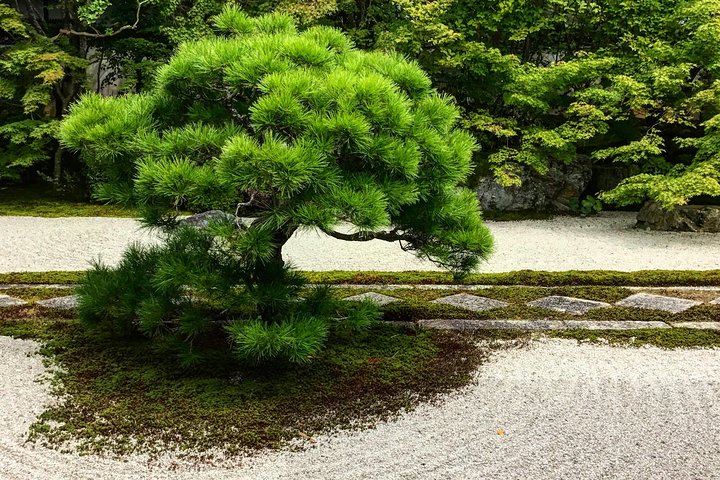
Kyoto demolishes the myth that Japan is unaffordable. Yes, ryokan dinners can cost ¥30,000 a head, but the city's greatest treasures — its bamboo groves, vermillion shrine gates, and Zen rock gardens — are either free or cost less than a cappuccino back home. With a daily budget of ¥5,000–¥7,000 (roughly €30–€42), you can eat exceptionally well, sleep comfortably, and hit every major sight. The trick is knowing which temples charge admission, which convenience stores have the best lunches, and which bus passes save you the most money per kilometer.
Getting There on a Budget
Most international travelers arrive at Osaka Kansai International Airport (KIX), which offers the cheapest flights to the region. Budget carriers worth checking for KIX include Peach Aviation, Jetstar Japan, and AirAsia X — all three regularly post Osaka fares well below legacy carriers on the same routes. Travelers from Southeast Asia should also check Scoot and Cebu Pacific. From Korea, the route competition between Seoul Gimpo and Osaka Itami keeps prices aggressive. If you have more flexibility, Nagoya Chubu International (NGO) sometimes prices lower than KIX on certain international routes, with Shinkansen access to Kyoto in 35 minutes.

Once at KIX, the airport limousine bus to Kyoto Station costs ¥2,800 and takes about 95 minutes — easy, no transfers, luggage goes underneath. The faster option is the Haruka Airport Express (JR), which reaches Kyoto Station in 75 minutes for ¥3,800 (or ¥2,200 with a ICOCA+Haruka discount package if you plan to use an ICOCA card throughout your trip — buy it at the airport JR ticket counter). Budget travelers with heavy luggage and no rush often take the cheaper combination: Nankai Rapi:t express to Namba (¥1,290, 38 minutes), then the Kintetsu Limited Express to Kyoto (¥630–¥1,150, 50 minutes). Total: around ¥2,000 with a transfer and an hour longer journey time.
Travelers arriving at Tokyo Narita or Haneda can reach Kyoto cheaply by overnight Willer Express bus (¥3,500–¥5,000 booked two weeks ahead), or by JR Shinkansen if they hold a Japan Rail Pass (the JR Pass is generally only worth purchasing if your trip covers multiple cities over 10+ days — calculate before buying).
Budget Accommodation
Kyoto has a rich hostel scene, particularly in the Higashiyama and downtown Kawaramachi areas. K's House Kyoto on Saikaicho-dori is consistently rated among Japan's best backpacker hostels — dormitory beds from ¥2,800/night, private rooms from ¥7,000, and a communal kitchen where guests swap temple tips over free coffee. It sits a short walk from Gion and the Nishiki Market corridor.

Piece Hostel Sanjo, near the Sanjo shopping arcade, charges ¥3,200 for a dorm bed and offers a clean, modern design uncommon at this price. The en-suite pod dormitories (individual curtained berths with USB charging and reading lights) make it popular with solo travelers who value sleep quality. Check-in is 3 PM sharp — store bags at the coin lockers in Kyoto Station for ¥300–¥700 if you arrive early.
The Millennials Kyoto near Shijo Station is a hybrid hotel-hostel charging ¥4,000–¥5,500 per bunk in their pod-style rooms — each pod has a full-size bed, electronic blind, and TV. It borders the line between hostel and capsule hotel and is worth the slight premium for the quality of sleep.
For budget guesthouses rather than dormitories, Guesthouse Waraku-An in the Higashiyama district offers traditional tatami rooms (shared bathroom) from ¥5,500 per person — the closest you'll get to a ryokan experience without the ¥15,000 price tag. Book directly through their website to avoid the 15% Booking.com commission they're forced to pass on.
The most affordable neighbourhood to stay is around Kyoto Station itself — dense with business hotels offering last-minute deals, and connected to every bus and train line. Higashiyama is more atmospheric but pricier. Avoid Arashiyama for budget stays — accommodation there skews toward high-end ryokan.
Eating Cheaply Like a Local
Kyoto's food reputation is built on kaiseki — the elaborate multi-course haute cuisine that costs ¥10,000+ per head. Ignore it entirely for budget travel. The city's everyday food is remarkable, filling, and genuinely cheap.

Start mornings at a konbini (convenience store). Japan's 7-Eleven, FamilyMart, and Lawson operate several locations within walking distance of every hostel. A breakfast of two onigiri (rice balls stuffed with salmon, pickled plum, or tuna mayo) plus a hot green tea from the self-serve machine costs ¥300–¥400. The tamago (egg) sandwiches sold at Japanese 7-Elevens are unexpectedly excellent — thick-cut, fluffy, ¥210. This is not a compromise; locals eat like this every morning.
Nishiki Market (free to enter, five blocks, covered) is the best lunch source in the city. Eat standing at stalls: grilled tofu skewers (¥150), fresh yuba rolls (¥350), octopus balls (takoyaki, six pieces for ¥400), and tamagoyaki skewers (¥200–¥300). Budget ¥1,000–¥1,500 for a full walk-through grazing lunch.
Ramen is the city's most satisfying cheap dinner. Honke Daichi near Shijo-Karasuma serves Kyoto-style shio ramen — a delicate, clear broth — for ¥800. Ichiran ramen, the national solo-dining chain with individual booths, operates a Kyoto branch near Gion; tonkotsu ramen starts at ¥890. For udon, Kyoto Gogyo near the city center does a striking black charred-broth udon bowl for ¥950.
Teishoku sets — a fixed-price set meal of rice, miso soup, grilled fish or tofu, and two side dishes — represent extraordinary value. Most neighborhood restaurants around Shijo and Karasuma offer lunch teishoku from ¥850–¥1,200. Look for the plastic food displays in windows and the word ランチ (ranchi / lunch) on signs.
Depachika — the basement food halls in department stores like Takashimaya and Isetan near Kyoto Station — discount fresh bento boxes and prepared foods by 30–50% after 6 PM. A high-quality bento that retailed at ¥1,200 all day becomes ¥700 at closing time. Same food, same quality, meaningfully cheaper.
Free & Low-Cost Attractions
Fushimi Inari Shrine is entirely free and open 24 hours. The famous ten-thousand-torii tunnel climbs 4 kilometers up Mount Inari — the full return hike takes 2–3 hours. At dawn you'll find near silence; by 10 AM tour buses arrive and the lower paths congest. Arrive before 7 AM for the full experience.

Nijo Castle (¥800) is the most historically instructive paid site in Kyoto — the feudal seat of Tokugawa power, with "nightingale floors" (squeaking floorboards installed to detect assassins) and intact audience halls. Budget 90 minutes. Open daily 8:45 AM–5 PM, closed Tuesdays in January, July, August, and December.
The Philosopher's Path is free. This 2-kilometer stone-paved canal-side walk connects Ginkaku-ji (the Silver Pavilion, ¥500) to Nanzen-ji Temple. The grounds of Nanzen-ji are free to enter — only the inner sub-temples charge ¥300–¥500. The aqueduct (suirokaku) built in 1890 that runs through the grounds is free and photogenic.
Arashiyama Bamboo Grove is free and open at all hours, though the surrounding Tenryu-ji Temple charges ¥500 garden entry. The Togetsukyo Bridge and riverside walks through Arashiyama village cost nothing. Combine with a free visit to Jojakko-ji Temple path (¥500 to enter the temple but the approach lane through bamboo is free).
Kyoto Gyoen (Imperial Palace Park) is a vast free park open sunrise to sunset. The Kyoto State Guesthouse garden inside opens to the public on select dates. Daitoku-ji Temple complex in northern Kyoto has free outer grounds and charges ¥400–¥500 per sub-temple — visiting even two of its seventeen sub-temples makes for a rich half-day.
Pontochō Alley (free to walk), Hanamikoji-dori in Gion (free to walk), and the canal-side Shirakawa area lit by stone lanterns in the evening are all free. Evening wandering through Gion costs nothing.
Getting Around on a Budget
Kyoto's primary budget transport tool is the ¥700 city bus day pass. It covers all major Kyoto City Bus and Kyoto Bus routes, including the 100-series and 101-series routes that directly link Kyoto Station to Arashiyama, Kinkaku-ji, Ginkaku-ji, and Higashiyama. A single bus ride costs ¥230 — buy the day pass the moment you take a third bus trip, since you've already broken even.

The Kyoto City Subway (Karasuma Line and Tozai Line) charges ¥220–¥350 per single journey. For temple-heavy days that involve crossing the city east-west, the subway is faster than buses. The ¥1,100 combined subway and bus one-day pass covers both systems and represents good value if you're doing a cross-city day mixing Higashiyama temples with Nijo Castle.
For Arashiyama specifically, the JR Sagano Line from Kyoto Station reaches Saga-Arashiyama Station in 15 minutes for ¥240 — faster and cheaper than the tourist-priced Sagano Scenic Railway (¥880 one-way). For Fushimi Inari, JR Nara Line from Kyoto Station takes 2 minutes for ¥150 to Inari Station.
Bicycle rental is outstanding value for flat, central Kyoto. Kyoto Cycling Project near Karasuma-Oike charges ¥1,000 for a full day — this beats the bus pass if your itinerary is tight within the central districts. The riverbank cycling paths along the Kamogawa are flat, scenic, and run for kilometers without traffic.
Money-Saving Tips
Cash is still king in Kyoto. While cities like Tokyo are increasingly card-friendly, many Kyoto temples, food stalls, and small restaurants are cash-only. Withdraw ¥20,000–¥30,000 upon arrival. Japan Post ATMs (inside every post office) and 7-Eleven ATMs reliably accept international Visa, Mastercard, and Maestro cards with a ¥220 foreign transaction fee — far cheaper than airport exchange counters.
Skip the JR Pass unless you're traveling widely. For a Kyoto-only or Kyoto-Osaka trip, the JR Pass almost never pays off — the math rarely works unless you're taking two or more Shinkansen journeys. Calculate your actual routes before buying.
Eat a convenience store breakfast every day. At ¥300–¥400 per meal, spending three days eating konbini breakfasts saves you ¥2,000–¥3,000 versus a café — that's almost a free museum day.
Avoid the tourist-trap matcha shops on Ninenzaka and Sannenzaka. Matcha parfaits on these lanes cost ¥1,200–¥1,800. Walk three blocks east to Higashiyama-dori neighborhood shops and pay ¥400–¥600 for the same quality.
Visit temples on weekdays. Some popular temples raise entry fees during peak periods. Tenryu-ji in Arashiyama charges ¥500 garden-only on weekdays and ¥600 during cherry blossom/autumn foliage peak. More significantly, weekday visits mean fewer crowds at temple photography spots — worth planning if you care about photos.
Use Kyoto's free public Wi-Fi. KYOTO Wi-Fi covers most major tourist sites and transport hubs. Register once on arrival and it auto-connects. This makes downloading a local SIM card optional if you only need connectivity during active touring.
Check for city-wide free events. Kyoto hosts dozens of free matsuri (festivals) throughout the year. The Gion Matsuri (entire month of July, main parade July 17 and 24) is free to watch along the parade route. Daimonji Gozan Okuribi (August 16) — giant bonfires lit on five mountain slopes — is visible for free from elevated viewpoints like Nijo-jo grounds or Kamogawa riverbank.