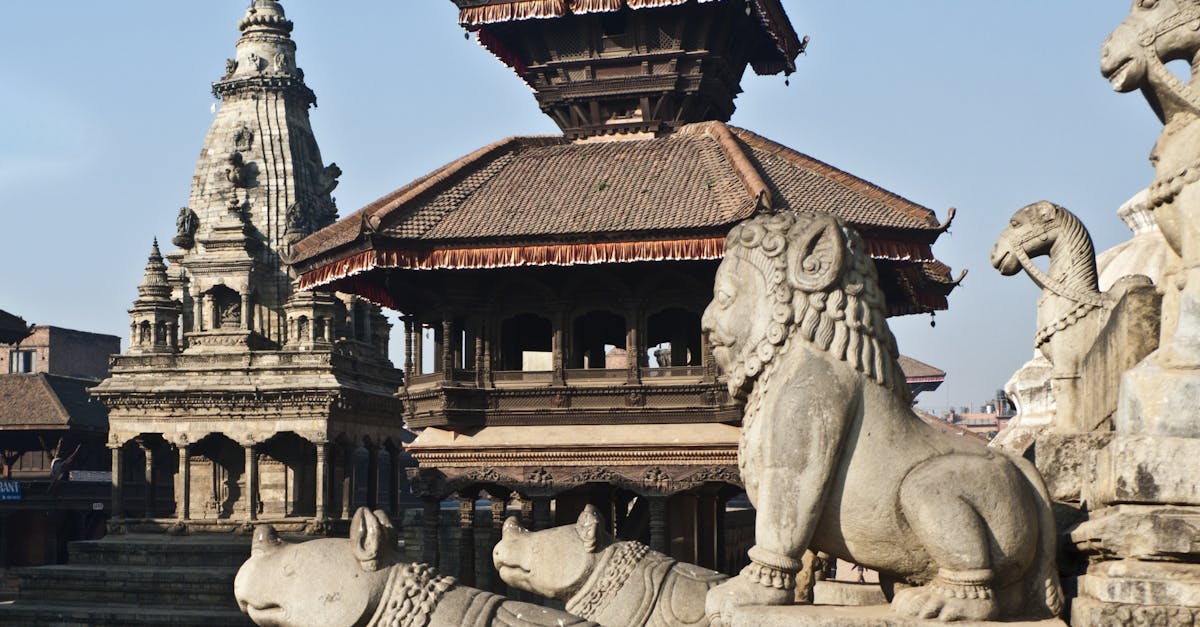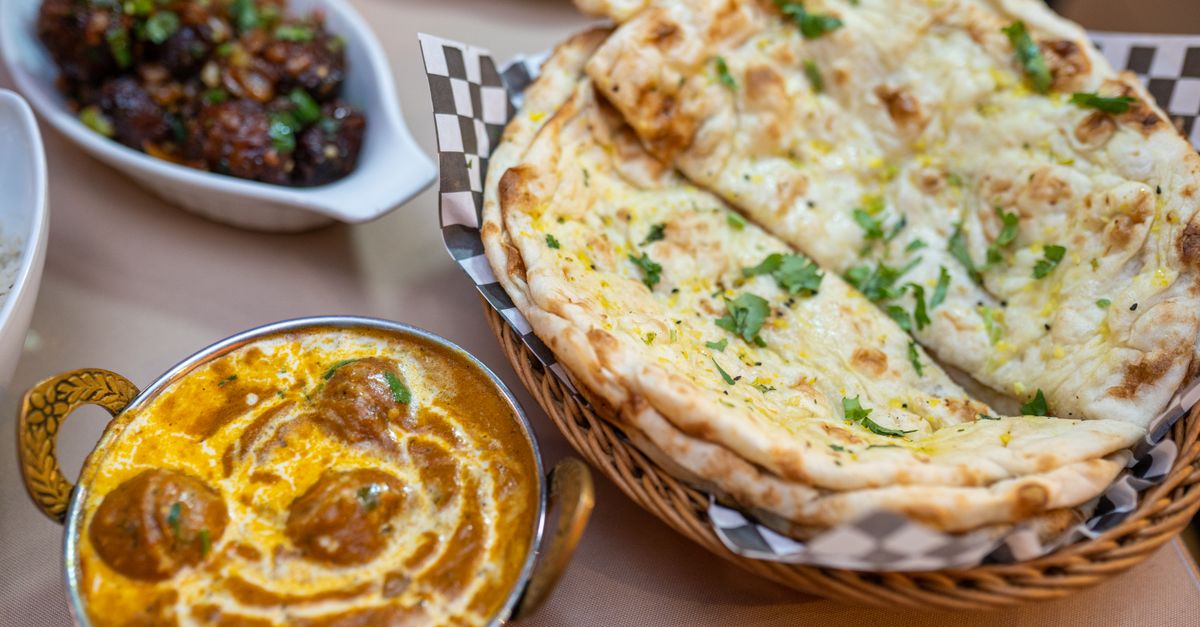
Kathmandu's food scene reflects the city's position at the crossroads of South and East Asia. Nepali cuisine blends Indian spice traditions with Tibetan comfort food — dal bhat (lentils and rice) is the daily staple, momos (Tibetan dumplings) are the beloved snack, and the ancient Newari cuisine of the Kathmandu Valley offers dishes found nowhere else. The tourist quarter of Thamel provides international options, but the real flavors are in the old-city neighborhoods and local bhojanalaya (eateries).
Eating in Kathmandu is inexpensive. Street food costs NPR 50-200 per item, local restaurants NPR 200-500 per meal, and mid-range tourist restaurants NPR 500-1,200. Avoid raw salads and unpeeled fruits — stick to cooked food and bottled water.

Must-Try Dishes in Kathmandu
1. Dal Bhat (Lentils & Rice) — NPR 200-500
Nepal's national meal, eaten twice daily by most of the population. Steamed rice with a lentil soup, vegetable curry, achar (pickle), and greens. The saying goes: "Dal bhat power, 24 hour." At local bhojanalaya, it comes with unlimited refills of dal, rice, and vegetables. NPR 200-300 at local spots, NPR 400-500 at tourist restaurants.
2. Momos (Dumplings) — NPR 150-400
Tibetan-origin dumplings stuffed with minced buffalo meat, chicken, or vegetables, served steamed, fried, or in soup. The fiery tomato-based achar (dipping sauce) is essential. Kathmandu's momo obsession is total — vendors on every corner. Yangling Restaurant in Thamel serves definitive steamed buff (buffalo) momos with potent achar.
3. Newari Choila — NPR 250-400
Spiced, grilled buffalo meat — a signature dish of the Newari people indigenous to the Kathmandu Valley. The meat is charred over mustard oil flame, then tossed with roasted mustard seed, Sichuan pepper (timur), ginger, and garlic. Served cold as an appetizer or beer snack. Deeply flavorful and uniquely Nepali.
4. Chatamari (Newari Pizza) — NPR 200-350
A thin rice-flour crepe topped with minced meat, egg, and vegetables — sometimes called "Nepali pizza" though it resembles a savory crepe more than Italian flatbread. Baked on a cast-iron griddle. Available at Newari restaurants and during Newari festivals.
5. Sel Roti — NPR 30-50 each
Ring-shaped sweet rice bread, deep-fried until crispy outside and soft inside. A festive food that's become a daily street snack. Best eaten hot from the oil. Available from street vendors across the city, especially at Asan market. Three or four make a satisfying snack.
6. Thukpa (Tibetan Noodle Soup) — NPR 200-350
Hearty broth with hand-pulled noodles, vegetables, and meat — Tibetan comfort food that warms Kathmandu's cold winters. The version at Tibetan restaurants near Boudhanath is the most authentic, with chewy handmade noodles and a rich bone broth base.
Where to Eat in Kathmandu
Asan & Indra Chowk — Old City Budget
The ancient market squares in Kathmandu's old city have the best street food. Sel roti, samosas (NPR 20-30), chatamari, and fresh juice stalls. Navigate by following crowds and cooking smoke. No English menus — point and smile.
Thamel — Tourist-Friendly
The backpacker quarter has every cuisine imaginable. Yangling for momos (NPR 250-400), Fire & Ice for pizza (NPR 600-800, genuinely excellent), and OR2K for vegetarian Israeli food (NPR 400-600). Rooftop restaurants with mountain views charge a premium but deliver the ambiance.
Patan & Bhaktapur — Newari Cuisine
Cross to Patan for authentic Newari food. Dalo Restaurant serves the full range — choila, wo (lentil pancakes, NPR 200), bara (black lentil patty, NPR 150), and aila (rice liquor, NPR 150/glass). In Bhaktapur, try juju dhau (NPR 80-100), the famous "king of yogurt" in clay pots.

Dining Tips for Kathmandu
The best food in any city comes from specialists — restaurants and stalls that have perfected a single dish over years or decades. The cramped stall with the longest queue of locals invariably serves better food than the spacious restaurant with the bilingual menu and zero customers. Follow the crowds, eat what locals eat, and budget for multiple small meals rather than one large dinner.
Street food is safe when the vendor is busy — high customer turnover means food is cooked fresh and doesn't sit at dangerous temperatures. Avoid pre-cooked items that have been sitting under heat lamps for hours. Steaming, sizzling, and smoking are signs of freshly prepared food. Morning markets and evening food stalls typically offer the freshest options.
Local markets are the most affordable and authentic eating experience in any Asian city. Visit the main market early in the morning when vendors set up — the energy, the colors, and the breakfast food reveal the city's character more effectively than any museum or monument. Budget 60-90 minutes for a market visit including breakfast.
Dietary restrictions and allergies can be communicated with a few prepared phrases in the local language. Download Google Translate's offline language pack before your trip. Most Asian food cultures are accommodating of preferences when communicated clearly. Vegetarian options are available nearly everywhere, though the definition varies — fish sauce and shrimp paste appear in many 'vegetarian' Southeast Asian dishes.
Sweet Treats & Desserts
Kathmandu's dessert culture sits at an intersection of Newari tradition, Tibetan influence, and the Indian mithai (sweet shop) tradition that fills every neighbourhood with glass cases of syrup-soaked confections. Sweet eating is woven into daily religious practice, festival life, and hospitality — refusing a sweet offered by a host is a minor social offence. Understanding where to find the best versions of each dessert reveals as much about the city's culture as any museum visit.
Juju dhau (literally "king of yogurt") is Bhaktapur's greatest culinary contribution to the Kathmandu Valley. Thick, sweet, and slightly tangy, it's set in unglazed clay pots that absorb excess moisture during the fermentation process — a technique that produces a texture no steel or ceramic container can replicate. Available throughout Kathmandu but definitively best in Bhaktapur's Taumadhi Square, where potters' families have been producing it for generations. One pot costs NPR 60-100 and should be eaten on the spot.
Yomari is the most distinctly Newari dessert — a steamed rice-flour dumpling shaped like a teardrop and filled with molasses (chaku) and sesame seeds or khuwa (condensed milk). A ritual food prepared for the Yomari Punhi festival in December but available year-round at Newari restaurants. Dalo Restaurant in Patan (NPR 180-250 for a plate of four) makes some of the best in the valley, and the filling's intensity varies by family recipe.
Sel roti occupies the middle ground between snack and dessert — the ring-shaped sweet rice bread (NPR 30-50 each) is deep-fried in ghee until the outside crisps while the interior stays soft and fragrant with cardamom. Street vendors in Asan market and near Pashupatinath Temple fry them continuously from early morning. Three or four pieces with a cup of sweet chai constitute a genuinely satisfying breakfast. During Tihar (the festival of lights, October-November), every household makes sel roti — buy directly from neighbours if you're invited in.
Tibetan restaurants near Boudhanath stupa serve tsampa porridge — roasted barley flour mixed with butter tea into a thick paste — as both food and devotional offering. It's an acquired taste that rewards persistence: earthy, slightly bitter, and deeply calming in the way that simple, ancient foods often are. At the bakeries surrounding Boudhanath, Tibetan bread (tingmo, a steamed bun, NPR 40-60) and butter tea (po cha, NPR 80-120) are the morning ritual of the Tibetan exile community that has lived here since the 1960s.
Planning Your Food Exploration
The most rewarding food experiences come from planning meals around the local eating schedule rather than forcing your own rhythm onto a foreign city. Most Asian cities eat early — breakfast stalls open at dawn and close by 9 AM, lunch service peaks at noon and ends by 2 PM, and dinner starts at 5-6 PM. Night markets and street food stalls offer the best evening options, typically running from 6 PM until 10 PM or later.
Budget allocation matters. Spend 30-40% of your food budget on one memorable meal — a signature local restaurant, a cooking class, or a fresh seafood dinner. Allocate the rest to street food, markets, and casual local restaurants where the authentic flavors live. This strategy ensures you taste both the refined and the everyday versions of the local cuisine without breaking the bank.
Photography etiquette at food stalls and small restaurants varies by culture. In most of Asia, photographing your food is completely normal and even expected. Photographing the cook or the stall itself — ask first with a smile and gesture. Most vendors are flattered; a few prefer not to be photographed. In sit-down restaurants, photograph freely but be discreet about photographing other diners.
Food allergies and dietary restrictions require preparation. Write your restrictions in the local language (Google Translate helps) and show the note at each restaurant. Common allergens like peanuts, shellfish, and gluten appear in unexpected places — soy sauce contains wheat, fish sauce is in many Thai and Vietnamese dishes, and peanuts appear in Indonesian, Malaysian, and Chinese cooking. Communicate clearly and ask about ingredients rather than assuming from the menu description.
The single best food investment in any Asian city is a cooking class. For 5-50, you'll visit a local market, learn 4-6 dishes hands-on, and gain techniques that let you recreate the flavors at home. The market tour alone — learning to identify local herbs, spices, and produce — transforms your understanding of the cuisine for every subsequent meal during your trip.