Kathmandu is a city of compacted miracles — ancient temples in the middle of traffic roundabouts, courtyards that have been receiving offerings for 1,500 years still receiving them today, and a cosmopolitan intellectual life that developed from the confluence of Hindu and Buddhist pilgrimage traditions at the roof of the world. Most visitors come for the Himalayan trekking and treat Kathmandu as a logistical waypoint. They are making a significant mistake. Kathmandu Valley alone, with its seven UNESCO World Heritage sites concentrated within a 30km radius, is one of the densest collections of living heritage in existence.
This guide is for the traveler who gives Kathmandu the time it deserves rather than treating it as the airport city before the mountains. It is for those who will eat in a courtyard that has been serving the same dish since the Malla dynasty, who will watch a Newar community ceremony at a local goddess shrine, and who will find that the city's chaos, once you stop resisting it, is in fact a form of energy that is specific to this altitude and this culture and nowhere else on Earth.
These ten places are what Kathmandu's residents love about their own city — the overlook destinations, the quiet valleys, the back-lane temples where the ritual is the real thing and not a performance for visitors. Start here and the mountains will mean more when you reach them.

1. Patan Durbar Square at 7am — The Finest Living Heritage in Asia
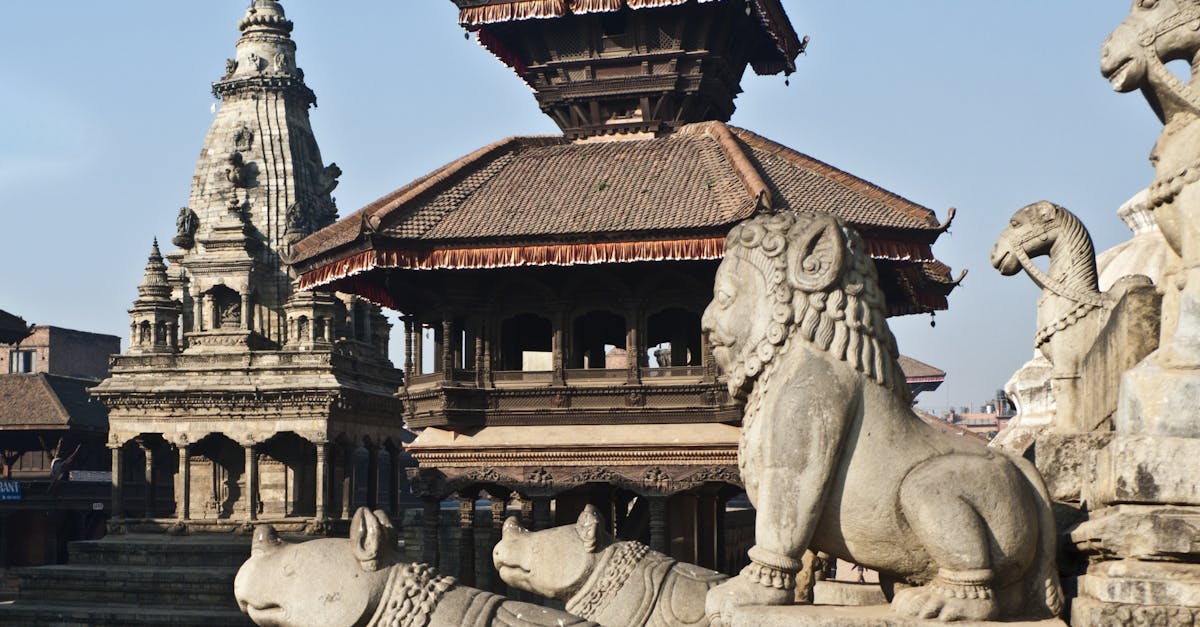
Patan (Lalitpur), the second city of the valley, has the finest Durbar Square of the three in the Kathmandu Valley — more compact, better preserved after the 2015 earthquake, and with an architectural density that is genuinely staggering. The square is most commonly visited between 10am and 4pm when it is full of tour groups and sellers of trekking supplies. But at 7am the square is full of Newar women making morning offerings at the dozens of small shrines embedded in the square's perimeter, the Taleju bell ringing for morning prayer, and the local vegetable market spreading across the same flagstones that Malla-era nobles walked. The architecture — 16th and 17th-century pagoda temples stacked in every direction — is the same. The atmosphere is entirely different.
The most important and least-visited structure in Patan Durbar Square is the Mul Chowk (royal courtyard), behind the main temple row. This is the private ritual space of the Malla kings, where Kumari (living goddess) ceremonies were conducted, and where the finest woodcarving in Nepal is concentrated on the doorways and window screens of the three-sided courtyard. Access requires a small additional fee (NPR 200) on top of the main square entry; almost no tourists pay it. The Sundari Chowk, adjacent to Mul Chowk, has a water tank (tusha hiti) decorated with stone reliefs of deities that date to the 17th century and continue to be used for ritual bathing.
Patan is 5km south of Kathmandu, most easily reached by taxi (NPR 300–400 from Thamel) or by public microbus from Kathmandu's Ratna Park (NPR 30, ask for Lagankhel). Patan Durbar Square entry NPR 1,000 for foreigners. Open daily; best 6:30–9am. Combine with the Patan Museum inside the old palace (NPR 500) — it has the finest collection of Nepalese bronze and stone religious sculpture in existence, displayed in a beautifully restored Malla-era building. Tuesday–Friday 10am–4pm.
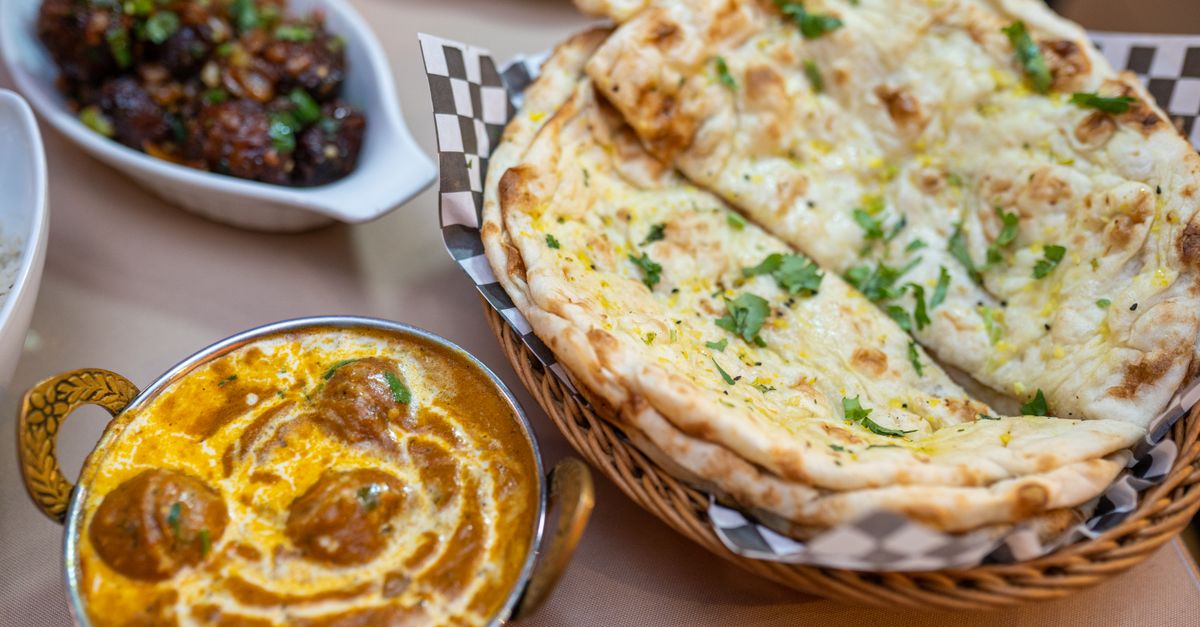
Breakfast in Patan after the dawn square visit: the Newari breakfast at Cafe de Patan inside the museum courtyard includes chiura (beaten rice), beaten egg, and sel roti (fried dough ring) served in traditional brass vessels. Cost NPR 400–600 and represents the finest morning in Kathmandu Valley at an almost embarrassingly reasonable price.
2. Changu Narayan Temple — Nepal's Oldest, Least-Visited World Heritage Site
Changu Narayan, perched on a forested hilltop east of Bhaktapur, is Nepal's oldest surviving temple — inscriptions here date to 464 CE and the site has been continuously sacred for over 1,500 years. It is a UNESCO World Heritage site. It receives a fraction of the visitors of Pashupatinath or Boudhanath. This is bewildering until you visit and understand that Changu Narayan requires either a 45-minute walk uphill from the valley floor or a taxi to the base of the hill — a modest effort that filters out the day-trippers. The hilltop itself, surrounded by ancient sal forest, has a quality of serenity that is rare in the Kathmandu Valley's perpetually busy religious landscape.
The temple's collection of stone and metal sculptures is one of Nepal's finest: a 5th-century Vishnu-Vikranta depicting Vishnu's three strides to encompass the universe, a 6th-century image of Vishnu as Narasingha (lion-man), and a 10th-century wheel of Vishnu that has survived in near-perfect condition for a thousand years. These are not museum pieces — they are active shrines that receive daily puja, and the combination of scholarly significance and continued ritual use is uniquely Nepali. The woodcarving on the temple's three-tiered structure matches anything in the valley.
Changu Narayan is accessible from Bhaktapur (taxi NPR 400–500 to the village at the base, then 30-minute walk; or trekking path from Bhaktapur Durbar Square, 3km, 45 minutes). Entry NPR 300. Open daily 6am–6pm. The village of Changu, at the base of the temple steps, has craft shops selling genuine local products including the distinctive Changu-area painted scroll paintings (thangka-influenced but distinctly Newar in character). The walk from Changu Narayan north along the hilltop ridge toward Nala takes 90 minutes through traditional villages and bamboo forest — one of the valley's finest walking routes.
The terrace immediately in front of the temple, looking south over the valley, has one of the finest panoramic views in the Kathmandu Valley on clear days — the entire southern valley from Dakshinkali to Bhaktapur visible at once, the valley floor's patchwork of fields and villages between them. October and November (post-monsoon) give the clearest views.
3. Kirtipur — The Town the Gorkhas Punished
Kirtipur is a compact medieval Newar town on a twin-peaked hill 5km southwest of Kathmandu, overlooking the valley it refused to surrender to Prithvi Narayan Shah during his 18th-century unification campaign. After the town finally fell, Prithvi Narayan ordered the cutting of noses and lips of all men except those who played wind instruments — one of the most brutal episodes of the Gorkha conquest. Kirtipur never forgot. The town today retains a fierce local identity and a physical fabric — narrow stone-paved lanes, courtyard temples, woodcarved windows — that has changed little since the Malla period. It is the most authentically medieval Newar settlement accessible from Kathmandu.
The Uma Maheshwar Temple on the northern peak of Kirtipur hill is a rare example of a Shiva-Uma (Shiva and Parvati together) shrine in a sacred marriage iconographic tradition that is specific to this area. The Chilancho Stupa at the south end of town is a large Buddhist stupa in perfect condition, maintained by the town's Buddhist community, with a procession route around it that is used for daily circumambulation by elderly residents. The town's two hilltops are connected by a narrow saddle of medieval buildings that functions as the main market street — spice sellers, grain merchants, tiny teashops that serve the same tea from the same vessels they've used for thirty years.
Kirtipur is accessible by local bus from Kathmandu's Ring Road (NPR 20) or by taxi (NPR 250–350). No general entry fee; Tribhuvan University campus at the base of the hill is the landmark for navigation. Best visited 8–11am on a weekday. The Newar agricultural festival cycle brings processions through the town's main streets at various points in the lunar calendar — the Kirtipur Jatra festivals are particularly vibrant and largely unvisited by tourists. Ask at your Kathmandu guesthouse for the current festival calendar.
Lunch in Kirtipur: the handful of local restaurants serving Newari food along the main lane use produce from the hill's agricultural terraces. Wo (lentil patties), bara (savory lentil pancakes), and aloo tama (bamboo shoot and potato curry) cost NPR 100–200 per dish and are prepared in the traditional Newari manner that is increasingly rare even in Kathmandu's Newari restaurants.
4. Bhaktapur's Back Streets — Beyond the Tourist Ticket Zone
Bhaktapur, 13km east of Kathmandu, charges a $15 entry fee that discourages casual visitors and results in a relatively controlled tourist flow — most people see the main Durbar Square, the Nyatapola Temple, and the Pottery Square, then leave. What they miss is the back-lane residential city: the streets east and north of the Durbar Square that are completely residential, where the festival cycle continues in its original context and the woodcarved heritage is embedded in functioning family homes, not preserved as museum pieces.
The Tachupal Tole (Dattatreya Square) at the far east end of the old city is Bhaktapur's oldest section — the Dattatreya Temple here predates the Durbar Square complex and has a different character, more intimate and less ceremonial. The surrounding neighborhood has the Peacock Window (a famous woodcarved window that appears on Nepali currency) in a palace wall that visitors can approach to within arm's reach — extraordinary craftsmanship that you literally walk up to rather than viewing behind a barrier. The lane immediately behind the temple has three woodcarving workshops where craftspeople produce new work for restoration projects and private clients, willing to demonstrate the tools and techniques if asked politely.
Bhaktapur is 13km from Kathmandu, accessible by public bus from Kathmandu's Ratna Park (NPR 25, 45 minutes) or taxi (NPR 600–800). Entry fee charged at the main entrance. Best visited 7–10am for the morning light on the brick architecture and before the main tourist wave. The Siddhipur neighborhood north of Bhaktapur's main area is technically outside the ticketed zone and entirely residential — a walk here in the late afternoon reveals the working Newar agricultural calendar in its most unmediated form.
The yogurt (juju dhau — literally "king curd") produced in Bhaktapur is the finest in Nepal and is sold only here — the terracotta pot, the particular local milk, and the specific lactobacillus culture used in this town produce a result that has been acknowledged as distinctively superior for centuries. Buy it from the dairy stalls near the pottery square for NPR 150–200 per pot. Eating it on a temple step in the late afternoon sun is a Bhaktapur experience that costs nothing more.
5. Shivapuri Nagarjun National Park — Kathmandu's Watershed Forest
The forested hills immediately north of Kathmandu, within the Shivapuri Nagarjun National Park, are the city's water source and its closest wilderness. The park boundary begins at the edge of the city's northern suburbs and contains dense subtropical and temperate forest — a landscape that changes from oak and rhododendron near the ridgeline to subtropical mixed forest near the valley floor. Leopards have been photographed here. The birdlife includes Himalayan species (Himalayan Monal, Satyr Tragopan, various laughingthrushes) that draw serious birdwatchers from across the world. Most Kathmandu visitors are unaware the park exists.
The Shivapuri Peak trail, starting from the Budhanilkantha temple on the valley's north edge, takes 3–4 hours return to reach 2,732 meters and provides Himalayan views on clear days — a more accessible alternative to the famous Nagarkot viewpoint that fewer people know about. The Bagmati River springs within the park at Shivapuri, a sacred site for Hindus and a pleasant picnic location even in non-religious terms. The forest trail system is marked and manageable; trekking permits (NPR 250) are available at the park entrance near Budhanilkantha.
Budhanilkantha, the park entry point, is 9km north of Thamel, accessible by taxi (NPR 400–500) or microbus (NPR 30). Park entry NPR 250 for hiking. Open 6am–5pm. The Budhanilkantha temple itself, at the park gate, houses a 5th-century Vishnu figure lying on a bed of water in a pond — one of Nepal's most sacred images and one of the few that the king of Nepal is traditionally forbidden to visit (due to an old prophecy). The image is genuinely extraordinary: a 5-meter stone Vishnu reclining on the cosmic ocean, surrounded by worshippers who approach through the water.
Spring (March–April) is the finest time for Shivapuri: the rhododendrons bloom at mid-elevation and the forest understory is carpeted with flowering plants. Birdwatching is excellent year-round but peaks in April and October during migration. The park closes to trekkers by 4pm — start no later than 9am for any trail that goes higher than 2,000 meters.
6. Asan Tole — The Market Square That Never Closes
Asan Tole is the ancient market crossroads at the center of Kathmandu's old city, a six-way junction where roads from the surrounding valley converged to trade for thousands of years. It is still the most active market square in the city, operating continuously from before dawn until after midnight, and it remains primarily a local market despite its proximity to the tourist zone. The central Annapurna Temple (dedicated to the goddess of grain and food, which is why it is surrounded by spice sellers) is one of the most important goddess shrines in the old city and receives constant offerings from the merchants who have always clustered around it for her blessing.
Walking through Asan in the early morning means navigating around delivery boys with enormous sacks of rice on their backs, women choosing spices from the sack-sellers, and the occasional wedding procession that has no choice but to route through the only six-way junction in the old city. The surrounding lanes — Bangemudha, Indra Chowk, Makhan Tole — each have their specialty trade traditions: Indra Chowk for cloth, Bangemudha for dental services (an inherited caste profession), Makhan Tole for metal household goods. The medieval specialization of trade by street is still entirely functional.
Asan Tole is in the heart of Kathmandu's old city, a 15-minute walk east from Thamel. Free to walk through at any hour. The market is most atmospheric 6–9am (fresh produce and wholesale deliveries) and 5–7pm (evening shopping rush). The best shop for Nepali spices in the valley is on the northeast corner of Asan Tole — ask for the jimbu (Himalayan chive, used in dal), timur (Szechuan pepper variety, unique to Nepal), and sil (coriander seed) that are specific to Nepali cuisine and unavailable outside the valley at comparable quality. A full spice selection for cooking costs NPR 500–800.
The lane north of Asan Tole leads to Kathesimbhu, a small but active stupa in a residential courtyard — Kathmandu's equivalent of Swayambhunath for the old-city residents who don't want to climb the hill. Prayer wheel circumambulation here at dawn is one of the most peaceful experiences in the city center.

7. Godavari Botanical Garden — The Valley's Most Overlooked Green Space
The Godavari Botanical Garden, 24km south of Kathmandu at the base of Phulchoki Mountain (the highest point of the valley rim, at 2,765 meters), is Nepal's national botanic garden and is essentially unknown to foreign visitors. The garden protects a section of the Phulchoki forest that is one of the finest birdwatching sites in the Kathmandu Valley — over 280 species have been recorded, including the Spiny Babbler (Nepal's only endemic bird), various sunbirds, and the extraordinary hill partridge species of the valley rim forests. The garden's collection of Himalayan plant species, including massive orchid and primula collections from the highland zones, represents the most comprehensive temperate-tropical transition garden in South Asia.
The spring flowering season (late February–April) is extraordinary: rhododendron (Nepal's national flower, a tree that grows to 15 meters at this altitude) blooms in every shade from white to deep crimson, and the accompanying wildflower display on the forest floor below includes dozens of orchid species. The Phulchoki summit trail from the garden takes 3–4 hours of steep hiking and rewards with 360-degree Himalayan views on clear days — Everest, Kanchenjunga, Annapurna, and Manaslu all visible simultaneously from the top on a clear October morning. This view, available to anyone fit enough for the climb, is one of the finest in the world.
Godavari is 24km south of Kathmandu, accessible by public bus from Lagankhel (NPR 30, 45 minutes) or taxi (NPR 600–800 one way). Garden entry NPR 200. Open daily 10am–5pm. The Godavari kunda (sacred spring) below the garden is a pilgrimage site for the 12-year Maha Shivaratri cycle — the next major gathering will be worth checking dates for. The Godavari Resort adjacent to the garden has a swimming pool open to day visitors (NPR 500) — an unexpected luxury for a hiking recovery in a beautiful valley setting.
The drive to Godavari through the Bagmati River valley passes through traditional Newar agricultural villages where paddy terracing climbs the lower slopes of the valley rim. In October the paddy is golden and the light is mountain-clear — one of the finest rural drives in Nepal without requiring any technical trekking infrastructure.
8. Swayambhunath at Dusk — The After-Hours Monkey Temple
Swayambhunath, the "Monkey Temple" on its hilltop west of Kathmandu, is famous for its stupa's all-seeing eyes and for its macaque colony. It is heavily visited between 9am and 4pm. What almost no visitor does is return at dusk (around 5–6pm, season-dependent) when the tour groups have left, the golden light hits the stupa's spire from the west, and the ritual activity intensifies rather than diminishes. Evening puja at Swayambhunath involves butter lamp lighting at dozens of small shrines, circumambulation of the stupa by local devotees, and the Tibetan Buddhist prayer wheels being turned in the cooling evening air. The stupa at this hour, golden and ancient against the darkening sky, is as moving as any religious site in Asia.
The forest around the stupa base, on the path up from the eastern entrance, has a remarkable concentration of small shrines, standing Buddha figures, and prayer wheels that extend the sacred complex far beyond the famous hilltop. The descent after dark, with the valley city glittering below and the stupa lit from within, takes about 20 minutes and is best done with a flashlight. The western steps, used primarily by Tibetan Buddhist pilgrims, pass a series of meditation cave retreats cut into the hillside — some still occupied by monks in long-term retreat.
Swayambhunath is 3km west of Thamel, accessible by taxi (NPR 150–200), cycle, or a 30-minute walk. Entry NPR 200. The eastern staircase has 365 steps. The western road approach is paved and used by older pilgrims. The stupa complex is technically open 24 hours; the main entry gates close around 8pm but the monastery side entries remain accessible for evening prayer. The macaques are less active in the evening — their daytime mischief (stealing offerings, following tourists with food) calms as the temperature drops.
The hilltop restaurant immediately west of the stupa platform serves overpriced tourist food during the day but is entirely empty in the evening and has a stunning westward view over Kathmandu Valley toward Chandragiri. A simple dal bhat at NPR 400 with this view, at this hour, is an acceptable trade-off for the prices.
9. Boudhanath Evening Kora — The Tibetan Buddhist Circumambulation
Boudhanath is one of the world's great stupas — a massive white dome 36 meters high, surrounded by 50 Tibetan Buddhist monasteries, in a circular plaza that is one of the most beautiful pieces of urban religious design anywhere. It is also genuinely crowded with tourists. The solution, as at Swayambhunath, is timing: the evening kora (circumambulation) that begins at 5pm and runs until after dark is when Kathmandu's Tibetan Buddhist community — monks, lay practitioners, elderly women spinning prayer wheels — performs its daily devotional circuit around the stupa base. The visitors are still there but they are outnumbered by devotees, and the atmosphere shifts from tourism to practice.
Walk the kora clockwise with the other circumambulants (always go clockwise around Buddhist monuments) and spin the prayer wheels along the base as you go. The circuit takes about 15 minutes at a moderate pace; many practitioners do it three or seven or twenty-one times. The butter lamps in the shrines along the base are lit at dusk and the sound of Tibetan horns from the monastery rooftops is carried on the evening air. This is one of Asia's great religious communal experiences and it is freely accessible to any visitor who observes the protocols (clockwise, respectful, no flash photography).
Boudhanath is 8km northeast of central Kathmandu, accessible by taxi (NPR 350–500 from Thamel) or public bus from Ratna Park. Entry NPR 400. The stupa complex is open daily; best between 5–8am (dawn prayers) and 5–8pm (evening prayers). The roof terrace restaurants encircling the stupa (Stupa View Restaurant, Taste of Tibet, others) serve excellent Tibetan and Nepali food at 10am–9pm with the stupa visible from every table — a meal here while watching the kora below is one of Kathmandu's great pleasures. Dal bhat with Tibetan butter tea costs NPR 400–600.
Boudhanath's surrounding neighborhood has the highest concentration of active Tibetan Buddhist culture outside of Tibet itself, including the largest Tibetan refugee community in Nepal, Tibetan language schools, thangka painting workshops, and the monastery libraries that preserve texts destroyed in Tibet during the Cultural Revolution. The Kopan Monastery north of Boudhanath on the valley rim runs 10-day and month-long meditation courses for international students — an intensive alternative to the standard Kathmandu sightseeing itinerary.
10. Thamel's Back Lanes — The Old City Behind the Gear Shops
Thamel is Kathmandu's tourist district — trekking equipment, budget hotels, "traditional" restaurants. Its reputation as a bubble of tourist infrastructure is accurate but incomplete. The streets immediately east and north of Thamel's main commercial zone are the surviving Newar residential city: Jyatha Tole, Paknajol, Bangemudha — areas where the fabric has not been entirely converted to tourism and where the Newar community that built Kathmandu continues its daily life of commerce, temple observance, and festival cycle in a context that the Thamel zone is only 200 meters away from but culturally miles removed from.
The Thahiti Tole junction, east of Thamel, has a functioning Newar neighborhood around a small courtyard stupa that is completely outside the tourist circuit. The morning here (6–9am) is all vegetable sellers, schoolchildren, and women making flower offerings at the stupa's base — a direct window into the Newar urban life that has continued in this valley for a millennium. The surrounding lanes south toward Asan Tole pass through the traditional trades: metalworkers, brass makers, and the paste-sellers who supply the vermillion powder that covers Kathmandu's Hindu shrines in their daily replenishment.
Walking from Thamel to Asan Tole (25 minutes, no taxis or transport needed) through these back lanes reveals the city that exists behind the gear shop facade. No entry fees, no tourist infrastructure. The route passes six or seven functioning temples and shrines, each with its own active puja culture. The traditional Newari food restaurant Thamel House on Tridevi Marg serves a multi-course Newar feast (NPR 800–1,200) that is the most authentic introduction to this cuisine available in the tourist zone — the food is genuinely traditional, not tourist-adapted, and the servers are happy to explain each dish's ritual significance in the Newar festival calendar.