Kathmandu sits at 1,400 meters in a valley ringed by the Himalayas, a city where Hindu temples and Buddhist stupas share the same neighborhoods, prayer flags flutter from rooftops, and the medieval Durbar Squares look much as they did 500 years ago. Three days covers the essential temples and stupas within the valley while leaving time for the atmospheric old-town streets that make Kathmandu unlike anywhere else.
The Nepali rupee (NPR) is the currency. ATMs are widely available. Taxis don't use meters — negotiate or use the Pathao app. The city is congested and dusty; a lightweight face mask helps on busy roads. Altitude is not a factor in the valley, but if continuing to higher treks, budget acclimatization time.

Durbar Square, Thamel & Swayambhunath
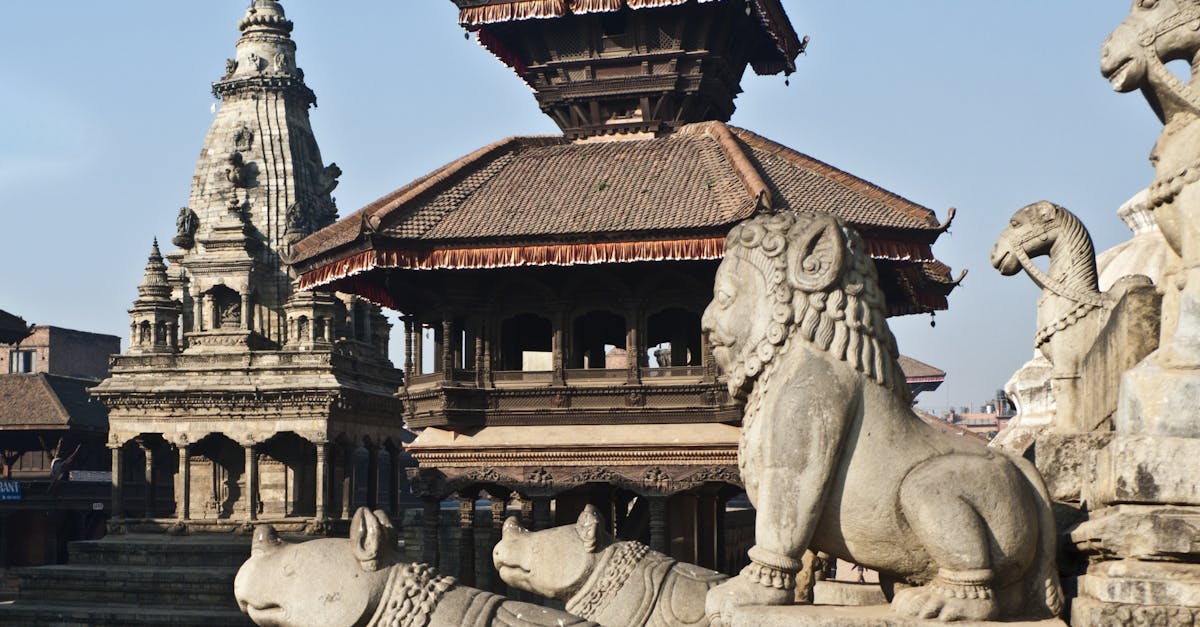
Morning (8:00 AM) — Kathmandu Durbar Square: The medieval royal plaza (NPR 1,000 for foreigners) is a concentrated showcase of Newar architecture — ornately carved wooden temples, palace buildings, and the living goddess Kumari's residence. The 2015 earthquake damaged several structures, but restoration is ongoing and the atmosphere remains powerful.
Late Morning — Thamel Walking: The tourist and trekking quarter is chaotic, colorful, and essential. Browse trekking gear shops (good-quality counterfeit brands), Tibetan singing bowls, and thangka paintings. The narrow alleys reward wandering. Lunch at a rooftop restaurant — momos (dumplings) with tomato achar cost NPR 250-400.
Afternoon (3:00 PM) — Swayambhunath (Monkey Temple): This 2,500-year-old Buddhist stupa (NPR 200) sits atop a hill overlooking the entire Kathmandu Valley. Climb 365 steps (watch the monkeys) to the painted eyes of the Buddha gazing in all four directions. The valley panorama at sunset is the best view in Kathmandu.
Evening — Thamel Dining: Dine at Fire & Ice Pizzeria (the best pizza in Kathmandu, oddly famous, NPR 600-800) or go traditional at Bhojan Griha (NPR 1,500 fixed-price Nepali thali feast with cultural performance).
Pashupatinath, Boudhanath & Patan
Morning (7:00 AM) — Pashupatinath Temple: Nepal's holiest Hindu temple (NPR 1,000) on the Bagmati River. Non-Hindus cannot enter the main temple but can observe the cremation ghats from the opposite bank — a profound and sometimes confronting window into Hindu death rituals. Morning ceremonies are the most active. Dress respectfully.
Mid-Morning — Boudhanath Stupa: A 15-minute taxi ride brings you to one of the world's largest Buddhist stupas (NPR 400). Tibetan refugees built monasteries around its base, creating a Little Tibet in Kathmandu. Walk clockwise around the stupa, spinning prayer wheels, while monks chant from surrounding rooftops. The rooftop cafes offer the best views.
Afternoon — Patan Durbar Square: Cross the Bagmati River to Patan (NPR 1,000), the Kathmandu Valley's most artistically refined city. The Durbar Square here is arguably more beautiful than Kathmandu's — the Krishna Mandir and Patan Museum (housed in a palace) are exceptional. The surrounding streets are the center of traditional metalwork and woodcarving.
Evening — Patan Dining: Dalo Restaurant in Patan serves excellent Newari cuisine — choila (spiced grilled meat, NPR 350), wo (lentil pancakes, NPR 200), and aila (local rice liquor, NPR 150/glass).
Bhaktapur & Mountain Views
Morning — Nagarkot Sunrise (Optional): An hour's drive from Kathmandu, Nagarkot (2,195m) offers panoramic Himalayan views including Everest on clear days. Stay overnight or take a pre-dawn taxi (NPR 3,000-4,000 one way). Best October-March when skies are clearest.
Midday — Bhaktapur: The best-preserved medieval city in the valley (NPR 1,500, valid 1 week). Bhaktapur Durbar Square, Nyatapola Temple (the tallest pagoda in Nepal), and the Pottery Square where artisans throw clay in the sun are highlights. The city feels genuinely frozen in time. Allow 3-4 hours minimum.
Afternoon — Bhaktapur Curd & Streets: Try juju dhau — Bhaktapur's famous "king of yogurt" (NPR 80-100 per bowl), a rich, creamy curd served in clay pots. Wander the backstreets where medieval Newari houses lean at angles no building inspector would approve. Buy handmade pottery directly from artisans in Pottery Square (NPR 200-2,000).
Evening — Garden of Dreams: Back in Kathmandu, visit this restored neoclassical garden in the heart of Thamel (NPR 400). Stucco pavilions, water features, and lush plantings create an oasis of calm. End your trip with a quiet coffee or cocktail inside the garden.

Practical Tips
Nepal's charm lies in its imperfect infrastructure and the warmth of its people. Load shedding (planned power cuts) still affects cities — most hotels have generators but carry a portable charger. Wi-Fi is available but slow. ATMs are common in Kathmandu and tourist areas. Visa on arrival is available for most nationalities ($30 for 15 days, $50 for 30 days) at Tribhuvan Airport.
Altitude is a factor only if trekking above 2,500 meters — the Kathmandu Valley at 1,400 meters is fine for everyone. If continuing to higher treks, budget 1-2 days for acclimatization. For food safety, avoid raw salads, unpeeled fruits, and tap water. Bottled water (NPR 25-50), peelable fruits, and cooked-to-order food are safe. Pharmacies sell common medications over the counter.
The best months to visit are October-November (clear skies, festivals including Dashain and Tihar) and March-April (warmer, wildflowers, less haze). The monsoon (June-September) brings heavy rain and landslides that can block roads. Winter (December-February) is cold, especially at night, but brings clear mountain views and fewer tourists. Budget $25-40/day for comfortable mid-range travel in Kathmandu.
Best Times to Visit & Budgeting
Timing your visit matters enormously for both weather and crowds. Peak tourist seasons bring higher prices, sold-out accommodations, and crowded attractions. Shoulder seasons (the weeks just before and after peak) often deliver the best balance — good weather, manageable crowds, and reasonable prices. Off-season travel is the cheapest but check for monsoon rains, extreme heat, or seasonal closures.
Budget planning for three days should account for accommodation (30-40% of total), food (20-25%), transport (15-20%), activities and entrance fees (15-20%), and a contingency buffer (10%). The biggest savings come from choosing accommodations wisely — a well-located mid-range hotel that eliminates taxi costs can be cheaper than a budget hotel in a remote area plus daily transport.
Travel insurance is non-negotiable. A single hospital visit in most Asian countries costs more than a year of comprehensive travel insurance (0-80 for a 2-week trip). Ensure your policy covers emergency medical evacuation — this is the expensive scenario that justifies the premium. Download your policy documents to your phone for offline access.
Currency exchange tips: ATMs generally offer better rates than airport exchange counters. Withdraw larger amounts less frequently to minimize per-transaction fees. Carry some US dollars (0-100) as universal backup — they're accepted in emergencies across most of Asia. Notify your bank of travel plans to prevent card blocks. Use a travel-specific card (Wise, Revolut) for the best exchange rates and lowest fees.
Download essential apps before arriving: Google Maps (with offline maps for your destination), Google Translate (with offline language packs), the local ride-hailing app (Grab for Southeast Asia, DiDi for China, Uber/Ola for India), and your accommodation booking confirmation. A portable battery pack (10,000-20,000 mAh) keeps your phone alive through a full day of navigation, photography, and ride-hailing.
Day Trips from Kathmandu
The Kathmandu Valley is ringed with destinations reachable in an hour or less that provide dramatic contrasts to the capital's urban intensity. Bhaktapur and Patan are UNESCO sites in their own right, but several less-visited options reward travellers who venture a little further.
Nagarkot (2,195 metres, 32 km east of Kathmandu) is the closest and most rewarding mountain viewpoint from the valley. On clear mornings between October and March, the panorama from the ridge takes in a 200-kilometre arc of Himalayan peaks including Everest (8,849 m), Lhotse, Makalu, Cho Oyu, Langtang, and Ganesh Himal. A taxi one-way costs NPR 3,000-4,500; the bus from Bhaktapur costs NPR 50. Several simple guesthouses offer overnight stays from NPR 800-1,500 per room, making a sunrise arrival viable. The walk downhill from Nagarkot to Bhaktapur (3-4 hours through pine forest and rice terraces) is one of the best easy treks in Nepal.
Dhulikhel (30 km southeast, NPR 50 by local bus from Kathmandu's City Bus Park) is a Newari hill town with its own Durbar Square, fine mountain views, and far fewer visitors than Nagarkot. The Dhulikhel Mountain Resort terrace serves excellent dal bhat (NPR 500) with Himalayan views while you eat. From Dhulikhel, the Namobuddha stupa (a 3-hour circular hike or NPR 1,500 by jeep) is a significant Tibetan Buddhist pilgrimage site on a forested ridge with monasteries, prayer flags, and views that feel genuinely remote despite being only 45 minutes from the valley rim.
Changu Narayan (6 km north of Bhaktapur) is Nepal's oldest Hindu temple, dated to the 4th century CE and a UNESCO World Heritage Site rarely visited by tourists who gravitate toward the more famous Durbar Squares. The hilltop complex has exceptional stone and metal sculptures spanning 15 centuries of Licchavi and Malla craftsmanship — artworks that would fill a major museum if removed from context. Entry is NPR 300, the hilltop village surrounding the temple is genuinely atmospheric, and from the viewpoint you can see both Kathmandu and Bhaktapur spread across the valley. Shared jeeps from Bhaktapur cost NPR 50-100 per person.
Kirtipur, the Newari hilltown immediately southwest of Kathmandu (NPR 30 by local bus from Ring Road), is the valley's most overlooked historic settlement. It was the last Newar city to resist Prithvi Narayan Shah's unification campaign in 1768 and retains a fierce independence in character. The Uma Maheshwar and Chilancho Vihar temples, the old city walls, and the rooftop views over the valley are extraordinary — and on any given afternoon you will share them with perhaps a handful of visitors and a great many curious local children.