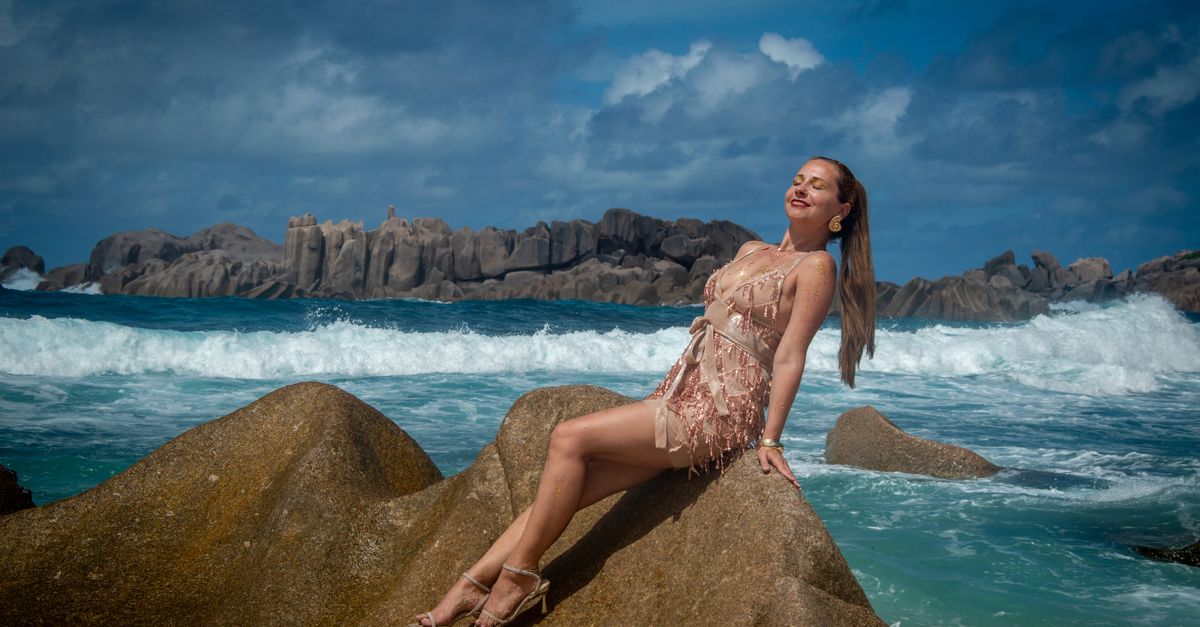
Seychelles exists on its own terms — loud where it wants to be loud, quiet where quiet serves it, beautiful in ways that range from the monumental to the accidental. It demands engagement and repays attention with discovery.
This 3-day itinerary covers the essential Seychelles: the landmarks that anchor its identity, neighborhoods that pulse with local energy, and food that ranges from street-level perfection to restaurant refinement. Bring comfortable shoes and genuine curiosity.

Mahé Island
Morning (8:00 AM) — Victoria market and clocktower: The atmosphere builds gradually as you explore — from initial orientation to genuine immersion. Allow at least an hour, more if you read every plaque and peer around every corner. The surrounding streets offer good cafes for a post-visit debrief over coffee or a cold drink. Check opening hours in advance as seasonal schedules vary.
Mid-Morning (10:30 AM) — Beau Vallon Beach swim: This is one of Seychelles's defining experiences — photographs cannot fully convey the combination of visual impact and cultural significance. Spend at least 45 minutes here, preferably in the morning when the light is best and crowds are manageable. The views from elevated sections reward the climb, offering a perspective that reframes the city's layout.
Afternoon (1:00 PM) — Morne Seychellois hike: Arrive early — by midday the tour groups arrive in force. The atmosphere is best appreciated at a slow pace, with stops to absorb details that reveal themselves only to those paying attention. A local guide can unlock layers of meaning invisible to the uninstructed eye. Budget at least an hour and resist the urge to rush.
Late Afternoon (3:30 PM) — Anse Intendance beach: The combination of natural beauty and human history here creates an experience on multiple levels. First-time visitors often focus on the photogenic elements, but the deeper reward comes from understanding why this place exists and what it means to the people who live here. Take your time — the place is not going anywhere.
Evening (6:00 PM) — Mission Lodge viewpoint: What makes this stop essential is how it connects to Seychelles's larger story — a narrative of decisions, ambitions, and compromises that explain why the city looks and feels the way it does. Experiencing it in person adds a dimension that reading about it cannot replicate.
Praslin Island
Morning (8:00 AM) — Ferry to Praslin: The atmosphere builds gradually as you explore — from initial orientation to genuine immersion. Allow at least an hour, more if you read every plaque and peer around every corner. The surrounding streets offer good cafes for a post-visit debrief over coffee or a cold drink. Check opening hours in advance as seasonal schedules vary.
Mid-Morning (10:30 AM) — Vallée de Mai UNESCO coco de mer: This is one of Seychelles's defining experiences — photographs cannot fully convey the combination of visual impact and cultural significance. Spend at least 45 minutes here, preferably in the morning when the light is best and crowds are manageable. The views from elevated sections reward the climb, offering a perspective that reframes the city's layout.
Afternoon (1:00 PM) — Anse Lazio beach: Arrive early — by midday the tour groups arrive in force. The atmosphere is best appreciated at a slow pace, with stops to absorb details that reveal themselves only to those paying attention. A local guide can unlock layers of meaning invisible to the uninstructed eye. Budget at least an hour and resist the urge to rush.
Late Afternoon (3:30 PM) — Anse Georgette walk: The combination of natural beauty and human history here creates an experience on multiple levels. First-time visitors often focus on the photogenic elements, but the deeper reward comes from understanding why this place exists and what it means to the people who live here. Take your time — the place is not going anywhere.
Evening (6:00 PM) — Evening on Praslin: What makes this stop essential is how it connects to Seychelles's larger story — a narrative of decisions, ambitions, and compromises that explain why the city looks and feels the way it does. Experiencing it in person adds a dimension that reading about it cannot replicate.
La Digue Island
Morning (8:00 AM) — Ferry to La Digue: The atmosphere builds gradually as you explore — from initial orientation to genuine immersion. Allow at least an hour, more if you read every plaque and peer around every corner. The surrounding streets offer good cafes for a post-visit debrief over coffee or a cold drink. Check opening hours in advance as seasonal schedules vary.
Mid-Morning (10:30 AM) — Anse Source d-Argent by bicycle: This is one of Seychelles's defining experiences — photographs cannot fully convey the combination of visual impact and cultural significance. Spend at least 45 minutes here, preferably in the morning when the light is best and crowds are manageable. The views from elevated sections reward the climb, offering a perspective that reframes the city's layout.
Afternoon (1:00 PM) — L-Union Estate tour: Arrive early — by midday the tour groups arrive in force. The atmosphere is best appreciated at a slow pace, with stops to absorb details that reveal themselves only to those paying attention. A local guide can unlock layers of meaning invisible to the uninstructed eye. Budget at least an hour and resist the urge to rush.
Late Afternoon (3:30 PM) — Grand Anse beach: The combination of natural beauty and human history here creates an experience on multiple levels. First-time visitors often focus on the photogenic elements, but the deeper reward comes from understanding why this place exists and what it means to the people who live here. Take your time — the place is not going anywhere.
Evening (6:00 PM) — Nid d-Aigle viewpoint: What makes this stop essential is how it connects to Seychelles's larger story — a narrative of decisions, ambitions, and compromises that explain why the city looks and feels the way it does. Experiencing it in person adds a dimension that reading about it cannot replicate.

Budget Breakdown (Per Person, 3 Days)
| Category | Budget | Mid-Range | Luxury |
|---|---|---|---|
| Accommodation (3 nights) | SCR 4,500 | SCR 12,000 | SCR 45,000 |
| Food & Drinks | SCR 3,000 | SCR 7,500 | SCR 22,500 |
| Transport & Ferries | SCR 2,000 | SCR 4,500 | SCR 12,000 |
| Activities | SCR 1,500 | SCR 3,500 | SCR 10,000 |
| Total | SCR 11,000 | SCR 27,500 | SCR 89,500 |
Practical Tips for Seychelles
Getting Around
Buses on Mahé, ferries between islands covers most of Seychelles. Combine public transport for longer distances with walking for neighborhoods. Download offline maps before arriving. Multi-day transit passes almost always offer better value than single tickets.
When to Visit
Visit Seychelles during April-May, October-November for comfortable walking weather and accessible outdoor attractions. Shoulder seasons bring fewer crowds and lower prices.
Traveller Tips
Seychelles operates on a different logic than most tourist destinations. It is remote — 1,700 km east of the East African coast — small in total land area, and deliberately managed to limit visitor numbers and environmental impact. This means prices are high by regional standards, services are less predictable than in mass-market destinations, and the experience rewards travellers who plan thoroughly and hold expectations loosely. What you receive in return is access to beaches and ecosystems that remain genuinely extraordinary precisely because they are not overrun.
The Seychellois Rupee (SCR) is the local currency, though US dollars and euros are widely accepted at hotels, tour operators, and larger restaurants. Small guesthouses, local buses, and market stalls operate in SCR — carry cash in local currency for these transactions. ATMs are available in Victoria on Mahé and at Grand Anse on Praslin, but La Digue has no ATM; withdraw SCR before boarding the ferry from Praslin. Current exchange rates run approximately SCR 14–15 per US dollar.
Inter-island ferries are operated by Cat Cocos and Inter Island Ferries. The Mahé–Praslin route takes 1 hour and costs SCR 380–500 each way; Praslin–La Digue is 15 minutes and costs SCR 120. Book online at least 48 hours in advance during April–May and October–November peak seasons — ferries sell out and there is no alternative. The airport transfer on Mahé between the international terminal and Victoria costs SCR 200–300 by taxi; buses (SCR 5–10) run the same route but require a 10-minute walk to the bus stop from the terminal.
Marine parks cover the most significant dive and snorkel sites. The Sainte Anne Marine National Park off Mahé charges SCR 600 for day visitors; the St Pierre islet near Praslin costs SCR 200. Both fees are usually included in tour operator packages, so confirm before booking separately. The southeast trade wind season from June through August brings stronger surf to southern beaches on Mahé and Praslin — swimmers should check with guesthouses about current conditions before heading to Anse Intendance or Anse Georgette, where undercurrents can be serious. The calmer northwest monsoon season (November through March) makes all beaches accessible and is the preferred time for snorkelling.
Exploring Madagascar? Read our Madagascar 3-Day Itinerary for your next adventure.