Porto on a Budget: €40-60 Per Day
Porto is Western Europe's best-value city. Portugal's second city offers UNESCO-listed architecture, world-class wine, and Atlantic coastline at prices that would embarrass Paris, London, or Barcelona. Budget travellers can eat three meals, visit attractions, and drink port wine for under €50 a day. Mid-range comfort runs €60-100 and feels luxurious.
The secret is that Porto is still fundamentally a working Portuguese city — not yet fully gentrified by tourism, and priced for local incomes.

Accommodation
Hostels: €12-30 Per Night
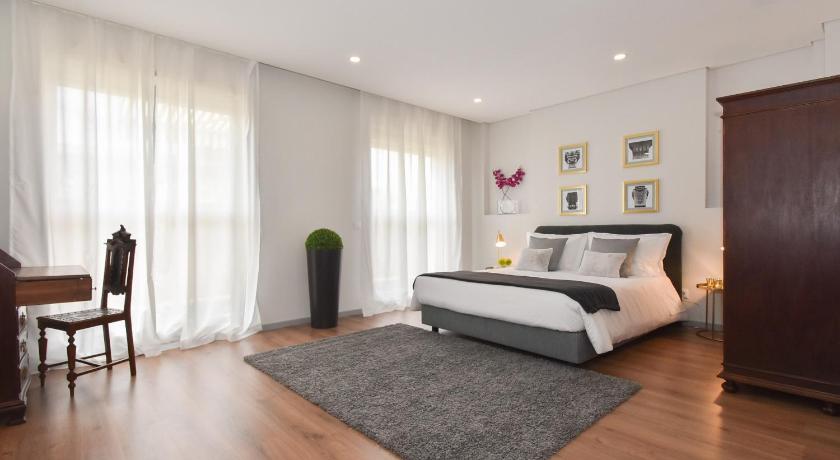
Gallery Hostel on Rua Miguel Bombarda (€18-28 dorm beds) is design-forward and central. Bluesock Hostels near São Bento Station (€15-25) is modern with excellent common areas. Rivoli Cinema Hostel (€14-22) occupies a converted cinema with character. Porto's hostel scene is among Europe's best — design, cleanliness, and location are consistently high quality.
Budget Hotels: €40-80 Per Night
Pensão Favorita in Cedofeita (€50-75) offers boutique charm at pensão prices. Hotel Ibis Porto Centro (€40-60) delivers reliable budget quality near Aliados. Airbnb apartments in the Bonfim and Cedofeita neighbourhoods cost €35-60 per night and include kitchens. Avoid staying in the Ribeira — accommodation is 30-50% more expensive for the same quality as a 10-minute walk uphill.
Transport
Metro
Porto's metro has six lines covering the city, airport, and suburbs. Single tickets cost €1.50-2.00 depending on zone (plus €0.60 for the Andante card). The airport line (Line E) connects Francisco Sá Carneiro Airport to the city centre in 30 minutes for €2.00 — one of Europe's cheapest airport transfers. Trains run every 5-15 minutes from 6 AM to 1 AM.
Walking
Porto is compact but hilly. The historic centre is walkable in 30 minutes, but those 30 minutes involve steep cobblestone streets that destroy ankles and knees. Wear sturdy shoes with good grip. Walking downhill is fine; walking uphill repeatedly is exhausting. Use the metro or Uber for the steep climbs.
Uber
Uber operates legally and cheaply. City centre to Foz do Douro costs €5-8. To Matosinhos beach €6-10. To the airport €8-15. Bolt also operates. Both are significantly cheaper than taxis and eliminate the Portuguese taxi surcharge confusion.
Free & Cheap Activities
Completely Free
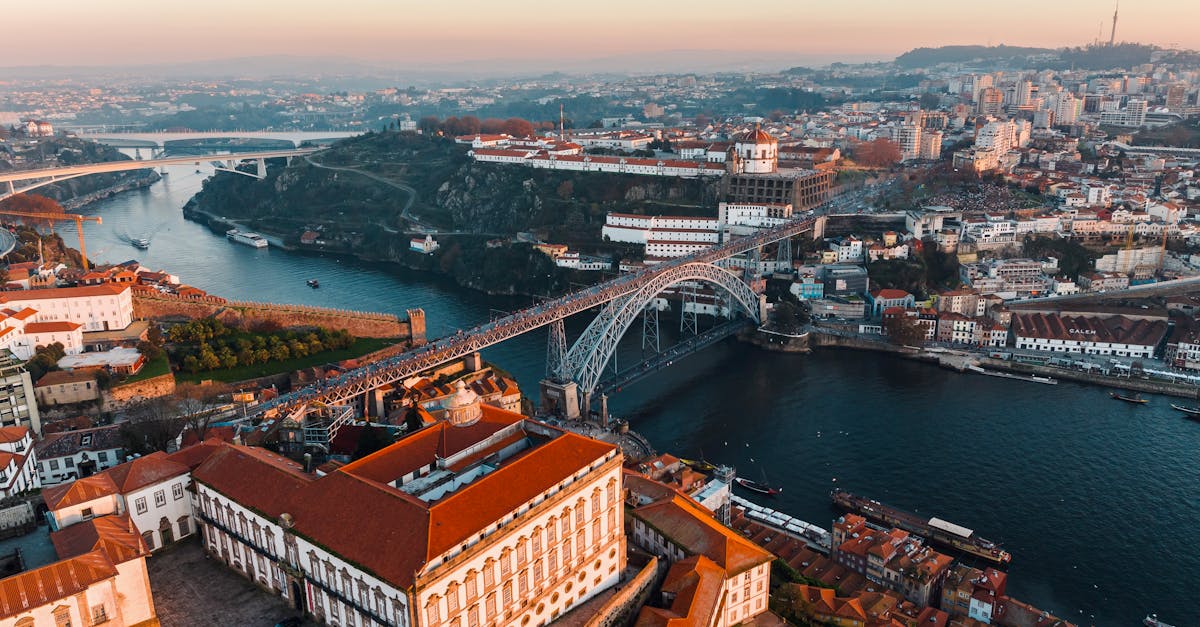
São Bento Station's azulejo hall is free. Walking the Ribeira waterfront, crossing the Dom Luís Bridge, and wandering the streets of the Sé (cathedral quarter) cost nothing. The view from the top of the Clérigos staircase (separate from the tower) is free. The Jardim do Morro viewpoint in Gaia is free and has the best sunset perspective. Church interiors (Porto Cathedral, Carmo Church exterior azulejos) are free to enter.
Under €10
The Porto Cathedral cloister (€3) has stunning azulejo panels. The Mercado do Bolhão (free entry) is a Portuguese market experience. The vintage tram No. 1 to Foz (€3) is a scenic ride along the river. The Church of São Francisco's golden interior (€8) is Porto's most jaw-dropping interior. Port wine tastings at smaller cellars (€5-10) are possible without the full tour.

Eating on a Budget
Under €5 Per Meal
Bifana sandwiches (€2.50-4) from Conga or any cafe. Pastéis de bacalhau (cod cakes, €1-2 each) from market counters or bakeries. Pastéis de nata (€1.20) with a coffee (€0.70-1.00 for an espresso). A standing lunch at a market counter — soup, bifana, and coffee — totals €5-7. Porto's bakeries sell sandwiches and pastries for €1-3.
€7-15 Per Meal
Tascas (traditional restaurants) serve prato do dia (daily plates) for €7-10 — typically soup, a main of grilled fish or meat with rice and salad, bread, and a drink. These are where local workers eat and represent the best value dining in Porto. Look for handwritten menus on chalkboards and dining rooms full of Portuguese speakers.
Supermarket Strategy
Pingo Doce and Continente supermarkets sell excellent ready-made meals (€3-5), bread (€1-2), cheese (€2-4), and wine (€3-6 per bottle of vinho verde or Douro red). A supermarket picnic on the Gaia riverbank with port wine from a cellar shop costs €8-12 for two people and comes with one of Europe's best views.
Saving on Port Wine
Skip the expensive cellar tours and visit the smaller producers — Kopke and Ramos Pinto charge €8-12 for tastings. Buy port wine from supermarkets (€5-15 for a good tawny) rather than cellar shops where identical bottles cost 30-50% more. The happy hour at many Gaia tasting rooms offers discounted glasses (€3-5) after 5 PM.
Porto Tónico (white port + tonic water + ice) is the cheapest port wine experience — €3-5 in any bar. It is refreshing, sociable, and quintessentially Porto.
| Category | Budget (€/day) | Mid-Range (€/day) |
|---|---|---|
| Accommodation | €12-25 | €40-80 |
| Food | €10-20 | €25-45 |
| Transport | €2-5 | €5-10 |
| Activities | €3-10 | €15-30 |
| Daily Total | €27-60 | €85-165 |
Porto is proof that Western Europe has budget destinations that rival Southeast Asia for value. A €50 day in Porto includes a UNESCO waterfront, world-class wine, excellent food, and a beautiful city to wander. The hills may be steep, but the prices are blissfully flat.
Money-Saving Tips
Porto rewards people who eat and drink like locals rather than like tourists. The single most impactful habit is standing at the bar rather than sitting at a table. In virtually every Portuguese cafe and tasca, the counter price for coffee, wine, and food is 15-30% cheaper than the table price — it's a legal practice and most menus list both prices. A standing espresso at the counter of a Cedofeita cafe costs €0.70; the same espresso at a tourist-facing table on the Ribeira waterfront costs €2.50.
The prato do dia (daily plate) system is Porto's best budget mechanism. Tuesday through Friday, virtually every tasca and neighbourhood restaurant serves a two-course set lunch (soup, main, sometimes dessert plus a drink) for €7-10. The plates are cooked fresh that morning using whatever arrived at market, which means they are usually the best value and best quality option on the menu. Avoid restaurants that do not show a handwritten daily plate on the door — they are either exclusively tourist-focused or have given up on the system entirely.
Museums cost less than their headline prices suggest once you account for exemptions. Porto Cathedral cloister (€3), Serralves Museum of Contemporary Art (free on the first Sunday of each month), and the Palácio da Bolsa (€10 but students pay €6) all have reduced or free entry on specific days. The Porto Card (€13 for 24 hours) is only worth buying if you plan three or more paid museum entries in a single day — otherwise the Andante transport card and individual entries are cheaper.
Buy your port wine at the supermarket, not the cellar tasting rooms. A 75cl bottle of Ramos Pinto 10-Year Tawny Port at Continente costs €11. The same bottle in a Gaia cellar shop costs €16-19. The wine is identical. Buy the bottle, collect plastic cups from your hostel, and drink it at the Jardim do Morro viewpoint with the city spread below you — this is a better experience than any tasting room, and it costs €4 per person for two sharing.
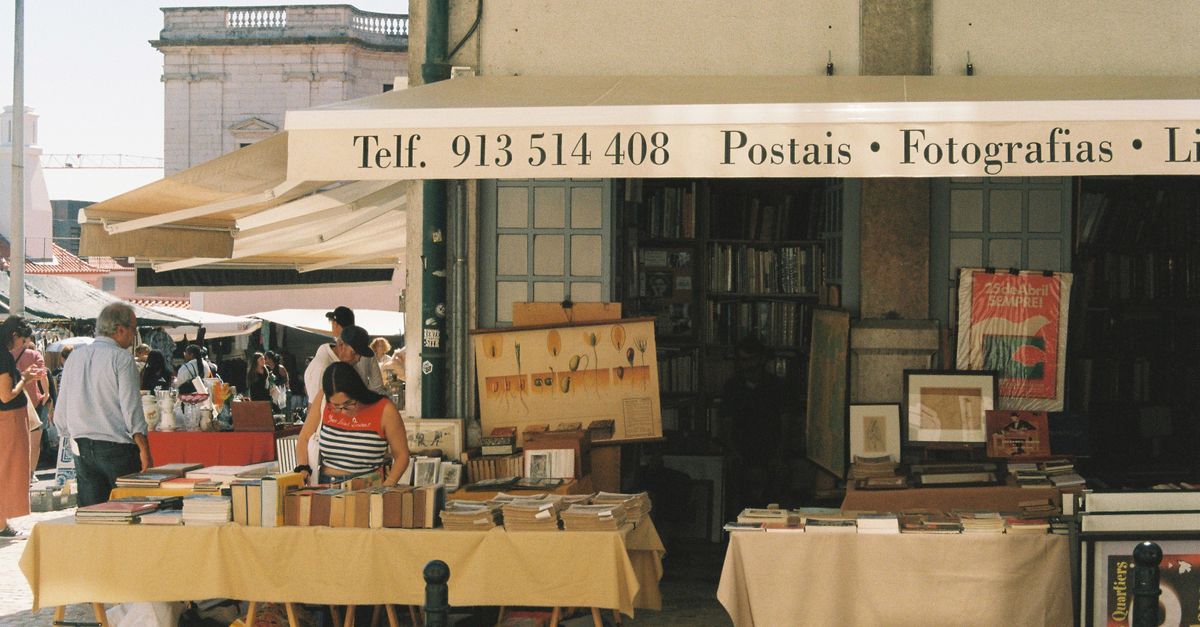
The Mercado do Bolhão (reopened after renovation, open Monday to Saturday) sells fruit, bread, cheese, and prepared foods at prices aimed at Porto residents. A wedge of Queijo da Serra (mountain sheep cheese, €4-6), a loaf of rustic sourdough (€2), and a bunch of grapes (€1.50) from different stalls make an exceptional cheap lunch to eat in the nearby Jardins da Cordoaria park. The market also has excellent cheap lunch counters at the back serving grilled sardines and bifanas for €5-8.