Porto Hidden Gems: Rua Miguel Bombarda, Matosinhos & Crystal Palace
Porto's tourist circuit — Ribeira, Livraria Lello, port wine cellars — is compact and well-trodden. But the city's most interesting corners lie in neighbourhoods that visitors overlook: a gallery street where contemporary art thrives, a beach suburb with the best seafood in Portugal, and gardens with views that rival any viewpoint in the city.
These gems are within the metro network or a short Uber ride. Most are free or cheap. All reveal a Porto that exists beyond the postcard.

Rua Miguel Bombarda: Gallery Street
In the Cedofeita neighbourhood, Rua Miguel Bombarda is Porto's contemporary art corridor. Over a dozen galleries, vintage shops, and design studios line this single street. The art ranges from emerging Portuguese painters to established international artists. Entry to all galleries is free. The monthly "Inaugurações Simultâneas" (simultaneous openings, first Saturday of each month) turns the street into an art party with wine, music, and crowds.
Galeria Fernando Santos, Galeria Presença, and Dama Aflita are the standout galleries. Between them, vintage clothing shops, independent bookstores, and specialty coffee shops (Combi Coffee and Almanaque) create a neighbourhood that feels genuinely creative rather than commercially curated. Saturday is the best day to visit — shops and galleries are all open and the Mercadinho dos Clérigos market nearby adds to the atmosphere.
Cedofeita: The Local's Porto
The broader Cedofeita neighbourhood surrounds Rua Miguel Bombarda and is where young, creative Portuenses live and eat. Rua de Cedofeita (the main commercial street) has independent shops, bakeries, and restaurants at local prices. Café Candelabro combines a bookshop and bar — browse secondhand books while drinking wine (€3-5 per glass). Zenith brunch cafe does excellent weekend brunches (€8-14).
The neighbourhood is flat (rare in Porto) and walkable. The contrast with the tourist-heavy Ribeira is striking — here, you are the only foreigner in the room, and nobody is selling you anything. It feels like the Porto that existed before the tourism boom.
Matosinhos: Beach & Seafood
Matosinhos is Porto's beach suburb, 15 minutes north by metro (Line A to Matosinhos Sul). The long sandy beach faces the Atlantic with consistent waves for surfing and a broad promenade. In summer, the beach is popular with locals — less crowded and more relaxed than the city beaches in Foz.
The real draw is the seafood. Rua do Herói de França, a street running perpendicular to the beach, is lined with charcoal grill restaurants serving the freshest seafood in the Porto region. Choose your fish at the counter — sea bass (robalo), sea bream (dourada), sardines, or octopus — and it is grilled over charcoal and served with boiled potatoes and salad. A full seafood lunch for two costs €20-40 including wine.
O Gaveto (€25-40 per person) is the most famous. A Marisqueira de Matosinhos (€15-30) and Restaurante D. Pedro (€12-25) are equally excellent with shorter waits. The fish arrives at the port that morning — freshness is guaranteed. Go for lunch when the restaurants are busiest and the grills are smoking.

Crystal Palace Gardens (Jardins do Palácio de Cristal)
Perched on a bluff above the Douro River in the Massarelos neighbourhood, the Crystal Palace Gardens are Porto's most beautiful park and its best-kept viewing secret. The original crystal palace was demolished in the 1950s and replaced with the Rosa Mota Pavilion, but the gardens remain — formal hedged paths, peacocks, fountains, and viewpoints that rival any in the city.
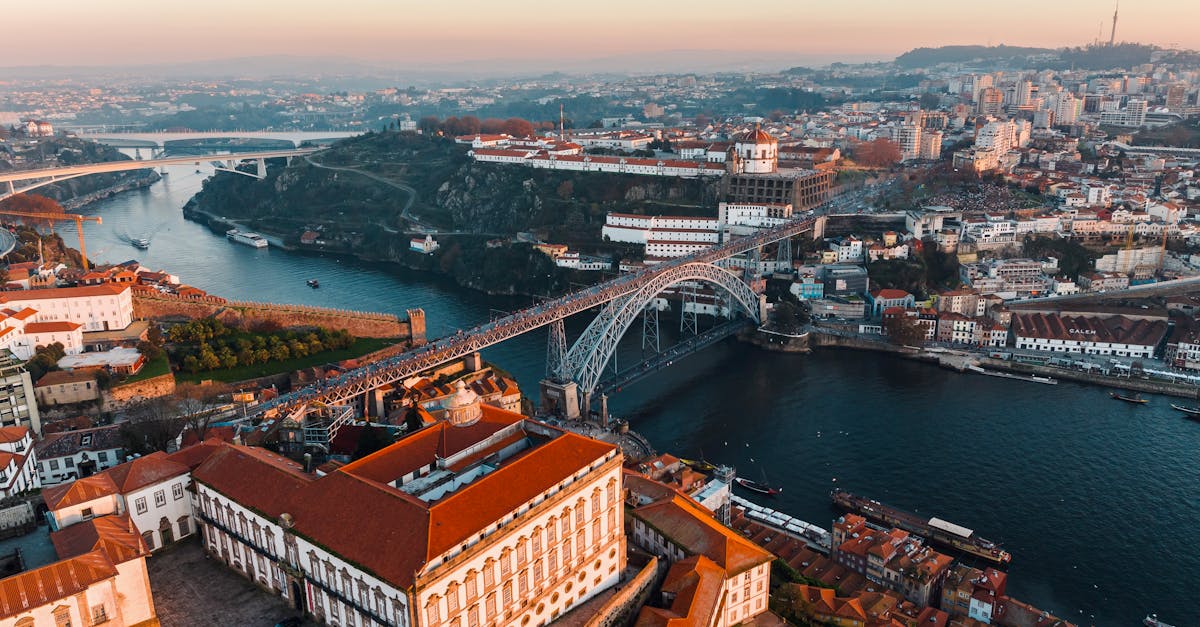
The west-facing terraces overlook the Douro as it curves toward the Atlantic. The view from the Roseiral (rose garden) terrace is arguably Porto's finest — better than the cathedral viewpoint, less crowded than the Gaia riverfront, and completely free. Sunset here, with the river turning gold below and the Arrábida Bridge silhouetted against the sky, is extraordinary.
Entry is free. The gardens are open from 8 AM to 9 PM (later in summer). Bring a picnic, a bottle of vinho verde, and a blanket. The peacocks will approach — they are accustomed to visitors and photogenically vain.
Fundação de Serralves
While the Serralves Museum appears in most guidebooks, many visitors skip it due to the distance from the centre (3 kilometres west). This is a mistake. The combination of Álvaro Siza's modernist museum building, the Art Deco Casa de Serralves, and 18 hectares of designed gardens creates one of Europe's finest cultural destinations.
The gardens alone (€10 entry) justify the visit — geometric formal gardens transition into wilder landscape zones with a lake, walking trails, and the treetop walk (a 260-metre elevated walkway through the canopy). The museum (€20 combined ticket) rotates contemporary art exhibitions by international and Portuguese artists. The architecture — clean white concrete curves through the landscape — is masterful.
Bus 201, 203, or 502 from the centre, or a 15-minute Uber (€5-8). Allow 2-3 hours for the complete experience. The Serralves cafe serves excellent light meals (€8-15) overlooking the gardens.
Other Hidden Spots
Livraria da Travessa
While tourists queue at Livraria Lello, this bookshop-cafe on Rua Ferreira Borges operates quietly with excellent Portuguese and international literature, a cafe serving coffee and wine, and zero queue. Browse, read, and drink — the experience Lello used to provide before becoming a ticketed attraction.
Igreja do Carmo Side Wall
Everyone photographs the front of Igreja do Carmo, but the massive azulejo panel on the side wall — covering the entire exterior — is equally stunning and far less crowded. The blue-and-white tiles depict the founding of the Carmelite Order. Walk around the building and stand on the adjacent street for the best photographic angle.
Cais da Ribeira to Foz Walk
The riverside walk from the Ribeira to Foz do Douro (5 kilometres, flat, 75 minutes) follows the Douro to the Atlantic. The path passes under the Arrábida Bridge and along the Passeio Alegre gardens. At Foz, the river meets the sea at a dramatic rocky point with a lighthouse. Continue along the ocean promenade for sea views. This walk is the best free activity in Porto.
| Hidden Gem | Cost (€) |
|---|---|
| Rua Miguel Bombarda galleries | Free |
| Matosinhos seafood lunch (per person) | €12-25 |
| Crystal Palace Gardens | Free |
| Serralves gardens only | €10 |
| Serralves museum + gardens | €20 |
| Ribeira to Foz walk | Free |

Porto's hidden gems reveal a city of depth beyond its famous facades. Matosinhos delivers the best seafood in Portugal for €15. The Crystal Palace Gardens offer the best view for free. And Cedofeita shows the Porto that Portuenses actually inhabit — creative, affordable, and authentic. Venture beyond the Ribeira and you find a city that rewards exploration at every turn.
Off-Season Secrets
Porto between November and February is a different city — quieter, cheaper, and in many ways more authentically itself. Hotel rates fall by 40-60% compared to the summer peak. Livraria Lello, which enforces a timed entry system and sells out daily in high season, becomes walk-in accessible. The queues at Majestic Café and at the port wine caves in Gaia disappear almost entirely. You can sit at a café table in the Ribeira for an hour without anyone hovering for the seat.
The light in Porto in winter is extraordinary — low-angle, golden, and dramatic. The azulejo tile facades catch the afternoon sun at angles that summer light never achieves. Photographers who visit in January consistently report better results than summer trips. The rain, when it comes, clears quickly and leaves the granite cobblestones gleaming. Pack a waterproof layer and embrace it.
Winter is also when Porto's local culture is most visible. The Mercado do Bom Sucesso, a covered market in the Boavista district (10 minutes on the metro from the centre), heats up in the colder months. The food court inside the market hall serves petiscos — Portuguese-style tapas — at lunch prices that reflect local reality rather than tourist season: a plate of bacalhau à Brás (shredded salt cod with scrambled eggs and crisps, €8-11) and a glass of Douro red (€2.50) at Taberna do Bom Sucesso is a genuinely good meal at a genuinely fair price.
The São João festival in June gets the press coverage, but the winter feast of São Martinho (November 11) is when Porto truly celebrates at neighbourhood scale. Chestnuts roasted over street braziers appear on every corner (€1.50 per bag). Local tascas and restaurants serve roast pork with crackling, caldo verde soup, and jeropiga (a sweet fortified wine made only in autumn). The celebration is entirely local — no tourist infrastructure, no stage events, just neighbourhoods cooking and eating together. Seek it out in Cedofeita and Bonfim.
Off-season accommodation deals in Porto are genuine. Guesthouses in the Bonfim and Cedofeita neighbourhoods — areas with no tourist infrastructure but easy metro access to the centre — drop to €40-70 per night for double rooms that cost €120-160 in July. The Bonfim neighbourhood, east of the centre, has some of Porto's best neighbourhood restaurants and a Saturday morning market at Praça de Lisboa that operates year-round regardless of weather. Winter visitors who stay in Bonfim rather than the Ribeira see a Porto that summer visitors simply cannot access.
Porto Food Guide → 3-Day Porto Itinerary →