First Time in Porto: Airport Metro, Andante Card & the Francesinha Challenge
Porto is compact, walkable (if you ignore the hills), and straightforward to navigate. The Portuguese are reserved but genuinely helpful — less immediately effusive than the Spanish but deeply kind once you engage. This guide covers the practical details that make a first visit smooth: airport transfer, transport cards, tipping customs, and the physical reality of a city built on steep granite hills.
The essential message: Porto is easy, affordable, and rewarding. Bring comfortable shoes.

Airport to City
Francisco Sá Carneiro Airport (OPO)
Porto's airport sits 11 kilometres northwest of the city centre. The metro Line E (purple) runs from the airport to the centre every 20-30 minutes, reaching Trindade (the main interchange) in 30 minutes. Cost: €2.00 for the trip plus €0.60 for an Andante card. Total: €2.60 for the cheapest airport-to-city transfer in Western Europe.
Buy your Andante card and ticket from the machines in the arrivals hall — they accept cards and coins. If arriving after midnight, Uber costs €12-20 to the centre. Official airport taxis cost €20-30 (fixed price to city centre, displayed at the taxi rank). The metro is the clear winner for price and convenience during operating hours (6 AM to 1 AM).
Andante Card
The Andante is Porto's reusable transport card. Buy one (€0.60) at any metro station machine. Load single trips (€1.50 per zone) or 24-hour (€4.15) or 72-hour (€12.40) passes. The card covers metro, most buses, and the funicular. It does not cover vintage trams (€3 per trip). Zone 2 covers the entire urban area including Vila Nova de Gaia — you rarely need Zone 3.
The Hills: A Physical Reality
Porto is built on steep granite hills rising from the Douro River. The climb from the Ribeira to the Cathedral involves approximately 80 metres of elevation gain over 500 metres of cobblestone. In summer heat, this is exhausting. In wet weather, the cobblestones become dangerously slippery.
Strategies: use the Guindais Funicular (€2.50, Andante card) between the Ribeira and upper city. Take the metro to bypass steep sections. Walk downhill and ride uphill. Wear shoes with rubber soles and ankle support — fashion footwear is a liability on Porto's streets.
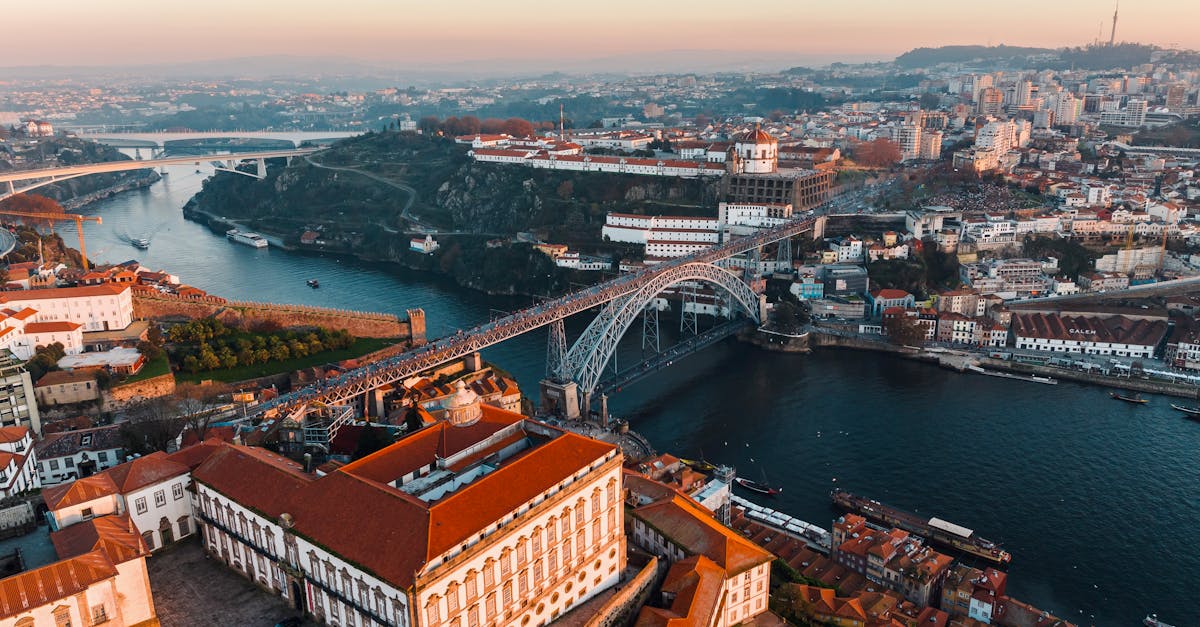
The Dom Luís Bridge has two levels — the upper deck (45 metres high, connected to the upper city on both sides) and the lower deck (street level, for cars and pedestrians). Both are pedestrian-accessible. The upper deck is the scenic route but involves heights that affect some people.
Tipping
Portugal does not have an American-style tipping culture. Restaurant bills do not include service charge. Rounding up the bill or leaving small change (€1-2) is common and appreciated. At fine dining, 5-10% is generous. Tipping at cafes for coffee is not expected. Taxi drivers do not expect tips — rounding up to the nearest euro is courteous. Nobody will judge you for not tipping.

The Francesinha Challenge
Every first-time visitor must try a francesinha — Porto's calorie-bomb sandwich of ham, sausage, steak, cheese, and spicy beer sauce. The "challenge" is finishing one. They are enormous. The sauce is rich. The cheese is molten. One francesinha is a full meal; two would be medical irresponsibility.
Ground rules: eat at a Portuguese-language restaurant (not a tourist trap). Café Santiago, Bufete Fase, and Capa Negra II are the holy trinity. Do not order a salad on the side — it will arrive and sit untouched. Order a Super Bock beer to cut the richness. Eat slowly. Do not plan physical activity afterward. Budget €10-15 for the experience.
When to Visit
Summer (June-September): warm, sunny, 20-30 degrees. Peak tourist season. Beaches are swimmable. Book accommodation early. Autumn (October-November): pleasant, 15-22 degrees, fewer crowds. Porto's best-value season. Winter (December-February): cool, rainy, 8-15 degrees. Atmospheric but wet. Hotel prices drop 30-50%. Spring (March-May): warming up, wildflowers, 14-22 degrees. Excellent shoulder season.
Porto's weather is Atlantic — rain is possible year-round, but summer is reliably dry and sunny. The Douro Valley (wine country day trips) is best in September-October during harvest season.
Neighbourhoods to Know
Ribeira & Sé
The historic waterfront (UNESCO) and cathedral quarter. The most beautiful area and the most touristic. Stay here for atmosphere; eat here cautiously (tourist traps are common along the waterfront — walk one block back for better value).
Cedofeita & Bonfim
Residential neighbourhoods north of the centre with excellent cafes, restaurants, and nightlife at local prices. Rua Miguel Bombarda in Cedofeita has galleries, vintage shops, and the Saturday Mercadinho dos Clérigos market. These are where young Portuenses live and eat.
Vila Nova de Gaia
Across the river — technically a separate city, functionally an extension of Porto. The port wine cellars line the hillside. The Gaia riverfront promenade offers the best views of Porto's Ribeira. The cable car (€6 one-way, €9 return) rises from the waterfront to the upper level near the bridge.
Practical Essentials
| Essential | Cost (€) |
|---|---|
| Airport metro to centre | €2.60 |
| Andante card | €0.60 |
| 24-hour transport pass | €4.15 |
| 72-hour transport pass | €12.40 |
| Uber airport to centre | €12-20 |
| SIM card (10GB) | €15-20 |

Porto is a forgiving city for first-timers. The transport works, the food is excellent at every price point, and the Portuguese will help you in their understated way if you ask politely. Bring walking shoes, carry a rain jacket in your bag, and do not leave without eating a francesinha. Once is enough. Once is mandatory.
Common Mistakes to Avoid
Porto is easy to love but surprisingly easy to get wrong on a first visit. Most mistakes are logistical rather than cultural — the kind that burn half a day or cost unnecessary money. Here is what experienced travelers wish they had known before arriving.
Booking the wrong side of the river. Many accommodation search results include hotels in Vila Nova de Gaia — across the Douro — without clearly labelling them as such. Gaia is a legitimate base, but you will cross the bridge constantly. If you want to walk out your door into Porto's streets, filter results to the Porto postal codes (4000–4150). Distance on the map looks small; on foot across those cobblestones, it adds up.
Wearing the wrong shoes. Porto's cobblestone streets are beautiful and lethal in wet weather — smooth-soled shoes become ice skates on damp granite. Fashion trainers and leather-soled shoes cause twisted ankles at a reliable rate. Rubber-soled walking shoes or trail trainers are the correct answer. This is not optional. The descent from the cathedral (Sé) to the Ribeira has caused more ruined holidays than bad weather.
Eating on the Ribeira waterfront. The restaurants lining the river in the Ribeira are, almost without exception, tourist traps — overpriced menus, mediocre food, and service pitched at people who won't return. Walk one block back from the waterfront into the lanes of the old city and quality doubles while prices halve. Cantina 32 on Rua das Flores and Taberna dos Mercadores just off the waterfront show the difference clearly.
Underestimating how early restaurants stop serving. Porto's kitchen culture is decidedly European: lunch service runs 12:30–3 PM and dinner from 7:30–10 PM. Arriving at a restaurant at 10:30 PM expecting to be seated for dinner will result in a closed kitchen, even if the front door is still open. Plan accordingly. The exception is francesinhas — dedicated francesinha restaurants often serve until midnight.
Skipping the Douro Valley day trip. Porto is a magnificent base for a half-day or full-day trip into the Douro Valley wine country 90 minutes east. Hiring a car (from €35/day) or joining a wine tour (€45–65) transforms a great city break into an unforgettable one. Harvest season (September–October) is when the valley is most spectacular, but the terraced vineyards are worth the trip year-round.
Only doing port wine cellars. The Gaia cellars (Taylor's, Graham's, Sandeman) are well run and genuinely interesting, but the guided tours follow almost identical formats at each. Pick one or two that interest you rather than treating it as a checklist. Graham's has the most spectacular views; Taylor's has the best tasting selection; Ferreira is the best value for serious wine drinkers at around €15–20 for a quality tasting.