Paris has a reputation problem. Somewhere between the luxury fashion houses, the €18 Champs-Élysées coffees, and the Ritz Hotel's €1,200-per-night suites, the world decided that Paris is only for people with deep pockets.
This is wrong. Spectacularly, demonstrably wrong. The Paris that most Parisians actually live in — the Paris of €1.20 baguettes eaten on canal banks, €12 three-course meals at Belle Époque bouillons, free Sunday afternoons in world-class museums, and €3 bottles of perfectly drinkable wine from the supermarket — is one of the most affordable great cities in Europe.
You just have to know where to look, which is to say: everywhere that isn't the 1st, 6th, 7th, or 8th arrondissements.
Over multiple extended stays, I've consistently proven that Paris can be done well on €60-90 per day, including accommodation, three meals, transport, and cultural activities. A disciplined backpacker can push that to €40-55.
This isn't about eating supermarket bread in a dingy hostel and staring at monuments from the outside — it's about accessing the real Parisian experience, which was never about luxury in the first place. It was always about the quality of a simple meal, the beauty of a free public space, and the pleasure of walking through neighborhoods where every street corner has something worth seeing.

Budget Accommodation: Where to Sleep Without Emptying Your Wallet
Accommodation is your largest expense in Paris, but the range between budget and mid-range is narrower than you'd think, especially if you target the right neighborhoods and book strategically.
Hostels (€25-40 per night)
Paris has a strong hostel scene, with options ranging from party-oriented to quiet and design-focused. St Christopher's Inn Canal in the 10th arrondissement offers clean dorms from €28 with a ground-floor bar, canal-side location, and excellent breakfast for an additional €6.
Generator Paris near Gare du Nord occupies a stunning Belle Époque building with a rooftop terrace, modern dorms from €25, and a social atmosphere without being aggressively party-focused. Le Village Montmartre sits on a quiet street below Sacré-Cœur with dorms from €30 and a garden courtyard — one of the most charming hostel settings in Europe.
MIJE operates three hostels in converted 17th-century mansions in the Marais, the most beautiful district in Paris, with dorms from €35 — the buildings alone are worth the stay. Les Piaules in Belleville offers rooftop views, a trendy bar, and modern dorms from €32 in one of Paris's most vibrant multicultural neighborhoods.
For solo travelers, hostels are the obvious choice, and the quality in Paris is significantly above average for Western Europe.
Budget Hotels — 10th, 11th, and 18th Arrondissements (€60-90 per night)
Paris's budget hotel sweet spot lies in the neighborhoods that are vibrant, well-connected, and full of character, but not yet fully gentrified into tourist pricing. The 10th arrondissement around Canal Saint-Martin and Gare du Nord has dozens of small hotels in the €60-80 range — Hôtel du Nord (from €65) and Hôtel Taylor (from €60) offer clean, compact rooms with en-suite bathrooms in a neighborhood packed with excellent restaurants and bars.
The 11th arrondissement around Oberkampf, Bastille, and Charonne is Paris's nightlife district with budget hotels like Hôtel Original Paris (from €70) and Hôtel Beaumarchais (from €75) offering more personality than chain hotels at comparable prices. The 18th arrondissement beyond the tourist strip of Montmartre — particularly around Jules Joffrin and Barbès — has the cheapest hotel rooms in central Paris, with functional doubles from €50-65 at places like Hôtel Bonsejour Montmartre (from €55) and Le Relais Montmartre (from €70).
All three arrondissements have direct metro access to everywhere you want to go.
Apartment Rentals
For stays of 4+ nights, especially for couples or groups, a small apartment rental in the 10th, 11th, 18th, 19th, or 20th arrondissement offers the best value proposition in Paris. A studio with a kitchenette runs €50-80 per night on weekly rates, and the kitchen alone saves €15-25 daily on meals.
The ability to buy baguettes, cheese, charcuterie, and wine from local shops and eat on your own balcony or at a nearby park is, frankly, one of the most Parisian experiences available at any budget level.
The metro makes location almost irrelevant for sightseeing: you're never more than 25 minutes from anywhere.
Eating in Paris on a Budget: €5-18 Meals That Don't Compromise
Parisian food culture is built on two parallel tracks: the world of starred restaurants and grand brasseries, and the everyday world of boulangeries, marchés, and neighborhood bistros where working Parisians eat extremely well for very little. The budget track is not a consolation prize — it's the authentic foundation of French food culture.
Bouillons: Three-Course Meals for €12-18
Bouillons are Paris's greatest budget dining secret, and they're hiding in plain sight. These are large, ornate Belle Époque dining halls that were originally created in the 1890s to serve affordable meals to Parisian workers.
Several have been restored and reopened, serving classic French food at prices that seem like a misprint. Bouillon Chartier (9th arrondissement) is the most famous — a stunning 1896 dining room with painted ceilings, mirrored walls, and brass coat racks, serving starters like oeuf mayonnaise (€2.50), leek vinaigrette (€3.20), or pâté de campagne (€3.40), mains like roast chicken with fries (€8.90), steak haché with pepper sauce (€9.50), or duck confit with sautéed potatoes (€11.50), and desserts like crème caramel (€3.20) or profiteroles (€4.50).
A full three-course meal with a carafe of house wine comes to €15-22. Bouillon Julien (10th arrondissement) is even more beautiful — an Art Nouveau masterpiece with stained glass and mahogany — with similar pricing.
Bouillon Pigalle and Bouillon République are newer additions to the scene, equally affordable. No reservations needed; expect a short queue during peak hours (12:30-1:30 PM and 8-9 PM) that moves quickly.
Boulangerie Lunch (€5-8)
Every neighborhood boulangerie sells sandwiches (jambon-beurre for €3.50-4.50, poulet crudités for €4.50-5.50), quiches (€3.50-4.50 per slice), and savory pastries (croque monsieur, pizza slices, pan bagnat) that constitute a perfectly satisfying lunch for €5-8. The key is choosing a boulangerie that bakes on premises — look for "artisan boulanger" on the sign and a queue of locals at lunchtime.
A good jambon-beurre on a fresh baguette with real butter and quality ham is one of the great simple pleasures of French food. Add a €1.20-1.50 baguette tradition and you've understood something fundamental about why the French protect their food culture so fiercely.
Many boulangeries also offer a "formule déjeuner" — a sandwich or quiche plus a drink and a pastry for €7-9.
Market Picnics (€8-12 per person)
Paris has over 80 open-air and covered markets operating throughout the week. The strategy is simple: buy a fresh baguette (€1.20), a wedge of cheese (€3-5 for enough to share), some charcuterie or pâté (€3-5), seasonal fruit (€2-3), and a bottle of wine (€3-5 from a supermarket, or €5-8 from a caviste).
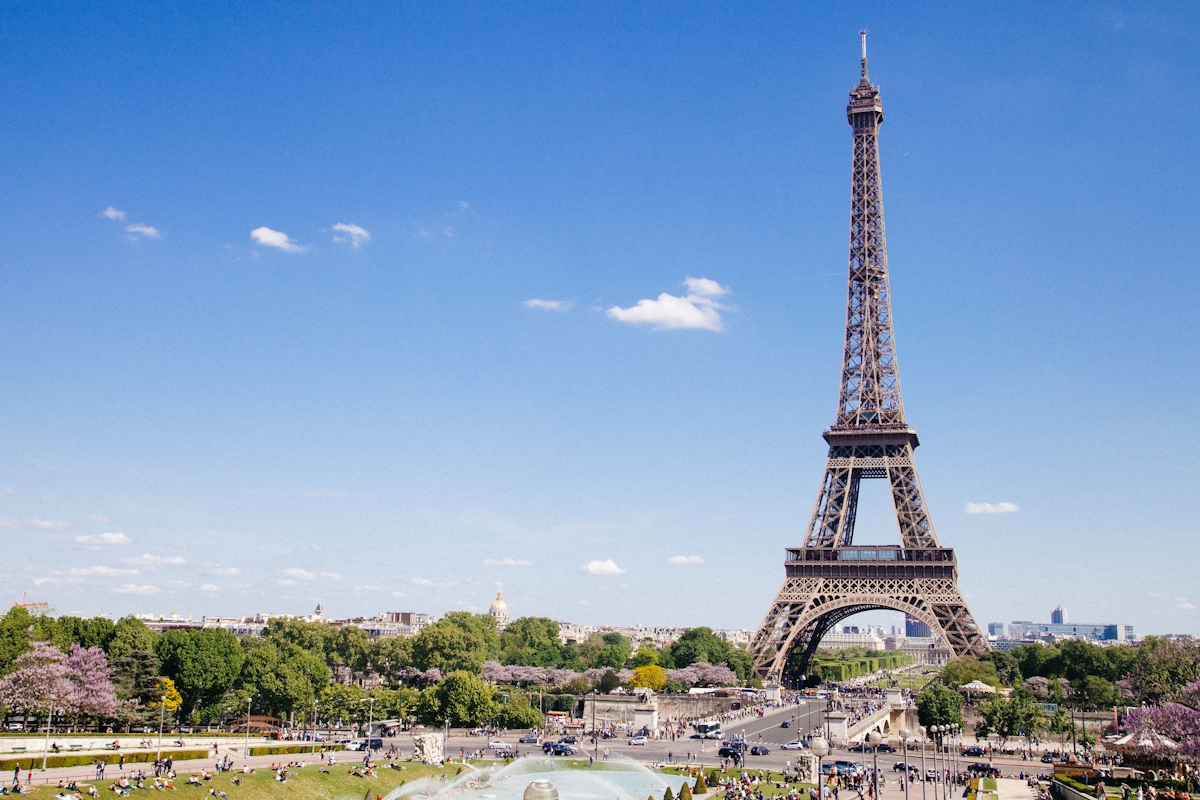
Take your haul to the banks of the Canal Saint-Martin, the Luxembourg Gardens, the banks of the Seine on Île Saint-Louis, or the Champ de Mars under the Eiffel Tower. This isn't budget dining in the compromised sense — this is how many Parisians prefer to eat on warm evenings.
Marché d'Aligre (12th), Marché des Enfants Rouges (3rd, the oldest covered market in Paris with prepared food stalls), and Marché Bastille (11th, Thursday and Sunday mornings) are the best markets for food shopping.
Budget Restaurant Strategies
Beyond bouillons, Paris offers several categories of affordable dining. Crêperies serve savory galettes (buckwheat crêpes with fillings like ham-cheese-egg or ratatouille) for €7-11 and sweet crêpes for €4-8 — a galette complète (ham, cheese, egg) with a bowl of cider is a classic cheap Parisian dinner for about €12-15.
Vietnamese and Chinese restaurants in the 13th arrondissement (Paris's Chinatown) serve enormous bowls of pho for €8-10 and stir-fried dishes for €8-12. North African restaurants in Belleville and the 18th serve couscous royale (with multiple meats) for €12-15 — portions are massive.
Turkish and Kurdish restaurants around Strasbourg-Saint-Denis offer grilled meat plates with rice, salad, and bread for €8-12. The "plat du jour" (daily special) at neighborhood bistros typically costs €10-14 and is the chef's best value offering — always ask.
The €1.20 Baguette
A baguette tradition from a good boulangerie is one of the world's great bargains. Crisp, shattering crust with a soft, slightly chewy interior that smells of wheat and fermentation. Tear off chunks and eat with cheese, with soup, with nothing at all.
This is not a side item — in French food culture, the baguette is the foundation upon which everything else is built. At €1.20-1.50, it might be the best food value in any major Western city.

Free Things to Do in Paris
Paris may have the world's richest collection of free cultural experiences. The city's philosophy of public space — that beauty, art, and culture belong to everyone — means that many of its greatest treasures require nothing more than walking through the door or along the riverbank.
Notre-Dame Cathedral (Exterior and Surroundings)
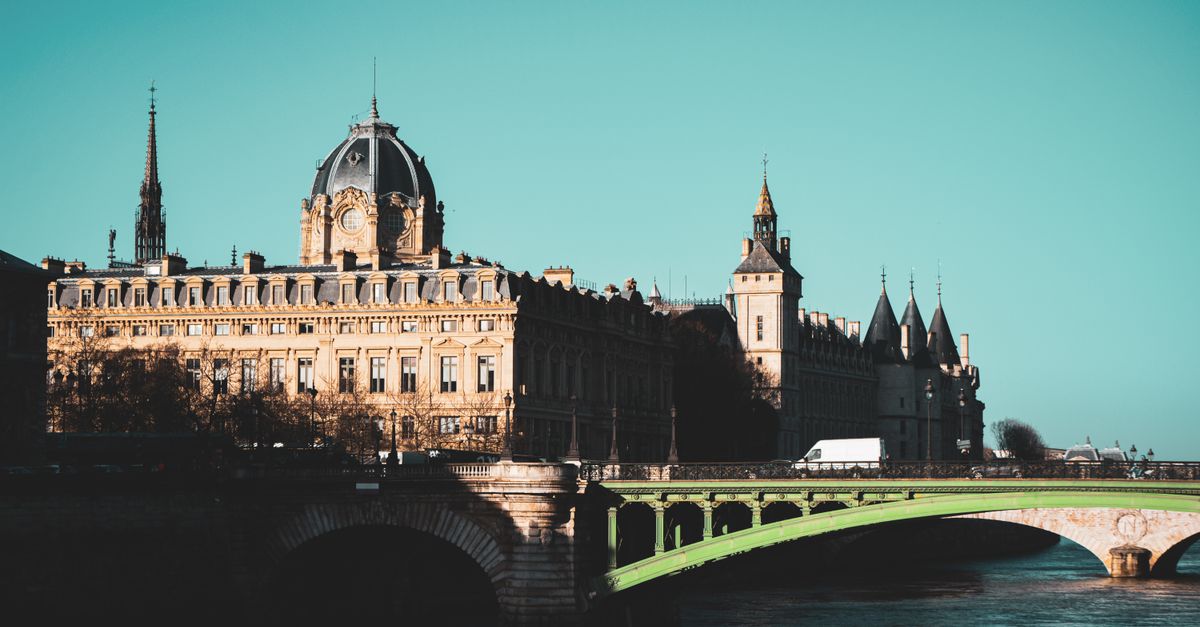
Following the 2019 fire and the ongoing restoration, Notre-Dame's exterior remains one of the most powerful architectural experiences in Paris. The western facade, with its twin towers and rose window, is a masterpiece of Gothic architecture that has been free to admire since 1163.
The surrounding Île de la Cité offers the intimate Square du Vert-Galant at the island's western tip — a hidden garden at water level that's one of the most romantic spots in Paris. Walk around the cathedral's exterior to appreciate the flying buttresses from the Pont de l'Archevêché, then cross to the Left Bank for the classic postcard view from the quays.
Sacré-Cœur Basilica and Montmartre
Entry to Sacré-Cœur is free (only the dome climb costs €7), and the view from the basilica's steps over the entire city of Paris is one of the great free panoramas in Europe. But Montmartre's real appeal is the neighborhood itself — climb through the narrow streets lined with wisteria and shuttered windows, discover the vine-covered Clos Montmartre vineyard, visit Place du Tertre (touristy but atmospheric), and wander down to the quieter eastern slopes where local life continues largely untouched by tourism.
The entire neighborhood is best experienced as a 2-3 hour walk with no particular destination.

Père Lachaise Cemetery
The world's most visited cemetery is free to enter and functions as an open-air museum of 19th and 20th-century sculpture, architecture, and history. The graves of Oscar Wilde, Jim Morrison, Édith Piaf, Chopin, Molière, Marcel Proust, and hundreds of other luminaries are scattered across a hilly, tree-shaded landscape of Gothic tombs, Art Nouveau mausoleums, and moss-covered angels.
It takes 2-3 hours to explore properly. Free maps are available at the entrance, but half the pleasure is getting lost among the overgrown pathways and discovering unexpected monuments.
Luxembourg Gardens
The Luxembourg Gardens are the heart of Left Bank Parisian life — 23 hectares of formal gardens, tree-lined paths, a central pond where children sail wooden boats, tennis courts, a puppet theater, and the Medici Fountain, one of the most beautiful fountains in Paris. Entry is free.
Bring a book, a baguette, and a €3 bottle of wine and spend an afternoon on the green metal chairs scattered throughout the park. On sunny afternoons, this is where Paris comes to relax, and joining them costs nothing.
Free Museum Sundays
On the first Sunday of every month, many of Paris's most important museums offer free entry. This includes the Musée d'Orsay (Impressionist masterpieces in a converted train station), the Musée de l'Orangerie (Monet's massive Water Lilies), the Musée Picasso, and the Musée Rodin.
The Louvre is free on the first Saturday evening of each month (6-9:45 PM) and for all visitors under 26 on Friday evenings. Several museums are permanently free: the Musée d'Art Moderne de la Ville de Paris (excellent modern art in the Palais de Tokyo), the Petit Palais (beautiful building with a free permanent collection including Rembrandt and Monet), and the Musée Carnavalet (the history of Paris in a gorgeous Marais mansion).
Plan your visit around these free days and you can see world-class art without spending a euro.
Seine Walk and Canal Saint-Martin
Walking along the Seine from Notre-Dame to the Eiffel Tower takes about 90 minutes and passes through some of the most beautiful urban scenery on earth — the bouquinistes (secondhand booksellers), the Louvre's riverside facade, the Pont des Arts, the Musée d'Orsay, the Assemblée Nationale, and finally the Eiffel Tower rising beyond the Pont Alexandre III. It's the greatest free walking route in any city.
For a less touristy but equally charming walk, follow the Canal Saint-Martin from République to Stalingrad — 4.5 km of tree-lined quays, iron footbridges, locks, and hip cafes that featured memorably in the film Amélie. On Sundays, sections of the canal are closed to cars and become pedestrian promenades.
Transport: Navigating Paris Affordably
Navigo Découverte Weekly Pass (€30)
If you're staying Monday through Sunday (the pass runs Monday to Sunday regardless of purchase day), the Navigo Découverte is the best deal in Parisian transport. For €30 (plus a one-time €5 card fee and a passport photo), you get unlimited rides on all metro lines, RER trains within Paris, buses, and trams for the entire week.
A single metro ticket costs €2.15, so you break even at about 14 rides — roughly 2 per day, which every visitor exceeds. The key limitation is the Monday-Sunday cycle: if you arrive on a Thursday, the pass only covers Thursday through Sunday, making it poor value.
In that case, use individual tickets or the Navigo Easy card loaded with a carnet.
Carnet Tickets and Navigo Easy
Single metro tickets cost €2.15 each, but a carnet of 10 tickets on a Navigo Easy card costs €16.90 (€1.69 each). The Navigo Easy is a reloadable contactless card (€2 one-time fee) that you can top up at any station.
For stays shorter than a week, or weeks that don't align with the Monday-Sunday cycle, the carnet is the standard budget option. One ticket covers a single journey on the metro regardless of distance or transfers between metro lines, and also works on buses and trams (one ride per ticket).
Vélib' Bikes
Paris's public bike-share system has over 20,000 bikes at 1,400 stations across the city. A day pass costs €5 for mechanical bikes (€10 for e-bikes) and includes unlimited 45-minute rides — return the bike to any station before 45 minutes and start a new ride immediately.
For budget travelers staying multiple days, the €3.10 monthly pass for mechanical bikes is absurdly cheap (you'll need a European payment card or use the app). Paris is flat in the central areas and has an expanding network of protected bike lanes.
Cycling along the Seine, through the Marais, or up to Montmartre (on an e-bike!) is both practical transport and a wonderful way to experience the city.
Walking
Paris is one of the world's great walking cities. The entire central city, from Bastille to the Eiffel Tower, is about 5 km — a pleasant hour's walk. The best neighborhoods — the Marais, Saint-Germain-des-Prés, Montmartre, the Latin Quarter, Canal Saint-Martin — are designed for walking, with narrow streets, hidden courtyards, and constant visual interest. Most visitors find that walking 8-15 km per day in Paris feels effortless because there's something beautiful every 30 seconds.
A good strategy is to use the metro for long journeys (e.g., hotel to a distant arrondissement) and walk between nearby attractions.
Money-Saving Hacks for Paris
1. Museum Pass Calculation
The Paris Museum Pass costs €62 for 2 days, €77 for 4 days, or €92 for 6 days, covering 50+ museums and monuments. It's only worth it if you're visiting at least 3-4 paid museums per day — the Louvre (€22), Orsay (€16), Versailles (€21), and Sainte-Chapelle (€11.50) together cost €70.50, making the 2-day pass worthwhile if you hit all four.
But if you're timing free Sundays, visiting permanently free museums, and focusing on free outdoor activities, you might not need the pass at all. Do the math for your specific itinerary.
2. Happy Hour Culture (5-7 PM)
Parisian bars in the 10th, 11th, and 18th arrondissements run genuine happy hours — not watered-down deals but proper half-price or two-for-one offers on wine, beer, and cocktails. A glass of wine that costs €7 at 8 PM is €3.50 at 5:30 PM.
Rue Oberkampf, Rue Jean-Pierre Timbaud, and the streets around Canal Saint-Martin are packed with bars running happy hour specials. This is how budget-conscious young Parisians afford to go out — they pre-game at happy hour and switch to cheaper drinks later.

3. Supermarket Wine (€3-5)
France's greatest contribution to budget travel is that excellent wine costs almost nothing at the source. Monoprix, Carrefour, and Franprix supermarkets stock drinkable Côtes du Rhône, Languedoc, and Bordeaux from €3-5.
A €4 bottle of Corbières or Minervois paired with a baguette and cheese on the Seine riverbank is a better experience than a €15 glass at a tourist café. The wine section at Monoprix (a supermarket that exists in virtually every neighborhood) is curated better than most wine shops outside France.
4. Eau du Robinet
Tap water is free at every restaurant in France — it's the law. Ask for "une carafe d'eau" and you'll receive a pitcher of perfectly good Parisian tap water at no charge.
This saves €4-8 per meal over bottled water. Across the city, Wallace fountains (ornate cast-iron drinking fountains donated in the 1870s) provide free, clean drinking water — there are over 100 of them, painted dark green and easily recognizable.
5. Explore the 19th and 20th Arrondissements
The Parc des Buttes-Chaumont (19th) is the most dramatic park in Paris — a craggy, hilly landscape with waterfalls, a suspension bridge, and a hilltop temple offering panoramic views. It's rarely visited by tourists and always free.
The Parc de Belleville (20th) has the highest point in Paris after Montmartre, with views across the entire city. The streets around these parks — Belleville, Ménilmontant, Jourdain — are where young creative Parisians and immigrant communities have created some of the most interesting dining and nightlife in the city, at prices 30-50% below central arrondissements.
Daily Budget Breakdown
| Category | Backpacker (€/day) | Budget Traveler (€/day) |
|---|---|---|
| Accommodation | €25-35 (hostel dorm) | €55-80 (budget hotel/studio) |
| Breakfast | €2-4 (boulangerie croissant + coffee) | €5-8 (café breakfast/hostel included) |
| Lunch | €5-8 (boulangerie sandwich/market picnic) | €10-15 (bouillon/formule) |
| Dinner | €8-12 (crêperie/ethnic restaurant) | €12-20 (bistro formule/bouillon) |
| Snacks & Drinks | €2-4 (baguette, supermarket wine) | €5-8 (café terrace, happy hour) |
| Transport | €3-5 (carnet tickets, mostly walking) | €4-7 (Navigo/Vélib') |
| Activities | €0-5 (free museums, walking) | €5-15 (one paid museum/attraction) |
| Daily Total | €45-73 | €96-153 |
These numbers put Paris firmly in the "affordable" category for a Western European capital. It's cheaper than London, comparable to Amsterdam, and only marginally more than Berlin. The difference is that Paris's free and budget experiences — walking the Seine, picnicking in the Luxembourg Gardens, eating at a bouillon, exploring Père Lachaise, listening to organ music in a medieval church — are among the finest experiences available in any city at any price.
The Paris of €5 lunches and €1.20 baguettes isn't a diminished version of the real thing. It is the real thing. The expensive Paris, if anything, is the imitation.
Budget travel in Paris requires exactly one skill: the willingness to walk one block further than the tourist crowds. The café on the corner facing Notre-Dame charges €6 for an espresso.
The café one street behind charges €1.80. The food is better at the second one, too, because that's where the locals go. Every money-saving hack in this guide boils down to that same principle — follow the Parisians, not the guidebooks, and the city opens up at a fraction of the price.
Read our Complete Paris Food Guide See our 4-Day Paris Itinerary