Paris does not need your admiration — it already knows it is beautiful. That confidence is woven into every limestone facade, every iron balcony dripping with geraniums, every cafe terrace where strangers sit elbow to elbow nursing espresso as if time is something that happens to other people.
But beneath the postcard surface, Paris is a city of surprising grit and magnificent contradictions. The grandeur of Haussmann's boulevards gives way to medieval alleyways where the plaster is peeling and the bistro menus haven't changed since the 1960s.
A city where a €2 baguette from the right bakery can be a transcendent experience, where the metro smells faintly of burnt rubber and possibility, and where even the pigeons seem to carry themselves with a certain dignity. This is a city that invented the concept of the flaneur — the art of walking without purpose — and three days is exactly enough time to practice it while hitting every essential landmark and neighborhood.
This 3-day itinerary is designed for first-time visitors who want to experience the real Paris — not just the Instagram version, but the city that Parisians themselves love. Every route has been optimized to minimize backtracking, every price has been verified, and the recommendations prioritize authenticity over tourist convenience.
Paris rewards those who linger at the right corners, who turn down the unmarked street, who order what the waiter suggests rather than what the menu translates. This guide will get you to those moments.
The Eiffel Tower, Orsay & Left Bank
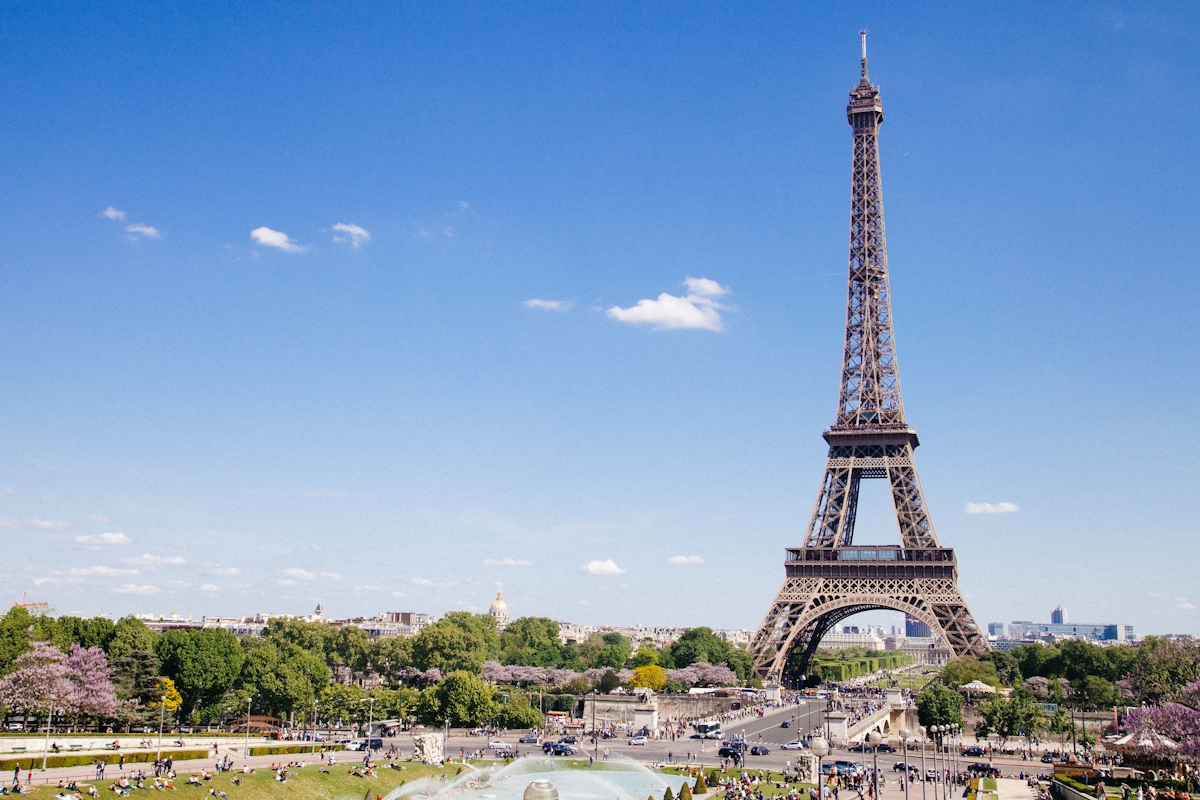
Morning (8:30 AM): Start your Paris story where every first-timer must — at the Eiffel Tower. Arrive early. The queues build dramatically after 10 AM, and the morning light on the iron lattice is the most photogenic you will get.
Built by Gustave Eiffel for the 1889 World's Fair and famously despised by the Parisian intelligentsia at the time (Guy de Maupassant reportedly ate lunch at the tower restaurant daily because it was the only place in Paris where he could not see the tower), it stands 330 meters tall and weighs 10,100 tonnes. You have three options for ascent: stairs to the second floor (€11.30, 674 steps — excellent exercise and no queue for the elevator), elevator to the second floor (€18.10), or elevator to the summit (€28.30).
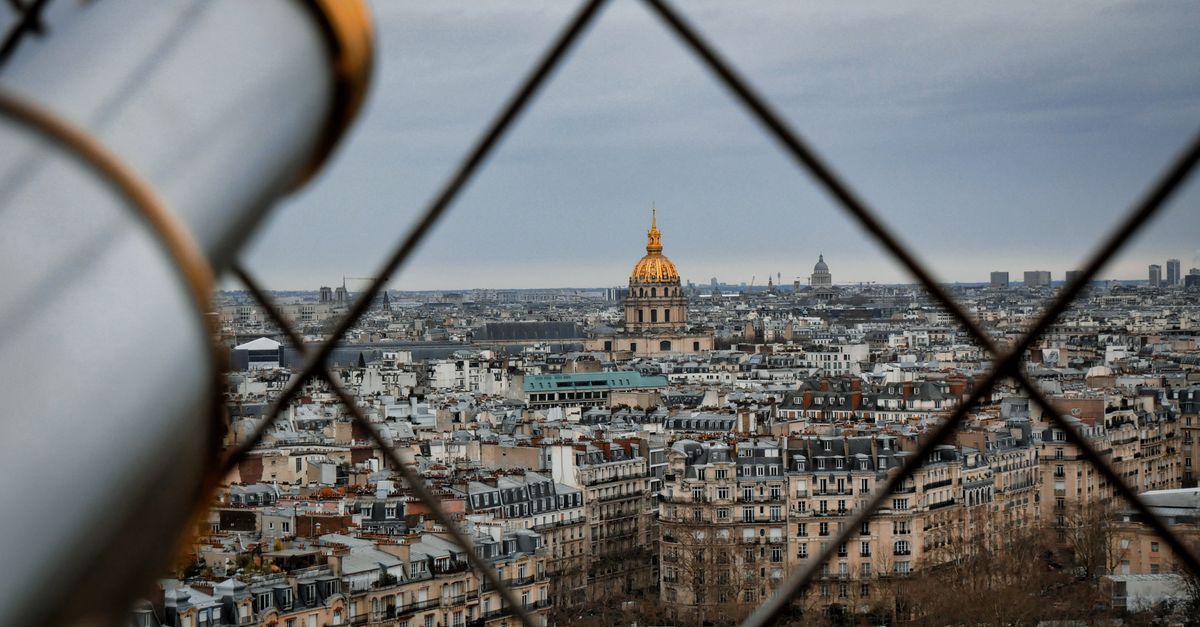
The summit is worth it on a clear day — visibility extends 80 kilometers, and the tiny apartment where Gustave Eiffel entertained guests (including Thomas Edison) has been preserved with wax figures. Book tickets online at least two weeks in advance at tour-eiffel.fr — walk-up tickets sell out by mid-morning in any season.
If you cannot get summit tickets, the second floor offers nearly as spectacular a view and you can linger longer without the pressure of crowds. The tower opens at 9:30 AM (9:00 AM in summer), but arrive by 8:30 to position yourself on the Champ de Mars for the classic front-on photograph with the gardens stretching toward the Ecole Militaire.
Late Morning (10:30 AM): Descend and walk through the Champ de Mars gardens, a beautifully manicured park that stretches 780 meters from the tower's base to the 18th-century Ecole Militaire where Napoleon trained as a young officer. In warm weather, Parisians spread blankets on the grass with wine and cheese — an activity you should absolutely plan for later in your trip.
From the southeastern corner of the park, cross the Pont de l'Alma bridge to the Right Bank, then double back along the Seine river walk. Since 2013, the city has reclaimed long stretches of the riverbank from car traffic, creating the Berges de Seine — a pedestrian promenade lined with floating gardens, pop-up cafes, and small libraries.
Walk southeast along the left bank toward Saint-Germain, with Notre-Dame's silhouette growing larger ahead of you. This stretch of the Seine is a UNESCO World Heritage Site, and for good reason — the interplay of bridges, bookstalls (the famous bouquinistes, who have sold used books from green wooden boxes on the parapets since the 16th century), and honey-colored stone facades is Paris at its most essentially Parisian.
Lunch (12:30 PM): Head into the Saint-Germain-des-Pres neighborhood for lunch. This is the Left Bank at its intellectual best — the neighborhood of Sartre and de Beauvoir, of jazz cellars and publishing houses.
You have two legendary options. Cafe de Flore (172 Boulevard Saint-Germain) has been serving coffee since 1887 and was the unofficial office of the existentialist movement — Sartre wrote much of Being and Nothingness at table 2.
A croque monsieur costs €16 and a cafe creme is €7.50. The prices are steep for what is essentially a ham and cheese sandwich, but you are paying for 137 years of literary history and one of the finest people-watching terraces in Europe.
Across the street, Les Deux Magots offers the same experience at similar prices — Hemingway and Picasso were regulars. If you prefer substance over celebrity, walk five minutes to Bouillon Racine (3 Rue Racine), an Art Nouveau masterpiece that serves classic French bistro food at astonishingly reasonable prices — a three-course lunch menu runs €18-22, with dishes like leek vinaigrette, braised beef cheeks with mashed potato, and profiteroles.
The interior alone, with its carved wood panels, beveled mirrors, and ceramic tile work, is worth the visit.
Afternoon (2:30 PM): Walk to the Musee d'Orsay, housed in a magnificent Beaux-Arts railway station built for the 1900 World's Fair. This is Paris's second-greatest museum and arguably the world's finest collection of Impressionist and Post-Impressionist art.
Admission is €16 (free on the first Sunday of each month, though the queues are brutal). The collection spans 1848-1914 and includes works that changed the history of art: Monet's water lilies and Rouen Cathedral series, Renoir's luminous Dance at Le Moulin de la Galette, Degas's ballet dancers frozen mid-pirouette, Van Gogh's Starry Night Over the Rhone and his haunting self-portrait, Cezanne's Card Players, Manet's scandalous Olympia and Dejeuner sur l'Herbe, and Whistler's Mother.
The fifth floor, where the Impressionist galleries are housed beneath the building's massive glass clock face, is the highlight — the light that pours through the old station windows illuminates these paintings exactly as the artists intended. Allow two hours minimum.
The museum's clock windows offer a fantastic framed view of Montmartre and Sacre-Coeur across the river. Buy tickets online to skip the frequently enormous queue at the entrance.
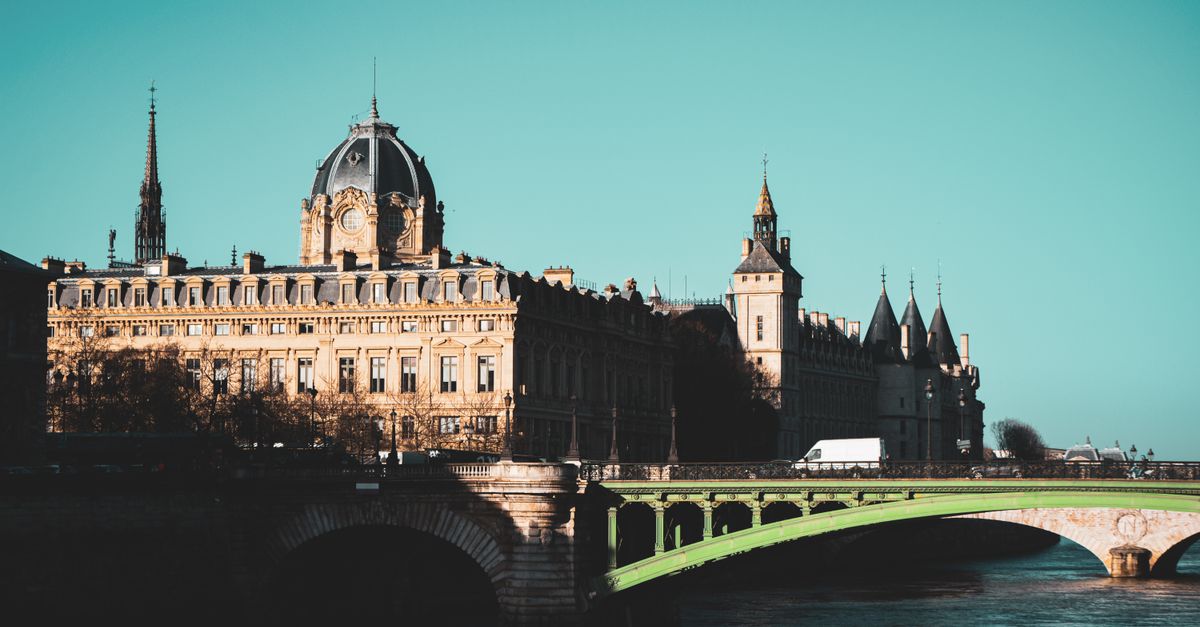
Late Afternoon (5:00 PM): Walk east along the Seine to Ile de la Cite, the island in the middle of the river where Paris was born over 2,000 years ago when a Celtic tribe called the Parisii settled here. The island's crown jewel, Notre-Dame Cathedral, is currently undergoing the final stages of its extraordinary restoration following the devastating fire of April 2019 that destroyed the spire and much of the roof.
The cathedral reopened in December 2024 after a meticulous five-year reconstruction. Even the exterior is magnificent — the west facade with its three portals carved with hundreds of medieval figures, the flying buttresses that were an engineering revolution when they were built in the 12th century, and the gargoyles and chimeras that stare down from the roofline are extraordinary works of Gothic architecture.
Walk around the full perimeter of the cathedral, paying special attention to the south side where the flying buttresses are most dramatic. Continue to the eastern tip of the island to the Memorial des Martyrs de la Deportation, a haunting underground memorial to the 200,000 French citizens deported to Nazi concentration camps.
It is free, deeply moving, and almost unknown to tourists. The narrow entrance, the claustrophobic corridors lined with 200,000 quartz crystals (one for each victim), and the view through iron bars to the flowing Seine create one of the most powerful memorial spaces in Europe.
Evening (7:00 PM): Take the metro to Anvers station and climb the hill to Sacre-Coeur Basilica in Montmartre for sunset. The climb up the steep streets and staircases of the Butte Montmartre is part of the experience — or take the funicular (one metro ticket) if your legs protest. The basilica itself, built from travertine limestone that bleaches whiter with age and rain, sits at the highest point in Paris at 130 meters above sea level.
The interior features one of the world's largest mosaics on the ceiling of the apse, but the real draw is the view from the steps outside. On a clear evening, the panorama stretches across the entire city — you can trace the Seine's path, pick out every major monument, and watch the Eiffel Tower begin its hourly sparkle show (every hour on the hour after dark, for five minutes).
Bring a bottle of wine and join the crowds sitting on the grass below the basilica. This is a Parisian ritual, and the atmosphere at sunset — buskers playing guitar, couples silhouetted against the city lights, the distant sound of accordion music drifting up from the streets below — is unforgettable.
Grab dinner afterward at one of the small restaurants on Rue Lepic or Rue des Abbesses — avoid the tourist traps immediately around the basilica and walk two blocks in any direction for dramatically better food and prices.

The Louvre, Champs-Elysees & Le Marais
Morning (8:30 AM): Today belongs to the Louvre — the world's largest and most visited art museum, housed in a former royal palace that has been collecting art since Francis I invited Leonardo da Vinci to France in 1516 (bringing the Mona Lisa in his luggage). The museum holds approximately 380,000 objects across 72,735 square meters of gallery space — you could spend a week and not see everything, but two to three focused hours will cover the masterpieces.
Admission is €17, free for EU residents under 26, and free for everyone on the first Friday evening of each month. The museum opens at 9 AM, and your strategy matters enormously. Buy timed-entry tickets online at louvre.fr — this lets you skip the general queue and enter through the Pyramid directly.
Alternatively, use the Passage Richelieu entrance on Rue de Rivoli, which is almost always less crowded than the Pyramid. Once inside, head immediately to the Denon Wing — take the Daru staircase where the Winged Victory of Samothrace (Nike) commands the landing, one of the most dramatic sculptures in existence.
Continue to the Italian galleries to see the Mona Lisa (Room 711) — yes, it is small (77 x 53 cm), yes, it is behind bulletproof glass, and yes, the crowd will be five people deep, but it is still genuinely mesmerizing. More importantly, turn around — on the opposite wall hangs Veronese's Wedding at Cana, a massive 6.7 x 10 meter painting that is arguably more impressive and which most visitors ignore entirely while selfie-ing with the Mona Lisa.
Do not miss the Venus de Milo (ground floor, Sully Wing), Delacroix's Liberty Leading the People, Vermeer's The Lacemaker, and the Egyptian Antiquities section — the Sphinx of Tanis and the mummy galleries are extraordinary.
Late Morning (11:30 AM): Exit the Louvre through the Pyramid and walk into the Tuileries Garden, the formal French garden that stretches from the Louvre to the Place de la Concorde. Created by Catherine de Medici in 1564 and redesigned by Andre Le Notre (the landscape architect of Versailles) in 1664, the Tuileries is the prototype for the formal French garden — gravel paths, geometric lawns, sculpted hedges, and ornamental pools where Parisian children sail toy boats with sticks.
In summer, a temporary fairground sets up at the western end with a Ferris wheel, cotton candy, and carnival games. The garden is scattered with sculptures by Rodin, Giacometti, and Maillol.
Walk the full length to Place de la Concorde, the largest square in Paris, where Louis XVI and Marie Antoinette were executed by guillotine in 1793. The 3,300-year-old Luxor Obelisk at its center, a gift from Egypt in 1833, stands 23 meters tall and weighs 250 tonnes — it is the oldest monument in Paris by several millennia.
Lunch (12:30 PM): Before the Champs-Elysees walk, detour slightly for lunch at Le Bouillon Chartier (7 Rue du Faubourg Montmartre, accessible by a short metro ride to Grands Boulevards). This Parisian institution has been serving classic French food at near-canteen prices since 1896.
The Belle Epoque dining room is magnificent — soaring ceilings, brass luggage racks, and hurried waiters in black waistcoats who write your order directly on the paper tablecloth. A three-course meal here costs €15-20: start with oeuf mayonnaise (€2.90), a dish so simple and so perfect that Paris holds an annual competition for the best version — Chartier's is always a contender.
Follow with roast chicken with frites (€10.90) or steak hache with pepper sauce (€9.90), and finish with profiteroles (€5.90). The wine list starts at €4.50 for a quarter-liter pichet of house red. There is often a queue outside, but the room seats 320 and turns over fast — you will rarely wait more than 15 minutes.
Afternoon (2:00 PM): Return to Place de la Concorde and walk up the Champs-Elysees — the 1.9-kilometer boulevard that connects the Concorde to the Arc de Triomphe. Paris's most famous avenue has become increasingly commercialized (fast food chains and flagship stores dominate), but the scale and theater of it remain impressive.
The lower section near the Concorde retains some elegance — the Grand Palais and Petit Palais (free permanent collection, excellent Impressionist works) face each other across Avenue Winston Churchill. As you walk up, the avenue widens and the crowds thicken.
Halfway up, duck into Laduree (75 Avenue des Champs-Elysees) for a box of their famous macarons — the salted caramel and rose are the signature flavors, and a box of six costs about €18. At the top, the Arc de Triomphe commands the Place Charles de Gaulle roundabout, the terrifying 12-avenue intersection with no lane markings where Parisian drivers perform a daily miracle of chaotic cooperation.
Climb to the top of the Arc (€13, free under 18) via 284 steps for a view straight down the Champs-Elysees to the Concorde and the Louvre beyond, and in the opposite direction toward La Defense's modern glass towers. The roof terrace offers one of Paris's best panoramas — some argue better than the Eiffel Tower because you can actually see the Eiffel Tower from here.
Visit the Tomb of the Unknown Soldier beneath the arch, where an eternal flame has burned since 1923. The flame is re-lit every evening at 6:30 PM in a brief ceremony that is open to the public and quietly moving.
Late Afternoon (4:30 PM): Take the metro to the Marais district (station: Saint-Paul), Paris's most fashionable and historically layered neighborhood. The Marais was the aristocratic center of Paris in the 17th century, fell into decline, and was reborn in the late 20th century as the heart of Parisian cool.
Today it is a fascinating blend of medieval architecture, Jewish heritage (Rue des Rosiers has the city's best falafel — L'As du Fallafel serves a legendary pita for €8.50 with a queue that wraps around the block), LGBTQ+ culture, contemporary art galleries, and some of Paris's most distinctive independent boutiques. Start at Place des Vosges, the oldest planned square in Paris (1612), enclosed by 36 identical red-brick pavilions with vaulted arcades at ground level.
Victor Hugo lived at No. 6, which is now a free museum preserving his apartments with original furnishings and manuscripts. The square's central garden, with its fountains and clipped linden trees, is an ideal place to sit, rest your feet, and watch the neighborhood come alive in the late afternoon.
Wander the surrounding streets — Rue des Francs-Bourgeois for boutiques, Rue de Turenne for galleries, and Rue Charlot for the creative energy that now defines the upper Marais.
Evening (7:30 PM): Stay in the Marais for dinner and evening drinks. The neighborhood is at its best after dark, with warm light spilling from bar windows onto cobblestone streets. For dinner, Breizh Cafe (109 Rue Vieille du Temple) serves the best galettes (buckwheat crepes) in Paris — the complete (ham, cheese, egg) is a classic at €14, but the specials featuring seasonal ingredients like truffle or smoked salmon are outstanding.
Pair with a bowl of artisanal cider from Brittany. After dinner, walk to the bars along Rue Oberkampf and Rue Jean-Pierre Timbaud for a nightcap — Candelaria (52 Rue de Saintonge) is a taqueria with a speakeasy cocktail bar hidden behind a door at the back, serving some of Paris's most creative cocktails for €14-16.
Montmartre, Markets & Versailles or Sainte-Chapelle
Morning (8:30 AM): Begin with a Montmartre walking tour — but do it yourself rather than paying for a guide, because the magic of Montmartre is in the wandering. This hilltop village, officially the 18th arrondissement, has been the bohemian heart of Paris since the 1880s when Toulouse-Lautrec, Monet, Renoir, Degas, and later Picasso all lived and worked in its steep streets and cramped studios.
Start at the Abbesses metro station, which has one of only two original Art Nouveau glass canopies designed by Hector Guimard still intact. Nearby, the Wall of Love (Le Mur des Je t'aime) features "I love you" written 311 times in 250 languages across a wall of blue tiles.
Walk up Rue Lepic — this is where Van Gogh lived with his brother Theo at No. 54 in 1886 — past the Moulin de la Galette, one of two surviving windmills from the original twelve that once topped the hill and which Renoir immortalized in his famous painting. Continue to Place du Tertre, the tourist epicenter where portrait artists and caricaturists line the square exactly as they have since the 19th century.
It is touristy, yes, but also genuinely atmospheric — watch the painters work and enjoy the fact that this tiny square has hosted more artistic talent per square meter than almost any other place on earth.
Mid-Morning (10:00 AM): Walk past the Place du Tertre to the quieter back streets of Montmartre — Rue Cortot, Rue de l'Abreuvoir, and Rue Saint-Rustique are among the most photographed streets in Paris, with their ivy-covered walls, gas lamp-style street lights, and pastel shutters. The Musee de Montmartre (€14) is worth a visit if you are interested in the neighborhood's artistic history — housed in a 17th-century manor where Renoir once had a studio, it chronicles Montmartre's golden age with original posters, paintings, and reconstructed studios.
The gardens offer a quiet view of the vineyard below. Walk past the Moulin Rouge on Boulevard de Clichy — the famous cabaret with its red windmill has been operating since 1889 and still hosts nightly shows (tickets from €87 for the show only, €180+ with dinner).
The exterior is worth photographing even if you don't attend a show. Continue down Rue Lepic to the morning market — a lively open-air market where locals buy their daily produce, cheese, bread, and charcuterie.
Pick up a fresh baguette, some Comte cheese, and a few slices of saucisson for a picnic later.
At this point, you have a choice for the rest of your day — and both options are magnificent.
Option A: Versailles Half-Day
Late Morning (11:00 AM): Take the RER C train from central Paris to Versailles-Chateau Rive Gauche station (35-40 minutes, covered by a Zone 1-4 ticket at about €4.50 each way, or use a Navigo pass if you have one). The Palace of Versailles is not just a chateau — it is the physical manifestation of absolute monarchy, a building so excessive that it directly contributed to the revolution that destroyed the system that built it.
Louis XIV moved the court here in 1682 and spent the modern equivalent of billions transforming a hunting lodge into the largest palace in Europe, with 2,300 rooms, 67 staircases, and 1,200 fireplaces. Admission to the palace is €21 (free under 18 and for EU residents under 26).
The Hall of Mirrors is the centerpiece — 357 mirrors reflecting the light from 357 windows overlooking the gardens, in a gallery 73 meters long and dripping with crystal chandeliers. The Treaty of Versailles was signed here in 1919, ending World War I.
Beyond the Hall of Mirrors, the King's State Apartments and the Queen's Bedchamber (where Marie Antoinette was dragged from her bed by revolutionaries in October 1789) are extraordinary. The gardens are free to enter on most days (€10 on fountain show days, Tuesdays and weekends from April to October), and they are arguably even more impressive than the palace — 800 hectares of geometrically perfect gardens, 400 sculptures, 1,400 fountains, and the Grand Canal where Louis XIV sailed miniature warships.
The Musical Fountain Shows, when the gardens' fountains perform to baroque music, are spectacular. Allow 3-4 hours for the palace and gardens combined. Return to Paris by early evening.
Option B: Sainte-Chapelle & the Latin Quarter
Late Morning (11:00 AM): If you prefer to stay in Paris, head to Sainte-Chapelle on the Ile de la Cite — and prepare to have your breath taken away. This 13th-century Gothic chapel, built by Louis IX to house relics including what was believed to be the Crown of Thorns, contains 1,113 stained glass panels depicting 1,113 biblical scenes in a single room of luminous color.
When sunlight hits the upper chapel, the entire space dissolves into a kaleidoscope of crimson, sapphire, emerald, and gold — it is one of the most beautiful interior spaces in Europe, possibly the world. Admission is €11.50.
Arrive when the doors open to avoid the queue, which can stretch along the Boulevard du Palais. After Sainte-Chapelle, cross to the Left Bank and enter the Latin Quarter, the student district centered around the Sorbonne university (founded 1257).
Walk Rue de la Huchette and Rue de la Harpe for their medieval charm, though the restaurants here are tourist traps — keep walking to Rue Mouffetard, one of Paris's oldest and liveliest market streets. The street market runs every morning and sells gorgeous produce, rotisserie chickens (€8-12), cheese from every region of France, and crepes made to order on the street (€4-6).
At the top of the street, visit the Pantheon (€11.50), the neoclassical temple that serves as the final resting place of France's greatest minds — Voltaire, Rousseau, Victor Hugo, Marie Curie, Alexandre Dumas, and Josephine Baker are all interred in the crypt. The rooftop colonnade (open seasonally) provides a 360-degree view of Paris that rivals any observation deck.

Budget Breakdown (Per Person, 3 Days)
| Category | Budget (€) | Mid-Range (€) | Luxury (€) |
|---|---|---|---|
| Accommodation (3 nights) | €120 | €360 | €1,200 |
| Food & Drinks | €75 | €180 | €500 |
| Transport (metro/RER) | €15 | €30 | €80 |
| Activities & Entry Fees | €50 | €95 | €200 |
| Total 3 Days | €260 | €665 | €1,980 |
Essential Practical Tips
Getting Around Paris
The Paris metro is one of the best urban transit systems in the world — 16 lines, 308 stations, and a train every 2-4 minutes on most lines. For a 3-day visit, the most cost-effective option is the Navigo Easy card loaded with a carnet of 10 tickets (€16.90) — you will use roughly 6-8 metro rides per day if you follow this itinerary, so two carnets should cover you with some to spare.
Alternatively, buy individual tickets at €2.15 each via the Ile-de-France Mobilites app on your phone, which works as a contactless ticket. The RER commuter trains (lines A-E) connect to the suburbs and airports — they share some central stations with the metro but require separate fare zones for outer destinations.
Google Maps handles Paris transit routing perfectly, including real-time delays. Walking is often faster than the metro for short distances — many central neighborhoods are only 15-20 minutes apart on foot, and the walks are far more rewarding than the underground tunnels.
Tipping Culture
Service is included in all restaurant bills in France (service compris) — a 15% service charge is built into menu prices by law. Tipping is not expected, not required, and will not improve your service.
However, it is common for locals to round up the bill or leave €1-2 at a casual restaurant if the service was good, or 5-10% at a fine dining establishment. Leaving nothing extra is perfectly acceptable and will cause no offense.
For cafe drinks, rounding up to the nearest euro is standard. Taxi drivers appreciate €1-2 on top of the metered fare.
Dress Code and Etiquette
Parisians dress with intention, and while no one expects tourists to arrive in couture, a small effort goes a long way. Clean, well-fitting clothes in neutral colors will serve you well — jeans and a nice top or shirt are perfectly acceptable everywhere except the most formal restaurants.
Sneakers are fine (Parisians wear them constantly), but flip-flops mark you as a tourist instantly. Churches require covered shoulders and knees. When entering any shop, cafe, or restaurant, always say bonjour — it is not just a greeting, it is a social contract.
Failing to say bonjour before speaking is considered the height of rudeness and will guarantee frosty service. Say au revoir when you leave. Attempt even broken French before defaulting to English — "Parlez-vous anglais?" goes much further than launching directly into English.
Most Parisians under 40 speak English well, but the gesture of trying French first transforms interactions entirely.
Three days in Paris is a beginning, not a conclusion. You will leave with a list of streets you want to return to, cafes you walked past but didn't enter, arrondissements you only glimpsed from the metro window.
That is exactly as it should be. Paris has spent two thousand years perfecting the art of the return visit — the city knows you will be back, and it will be waiting, largely unchanged, with a fresh baguette and an empty cafe chair facing the sidewalk.
Paris Food Guide: Where and What to Eat France Travel Tips for First-Time Visitors Budget Travel in Europe: Complete Guide