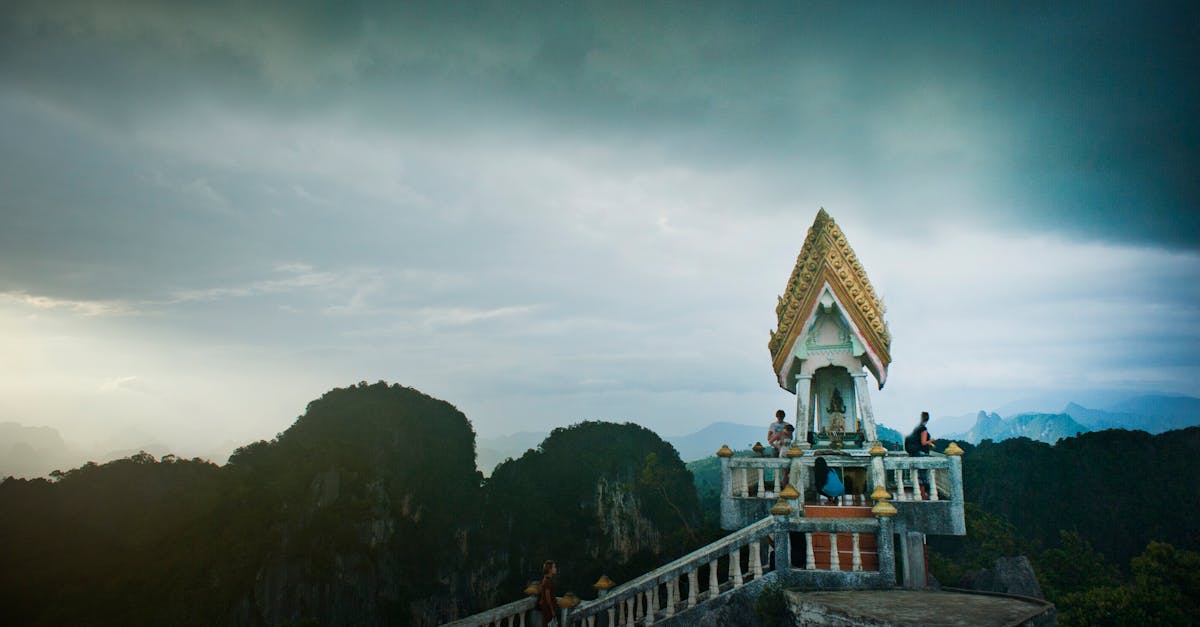
Krabi province is southern Thailand's most dramatic landscape — towering limestone karsts rising from emerald water, mangrove-lined rivers, and over 200 islands including the famous Phi Phi archipelago. Krabi Town is the mainland hub, Ao Nang is the beach resort base, and Railay Beach — accessible only by boat — is the jewel. Three days covers the essential beaches, island hopping, and the spectacular rock formations that define this coast.
Krabi Airport is 15 kilometers from Ao Nang (shuttle ฿150, taxi ฿600). Ao Nang to Railay by longtail boat costs ฿100/person (15 minutes). Songthaews run between Krabi Town and Ao Nang (฿60). For island hopping, join a group tour (฿800-1,500/person) or hire a private longtail (฿2,500-3,500/day).
Railay Beach & Rock Climbing
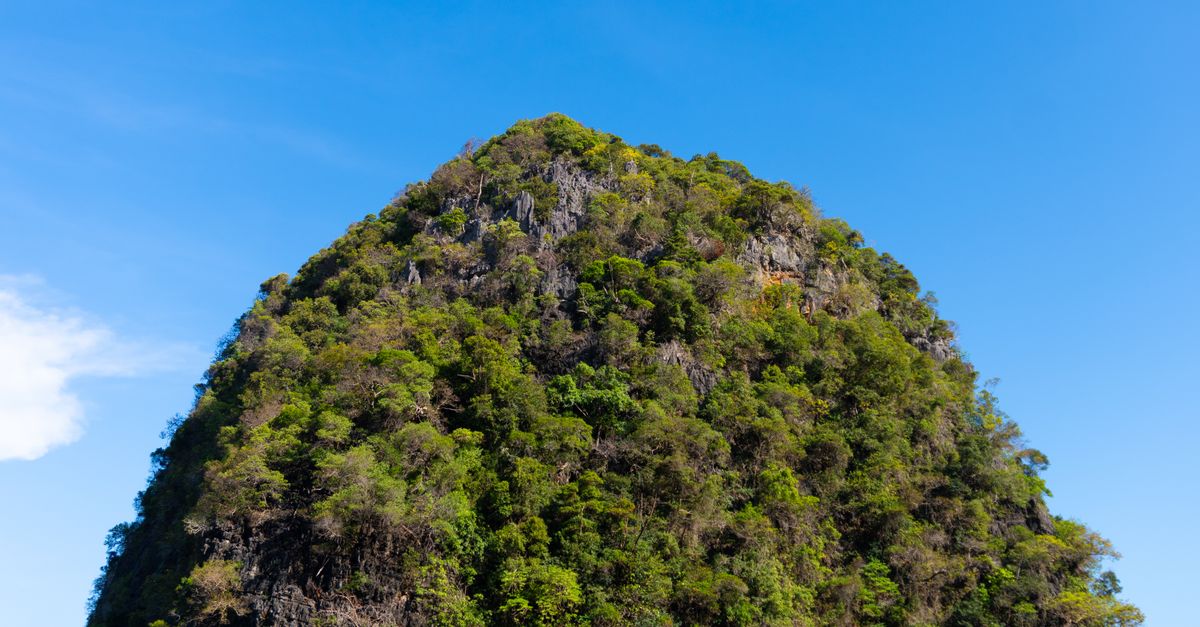
Morning — Railay Beach: Take a longtail from Ao Nang (฿100, 15 minutes) to this peninsula accessible only by sea. Railay West has the stunning beach flanked by karsts. Railay East is the mangrove side with budget accommodation. Walk between them in 10 minutes. Phra Nang Beach, around the headland, is the most beautiful — a hidden cove with a cave shrine to a fertility goddess.
Afternoon — Rock Climbing: Railay's limestone walls are world-class climbing terrain. Beginner half-day courses (฿1,000-1,500) start at the cliffs near Phra Nang. No experience needed — guides provide all equipment. The views from even beginner routes are spectacular. King Climbers and Basecamp Tonsai are reputable operators.
Evening — Railay Sunset: Watch sunset from the Last Bar at Railay East — fire shows start after dark on the beach. Or hike 45 minutes to the Railay Viewpoint (strenuous, rope-assisted climb) for a panoramic view of the peninsula and surrounding islands. Come down before dark.
Four Islands Tour
Full Day — Four Islands Tour (฿800-1,200): The classic Krabi day trip visits Koh Tub (connected to Koh Mor by a sandbar at low tide — walk between islands), Koh Poda (excellent snorkeling, white sand beach), and Phra Nang Cave Beach. Lunch is provided on the beach. Snorkeling equipment included. Choose a longtail boat tour for smaller groups over the speedboat for better access to smaller coves.
Evening — Ao Nang Seafront: The main beach road has restaurants, bars, and massage shops. Seafood dinner at Lae Lay Grill — built on a cliff with ocean views, serves Thai seafood at moderate prices (฿150-350/dish). The sunset from their terrace is the best in Ao Nang.
Emerald Pool, Tiger Cave Temple & Mangroves
Morning (7:00 AM) — Tiger Cave Temple (Wat Tham Suea): Climb 1,237 steps to a golden Buddha and the most spectacular viewpoint in Krabi province (free entry). The climb is grueling — steep, exposed to sun, and takes 40-60 minutes. Start at dawn before the heat. The panoramic view of karsts, coast, and jungle from the top justifies every step. Monkeys guard the base.
Midday — Emerald Pool & Blue Pool: In the Thung Teao Forest Natural Park (฿200), a 1.4-kilometer boardwalk trail through lowland rainforest leads to a natural pool of crystal-clear emerald water, warm enough to swim. The Blue Pool nearby is a striking sapphire-colored thermal spring (no swimming allowed). Arrive before 10 AM to avoid tour groups.
Afternoon — Krabi Town & Night Market: Explore Krabi's relaxed river town. The weekend night market at Chao Fa Park (Friday-Sunday from 5 PM) is excellent — whole grilled fish (฿100-150), roti with banana (฿30), and Thai desserts. The riverside walkway has views of the iconic karst twins.
Getting Around Krabi
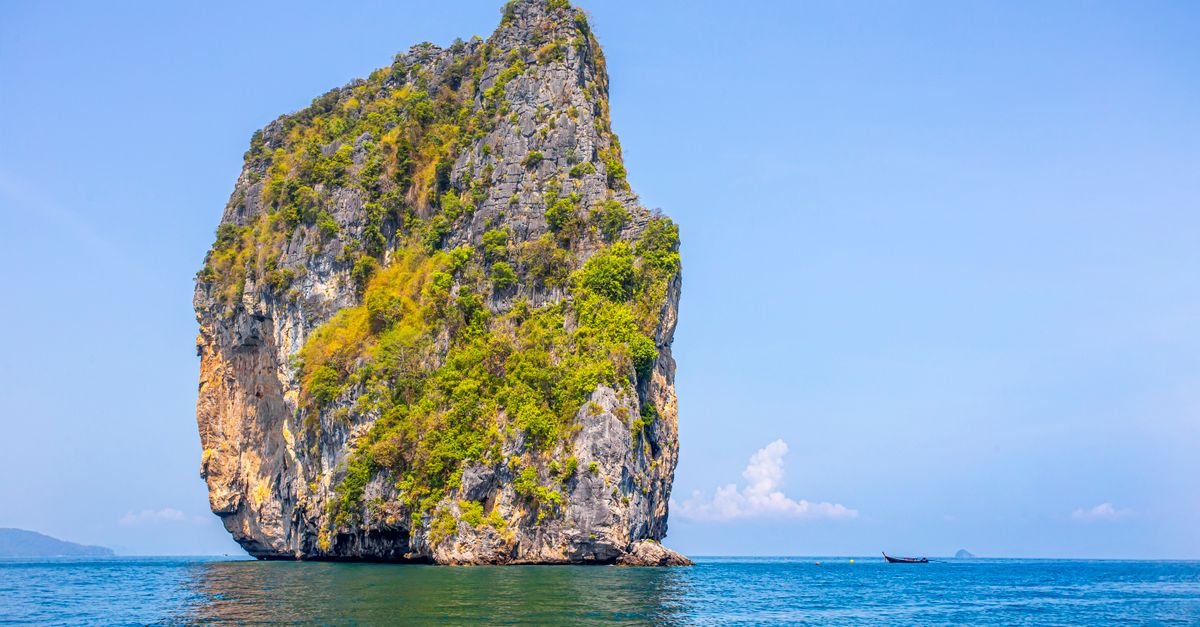
Krabi's geography — a mainland hub, a coastal resort strip, and a peninsula only reachable by sea — means that transport decisions shape your entire experience. Understanding how the pieces connect prevents wasted hours and overpaying for transfers.
Krabi Airport is 15 kilometres from Krabi Town and 25 kilometres from Ao Nang. The Airport Bus (฿150/person) departs when full and drops you on Ao Nang's main road. Private taxis to Ao Nang cost ฿600; to Krabi Town, ฿400. If you are connecting directly to Railay, a minivan to the boat pier costs ฿100-200 and saves backtracking through town.
Between Krabi Town and Ao Nang, songthaews (covered pickup trucks) run frequently from early morning to early evening, charging ฿60 per seat. The journey takes 30-40 minutes. After dark or for direct door-to-door travel, private taxis charge ฿300-400. Metered taxis do not operate in Krabi — all fares are negotiated or booked through apps like Grab, which covers the area with reliable pricing.
Railay Beach is the one destination that requires a boat regardless of where you are staying. Longtail boats from Ao Nang Pier depart when they have 8-10 passengers (฿100/person, 15 minutes) from roughly 7 AM to 10 PM. After 10 PM, the price jumps to ฿200-300 and boats require chartering privately. If staying on Railay, agree on your return time with the boatman — the last regular boat leaves around 9:30 PM.
For island hopping, the choice between longtail boats and speedboats has real consequences. Longtails seat 8-12 people, travel more slowly, sit lower in the water, and can access beaches that speedboats must anchor offshore of — the immersive quality is higher. Speedboats cover more distance but the journey itself is punishing. For the Four Islands tour, longtail is the better choice. For a day trip to Koh Phi Phi (45 minutes by speedboat versus 90+ by longtail), the speedboat makes sense.
Renting a motorbike (฿200-300/day) works well for exploring the Krabi Town area and reaching Tiger Cave Temple or the Emerald Pool trailhead, but is overkill for Ao Nang itself, which is small enough to walk. International driving permits are technically required but rarely checked.
Practical Tips
Thailand is Southeast Asia's most visited country for good reason — the infrastructure is excellent, the food is world-class, and the culture of hospitality ('mai pen rai' — never mind, relax) creates an easygoing atmosphere. The Thai baht (฿) offers reasonable value — budget ฿1,500-3,000/day for comfortable mid-range travel.
Thai culture has specific customs: never touch anyone's head (it's the most sacred body part), never point your feet at people or Buddha images (feet are the lowest), and always remove shoes before entering homes and temples. The Thai monarchy is deeply revered — disrespectful comments about the royal family carry serious legal penalties. Stand when the royal anthem plays in cinemas and public spaces.
Thailand's transport is efficient. Bangkok has the BTS Skytrain and MRT subway. Between cities, budget airlines (AirAsia, Thai Lion, Nok Air) connect major destinations cheaply. Overnight trains and VIP buses are comfortable alternatives. Within cities, Grab works nationwide. Songthaews (shared pickup trucks) and tuk-tuks handle short distances. Always agree on the tuk-tuk fare before getting in.
Best Times to Visit & Budgeting
Timing your visit matters enormously for both weather and crowds. Peak tourist seasons bring higher prices, sold-out accommodations, and crowded attractions. Shoulder seasons (the weeks just before and after peak) often deliver the best balance — good weather, manageable crowds, and reasonable prices. Off-season travel is the cheapest but check for monsoon rains, extreme heat, or seasonal closures.
Budget planning for three days should account for accommodation (30-40% of total), food (20-25%), transport (15-20%), activities and entrance fees (15-20%), and a contingency buffer (10%). The biggest savings come from choosing accommodations wisely — a well-located mid-range hotel that eliminates taxi costs can be cheaper than a budget hotel in a remote area plus daily transport.
Travel insurance is non-negotiable. A single hospital visit in most Asian countries costs more than a year of comprehensive travel insurance (0-80 for a 2-week trip). Ensure your policy covers emergency medical evacuation — this is the expensive scenario that justifies the premium. Download your policy documents to your phone for offline access.
Currency exchange tips: ATMs generally offer better rates than airport exchange counters. Withdraw larger amounts less frequently to minimize per-transaction fees. Carry some US dollars (0-100) as universal backup — they're accepted in emergencies across most of Asia. Notify your bank of travel plans to prevent card blocks. Use a travel-specific card (Wise, Revolut) for the best exchange rates and lowest fees.
Download essential apps before arriving: Google Maps (with offline maps for your destination), Google Translate (with offline language packs), the local ride-hailing app (Grab for Southeast Asia, DiDi for China, Uber/Ola for India), and your accommodation booking confirmation. A portable battery pack (10,000-20,000 mAh) keeps your phone alive through a full day of navigation, photography, and ride-hailing.


