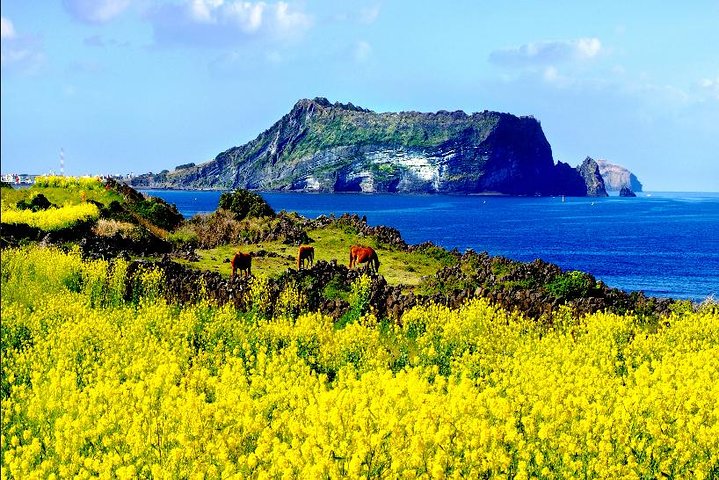
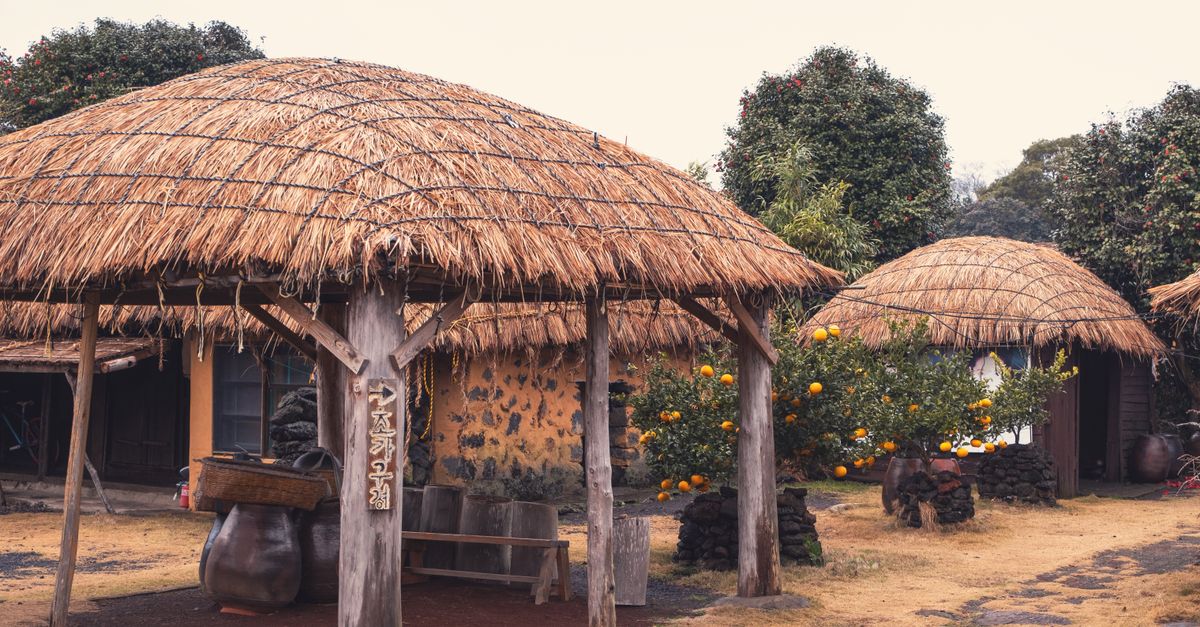
Jeju Island is South Korea's tropical escape — a volcanic island with UNESCO-listed lava tubes, dramatic sea cliffs, and a unique culture distinct from the mainland. Three days covers Hallasan volcano, the coastal olle trails, and the diving women (haenyeo) tradition that has survived for centuries.

Hallasan Volcano & Seongsan Sunrise Peak
Explore the city's most iconic sights and neighborhoods. Start early to beat crowds at the most popular attractions and save the atmospheric evening experiences for after sunset.
Explore the city's most iconic sights and neighborhoods. Start early to beat crowds at the most popular attractions and save the atmospheric evening experiences for after sunset.
Jeju Olle Trails & Waterfalls
Venture beyond the center to discover the city's cultural depth. Day trips and secondary attractions often provide the most authentic local experiences with fewer tourist crowds.
Venture beyond the center to discover the city's cultural depth. Day trips and secondary attractions often provide the most authentic local experiences with fewer tourist crowds.
Haenyeo Culture & East Coast
Use your final day for deeper exploration, markets, and food discovery. The less-visited corners of any city reveal the character that guidebooks miss. Allow time for spontaneous discovery.
Use your final day for deeper exploration, markets, and food discovery. The less-visited corners of any city reveal the character that guidebooks miss. Allow time for spontaneous discovery.

Exploring Jeju Island
Hallasan, the dormant volcano at the island's center, rises 1,947 meters — South Korea's highest peak. The Seongpanak and Gwaneumsa trails reach the summit crater lake (Baengnokdam) in 4-5 hours. The Eorimok and Yeongsil trails are shorter alternatives reaching scenic viewpoints without the full summit push. Permits required for summit trails — book online at least a day ahead. Snow covers the peak from December through March.
Seongsan Ilchulbong (Sunrise Peak) is a dramatic volcanic crater rising from the sea on Jeju's eastern tip (₩5,000). The 30-minute hike to the rim rewards with views inside the grass-filled crater and across the ocean. Arrive before dawn for sunrise — the peak's purpose is in its name. The surrounding village has the haenyeo (diving women) demonstration at 1:30 PM daily.
The Jeju Olle Trail is a network of 26 coastal walking routes totaling 425 kilometers, circling the entire island. Each route takes 5-7 hours. Route 7 (Soesokkak to Jungmun) is the most popular, passing basalt coastline, mangrove forests, and the Jusangjeolli columnar joints — hexagonal basalt columns formed by volcanic lava meeting the sea.
Manjanggul Lava Tube (₩4,000) — a 7.4-kilometer UNESCO-listed cave formed by volcanic lava flowing underground. Only 1 kilometer is open to visitors, but the scale is impressive — the tube is up to 30 meters wide and 23 meters high. The stalactites and lava shelves date back 300,000 years. Bring a jacket — the cave is significantly cooler than the surface.
Jeju's beaches range from volcanic black sand (Jungmun Saekdal Beach) to white sand (Hyeopjae Beach) to unique orange sand (Gwakji Beach). The water is warm enough for swimming from June through September. Diving and snorkeling off the southern coast reveal coral and subtropical fish — unusual for South Korea. Jeju's latitude gives it a subtropical climate warmer than the mainland year-round.
Rent a car (₩40,000-70,000/day) — Jeju has limited public transport and the island's attractions are spread across 1,849 square kilometers. International licenses are recognized. The coastal road circling the island is one of Korea's most scenic drives. Bus routes 201 and 202 do circle the island but with limited frequency and slow travel times.
Getting Around
Jeju has one fundamental transport truth that no itinerary can work around: a car is nearly essential. The island covers 1,849 square kilometres, the major attractions are spread across its entirety, and the public bus network — while comprehensive on paper — involves long waits and slow journey times that make it impractical for a three-day visit. Rent a car at Jeju International Airport on arrival. Domestic car rental companies such as KT Rent-a-Car and Jeju Car Rental offer compact vehicles from ₩40,000 to ₩55,000 per day including insurance. International driving licences are accepted. The roads are well-maintained and signage includes English throughout.
For travellers who prefer not to drive, Jeju's intercity bus network operates two circular routes — Bus 201 (clockwise) and Bus 202 (anticlockwise) — that loop the entire coastal road. A single journey from Jeju City to Seongsan takes approximately 90 minutes and costs ₩3,000 using a T-money transit card (purchased at any convenience store for ₩2,500 with ₩1,000 credit). The limitation is frequency: buses run every 30 to 60 minutes depending on the route and time of day, which effectively limits you to two or three major stops per day.
Taxis are metered, honest, and reasonable by Korean standards. A trip from Jeju City to Seogwipo (across the island) costs ₩35,000 to ₩45,000 — expensive for a single passenger but manageable split three or four ways. Kakao T, Korea's dominant ride-hailing app, works on Jeju and allows you to hail taxis without a local phone number when set up in advance. Download it at home before departure. Local taxi drivers are generally helpful with directions even without shared language; showing your destination on Google Maps works reliably.
Cycling is increasingly popular on Jeju, particularly along the coastal olle trails. The Jeju Olle Foundation maintains rest stops with bicycle parking at regular intervals around the island. Rental shops in Jeju City and Seogwipo offer bicycles from ₩15,000 per day and e-bikes from ₩30,000. The flat coastal sections are excellent cycling terrain; the mountain roads to Hallasan are significantly more demanding. The 182-kilometre coastal cycling route (Jeju Bicycle Road) is entirely paved and signposted with blue direction markers — it can be ridden in three to four days by experienced cyclists.
Within Jeju City itself, walking covers the compact downtown, the Dongmun Traditional Market, and the main port area comfortably. Seogwipo, the island's southern city, is similarly walkable within its centre. The Jeju City public bike-share system (Tamna Dream Tour) operates docking stations near the major tourist sites and charges ₩1,000 for the first hour — practical for moving between the ferry terminal, Yongduam Rock, and Dongmun Market without flagging a taxi.
Practical Tips
South Korea is one of the world's most connected, efficient, and safe countries. High-speed KTX trains, ubiquitous Wi-Fi, and a culture of technological convenience make travel seamless. The Korean won (₩) is the currency — budget ₩100,000-200,000/day for mid-range travel. T-money cards (₩2,500 at any convenience store) work on all public transport.
Korean etiquette: use two hands when giving or receiving items, pour drinks for others (never yourself), and remove shoes when entering homes and some traditional restaurants. Bowing is the standard greeting. Age hierarchy matters — older people are served first and addressed with respect. Tipping is not practiced and can even be considered rude in some contexts.
Korea's four seasons are dramatic. Spring (April-May) brings cherry blossoms. Summer (June-August) is hot and humid with a rainy season (jangma) in July. Autumn (September-November) has spectacular foliage and ideal temperatures. Winter (December-February) is cold (-10°C to 5°C) but brings skiing, hot springs, and fewer tourists. The busiest domestic travel periods are Chuseok (autumn harvest, September/October) and Lunar New Year (January/February).
Best Times to Visit & Budgeting
Timing your visit matters enormously for both weather and crowds. Peak tourist seasons bring higher prices, sold-out accommodations, and crowded attractions. Shoulder seasons (the weeks just before and after peak) often deliver the best balance — good weather, manageable crowds, and reasonable prices. Off-season travel is the cheapest but check for monsoon rains, extreme heat, or seasonal closures.
Budget planning for three days should account for accommodation (30-40% of total), food (20-25%), transport (15-20%), activities and entrance fees (15-20%), and a contingency buffer (10%). The biggest savings come from choosing accommodations wisely — a well-located mid-range hotel that eliminates taxi costs can be cheaper than a budget hotel in a remote area plus daily transport.
Travel insurance is non-negotiable. A single hospital visit in most Asian countries costs more than a year of comprehensive travel insurance (0-80 for a 2-week trip). Ensure your policy covers emergency medical evacuation — this is the expensive scenario that justifies the premium. Download your policy documents to your phone for offline access.
Currency exchange tips: ATMs generally offer better rates than airport exchange counters. Withdraw larger amounts less frequently to minimize per-transaction fees. Carry some US dollars (0-100) as universal backup — they're accepted in emergencies across most of Asia. Notify your bank of travel plans to prevent card blocks. Use a travel-specific card (Wise, Revolut) for the best exchange rates and lowest fees.
Download essential apps before arriving: Google Maps (with offline maps for your destination), Google Translate (with offline language packs), the local ride-hailing app (Grab for Southeast Asia, DiDi for China, Uber/Ola for India), and your accommodation booking confirmation. A portable battery pack (10,000-20,000 mAh) keeps your phone alive through a full day of navigation, photography, and ride-hailing.