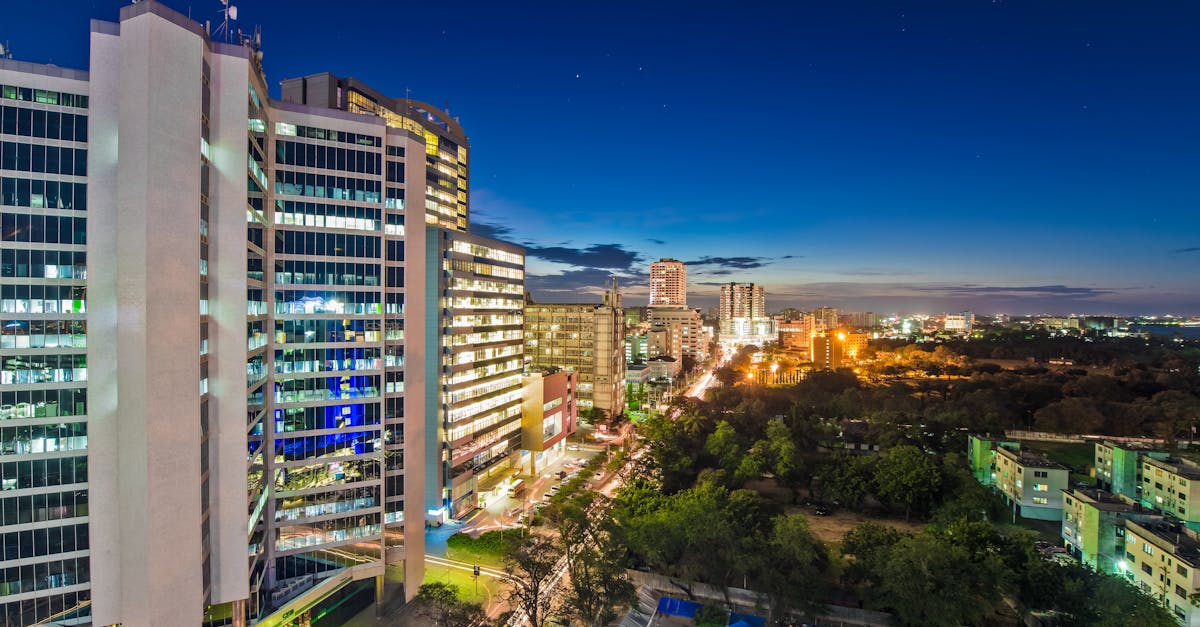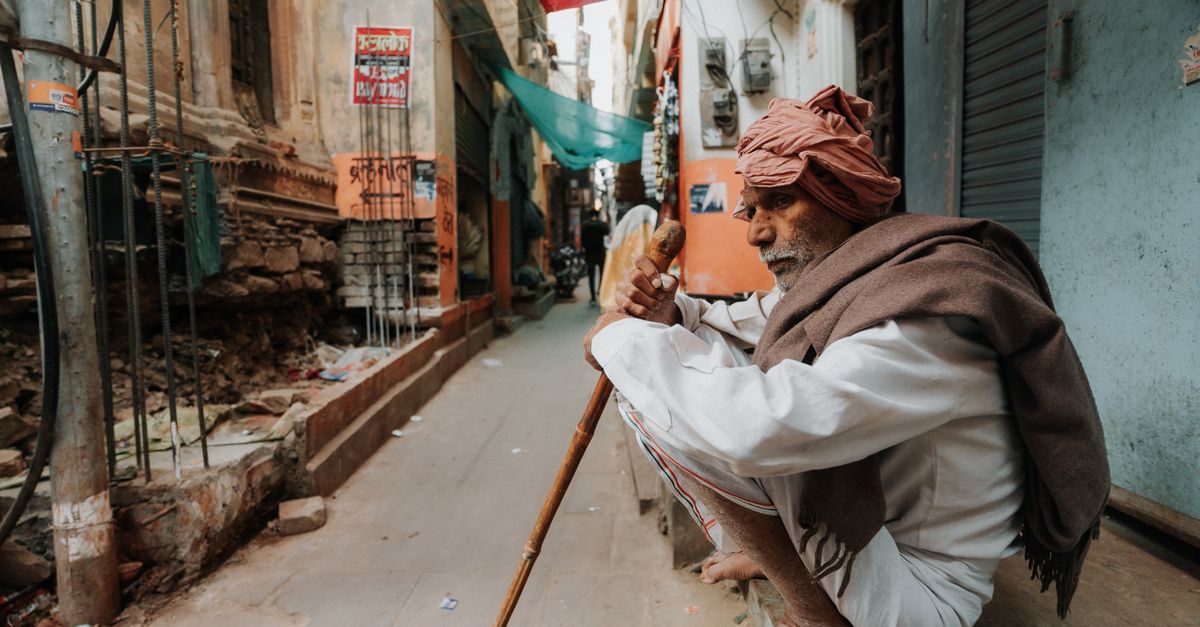
Bengaluru is India's most globally connected city and, for many international travelers, the easiest entry point to the subcontinent. It has good English proficiency, the country's most developed café culture, a moderate climate year-round, and a population accustomed to international visitors. But first-timers who treat it as merely a transit hub to Kerala or Goa miss something genuinely compelling: a city where a century-old masala dosa institution sits three blocks from a craft brewery, and where Dravidian temple architecture and Tudor-revival palaces are equally at home. Come prepared, stay curious, and Bengaluru will be one of the most livable introductions to India you could have chosen.
Before You Arrive
Most international visitors to India require an advance visa. The Indian e-Visa is the standard choice — processed entirely online at the Government of India's official portal (indianvisaonline.gov.in), it costs USD 25 for a 30-day single-entry tourist visa or USD 40 for a 1-year multiple-entry version. Processing takes 48–72 hours in most cases; apply at least five days before travel as a buffer. Kempegowda International Airport (BLR) is an authorized e-Visa port of entry — confirm this for your nationality on the Ministry of External Affairs website. Citizens of certain SAARC nations have different arrangements. Print a physical copy of the approval email and carry it alongside your passport throughout your India trip.

The Indian Rupee (₹) cannot be obtained outside India in most countries. Exchange currency on arrival at the Thomas Cook or Centrum counters inside the arrivals terminal — these offer better rates than hotel desks or city street exchangers. ATMs from HDFC, ICICI, and Standard Chartered accept international Visa and Mastercard reliably; Axis Bank ATMs also have a good track record with foreign cards. Inform your bank of your travel dates before departure to prevent automatic fraud blocks, which are common with sudden activity in India. Carry some smaller denomination notes (₹100 and ₹200) for auto-rickshaws, darshini meals, and street purchases — vendors often cannot change ₹2,000 notes.
A local SIM card is non-negotiable for a smooth trip. Airtel is the standard recommendation for Bengaluru and Karnataka: the network has the best coverage across the state, strong speeds in central Bengaluru's tech districts, and prepaid plans from ₹199/28 days (2GB/day + unlimited calls). Jio is the budget alternative at equivalent pricing with slightly weaker building penetration in some older neighborhoods. Both networks have counters inside Kempegowda International Airport's arrivals hall — look for them immediately after exiting customs. You'll need your passport, one passport photo, and your hotel address for the mandatory registration. Allow 20–30 minutes. Without a working SIM, Ola/Uber booking, Google Maps navigation, and UPI payment are all unavailable.
Bengaluru's climate is famously mild — the city sits at approximately 900 meters elevation, which moderates temperatures year-round. Ideal visiting months are October through February: daytime temperatures of 22–28°C, cool evenings (15–18°C), and minimal rainfall. March–April heats up (30–34°C) but remains manageable. May is the hottest month. The southwest monsoon arrives in early June and continues through September — Bengaluru receives less rain than the Kerala coast but afternoon downpours are frequent from June to August. Pack one layer for evening coolness from November to January; a light waterproof jacket from June to September.
Getting from the Airport
Kempegowda International Airport (BLR) is located in Devanahalli, approximately 40 kilometers north of central Bengaluru. This is a longer transfer than most major Indian cities, and understanding your options clearly avoids expensive missteps on arrival.

The BMTC Vajra AC Bus is the budget workhorse. Route 335E runs from the airport to KSR Bengaluru City (Majestic) via several central stops, operating from approximately 5 AM to 11 PM. Fare: ₹300. Journey time: 60–90 minutes off-peak, potentially 2 hours during the 5:30–8 PM peak. Buy your ticket at the BMTC counter inside the arrivals building. This bus is air-conditioned, reliable, and deposits you at Majestic, which connects directly to both metro lines and the main railway station. Standard luggage is fine; very large bags are a practical challenge on busy buses.
The Namma Metro now connects to the airport via the Yellow Line (Reach-1 extension under the Phase 2B project). Check the current operational status of the airport metro link at the time of your visit — the project has phased openings. When fully operational, fares to central Bengaluru (Majestic) will be approximately ₹55–80 and the journey will take 40–50 minutes — the most efficient and comfortable option when available.
The Prepaid Taxi Counter inside arrivals sets fixed zonal rates — central Bengaluru costs approximately ₹800–1,100 depending on destination. Pay at the counter and collect your receipt before finding your driver. Journey time: 45–75 minutes off-peak, 90–120 minutes during evening rush. Worth the extra cost over the bus for travelers arriving after 9 PM, with significant luggage, or in groups of three or more splitting the fare.
Ola and Uber operate from the designated pick-up zone outside arrivals (Gate 5, second level). Fares run ₹700–1,100 to central zones depending on demand. Surge pricing is common during late evening peak and during rain. Book before reaching the exit to minimize wait time.
Getting Around
Bengaluru's transport requires a layered strategy — the metro for fast corridor travel, Ola/Uber for point-to-point flexibility, and autos for last-mile neighborhood movement. No single mode works for everything.

The Namma Metro is the fastest and most reliable way to cross the city's main axes. The Purple Line runs east-west from Baiyappanahalli (Indiranagar area) through MG Road, Cubbon Park, Majestic, and west to Mysore Road. The Green Line runs north-south from Nagasandra through Yeshwantpur, Majestic, and south to Silk Institute (near Bannerghatta Road). Both lines intersect at Majestic. Fares: ₹10–60 per journey. Trains run from 5 AM to 11 PM at 5–10 minute intervals during peak hours. A Smart Card (₹50 deposit, refundable) saves queue time and provides fare consistency. Download the Namma Metro app for accurate route and timing information.
Ola and Uber provide transparent metered fares for the vast number of destinations the metro doesn't reach. Indiranagar to Koramangala: ₹100–160. MG Road to Basavanagudi: ₹120–180. Whitefield to Majestic: ₹300–450 (a route to avoid during peak hours). Ola Autos are available throughout the city for shorter trips at ₹50–120 — the cheapest mechanized option after the metro. The apps work reliably and both drivers and riders are rated; safety standards are broadly consistent with international ride-share norms.
Auto-rickshaws (black and yellow, three-wheeled) use a meter that is mandatory by Karnataka law. Request "meter please" at the start of every ride — most drivers comply, especially if you get in before discussing fare. The flag fall is ₹30 and the per-kilometer rate is approximately ₹15. For first-time visitors, app-based autos (Ola Auto or Rapido) eliminate negotiation entirely and provide the meter clarity that street autos sometimes resist.
Where to Base Yourself
Bengaluru's geography can disorient new arrivals. The city has expanded from a compact colonial cantonment to a metro of 13 million people, and its best neighborhoods are scattered across a large area without the obvious clustering of Delhi's tourist zone or Mumbai's coastal corridor. Understanding three or four key areas before arrival saves hours of poor decision-making.

MG Road and Brigade Road is the conventional first-timer base — and a reasonable one. The area has good metro access (MG Road station on the Purple Line), the densest concentration of mid-range hotels, and walkable proximity to Cubbon Park, the National Gallery of Modern Art, and the commercial streets that define central Bengaluru. The famous Blossom Book House at Church Street is a ten-minute walk. Disadvantages: MG Road itself is a commercial strip without much character; the hotel inventory skews either budget or expensive with a quality gap in the middle.
Indiranagar, east of the city on the Purple Line metro, is the most compelling neighborhood for visitors who want Bengaluru at its most confident and contemporary. The intersection of 12th Main Road and 100 Feet Road has the highest density of restaurants, cafés, bars, and boutiques per square kilometer in the city. Toit Brewpub, Truffles, Social, and a dozen other named venues are within walking distance of each other. Residential side streets have yoga studios, independent wine bars, and Sunday morning farmers' markets. Stay here if food and nightlife are priorities and you don't mind the 20-minute metro ride to historic sites.
Koramangala, southeast of Indiranagar, is Bengaluru's startup and young professional hub — co-working spaces, technology offices, and the food ecosystem surrounding them. The 5th Block and 7th Block restaurant strips offer the most extensive dining choice in any single Bengaluru neighborhood. MTR's Lalbagh Road branch is nearby. The area has less nightlife than Indiranagar and the road network is confusing, but accommodation costs about 15–20% less than equivalent properties in Indiranagar.
Basavanagudi, south of the city, is the old Bengaluru that most visitors miss — wide tree-lined streets, traditional market areas, the landmark Dodda Ganesha Temple, and Vidyarthi Bhavan. It feels like Bengaluru before the tech boom: quieter, more residential, less international. Hotels and guesthouses here are sparse; this neighborhood is better as a half-day excursion from a central base than as an accommodation location for first-timers.
Local Culture and Etiquette
Bengaluru occupies a layered cultural position — the capital of Karnataka state with a strong Kannada language identity, a historic British cantonment that still influences its urban planning and pub culture, and a global tech hub that has absorbed residents from every Indian state and dozens of countries. This layering creates a city with more behavioral latitude than most Indian cities, and fewer rigid protocols for visitors to memorize.

The pub and craft beer culture is a legitimate part of Bengaluru's identity. The city pioneered India's microbrewery movement: Toit (Indiranagar), Arbor Brewing (multiple locations), and Windmills Craftworks (Whitefield) were among the first in the country and remain benchmarks for quality. Drinking in licensed establishments is entirely normal and socially accepted across all demographics. Note: Karnataka has varying closing times by day — some establishments serve alcohol until 1 AM on weekends. Drinking in public spaces (parks, streets) is illegal and not culturally practiced.
Temple visits require standard respectful protocols: remove footwear before entering (there are shoe racks at entrances), dress with shoulders and knees covered, and avoid leather goods (belts, bags) inside the most devout temples. The ISKCON Bengaluru temple is very visitor-friendly and has English explanations throughout. The Bull Temple (Dodda Ganesha) in Basavanagudi is smaller and more traditional — follow the devotees and move clockwise around the central shrine. Photography norms vary by temple; when in doubt, ask a staff member.
Kannada is Bengaluru's official state language, and residents have historically been sensitive about the dominance of Hindi and Tamil in what they consider a Kannada-speaking city. A basic "Namaskara" (greeting) and "Dhanyavada" (thank you) in Kannada will be received with visible warmth, particularly in markets and traditional neighborhoods. Most Bengaluru residents switch comfortably to English for practical communication — the tech economy has made it a genuinely bilingual city. Attempting Hindi is generally fine but Kannada is appreciated.
Bengaluru's restaurant culture is more relaxed about timing than other Indian cities — the city's young professional population eats later (dinner from 8 PM onward) and tables turn more slowly than in Delhi or Mumbai. Reservations are strongly recommended at top restaurants on weekends; Dineout and EazyDiner handle most Bengaluru bookings. Tipping at 10% is the expected norm in sit-down restaurants; darshinis and street stalls never expect tips.
Common Mistakes to Avoid
1. Booking accommodation in Whitefield or Electronic City for a leisure trip. These zones are Bengaluru's IT corridor, designed for workers commuting to tech parks — not for travelers exploring the city. They are 20–40 kilometers from most attractions, in areas that lack the restaurants, street life, and character of central Bengaluru. Hotel deals in these areas look attractive until you add the daily taxi costs and time that erodes your trip. Stay within 5 kilometers of the MG Road metro station unless you have a specific reason to be in the tech corridor.
2. Scheduling airport arrival during peak traffic hours. Kempegowda Airport is 40 kilometers north of the city, and the NH44 airport highway passes through Hebbal — one of Bengaluru's worst traffic intersections. Arrivals between 5 PM and 8 PM routinely result in 2–2.5 hour transfer times. If you can choose your arrival time, target before 2 PM or after 9 PM. The same advice applies to departures: add 3 hours buffer from central Bengaluru for evening flights.
3. Attempting to walk long distances in Bengaluru's footpath network. Unlike Kolkata or Mumbai, Bengaluru is not a walking city — its footpaths are inconsistent, often encroached upon, and the distances between attractions require transport. The sole exception is the Indiranagar-Koramangala restaurant corridor on Sunday mornings, and the Lalbagh interior. For everything else, plan transport before moving.
4. Visiting Vidyarthi Bhavan on Sunday without early arrival. This legendary dosa institution operates on extremely limited hours (6:30–11:30 AM daily, brief evening sitting) and Sunday queues can be an hour long by 8 AM. Arrive before 7:30 AM on Sundays or visit on a Tuesday or Wednesday morning when the wait is 15 minutes or less. The dosa is worth the planning; it is not worth the frustration of an 80-minute Sunday queue.
5. Using prepaid taxis from the airport without checking Ola/Uber first. The prepaid taxi counter charges ₹800–1,100 for central Bengaluru. At the same moment, Ola or Uber may show ₹650–850 for the same trip at non-surge pricing. Check the app before queuing at the prepaid counter; the app price is usually lower and the car quality is often better. The exception is late-night arrivals during heavy rain when surge pricing can push app fares above ₹1,500 — at that point, the prepaid counter provides price certainty.
6. Missing the Nandi Hills sunrise because of late start. The hill fortress 60 kilometers north of Bengaluru (1,478 meters elevation) is genuinely spectacular at sunrise, with cloud-sea views over the Deccan. But "spectacular at sunrise" requires leaving Bengaluru by 4 AM — later departures miss the mist entirely and arrive to a view that is merely pleasant. If you want the experience that photos show, set the alarm for 3:30 AM. If this sounds unappealing, Nandi Hills in the afternoon is a perfectly nice historical site at full visibility, simply minus the drama.
7. Ignoring Basavanagudi entirely because it's "not on the tourist trail." The Vidyarthi Bhavan, the Bull Temple, the Gandhi Bazaar market street, and the leafy residential lanes of Basavanagudi represent pre-tech Bengaluru in near-intact form — a living neighborhood rather than a preserved exhibit. Travelers who confine themselves to MG Road, Koramangala, and the mall-adjacent zones see Bengaluru's newest version only. Take one morning or afternoon to cross south of Lalbagh and wander without a specific agenda.