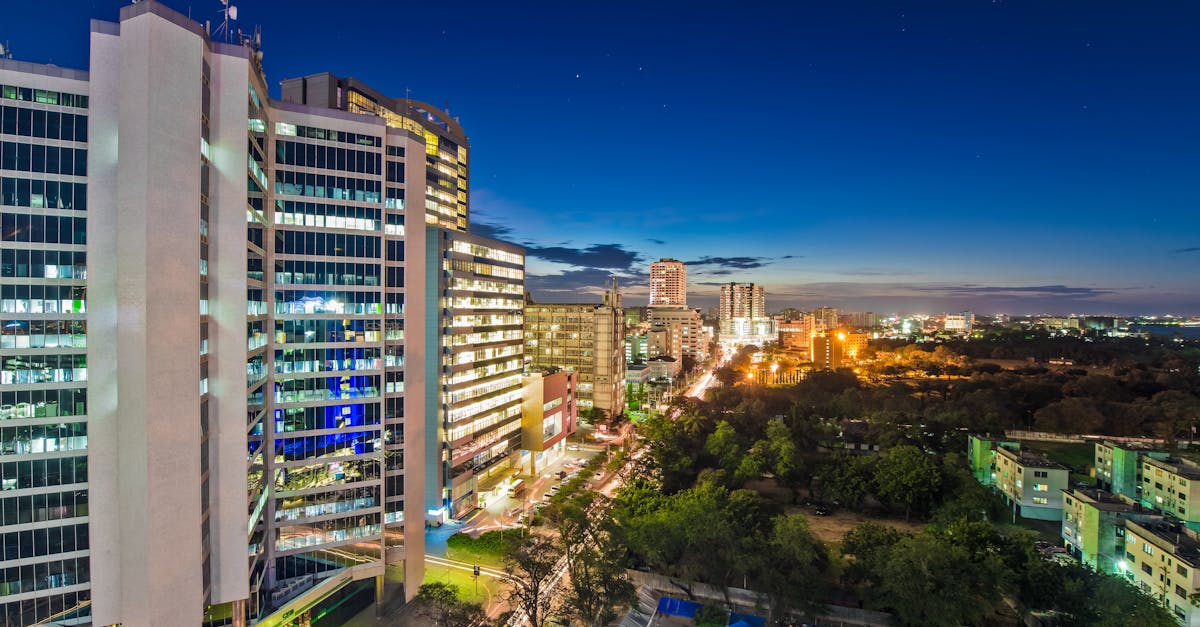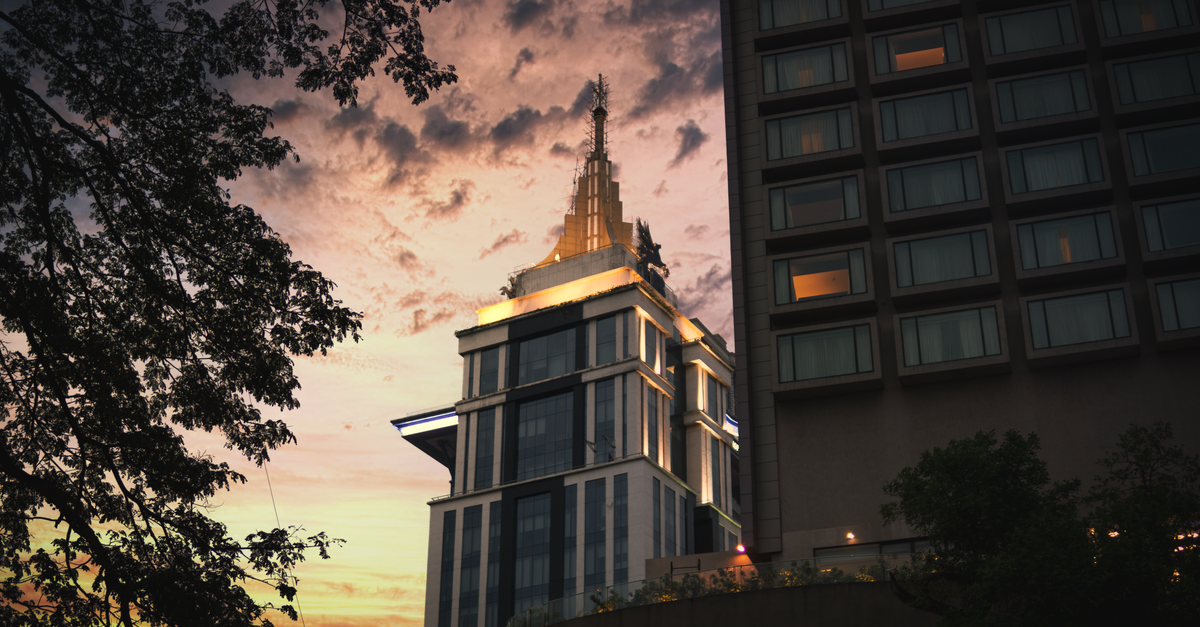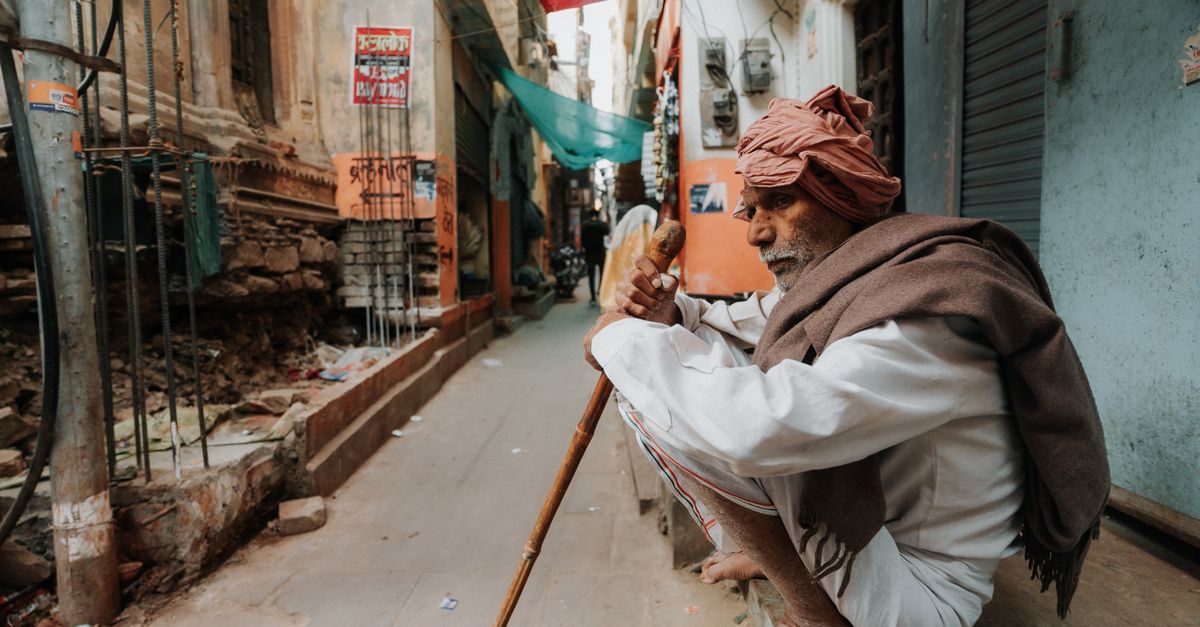
Bangalore is India's tech capital and its most rapidly changing major city — a place where a farmland village of 1990 is now a gleaming IT campus, and where the cultural infrastructure of a state capital is being stretched to accommodate 14 million people instead of the 3 million it was designed for. The city's reputation abroad is almost entirely about the tech industry, which is accurate as an economic description but misses the Bangalore that residents actually inhabit: the heritage neighbourhoods of Pete and Cantonment, the extraordinary garden culture that gave the city its original "Garden City" identity, the Carnatic music tradition that has been producing masters of the form for generations, and the specific coffee culture that made Bangalore the city that taught India to drink filter coffee seriously.
This guide is for travelers who arrive in Bangalore for work or transit and want to discover what the city genuinely has to offer beyond the airport hotel and the IT park. Or for those who want to understand why Bengaluru, despite the traffic and the concrete, produces so many people who are deeply attached to it. The answer is complex but involves the specific climate (tropical highland, cool evenings year-round), the specific food (South Indian at its finest with a century of cafeteria culture layered on top), and the specific social intelligence of a city that has been synthesizing Kannada, Tamil, Urdu, English, and now Malayalam culture for 400 years.
Ten Bangalore experiences that represent the city at its most specifically itself.
1. Lalbagh at Dawn — The Garden City's Best Garden
Lalbagh Botanical Garden, established by Hyder Ali in 1760 and expanded by Tipu Sultan before passing to British administration, is one of the finest tropical botanic gardens in Asia — 240 acres of mature trees, formal garden beds, the extraordinary glass house (modeled on the Crystal Palace, built 1889) and a plant collection that includes specimens brought from every corner of the British Empire at the height of botanical colonialism. At 6am on any day of the year, Lalbagh is Bangalore's finest democratic public space: the morning walkers, the yoga practitioners on the lawns, the serious birdwatchers in the old-growth sections, and the couples who have appropriated specific benches for decades of morning tea all share a garden that is genuinely beautiful in the horizontal morning light.
The glass house is most extraordinary from the outside in morning light — the Victorian iron and glass structure, filled with tropical plants, steams slightly in the cool morning air and catches the first sunlight through its domes. The rose garden section northeast of the glass house peaks in bloom twice yearly (October–November, January–February) and is among the finest rose garden displays in South India. The 3,000-year-old rock formations in the garden's southeastern corner — exposed boulders of gneiss that predate human presence in the subcontinent — give the modern garden a geological depth that is unique among urban botanic gardens.
Lalbagh is in the Lalbagh West area, accessible from Lalbagh Road or from the south entrance near the NIMHANS road. Metro: Lalbagh Road Station (Green Line). Entry ₹30. Open daily 6am–7pm. The morning entry rush (6–7am) is the quietest and most atmospheric window. The Wednesday morning bird walk organized by the Bird Watching Society of India (free, meet at the main gate 6:30am) identifies the 100+ bird species resident in the garden. The glass house is open for entry 9am–5pm at ₹10 additional entry fee.
The Lalbagh flower shows (Republic Day and Independence Day in January and August) are Bangalore's most popular recurring events — the glass house and surrounding beds are decorated with elaborate themed floral displays that draw hundreds of thousands of visitors over three days. The queues are long but the displays are genuinely extraordinary. Book entry tickets in advance through the Karnataka Horticulture Department's online portal to avoid the most intense crowds.
2. Bangalore Pete — The Old City's Market District
The Pete area of old Bangalore (Chickpet, Balepet, Cottonpet, Aralepet) is the city's original commercial district, established by Kempe Gowda I when he founded Bangalore in 1537, and is still the most economically active square kilometer in Karnataka. The lanes here specialize in a way that gives the area its character: entire streets given to a single trade, as in the medieval European guild city. Cottonpet is fabric; Avenue Road is books (the finest second-hand book market in South India after College Street in Kolkata); Balepet is wholesale flowers and incense; Chickpet is sarees and textiles. Walking through the Pete area on a weekday morning is one of India's finest sensory experiences.
The Krishnarajendra Market (KR Market), the central produce market of the Pete area, is one of the most extensive flower markets in India — roses by the literal truckload arriving before dawn, marigold garlands being assembled for temple distribution, jasmine (the scent of Bangalore's mornings) sold by the kilogram. The market at 5am, when the flower auction is concluding and the delivery vehicles are loading, is one of those experiences of scale and color that stays with you in the way that artificial-light museum exhibitions never do.
The Pete area is in Central Bangalore, accessible from Chickpet Metro Station (Purple Line). KR Market is free to walk through. Most active 4–10am (wholesale) and 9am–7pm (retail). The flower market peak is 4–7am. Several old Brahmin-run hotels (traditional South Indian restaurants, not hotels in the accommodation sense) in the Pete area serve the finest filter coffee and traditional Udupi breakfast in the city — the Coffee Board Café on MG Road is the institutional landmark but the hole-in-the-wall operations on Cottonpet and Chickpet roads have been serving local merchants for decades at prices (₹15–40 for a complete breakfast) that have barely changed.
The Jumma Masjid on Mosque Road at the Pete area's northern edge is one of Bangalore's finest mosques and serves the old Muslim merchant community (particularly the Old Bangalore Pathan community) whose silk and fabric trade has been centered in this area since the 18th century. The mosque is open to non-Muslim visitors outside prayer times. The surrounding Old Khader Khan Road area has traditional biryani restaurants serving the specific Bangalore Muslim biryani style — shorter-grain rice, different spice balance from Hyderabadi — at prices (₹150–250 for a full plate) that make the hotel restaurant versions look absurd.
3. Cubbon Park — The British Garden That Became a Public Good
Cubbon Park, laid out in 1864 by Bangalore's British administrator Sir Mark Cubbon, is the second major garden park in the city (after Lalbagh) and serves a different function — where Lalbagh is a botanic garden and horticultural showpiece, Cubbon is primarily a social space, 300 acres of mature trees and walking paths at the center of the modern city. The Attara Kacheri (High Court building, 1864) and the State Central Library (1915) on its western edge, and the Bangalore Aquarium and Visvesvaraya Industrial and Technological Museum on its eastern edge, make Cubbon the densest concentration of public institutions in the city.
The specific Cubbon experience that rewards early rising: the morning walking culture, when the park is used by an extraordinary cross-section of the city. Software engineers in running shoes, elderly Brahmin women in silk sarees, Muslim families on Sunday picnics, serious birders consulting their lists — the park is one of the few spaces in Bangalore where the city's extreme social stratification briefly dissolves into shared public space. The old rain trees (some 150+ years old), their enormous horizontal branches supported by iron props installed by the British, create a cathedral canopy over the main walking paths that is the finest free urban nature experience in the city.
Cubbon Park is in Kasturba Road area, accessible from Cubbon Park Metro Station (Purple Line) or Vidhana Soudha Metro Station (Purple Line). Entry free. Open daily 6am–6pm. No vehicles permitted inside the park. The Bandstand in the park's center occasionally hosts free concerts by the Karnataka State Police Band and the Karnataka Rajyotsava cultural events in November. The walk from Cubbon Park's northern gate east along the Raj Bhavan road (the Karnataka Governor's residence — impressive gates, can't enter) to the BBMP (city council) building gives the best appreciation of Bangalore's British-era civic ensemble.
The State Central Library in the southeast corner of Cubbon Park is one of the finest public libraries in South India — the reading rooms (free access with ID) are air-conditioned and hold collections of Kannada literature that are accessible nowhere else. The evening reading culture (the library stays open until 8pm on weekdays) sees the reading rooms occupied by a community of serious readers that represents Bangalore's specific intellectual tradition of Kannada-language learning alongside English professional culture.
4. Tipu Sultan's Summer Palace — The Wooden Architecture Masterpiece
Tipu Sultan's Summer Palace in the Pete area, built in the late 18th century, is one of the finest examples of Indo-Saracenic wooden architecture in India — an entirely teak structure with carved wooden columns, painted arches, and a geometric decorative program that synthesizes Mughal, Deccan, and European stylistic elements. The building is small (two stories, modest footprint) but architecturally extraordinary — the teak carving on the column brackets and the painted ceiling panels is at a quality level that justifies the nickname "Jewel of Hindustan" given by the Nawab of Mysore's own historians.
The summer palace is surrounded by the chaos of Bangalore's commercial center, which makes the transition through its entrance gate — from auto-rickshaws and textile shops to the quiet courtyard garden of an 18th-century royal residence — particularly dramatic. The building is remarkably intimate compared to the Mysore Palace's grandeur, and that intimacy allows the architectural detail to be examined close-up. The painted floral and geometric motifs on the ground floor ceiling, now somewhat faded but still vivid in sections, are among the finest examples of late Mughal decorative painting in Karnataka.
Tipu Sultan's Summer Palace is at Albert Victor Road, Bangalore Fort area, accessible from KR Market Metro or by walking 10 minutes south from Chickpet. Entry ₹15 (Indians), ₹200 (foreigners). Open Monday–Saturday 8am–5:30pm. The adjacent Bangalore Fort (also called Mysore Fort) has the fort walls from Kempe Gowda's original 1537 construction, now partially reconstructed — the two sections of original wall visible give the most physical sense of Bangalore's founding moment. The Venkataramanaswamy Temple within the fort complex (active, free, pre-British Hindu construction) is the oldest surviving temple in the city.
The Jamia Masjid at the southwest corner of the fort complex is the oldest mosque in Bangalore (though rebuilt several times) and serves the old Bangalore Muslim community whose ancestors were brought to the city by Tipu Sultan. The afternoon adhan (call to prayer) from this mosque, in the heart of the commercial Pete area, is one of the sonic signatures of old Bangalore that has persisted through every transformation of the surrounding city.
5. Indian Coffee House on MG Road — The Last Adda
The Indian Coffee House chain, operated as a workers' cooperative since 1958 when the Coffee Board of India converted its coffee houses to employee ownership, has branches throughout India. The Bangalore branches — particularly the original on MG Road and the North Parade Road branch near Cubbon Park — maintain the specific culture of the Indian Coffee House that makes them singular: the cream-colored uniform and turban of the servers (an unchanged design since the 1930s), the marble tables and rattan chairs (unchanged since the 1960s), the menu (filter coffee ₹30–45, masala dosa ₹60–80, no variations, no specials), and the clientele (pensioners, journalists, students, government officials) who use the place for the extended conversation that is the Indian Coffee House's primary product.
The adda (the specifically Bengali word for the art of conversation as a cultural form, adopted across urban India) at the Coffee House is the purest surviving version of the intellectual café culture that produced the Indian independence movement, the Indian film industry, and a significant portion of Indian literature in the 20th century. Sitting at a Coffee House table for two hours with a coffee costs ₹35–50. The table conversations around you will likely include assessments of the current government, the state of Kannada literature, the prospects for the Indian cricket team, and the best route to avoid the Marathahalli junction. All of this is available free to any visitor who sits down and listens.
Indian Coffee House MG Road is at 28 Museum Road (the MG Road end), accessible from MG Road Metro Station (Purple Line). Open daily 7am–9pm. No reservations, no WiFi, no background music. The service is slow (always has been; it is part of the experience). Order the masala dosa and the filter coffee and plan to stay for at least 45 minutes. The morning session (7–9am) has the most local-heavy clientele; the afternoon (3–5pm) has the most conversation. The North Parade Road branch is slightly quieter and has more regulars.
The filter coffee culture of Bangalore extends throughout the city in the traditional "hotel" restaurants — the Tamil Brahmin establishments on Balepet Road, the Udupi hotels that have been feeding the city since the 1950s, and the Brahmin coffee stalls that still operate from the Pete area mornings. A guide to Bangalore filter coffee alone would be a comprehensive document; the principle is to look for places serving coffee in the traditional steel tumbler-and-dabarah (tumbler placed in a wider vessel) format at ₹15–30 per cup.
6. Jayanagar's 4th Block — The Residential Neighbourhood That Works
Jayanagar, the residential neighbourhood south of Lalbagh developed in the 1960s, is Bangalore's model middle-class locality — a planned area of tree-lined residential roads, a functioning shopping complex, good schools, and the specific Bangalore characteristic of neighbourhood life organized around the junction (there are dozens of named junctions in Jayanagar, each with its own character). The 4th Block shopping area has Bangalore's finest concentration of traditional South Indian sweets shops, saree emporiums, and the specific morning breakfast culture — idli and dosa at the small "hotels" that define South Indian urban food — at prices that haven't significantly adjusted for the inflation of the tech-economy years.
The Jayanagar morning (6–9am) is worth experiencing as a window into how middle-class Bangalore actually lives: the milk vendor delivering from a bicycle, the morning newspaper reader at the junction, the schoolchildren in their uniforms, and the specific Bangalorean ritual of the morning breakfast at the neighbourhood restaurant. The Brahmins' Coffee Bar on 4th Block has been serving the same customers for 40 years and its masala dosa (₹80) is considered by a significant number of Bangaloreans to be the city's finest. The debate over whose dosa is best is Bangalore's equivalent of the New York pizza debate — serious, internally consistent, and ultimately unanswerable.
The 4th Block area is in South Bangalore, accessible from Jayanagar 4th Block Bus Stand (multiple BMTC routes) or by Ola from the city center. The shopping complex is active 10am–8pm; the breakfast restaurants from 6am. Walking the surrounding residential streets reveals the garden culture that is Bangalore's domestic characteristic: every house with a front garden, most with the specific Bangalore combination of jasmine, rain tree, and coconut that gives the neighbourhood its specific smell on warm evenings. The Jayanagar South End Circle park (free, open daily) has the finest evening promenade atmosphere in South Bangalore.
Jayanagar also has the Lalbagh South Entrance (10 minutes walk northwest) and the NIMHANS campus (National Institute of Mental Health and Neuro Sciences, a publicly accessible campus with excellent grounds and an open-air theatre that runs cultural events) — making the area one of the best bases for a day of South Bangalore exploration that encompasses the garden, the residential neighbourhood, and the university campus culture.

7. Ulsoor Lake at 6am — The City's Forgotten Water Body
Ulsoor Lake, one of the largest urban lakes in Bangalore (125 acres), is 1km from MG Road and almost entirely ignored by visitors to the city. The lake was developed by the British as a reservoir in the 1860s and has been a public recreation area since — the boats, the waterfront park, and the small temple on an island in the center are daily features of the Ulsoor neighbourhood's morning life. At 6am the lake is at its finest: the mist on the water, the morning rowers, the kingfishers, and the specific Bangalorean phenomenon of software engineers running along the lake path with wireless earbuds while their grandparents do yoga on the lawns.
The boating on Ulsoor Lake (paddle boats and rowboats, ₹60–100/hour) is a specific pleasure — being on the water in the middle of a major Indian city, with the city's glass towers visible behind the old residential buildings on the lake's eastern shore, creates a peculiar urban contrast that is more interesting than it might sound. The ISKCON temple visible on a hilltop to the northeast, the sound of Karnatic music from the temple on the island, and the aerobatic flight of the brahminy kites that use the lake for fishing create a multi-layered sensory experience that is specifically Bangalorean.
Ulsoor Lake is accessible from Ulsoor Road, accessible from Trinity Metro Station (Purple Line) — 10-minute walk east. Entry to the lake gardens ₹10. Boating hours 8am–5:30pm. The lake is open for walking at earlier hours. The temple festival at the island temple (specific to the Tamil Brahmin community of Ulsoor, held on the appropriate lunar calendar dates) is one of Bangalore's finest small-scale public events — the procession of the deity around the island by boat, accompanied by musicians and attended by the local community, is genuinely beautiful and entirely free to watch from the lake shore.
The Ulsoor neighbourhood around the lake is the center of Bangalore's Tamil community (most of the original residents who established the area were Tamil textile workers and craftspeople) and has the finest Tamil food in the city. The Murugan Idli Shop near the lake's eastern shore has been serving idli and sambar since the 1970s at prices (₹40–80 for a complete meal) that make it the best value quality food in the area around MG Road.
8. Nandi Hills — The Colonial Hill Station at Dawn
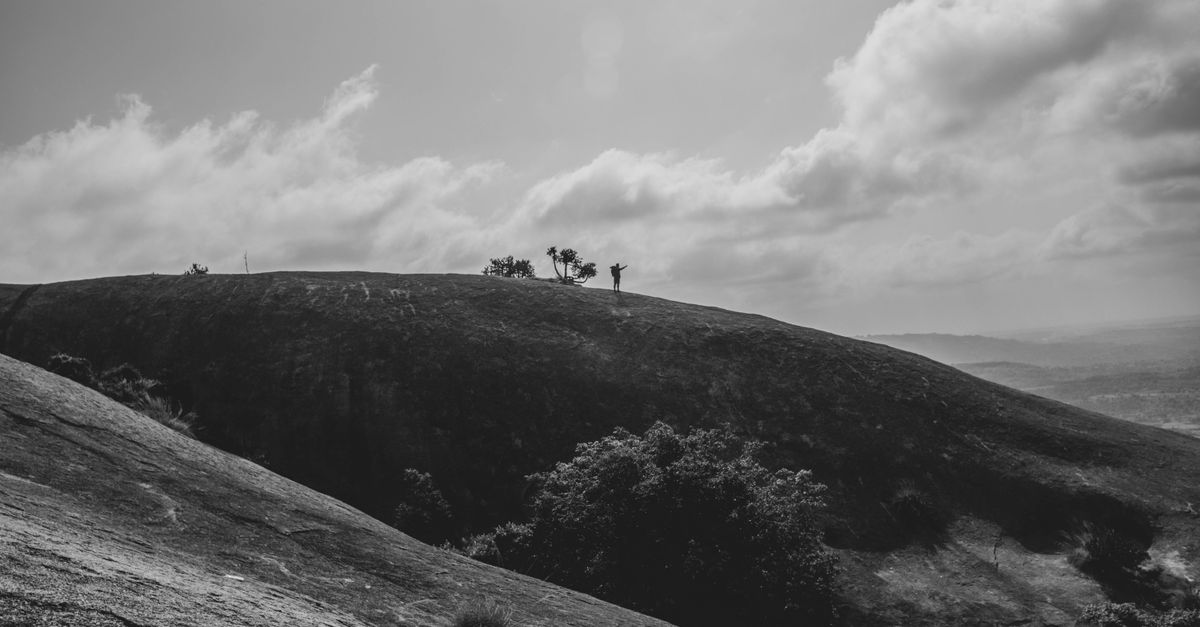
Nandi Hills, 60km north of Bangalore at 1,478 meters, is the Deccan's version of a hill station — a British-era retreat built on a dramatic rocky hilltop above the surrounding plateau that served as the summer capital of the Mysore State during the colonial period. Tipu Sultan also had a fort here (Nehru Nilaya, now a government guesthouse) and the fort walls and bastions are the most evocative historical infrastructure at the summit. The specific Nandi Hills experience is the sunrise from the summit viewpoint: the Deccan plateau stretches south toward Bangalore in a landscape of extraordinary flatness, with the city's lights visible on the horizon before dawn and the entire plain illuminating as the sun rises behind the Eastern Ghats.
Reaching the sunrise requires leaving Bangalore by 4am (60km drive on NH44 then the Nandi Hills access road). The gate opens at 6am (the sunrise window in November–February is 6:30am; June–August, 5:45am). The ₹30 entry fee is collected at the gate. Arriving 15 minutes before opening puts you in the first vehicle through the gate and at the viewpoint before the crowd. Cyclists ride the 10km climb from the base village (a serious but achievable effort that has made Nandi Hills a cycling pilgrimage for Bangalore's cycling community, who do the sunrise ride in groups every Sunday and depart Bangalore by 3am).
The hills themselves, beyond the viewpoint, have excellent short hiking trails through the forest that covers the plateau around the summit. The Tipu's Drop viewpoint (a sheer rock face from which Tipu Sultan allegedly threw prisoners — a story that has the ring of colonial propaganda but makes the geography vivid) and the Amrita Sarovar pond (ancient temple tank at the summit's western edge) are the main specific attractions beyond the view. The ancient Bhoga Nandeeshwara temple at the base of the hills (in Nandi village, 1km from the base of the climb) is one of Karnataka's finest historic temples — active, architecturally remarkable, and almost completely unknown outside the state.
Day trips to Nandi Hills from Bangalore are best done on a weekday in the cooler months (October–March). Driving is the most practical option (Ola with a driver for the day costs ₹2,000–3,000). The KSRTC bus (from Kempegowda Bus Terminal, ₹100 return) takes 2 hours but allows the cycling community's 4am departure timing. The Nandi Hills area also has the Tamil Nadu state border within 15km and the village of Chikkaballapur — a small agricultural town whose economy is being transformed by the Bangalore commuter expansion — worth a stop for the district-level Karnataka market culture before returning to the city.
9. HAL Heritage Centre — India's Aviation History
The HAL (Hindustan Aeronautics Limited) Heritage Centre and Aerospace Museum in Marathahalli is one of India's finest aviation museums and is almost completely unknown to international visitors. HAL has been manufacturing aircraft in Bangalore since 1940 — producing licensed versions of British, Soviet, and American aircraft and then developing its own designs including the HJT-16 Kiran jet trainer and the LCA Tejas light combat aircraft. The museum covers this 80-year history with actual aircraft (including a Spitfire from WWII, a Folland Gnat that was decisive in the 1971 Indo-Pakistani War, and various HAL-produced aircraft from each decade), presented in a well-designed facility that gives both historical context and technical detail.
The significance of HAL to Bangalore's development is difficult to overstate — the aerospace and defense industry preceded the IT industry and in many ways created the technical education infrastructure that made the IT boom possible. The museum's documentation of the transfer of technology from post-war Britain to newly independent India, and the gradual development of indigenous design capability, is a more interesting story than the standard "India did for aircraft what it did for software" narrative. The aircraft themselves are in excellent restored condition and can be examined close-up on the outdoor exhibition area.
HAL Heritage Centre is at the HAL Airport Road in Marathahalli, accessible from Domlur (15-minute Ola ride, ₹80–120) or from Indiranagar Metro Station (Purple Line) by bus. Entry ₹30 adults, ₹10 children. Open Tuesday–Sunday 9am–5pm. The attached aviation-themed café serves standard cafeteria food at ₹80–150 per dish. Combine with a visit to the HAL Aerospace Museum's flight simulator (₹150 for 10 minutes — the closest most civilians get to understanding what flying the Tejas actually feels like) for a complete afternoon at India's most specific aviation culture destination.
The Marathahalli area around HAL, while not primarily a tourist destination, has one of Bangalore's most interesting morning markets (the HAL Old Airport Road vegetable market, active 5–9am) and the specific character of an industrial suburb that has been absorbed into the tech city — old engineering workshops next to startup offices, mechanical repair next to coffee shops serving third-wave pour-overs. The social archaeology of Bangalore's industrial-to-digital transition is most visible here.
10. MG Road to Brigade Road — The Evening Walk
The street from MG Road Metro Station south to Brigade Road and then east along Church Street is Bangalore's finest evening walking circuit — 2km of commercial streets where the city's multiple identities coexist in the smallest space. The older commercial area around Cauvery Arts and Crafts Emporium (Karnataka government shop, established 1969, selling the finest Karnataka handicrafts at fixed prices — Channapatna toys, Bidriware metalwork, Mysore silk, Coorg honey) transitions into the shopping mall corridor and then into the pub-and-restaurant culture of Church Street that represents the specifically Bangalorean synthesis of South Indian social conservatism and internationally-connected tech-industry liberality.
The evening (7–10pm) on Church Street is genuinely pleasant in the Bangalore climate — cool enough for outdoor seating, the street life animated without being overwhelming. The brewpubs that have made Bangalore India's craft beer capital (Toit Brewpub on St Marks Road is the canonical address; Windmills Craftworks is slightly better; both serve pints at ₹350–450 with genuine brewing skill) represent one of the specific things that Bangalore has contributed to Indian urban culture in the past decade. This is not hidden; it is simply genuinely good and worth noting.
The Cauvery Emporium is open Monday–Saturday 10am–7:30pm at 49 MG Road. The Karnataka government shops elsewhere in the city (at the airport, at Vidhana Soudha) have similar selections at fixed prices. The advantage of the MG Road original is the permanence and the staff knowledge — assistants who have been selling Channapatna toys for 20 years can explain the lacquer-and-ivory-substitute technique and identify the specific village workshops that produce each quality level. The Bidriware section (zinc-and-copper alloy inlaid with silver, a 14th-century craft from Bidar in Northern Karnataka) has the finest selection of this increasingly rare craft available in a single retail space in India. A set of Bidriware boxes costs ₹800–3,000 depending on size and complexity.