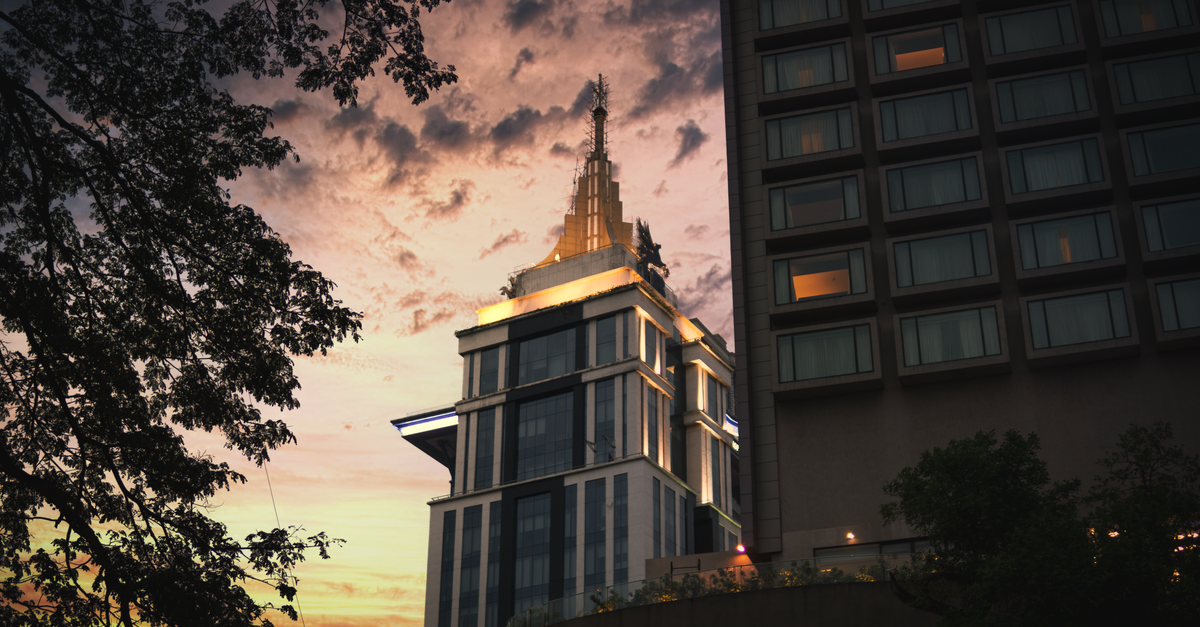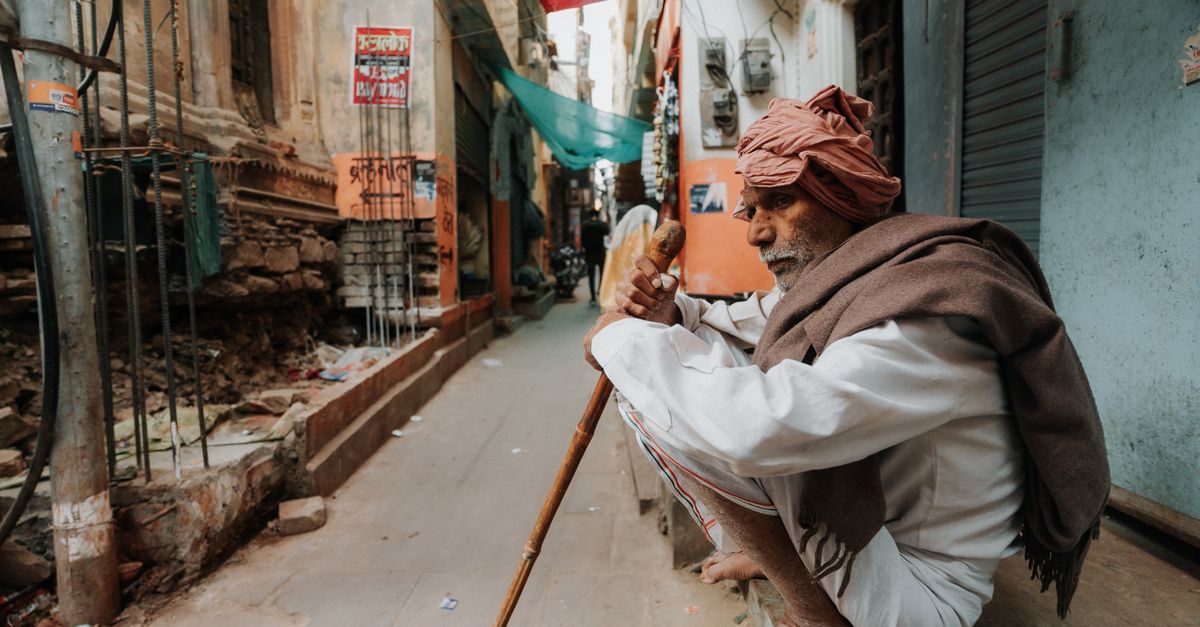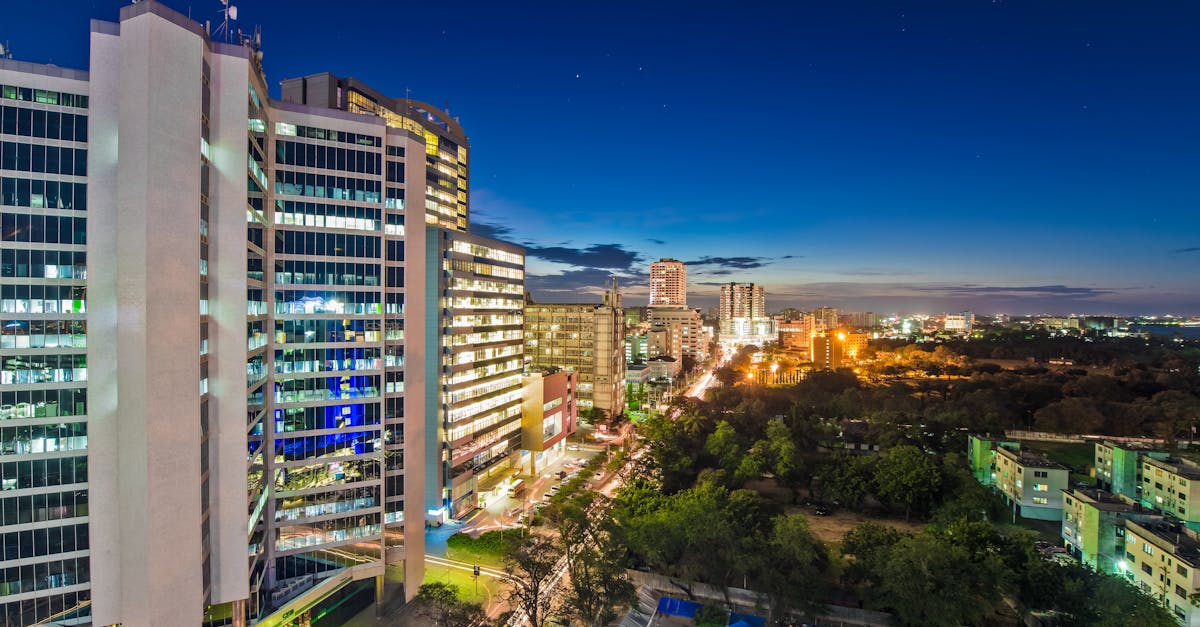
Bangalore (officially Bengaluru) is India's tech capital and its most cosmopolitan city — a place where century-old botanical gardens sit alongside gleaming tech parks, and craft breweries have exploded alongside traditional darshini (standing-only) restaurants. The city's mild climate (it sits at 900 meters elevation), thriving arts scene, and diverse food culture make it increasingly interesting for travelers who usually skip India's southern cities.

Lalbagh, Palace & MG Road
Morning — Lalbagh Botanical Garden: This 240-acre garden (₹25) was laid out by Hyder Ali in 1760. The Victorian glasshouse, ancient trees, and the rocky hill with city views make it Bangalore's most pleasant morning walk. The Sunday flower show is spectacular. Allow 1.5 hours.
Midday — Bangalore Palace: A Tudor-style palace (₹230 for foreigners) inspired by England's Windsor Castle. The fortified towers, turrets, and ornate interiors are unexpectedly grand. The surrounding grounds host concerts and events. Budget 1 hour.
Afternoon — MG Road & Commercial Street: Walk Bangalore's main commercial spine for shopping and people-watching. Commercial Street is the city's most famous market — textiles, jewelry, and electronics at negotiable prices. Coffee at Third Wave Coffee (₹150-250) — Bangalore's specialty coffee scene rivals any Asian city.
Evening — Church Street & Craft Beer: Bangalore pioneered India's craft beer movement. Toit Brewpub serves 6 house brews (₹250-350/pint) alongside excellent bar food. The Church Street-Brigade Road area has the city's densest nightlife concentration.
Tipu Sultan's Palace, Bull Temple & Koramangala
Morning — Tipu Sultan's Summer Palace: This 18th-century wooden palace (₹15) showcases Indo-Islamic architecture with teak pillars and painted walls. Small but historically significant — Tipu Sultan ruled from here. The nearby KR Market is one of India's largest — flowers, produce, and spices in organized chaos.
Midday — Dodda Ganesha Temple (Bull Temple): The massive 4.5-meter granite Nandi Bull carved from a single boulder is one of Bangalore's oldest and most revered temples (free). The surrounding Basavanagudi neighborhood has old-world charm and excellent South Indian restaurants.
Afternoon — Koramangala: Bangalore's most vibrant neighborhood for dining and nightlife. Walk the main roads browsing bookshops, boutiques, and cafes. Lunch at MTR (Mavalli Tiffin Room) — serving legendary dosas and filter coffee since 1924 (₹80-200).
Evening — Indiranagar: The 12th Main and 100 Feet Road stretch has over 100 restaurants and bars. Truffles for burgers (₹250-400), Toit for craft beer, and Windmills for live music. Bangalore's nightlife runs later than most Indian cities — until 1 AM on weekends.
Nandi Hills, Art & Departure
Morning — Nandi Hills Day Trip: A 60-kilometer drive north (1.5 hours) brings you to this hilltop fortress at 1,478 meters. Sunrise views over the misty valley are stunning — leave by 4:30 AM. Tipu Sultan's summer retreat, a small temple, and paragliding (₹2,500-3,500) available. Return by noon.
Afternoon — National Gallery of Modern Art: Housed in a former palace (₹500 for foreigners), this excellent museum covers Indian modern art from the 1850s onward. The sculpture garden and colonial building are highlights. UB City nearby has luxury shopping and dining.
Evening — Farewell Dinner: Karavalli at the Taj Gateway serves refined Mangalorean and Kerala coastal cuisine (₹500-800/person) — some of Bangalore's finest food. Or keep it simple at Vidyarthi Bhavan in Basavanagudi for the legendary butter-drenched masala dosa (₹65) that hasn't changed in 80 years.

Practical Tips
India is intense, overwhelming, and deeply rewarding — a country where every sense is engaged simultaneously. First-time visitors should prepare for crowds, noise, heat, and persistent touts while remaining open to the extraordinary warmth, spirituality, and beauty that define the Indian experience. The Indian rupee (₹) offers excellent value — budget ₹2,000-4,000/day for comfortable mid-range travel.
Food safety matters in India. Drink only bottled water (₹20-50), avoid raw salads at local restaurants, eat freshly cooked food (the hotter the better), and peel all fruits. Street food is generally safe if the stall is busy (high turnover = fresh food). If you do get sick, pharmacies sell Norfloxacin and electrolytes over the counter. India rewards a strong stomach — the food is worth the risk.
Indian transport varies by distance and budget. For cities, use Uber/Ola (₹50-200 for most trips). Between cities, trains are India's best experience — book on IRCTC website or app. Domestic flights connect major cities cheaply (IndiGo, SpiceJet). Auto-rickshaws are essential for last-mile transport — insist on the meter or agree on a fare before starting. Traffic is chaotic everywhere — cross streets assertively and don't make eye contact with drivers (it signals them to speed up).
Neighbourhoods to Know
Bangalore's sprawl can be disorienting — the city has expanded from a compact British cantonment to a metro area of over 12 million people, with distinct zones that function almost as separate cities within the whole. Understanding the neighbourhood geography before you arrive saves hours of inefficient transit and ensures you base yourself in the right area for your interests.
MG Road & Brigade Road is Bangalore's commercial and tourist spine — the neighbourhood most visitors encounter first. It is convenient (good metro access, dense with hotels, restaurants, and shops), but it is also the least distinctively Bangalorean. Use it as a base if this is your first India trip and you want familiarity. The Church Street extension running north is more interesting: independent bookshops (Blossom Book House at #84 has a legendary used-book collection filling four floors), wine bars, and cafés give it a character distinct from the generic commercial strip.
Indiranagar, east of the city centre along the metro Blue Line, is where Bangalore's young professional class eats, drinks, and socialises. The 12th Main Road and 100 Feet Road intersection has the highest density of restaurants, bars, and cafés per square kilometre in the city. Toit Brewpub, Truffles, and the wine bar Social are all within walking distance. Residential side streets have independent boutiques, yoga studios, and the kind of neighbourhood bakeries that don't appear on tourist maps. Stay here if craft beer, nightlife, and good restaurant choice matter more than proximity to historic sites.
Basavanagudi, south of the city, is the old Bangalore that most visitors miss entirely. This is one of the city's oldest residential neighbourhoods — wide tree-lined streets, traditional pete (market) areas, and the landmark Dodda Ganesha Temple that draws devotees from across Karnataka. Vidyarthi Bhavan on Gandhi Bazaar (serving unchanged masala dosas since 1943) and the surrounding food streets represent the city before the tech boom. Rickshaws and autowallahs are the primary transport here; the Metro does not yet reach this far south.
Koramangala, bordering Indiranagar to the southeast, is where much of Bangalore's startup culture is physically located — co-working spaces, tech offices, and the dense food and beverage ecosystem that accompanies them. It is also home to MTR (Mavalli Tiffin Room), now a sprawling chain empire that began as a single darshini in 1924. The original MTR branch on Lalbagh Road remains the most atmospheric. Koramangala's lanes are pleasant to wander on Sunday mornings when traffic is lighter.
Jayanagar and JP Nagar to the south are residential neighbourhoods where Bangalore's middle class actually lives — farther from the tourist circuit but offering a more accurate picture of the city's daily rhythms. The Jayanagar 4th Block Shopping Complex is an older-style covered market selling textiles, spices, and street food at prices aimed at local budgets rather than visitor wallets.
Best Times to Visit & Budgeting
Timing your visit matters enormously for both weather and crowds. Peak tourist seasons bring higher prices, sold-out accommodations, and crowded attractions. Shoulder seasons (the weeks just before and after peak) often deliver the best balance — good weather, manageable crowds, and reasonable prices. Off-season travel is the cheapest but check for monsoon rains, extreme heat, or seasonal closures.
Budget planning for three days should account for accommodation (30-40% of total), food (20-25%), transport (15-20%), activities and entrance fees (15-20%), and a contingency buffer (10%). The biggest savings come from choosing accommodations wisely — a well-located mid-range hotel that eliminates taxi costs can be cheaper than a budget hotel in a remote area plus daily transport.
Travel insurance is non-negotiable. A single hospital visit in most Asian countries costs more than a year of comprehensive travel insurance (0-80 for a 2-week trip). Ensure your policy covers emergency medical evacuation — this is the expensive scenario that justifies the premium. Download your policy documents to your phone for offline access.
Currency exchange tips: ATMs generally offer better rates than airport exchange counters. Withdraw larger amounts less frequently to minimize per-transaction fees. Carry some US dollars (0-100) as universal backup — they're accepted in emergencies across most of Asia. Notify your bank of travel plans to prevent card blocks. Use a travel-specific card (Wise, Revolut) for the best exchange rates and lowest fees.
Download essential apps before arriving: Google Maps (with offline maps for your destination), Google Translate (with offline language packs), the local ride-hailing app (Grab for Southeast Asia, DiDi for China, Uber/Ola for India), and your accommodation booking confirmation. A portable battery pack (10,000-20,000 mAh) keeps your phone alive through a full day of navigation, photography, and ride-hailing.