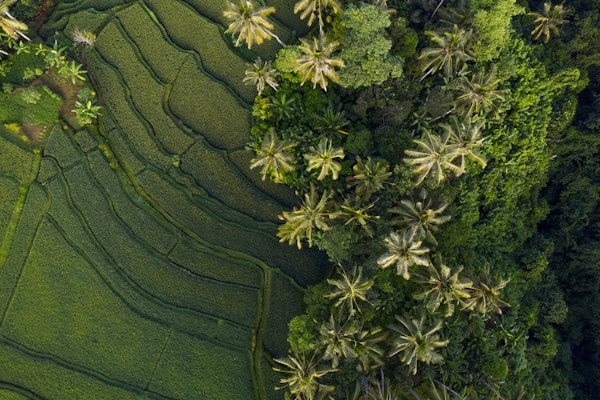
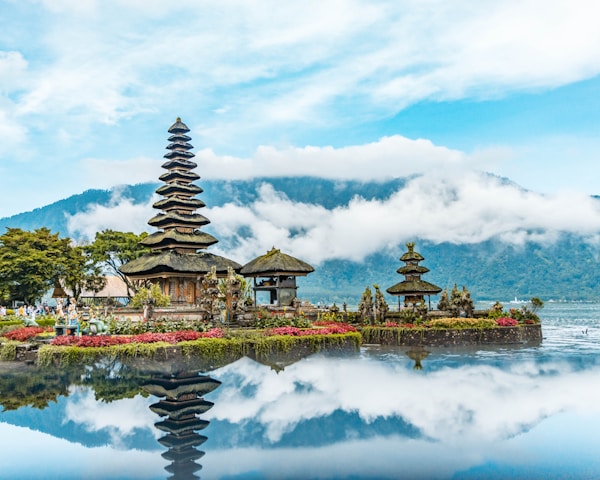
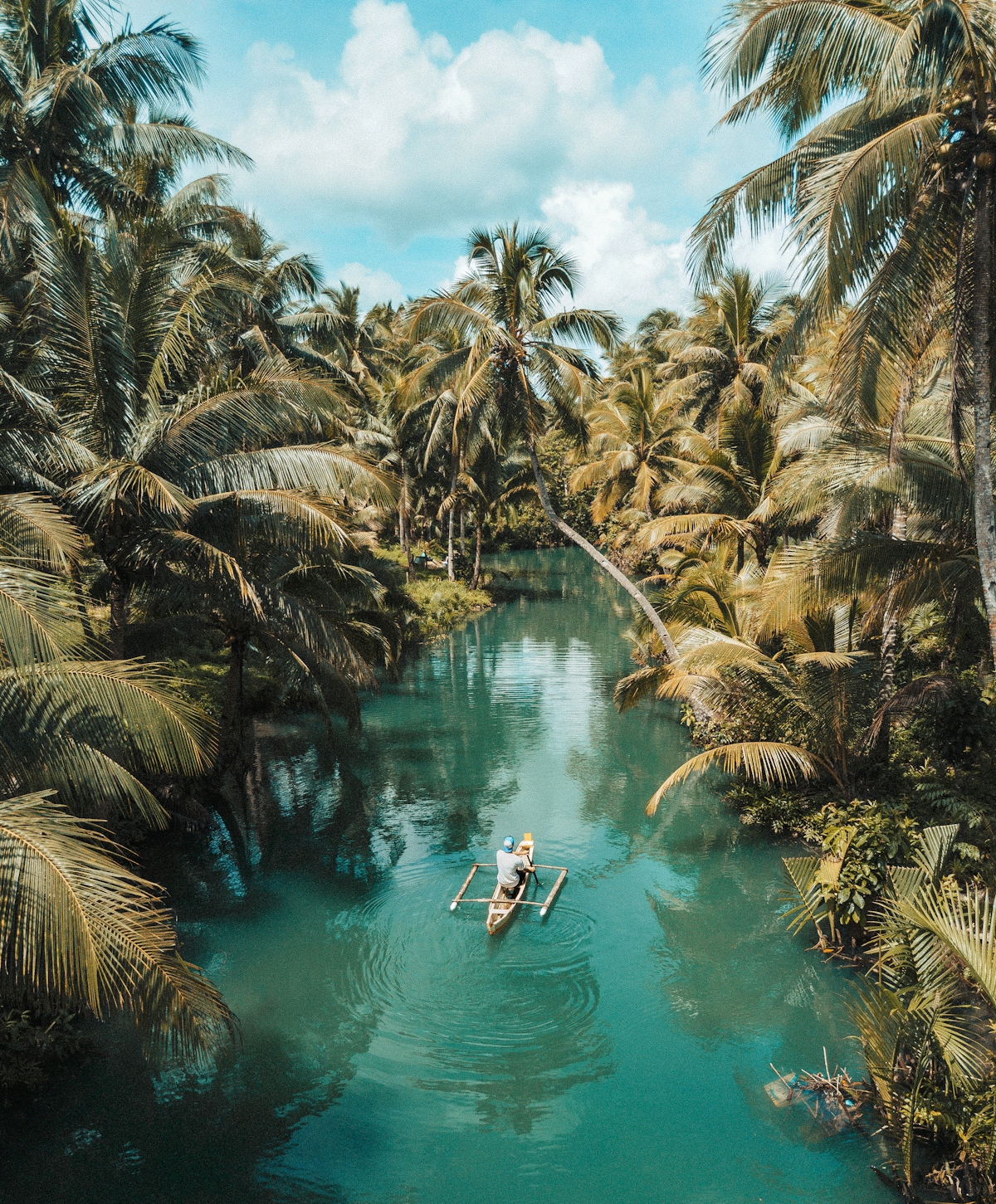
Bali occupies a unique place in the global travel imagination. This single Indonesian island, barely 150 kilometers across, manages to contain ancient Hindu temples perched on volcanic cliffs, emerald rice terraces that cascade down jungle hillsides, world-class surf breaks, a yoga and wellness culture that draws practitioners from every continent, a food scene that ranges from fifty-cent street noodles to innovative fine dining, and a nightlife strip that rivals anything in Southeast Asia.
It's also an island that can frustrate, confuse, and overwhelm first-time visitors who arrive without preparation. The traffic is notorious — a journey that looks like 20 minutes on Google Maps can take two hours on a motorbike-clogged road.
The scams are well-practiced and target newcomers specifically. The cultural expectations around temple visits, offerings, and daily religious life are deeply important to the Balinese and easy to accidentally disrespect.
And the island's geography means that choosing the wrong base can leave you spending half your trip stuck in a car instead of exploring. This guide covers everything you need to know before your first Bali trip: the visa process, the real costs, the honest differences between the island's main areas, the cultural etiquette that will earn you respect from locals, the safety concerns that actually matter, and the practical details about transport, money, and connectivity that make the difference between a chaotic trip and a transformative one.
Bali has earned its reputation. It is genuinely one of the most beautiful, spiritually rich, and welcoming places on Earth. But it gives its best to visitors who arrive with open eyes and some basic knowledge.
Before You Go — Visa, Currency, and Connectivity
Visa and Entry Requirements
Indonesia offers a free 30-day visa on arrival for citizens of many countries, including the UK, US, Australia, most EU nations, Japan, South Korea, and many others. You can also opt for a Visa on Arrival (VOA) for IDR 500,000 (approximately USD 30), which is extendable for an additional 30 days at a local immigration office — choose this option if there's any chance you'll want to stay longer.
The free visa cannot be extended. Your passport must have at least six months of validity and at least one blank page. You'll also need proof of onward travel — a return or onward flight ticket.
Immigration officers don't always check, but airlines at your departure point often do, and being turned away at check-in is a risk not worth taking. The arrival process at Ngurah Rai International Airport (Denpasar) has improved significantly in recent years, with dedicated VOA payment counters and e-gates for some nationalities.
Budget 30-60 minutes for immigration during peak arrival times (late morning and early afternoon, when European and Australian flights land).
Currency and Money
The Indonesian rupiah (IDR) trades at roughly 15,500-16,000 to 1 USD, meaning you'll be dealing in large numbers — a restaurant meal might cost IDR 80,000 (about USD 5), and a night in a mid-range hotel IDR 500,000-800,000 (USD 30-50). The sheer number of zeros catches visitors out, especially when handling cash.
Credit cards are accepted at hotels, upscale restaurants, and larger shops in tourist areas, but Bali remains heavily cash-based, especially in local warungs (family restaurants), markets, small shops, and for transport. Visa is more widely accepted than Mastercard; American Express is rare outside luxury hotels.
ATMs are widely available in tourist areas, dispensing IDR 1,250,000-2,500,000 per transaction. Use ATMs attached to banks (BCA, Mandiri, BNI, and CIMB are reliable) rather than standalone machines, which are more prone to skimming.
Withdraw larger amounts less frequently to minimize fees. Money changers are everywhere, but stick to authorized ones with a license displayed — the ones on main streets with official signage. Avoid any money changer that offers a rate significantly better than the market rate, as this is almost always a setup for a sleight-of-hand scam where notes disappear during counting.
SIM Card and Connectivity
Get a local SIM card at the airport on arrival. Telkomsel (the largest network with the best coverage across Bali, including remote areas) offers a tourist SIM package for approximately IDR 100,000 (about USD 6) that includes a generous data allocation (typically 15-25 GB) and is valid for 30 days.
XL Axiata and Indosat are cheaper alternatives but have weaker coverage in rural and mountainous areas. You'll need your passport to register the SIM. The airport kiosks handle the entire process in minutes.
WiFi is available at most hotels, cafes, and restaurants in tourist areas, but the speed and reliability vary dramatically — don't rely on it for anything time-sensitive. Having mobile data is essential for navigation (Google Maps is critical in Bali, where addresses are unreliable and many places are located down unnamed lanes), ride-hailing apps, and staying connected.
Best Time to Visit
The dry season from April through October is the best time to visit Bali. Skies are clear, humidity is lower, and the seas are calmer for snorkeling, diving, and boat trips to the surrounding islands.
July and August are peak tourist season, with the highest prices and biggest crowds, particularly in Seminyak, Ubud, and at the major temples. June and September offer the best balance of good weather and manageable tourism.
The wet season runs from November to March, with heavy but usually short afternoon downpours that can dump spectacular amounts of rain in an hour and then clear to sunshine. The landscape is at its greenest during the wet season, and prices drop significantly — budget travelers and those who don't mind afternoon rain can find excellent value.
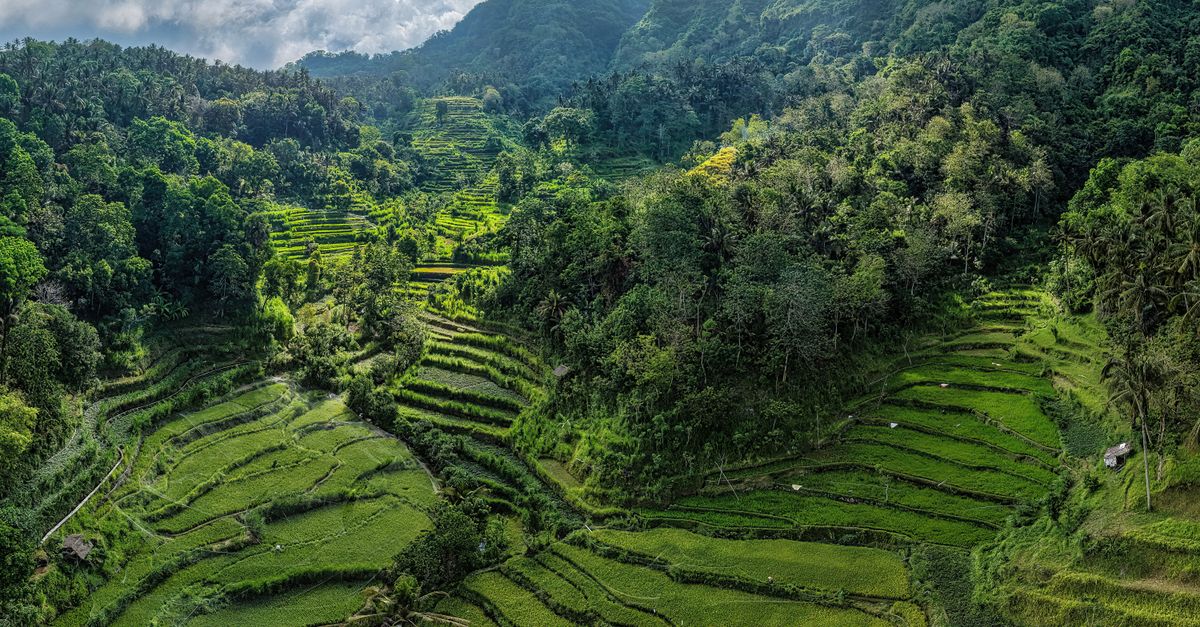
The rice terraces are at their most photogenic in the wet season, when the paddies are flooded and glowing green. Avoid the Christmas-New Year period if you want value — Bali's prices spike dramatically during these two weeks, and the most popular spots become extremely crowded.
Getting from the Airport to Your Destination
Ngurah Rai International Airport is in the south of Bali, near Kuta. Getting to your accommodation is the first logistical challenge, and the approach you take depends entirely on where you're staying.
Pre-booked hotel transfers are the simplest option: most hotels and guesthouses will arrange an airport pickup, typically for IDR 150,000-350,000 depending on distance. Your driver will be waiting with a name sign outside arrivals.
This is the recommended option for first-time visitors, especially those arriving late at night. Official airport taxis operate from a counter in the arrivals hall and charge fixed rates to each destination: approximately IDR 150,000 to Kuta/Legian (15-20 minutes), IDR 200,000 to Seminyak (25-35 minutes), IDR 300,000 to Canggu (45-60 minutes), IDR 350,000 to Ubud (60-90 minutes), and IDR 400,000+ to Uluwatu or Nusa Dua (30-45 minutes).
Grab and Gojek (the two dominant ride-hailing apps in Southeast Asia) technically operate in Bali, but their pickup at the airport is complicated — you'll need to walk to a designated pickup point outside the airport complex due to the taxi mafia's influence. The fare to Seminyak via Grab is typically IDR 80,000-120,000, significantly cheaper than official taxis, but the hassle of finding the pickup point on arrival, with luggage, after a long flight, may not be worth the savings.
The honest recommendation: pre-book your first transfer through your hotel and figure out Grab/Gojek once you're settled in.
Where to Stay — Area Guide

Ubud — Culture, Nature, and Wellness
Ubud is Bali's cultural heart: a small town surrounded by rice terraces, ravines, and tropical forest in the island's hilly interior. This is where you come for yoga retreats, Balinese dance performances, temple ceremonies, art galleries, organic cafes, and walks through landscapes that have been cultivated for over a thousand years.
The Ubud Monkey Forest, Tegallalang rice terraces, and the Campuhan Ridge Walk are all here. Hotels range from budget guesthouses at IDR 150,000-300,000 per night to luxury jungle resorts (Four Seasons Sayan, Hanging Gardens) at IDR 5,000,000+.
The mid-range sweet spot is IDR 400,000-800,000, where you'll find beautiful boutique hotels with pools and rice field views. The downsides: Ubud is 60-90 minutes from the airport and the beach, the town center suffers from severe traffic congestion, and the pace is slow (which is the point, but not for everyone).
Best for: wellness seekers, culture lovers, and visitors who prioritize tranquility over nightlife.
Seminyak — Upscale Beach, Dining, and Nightlife
Seminyak is Bali's most polished tourist area, with high-end boutiques, excellent restaurants, sunset beach bars, and a cosmopolitan atmosphere. The beach is wide and popular for surfing and sunset watching, though the waves can be rough for swimming.
Eat Street (Jalan Kayu Aya) and Petitenget are packed with restaurants ranging from authentic warungs to internationally recognized fine dining. Hotels range from IDR 300,000-600,000 for good mid-range options to IDR 1,500,000-5,000,000+ for luxury villas and boutique hotels.
Nightlife centers around the beach clubs — Potato Head, Ku De Ta, and Mrs Sippy draw crowds from sunset through the early hours. The downsides: traffic is horrendous, the area can feel over-commercialized, and prices are the highest in Bali.
Best for: couples, food lovers, and visitors who want beach access with sophisticated dining and nightlife.
Canggu — Digital Nomads, Surfing, and Cafes
Canggu has exploded from a quiet surf village into Bali's hippest neighborhood in under a decade. The vibe is young, international, and health-conscious: co-working spaces, smoothie bowl cafes, yoga studios, and surf breaks define the area.
Batu Bolong beach has a reliable surf break for beginners and intermediates, and the sunset sessions here are legendary. Accommodation ranges from backpacker hostels at IDR 100,000-200,000 to stylish villa rentals at IDR 500,000-1,500,000.
The food scene is diverse and affordable, with strong representation of vegan, vegetarian, and international cuisines alongside local warungs. The downsides: Canggu's rapid development has created traffic problems rivaling Seminyak, the area can feel like an Instagram bubble disconnected from Balinese culture, and the beach has strong currents that make it dangerous for inexperienced swimmers.
Best for: digital nomads, surfers, younger travelers, and anyone who prioritizes cafe culture and a laid-back scene.
Uluwatu — Cliffs, Temples, and Serious Surfing
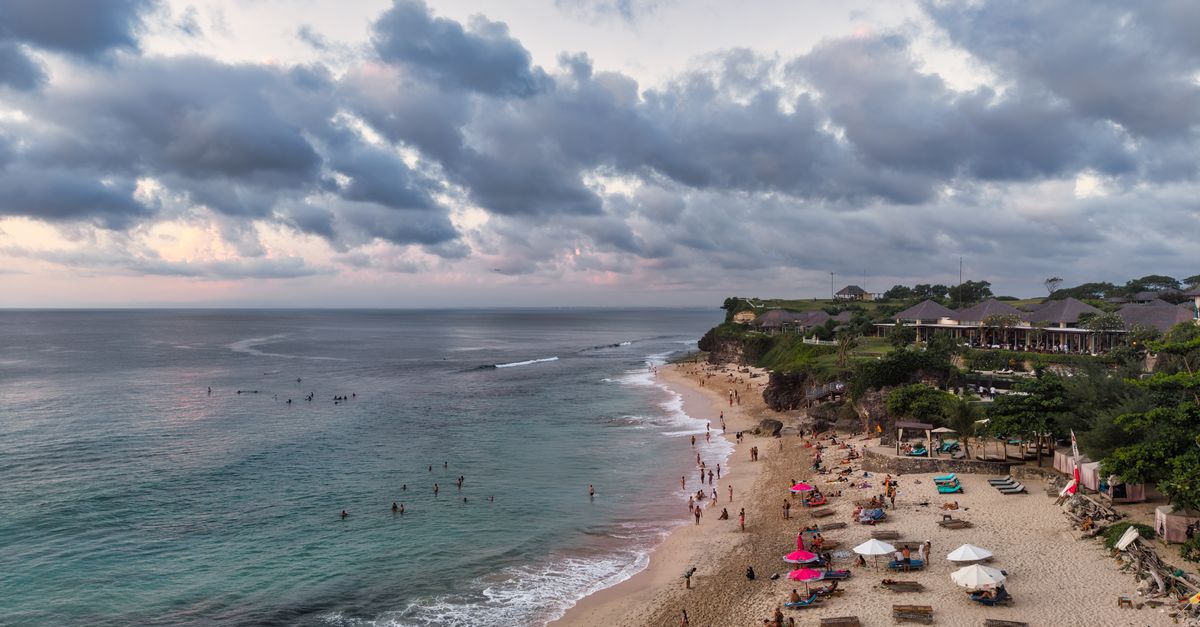
The Bukit Peninsula in Bali's far south offers dramatic cliff-top scenery, the famous Uluwatu Temple (perched on a 70-meter cliff above the Indian Ocean), and some of the best surf breaks in Indonesia. The area has developed rapidly, with luxury cliff-top resorts (The Edge, Alila Villas) joining the backpacker surf camps that have been here for decades.
Beaches here are accessed by steep stairways cut into the cliffs — Padang Padang, Dreamland, and Bingin are stunningly beautiful but require effort to reach. Hotels range from IDR 200,000-500,000 for mid-range options to IDR 2,000,000+ for the cliff-top luxury properties.
The downsides: remote location requiring a scooter or driver to get anywhere, limited dining options outside hotels, and the area is underdeveloped compared to Seminyak or Canggu. Best for: surfers, luxury seekers, and visitors who want dramatic scenery with fewer crowds.
Nusa Dua — Resorts and Calm Beaches
Nusa Dua is Bali's dedicated resort enclave: a gated complex of five-star hotels with manicured grounds, calm swimming beaches, and a complete absence of the chaos that defines much of Bali. Hotels include the St. Regis, Sofitel, Hilton, and Westin, with prices from IDR 1,500,000-5,000,000+ per night.
The beaches are the calmest in Bali, making this the best area for families with small children. The water sports center offers parasailing, jet skiing, and banana boats. The downside is significant: Nusa Dua feels nothing like Bali.
It's a sanitized, manicured resort bubble with no local character, limited restaurant options outside the hotels, and a complete disconnection from the island's culture. Leaving the resort complex to explore the real Bali requires a taxi or organized tour each time.
Best for: families with young children, resort lovers, and visitors who prioritize calm beaches and predictability.
Top 10 Must-See Experiences
1. Uluwatu Temple at Sunset — Perched on a 70-meter cliff above crashing Indian Ocean waves, Pura Luhur Uluwatu is one of Bali's six key directional temples and its most dramatically located.
Entry: IDR 50,000. The Kecak fire dance performed at sunset (IDR 150,000) in the amphitheater on the cliff edge, with the ocean as a backdrop, is one of the most powerful cultural performances in Southeast Asia.
Arrive by 5 PM to get good seats. Watch your belongings — the resident monkeys are skilled thieves.

2. Tegallalang Rice Terraces — The iconic cascading rice paddies north of Ubud, carved into the hillside using a traditional Balinese irrigation system called subak that's been UNESCO-recognized since 2012. Free to access the viewpoints along the road, though local cooperatives charge IDR 15,000-20,000 for access to walking paths through the terraces.
Visit early morning (before 9 AM) or late afternoon to avoid the midday tour bus crowds. The nearby Ceking rice terrace is less visited and equally beautiful.
3. Ubud Monkey Forest — A sacred nature reserve and Hindu temple complex in central Ubud, home to over 1,200 long-tailed macaques living among moss-covered stone temples and giant banyan trees. Entry: IDR 80,000.
The atmosphere is magical — ancient trees, stone pathways, and monkeys everywhere — but the monkeys are aggressive and will grab anything shiny, loose, or edible. Secure your belongings, don't bring food, and don't make direct eye contact with the monkeys.
4. Tirta Empul Water Temple — A Hindu Balinese water temple where locals and visitors participate in ritual purification by standing beneath a series of stone water spouts. Entry: IDR 50,000.
The ritual is open to visitors who approach it respectfully — wear the provided sarong, follow the instructions of the temple attendants, and move through the spouts in the correct order (left to right, skipping specific spouts reserved for funerary rites). This is a genuinely sacred site, not a photo opportunity.
5. Mount Batur Sunrise Trek — A pre-dawn hike up an active volcano to watch the sunrise above the clouds, with views across Lake Batur and the Bali highlands. The trek takes about two hours up and is moderate difficulty.
Guided treks typically cost IDR 350,000-500,000 per person and include hotel pickup at 2 AM, the guide, and breakfast cooked in volcanic steam at the summit. The sunrise is spectacular on clear days, but check the forecast — there's nothing more disappointing than climbing a volcano in the dark only to find clouds blocking the view.
6. Tanah Lot Temple — A sea temple built on a rock formation offshore, accessible on foot at low tide and dramatically silhouetted against the sunset. Entry: IDR 60,000.
Tanah Lot is one of Bali's most photographed landmarks for good reason — the temple-on-a-rock against a sunset sky is genuinely breathtaking. The surrounding area has become heavily commercialized with souvenir stalls and restaurants, but the temple itself retains its spiritual power.
Time your visit for the 90 minutes before sunset.
7. Nusa Penida Island — A rugged island off Bali's southeast coast with some of the most dramatic coastal scenery in Indonesia: Kelingking Beach (the T-Rex cliff), Broken Beach (a natural arch over the sea), Angel's Billabong (a natural infinity pool), and Crystal Bay (world-class snorkeling with manta rays).
Day trips from Sanur cost IDR 350,000-600,000 including speedboat transfer, transport on the island, and lunch. The island's roads are rough and the infrastructure is basic, but the scenery is genuinely world-class.
Consider staying overnight for a less rushed experience.
8. Ubud Art Market — Located in the center of Ubud opposite the Royal Palace, this traditional market sells handcrafted goods including silk scarves, woven bags, wood carvings, paintings, and jewelry. The market is best visited before 9 AM when local vendors sell to each other and the atmosphere is authentic.
After 9 AM, tourist-oriented stalls dominate and prices rise. Bargaining is expected — start at about 30-40% of the asking price and settle around 50-60%.

9. Seminyak Sunset Beach Bars — Watching the sunset from a beanbag on Seminyak beach with a cocktail in hand has become one of Bali's defining experiences. Potato Head Beach Club, La Plancha (free beanbags, no entry charge, affordable drinks), and Ku De Ta each offer different vibes and price points.
La Plancha is the most accessible and atmospheric for budget travelers. Arrive by 5 PM to claim your spot. The sunset over the Indian Ocean from this stretch of coast is consistently spectacular.
10. Sidemen Valley — If Ubud feels too busy (and it often does), Sidemen is the alternative that delivers everything Ubud promises without the crowds. This valley in east Bali offers rice terrace walks, Mount Agung views, traditional weaving villages, and a pace of life that feels decades removed from the tourist south.
Accommodation here is excellent value — beautiful guesthouses with rice field views for IDR 200,000-400,000 per night. Sidemen is about 90 minutes from Ubud and rarely visited by day-trippers, making it one of the last areas in Bali where you can experience the island's rural culture without a crowd of other tourists doing the same thing.
Etiquette — Respecting Balinese Culture
Temple Dress Code
Bali is deeply Hindu, and the island's thousands of temples are active places of worship, not tourist attractions. When visiting any temple, you must wear a sarong (a wraparound cloth covering your legs) and a sash around your waist. Most major temples provide these for rent (IDR 10,000-20,000) or include them in the entry price, but carrying your own shows respect and avoids the queue.
Shoulders should be covered — bring a light shawl or wear a t-shirt. Women who are menstruating are traditionally asked not to enter temples, and signs at temple entrances state this.
The restriction is taken seriously by the Balinese and should be respected.
Offerings (Canang Sari)
You'll see small woven palm-leaf trays filled with flowers, rice, incense, and sometimes cigarettes or sweets placed on the ground everywhere in Bali — on sidewalks, doorsteps, shop counters, dashboards, and at the base of statues. These are canang sari, daily offerings to the gods and spirits, and they are a central part of Balinese Hindu practice.
Do not step on them. This is the single most important etiquette rule for walking around Bali. The offerings are placed on the ground deliberately, and stepping on them is deeply disrespectful.
Watch where you walk, especially on narrow sidewalks and in front of shops and homes where fresh offerings are placed each morning.
The Left Hand Rule
In Balinese (and broader Indonesian) culture, the left hand is considered unclean. Use your right hand for giving and receiving things — money, food, gifts, handshakes. If you need to use both hands, that's fine, but never use the left hand alone.
This applies to handing money to shopkeepers, receiving change, passing food at a table, and any social interaction involving the exchange of objects. It's one of those cultural norms that locals will not correct you on but will notice.
Bargaining
Bargaining is expected at markets, street shops, and with taxi drivers (not metered taxis or ride-hailing apps). It is not expected at restaurants, supermarkets, convenience stores, or any shop with fixed prices displayed.
The etiquette of bargaining in Bali is friendly and lighthearted — it should feel like a game, not a confrontation. Start at about 30-40% of the first asking price and expect to settle around 50-60%.
If you reach a price and the seller accepts, you're expected to complete the purchase — walking away after agreeing on a price is considered rude. The most important bargaining tip: know what things are worth before you start.
A sarong at Ubud market is worth about IDR 50,000-80,000. If the vendor opens at IDR 200,000, you know where to aim. If you can't be bothered bargaining, that's also fine — you'll pay more, but the amounts involved are usually small in real terms.
Safety — What Actually Matters
Scams
The most common scam in Bali is the money changer sleight-of-hand: you hand over dollars or euros, the changer counts out the correct rupiah, then recounts it with notes disappearing between their fingers. Always count the money yourself, slowly, before leaving the counter, and use authorized changers with printed rate boards.
Other common scams include motorbike rental companies charging for "pre-existing damage" when you return the bike (photograph the bike from every angle before riding off), fake transport offers from people claiming your pre-booked driver didn't show up, and the classic "my temple is closed today but I know another one" redirect that takes you to a souvenir shop instead of a temple.
Road Safety
This is the most serious safety concern in Bali. The roads are narrow, potholed, and chaotic, with motorbikes weaving through traffic in every direction and very few enforceable traffic rules.
If you rent a scooter (and many visitors do), wear a helmet, drive slowly, and accept that you are sharing the road with experienced local riders, overloaded trucks, and stray dogs. An international driving permit is technically required but rarely checked.
Far more importantly, check that your travel insurance covers motorbike accidents — many standard policies don't, and medical bills from a motorbike injury in Bali can be catastrophic. If you're not an experienced rider, use Grab or hire a driver instead.
The few dollars you save on a scooter rental are not worth the risk.
Rip Currents
Bali's west-facing beaches (Kuta, Seminyak, Canggu) have powerful waves and rip currents that claim lives every year. Swim only at beaches with lifeguards, stay between the red and yellow flags, and if you get caught in a rip current, swim parallel to the shore, not against the current.
The east coast (Sanur, Nusa Dua) has calmer waters protected by reefs, making them safer for weaker swimmers and families with children.
Essential Apps for Bali
Grab — Southeast Asia's dominant ride-hailing app. Works for car rides, motorbike taxis, food delivery, and package delivery. Prices are fixed by the app, eliminating the need to bargain.
Note that Grab drivers face restrictions near certain areas (the airport, some tourist zones) due to the local taxi mafia, so pickups may require walking to a nearby point.
Gojek — Indonesia's homegrown super-app. Similar to Grab but with deeper integration into Indonesian daily life: ride-hailing, food delivery (GoFood is excellent), bill payments, and more. Often slightly cheaper than Grab for rides within Bali. The motorbike taxi service (GoRide) is the fastest way to get through Bali's traffic.
Google Maps — Absolutely essential in Bali. The island's addressing system is chaotic, with many locations identifiable only by GPS coordinates or landmarks. Google Maps has excellent coverage of even small warungs, temples, and guesthouses.
Download the offline map for Bali before you travel in case of patchy mobile coverage in rural areas.
XE Currency — With the rupiah running into six and seven figures for everyday purchases, a quick currency conversion app saves constant mental math. XE works offline once you've downloaded the latest rates.
WhatsApp — The universal communication app in Indonesia. Hotels, drivers, tour operators, and restaurants all communicate via WhatsApp. You'll use it to confirm bookings, arrange pickups, and communicate with anyone providing a service. Having a local SIM with WhatsApp set up is essentially a requirement for navigating Bali smoothly.
The complete Bali food guide — warungs, beach clubs, and Ubud's best restaurants Bali's hidden gems — 10 places beyond the Instagram spots The perfect 7-day Bali itinerary for first-time visitors Explore all Bali travel guides and recommendations