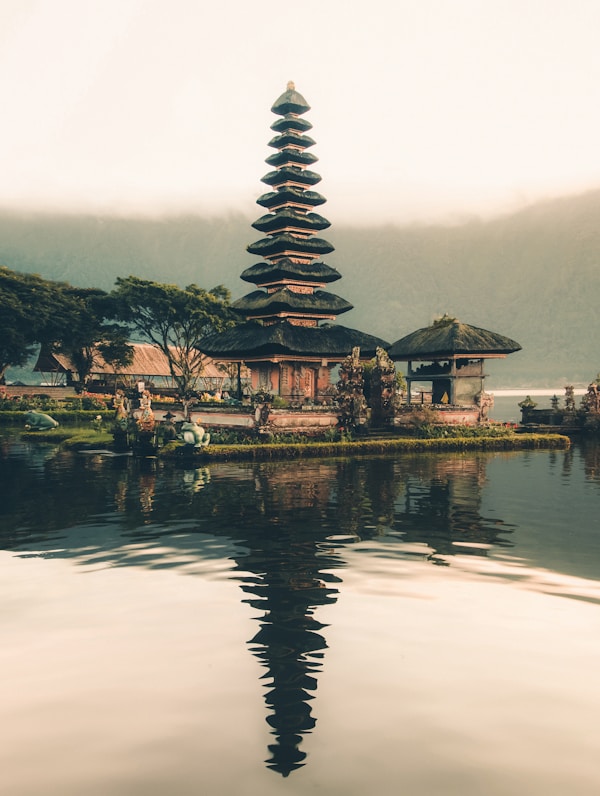
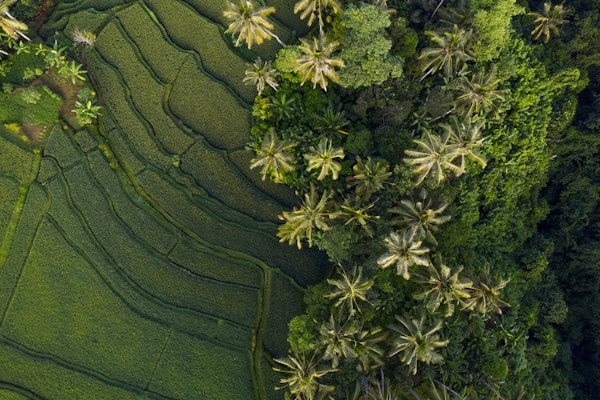
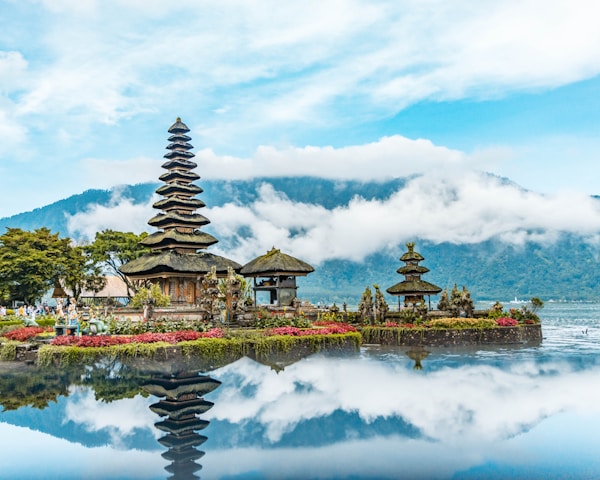
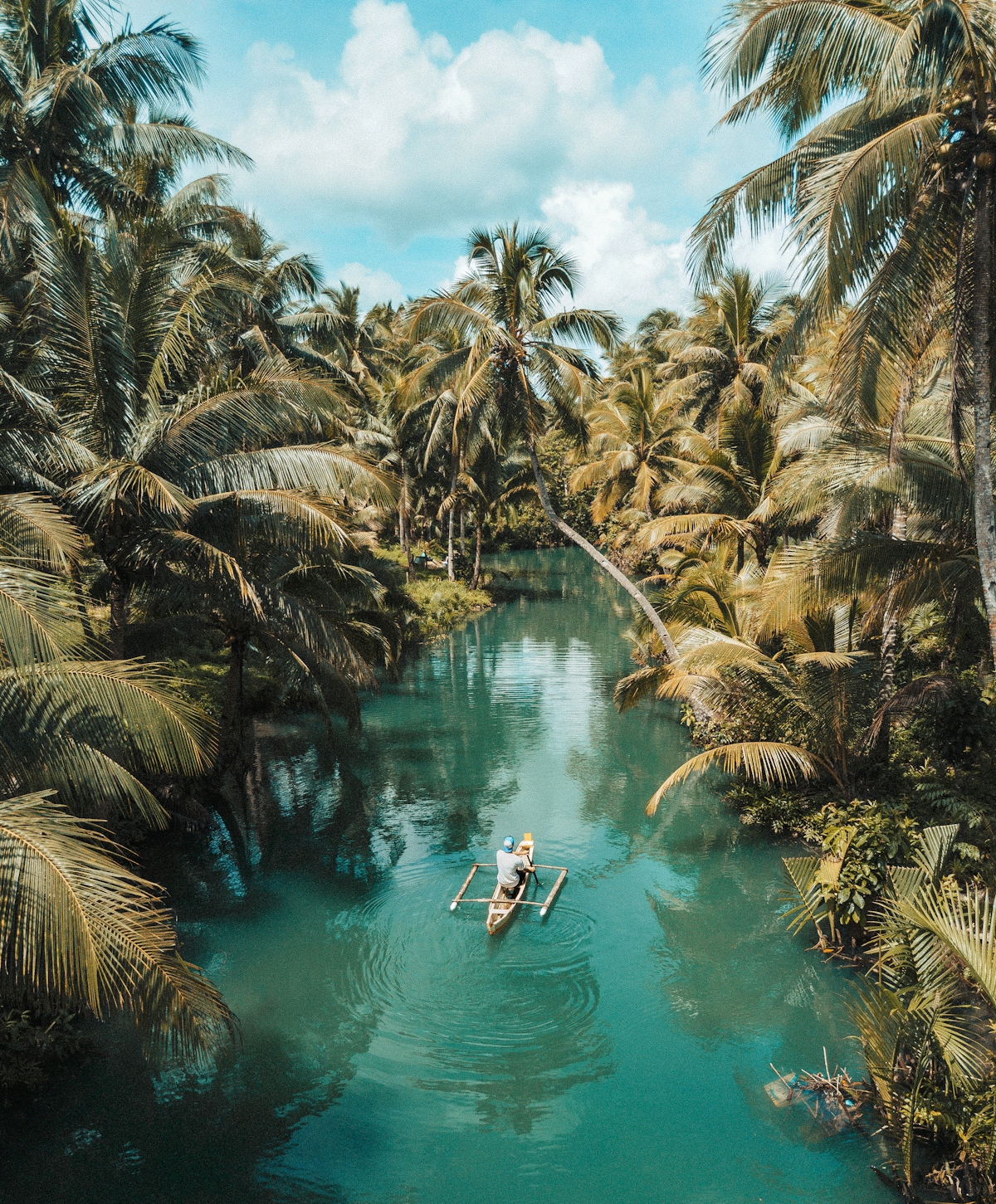
Bali receives over six million international visitors a year, and the vast majority of them visit the same handful of places: Ubud's Monkey Forest, the Tegallalang rice terraces, Tanah Lot temple, and the beach clubs of Seminyak and Canggu. These places are popular for good reason — they're beautiful and accessible — but they represent perhaps five percent of what Bali actually has to offer.
The rest of the island, the parts where Balinese culture lives and breathes without a constant audience of tourists holding smartphones, is extraordinarily rewarding for anyone willing to rent a scooter or hire a driver and venture beyond the southern tourist belt. The Bali in this guide is the Bali of empty beaches backed by limestone cliffs, of rice terraces that stretch to the horizon without a single Instagram influencer in sight, of ancient villages where the same rituals have been performed for a thousand years, of waterfalls hidden inside caves, and of volcanic lakes ringed by forested mountains.
None of these places are truly secret — Balinese people live in and around all of them — but they receive a fraction of the visitors that the famous sites do, and the experience of visiting them is fundamentally different. You'll need your own transport for most of these destinations.
Renting a scooter costs IDR 70,000-100,000 per day, or hiring a private driver for a full day runs IDR 600,000-800,000 including fuel. Both are excellent options, though the scooter gives you more freedom to stop and explore on narrow village roads.

1. Sidemen Valley — The Real Bali
If you only visit one place from this list, make it Sidemen. This broad valley in eastern Bali, carved by the Unda River and overlooked by the sacred Mount Agung, is what Ubud looked like 30 years ago before the yoga retreats and smoothie bowls arrived.
The valley floor is a continuous carpet of rice terraces, impossibly green, worked by farmers using methods that haven't fundamentally changed in centuries. The villages along the valley are quiet, traditional, and genuinely welcoming — children wave from doorsteps, temple ceremonies proceed without regard for tourists, and the soundtrack is gamelan music drifting from a village hall rather than the bass from a pool party.
The accommodation in Sidemen ranges from basic homestays (IDR 200,000-350,000 per night) to a handful of mid-range hotels with infinity pools overlooking the rice fields (IDR 800,000-1,500,000). The Pelangi Sidemen is a local institution with views that justify any price they charge.
Walking is the best way to explore: follow the paths between rice paddies, cross irrigation channels on narrow stone bridges, and climb to the viewpoints where the full scale of the valley reveals itself with Mount Agung towering above. The ikat weaving tradition in Sidemen is one of the finest in Bali — several workshops welcome visitors and will demonstrate the painstaking process of creating traditional Balinese textiles.
Sidemen is about 90 minutes by car from Ubud or two hours from the airport. Stay at least two nights to properly decompress from the pace of southern Bali. The best time to visit is during the growing season (roughly February to April) when the terraces are at their most vivid green.
2. Munduk Waterfalls — North Bali's Hidden Highlands
North Bali is a different world from the south, and Munduk is its most rewarding destination. This small mountain village sits at around 800 meters elevation among coffee and clove plantations, surrounded by dense tropical forest and a concentration of waterfalls that would be major tourist attractions anywhere else but here receive only a trickle of visitors.
The Munduk Waterfall itself is a 25-meter cascade reached by a pleasant 15-minute walk through the forest (entrance IDR 20,000). But the real prize is the trek connecting the Red Coral Waterfall, Golden Valley Waterfall, and Labuhan Kebo Waterfall — a roughly 3-hour hike through jungle, past coffee plants and enormous banyan trees, with each waterfall more dramatic than the last. The trail is well-marked but steep in places; wear proper shoes and bring water.
The village of Munduk has a handful of simple guesthouses and warungs (local restaurants) where nasi goreng costs IDR 25,000-35,000 and the coffee is grown on the hillside you can see from your table. At 800 meters, the temperature is noticeably cooler than the coast — you'll want a light jacket in the evening, and the air has a freshness that the humid coastal lowlands lack entirely.
The drive from Ubud takes about two and a half hours through some of Bali's most spectacular scenery, passing the twin lakes of Buyan and Tamblingan, which are worth a stop in their own right. The best strategy is to stay overnight in Munduk — morning mist in the valley is magical — but a long day trip from Ubud is possible if you leave early.
Munduk is also a useful base for visiting Lovina Beach and the Buddhist temple of Brahma Vihara Arama, both within 30 minutes.
3. Nyang Nyang Beach — Bali's Most Beautiful Empty Beach
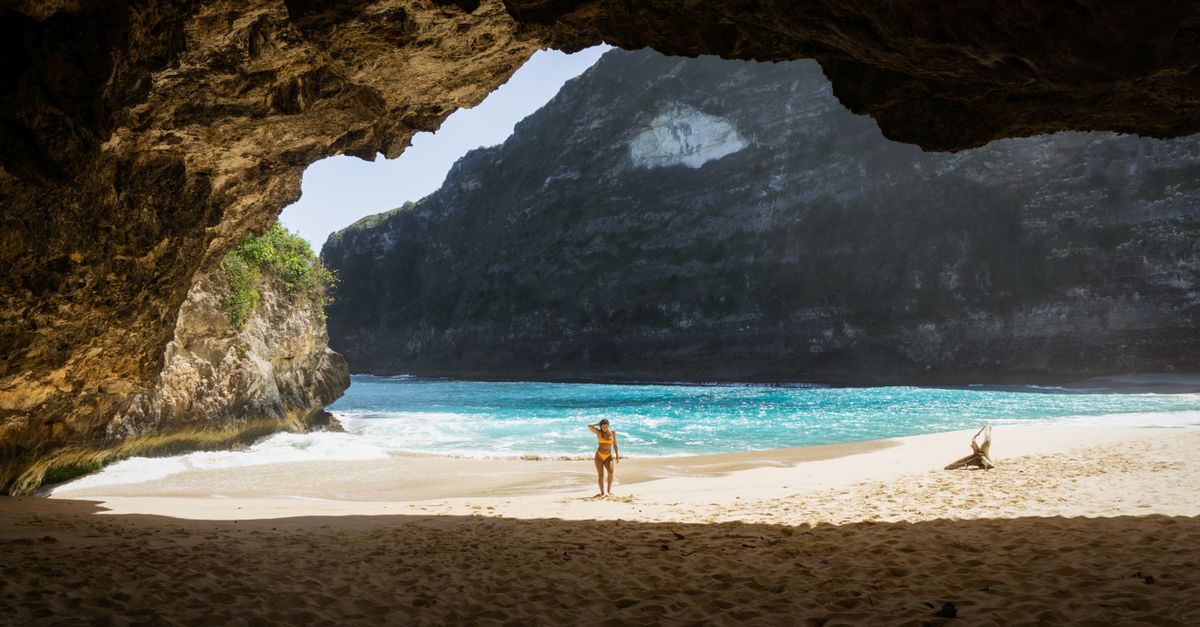
Nyang Nyang is the beach that Bali's more famous beaches wish they could be. Located on the southern tip of the Bukit Peninsula, below the cliffs near Uluwatu Temple, this long, wide stretch of white sand backed by steep green cliffs receives almost no visitors because the access is deliberately difficult.
Getting down requires a 15-20 minute scramble down a steep, somewhat overgrown path carved into the cliff face — it's not dangerous, but it requires reasonable fitness and closed-toe shoes. At the bottom, your reward is roughly 1.5 kilometers of pristine beach that, on most days, you'll share with fewer than a dozen people.
The sand is white, the water is turquoise, and the cliffs behind form a natural amphitheater that blocks the wind and most of the noise from the road above. There are no warungs on the beach, no sunbed rentals, no hawkers — bring everything you need, including water, food, sunscreen, and something to sit on.
A beach umbrella is advisable, as shade is limited to the cliff edges. Swimming is possible but exercise caution — the waves can be powerful and there are no lifeguards. The rusted hull of a shipwreck at the eastern end of the beach adds a photogenic, slightly post-apocalyptic element.
The trailhead is about 10 minutes by scooter from Uluwatu Temple, making it easy to combine both in a half-day itinerary. The climb back up is the hard part — take your time and bring water.
Visit in the morning for the calmest water and the least sun exposure on the access path. The beach is free to access, though you may be asked for a small parking donation (IDR 5,000-10,000) at the top.

4. Tirta Gangga Water Palace
Tirta Gangga is a royal water palace built in 1946 by the last king of Karangasem, set in the rice terraces of eastern Bali with Mount Agung as its backdrop. The palace is a series of ornamental pools, fountains, and stone gardens connected by elevated walkways and decorated with carved stone demons, nagas, and gods.
The centerpiece is a series of stepping stones across a fish pond — the stones are spaced just far enough apart that crossing them requires concentration, and the koi swimming between your feet add a surreal element. The pools at different levels are fed by natural springs considered sacred, and the main swimming pool is open to visitors (IDR 30,000 entrance, IDR 10,000 for the pool) — swimming in water that's been channeled through stone carvings from holy springs, with rice terraces visible over the palace walls, is a genuinely unique experience.
The gardens are not large but are beautifully maintained, with frangipani trees, ornamental plants, and enough carved stone detail to reward an hour or more of slow exploration. The surrounding rice terraces can be walked on footpaths that extend from the palace entrance, and several simple warungs nearby serve excellent local food — the nasi campur at Warung Tirta Gangga (IDR 30,000-45,000) is a standout.
Tirta Gangga is about two hours from Ubud or 90 minutes from Candidasa, making it a natural stop on an eastern Bali day trip that also includes Tenganan village. Visit in the morning for the best light and the smallest crowds — by midday, the tour groups from cruise ships in Padang Bai sometimes arrive.
5. Tukad Cepung Waterfall — The Cave Waterfall
Tukad Cepung is unlike any other waterfall in Bali. Instead of cascading down a cliff face, the water falls through a narrow opening in the roof of a cave, creating shafts of light that illuminate the falling water and the mossy cave walls in a way that looks like a movie set.
When the morning sun hits the opening at the right angle — roughly 9:00-10:30 AM — the light beams are extraordinary, piercing through the mist in golden columns that shift and move as the water flow changes. The cave itself is reached by a 15-minute walk down a steep trail into a river gorge, followed by a short wade through ankle-deep water into the cave entrance.
You will get wet — both from the river crossing and from the spray inside the cave — so wear quick-drying clothes and water-appropriate shoes. The entrance fee is IDR 15,000. The waterfall is located near the village of Tembuku in Bangli regency, about 45 minutes from Ubud.
It has become more popular in recent years thanks to social media, but arriving before 9:30 AM still gives you a good chance of having the cave largely to yourself. The walk down is easy; the walk back up is a cardiovascular workout.
Combine with a visit to Penglipuran village, which is about 20 minutes away by car. This is one of Bali's most photogenic spots, but the photos genuinely don't do it justice — the combination of water, light, sound, and the enclosed cave environment creates something that needs to be experienced in person.
6. Jatiluwih Rice Terraces — UNESCO Without the Crowds
Everyone who visits Bali sees rice terraces, but most see Tegallalang — a relatively small, extremely crowded set of terraces north of Ubud where the "entrance fee" is a gauntlet of souvenir shops and the viewing platforms are packed shoulder to shoulder. Jatiluwih, a UNESCO World Heritage Site in central-west Bali, offers the same landscape at a completely different scale: these rice terraces stretch across 600 hectares of gently undulating hillside, forming one of the most spectacular agricultural landscapes on Earth.
The terraces here are maintained using the subak system, a cooperative water management system that dates back to the 9th century and is one of the reasons for the UNESCO designation. Walking trails of varying lengths (2-4 hours for the most popular loops) wind through the terraces, past small temples and through working farmland where you can watch the entire rice cultivation process depending on the season.
The entrance fee is IDR 40,000 per person, which includes basic parking. Several warungs along the walking route serve rice and local dishes with views over the terraces — eating nasi goreng while looking at the rice fields where the rice was grown is a satisfyingly circular experience.
Jatiluwih is about 90 minutes from Ubud or two hours from Seminyak. The drive passes through some beautiful countryside, including the Batukaru area with its forested mountain slopes and mist-shrouded temples.
Visit on a clear morning for the best views — the terraces look especially vivid after rain, when the paddy water reflects the sky. Jatiluwih receives a fraction of Tegallalang's visitor numbers and the experience is incomparably better.

7. Amed — Snorkeling, Diving, and the Japanese Shipwreck
Amed is a series of small fishing villages strung along a stretch of northeastern Bali coastline, known for excellent snorkeling and diving, a deliberately slow pace of life, and one of the best wreck dives in Southeast Asia. The USAT Liberty, a US Army transport ship torpedoed by a Japanese submarine in 1942 and later pushed off the beach by a volcanic eruption in 1963, now lies just 30 meters offshore in Tulamben, about 20 minutes west of Amed.
The wreck sits at depths of 5-30 meters, encrusted with coral and home to a staggering variety of marine life — you can snorkel over the shallowest sections or dive to explore the deeper structure. A single dive at the Liberty wreck costs IDR 500,000-700,000 with equipment rental from one of the many dive shops in the area.
Back in Amed proper, the beaches are black volcanic sand, the water is calm and clear, and the offshore coral gardens are excellent for snorkeling directly from the beach — no boat required. Jukung (traditional Balinese fishing boats) line the beaches, and you can hire one with a fisherman to take you to more remote snorkeling spots for IDR 150,000-250,000 for a couple of hours.
Accommodation ranges from basic beachfront bungalows (IDR 200,000-350,000) to comfortable mid-range hotels (IDR 600,000-1,200,000). The food is fresh, cheap, and fish-focused — grilled fish with sambal and rice at a beachside warung costs IDR 40,000-60,000.
Amed is about 2.5-3 hours from the airport or 2 hours from Ubud. Stay at least two nights to make the journey worthwhile and to properly experience the unhurried rhythm of village life.
8. Penglipuran Village — Traditional Bali Preserved
Penglipuran is a traditional Balinese village in the Bangli regency that has deliberately maintained its architectural and cultural traditions while most other villages have modernized. The village is arranged along a single wide stone-paved street, lined on both sides by identical family compounds with carved stone gates, brick walls, and bamboo architecture that follows a strict traditional template.
The symmetry is striking — each compound has the same layout, the same proportions, the same orientation according to Balinese cosmological principles. The communal bamboo forest behind the village is a peaceful place to walk, and the village temple at the top of the main street is a beautiful example of traditional Balinese temple architecture.
Penglipuran has been recognized as one of the cleanest villages in the world, and the residents maintain this reputation with visible pride — the streets are spotless and the gardens immaculate. Entrance is IDR 30,000 per person, which goes directly to the village community.
The residents are friendly and accustomed to visitors, though this is a living village, not a museum — real families live in these compounds and go about their daily lives. Several households sell traditional snacks and drinks, and a few offer demonstrations of bamboo weaving and traditional cooking.
Penglipuran is about an hour from Ubud, and combines well with Tukad Cepung waterfall and Kintamani volcano viewpoint in a full-day eastern Bali itinerary. Visit on a weekday morning to avoid domestic tour groups, which can arrive in numbers on weekends and holidays.

9. Bukit Peninsula Secret Beaches
The Bukit Peninsula, the limestone headland at the southern tip of Bali, has some of the most spectacular beaches on the island, and most of them require enough effort to reach that the crowds thin dramatically. Beyond Nyang Nyang (covered above), the Bukit hides several other beaches worth the scramble.
Thomas Beach, accessed via a steep staircase near Padang Padang, is a long crescent of golden sand with far fewer visitors than its famous neighbor. Green Bowl Beach, on the eastern side of the Bukit, requires descending over 300 steps carved into the cliff face — intimidating enough to deter most visitors and rewarding enough for those who make the effort, with a cave at one end and excellent snorkeling in calm conditions.
Gunung Payung Beach, near the Pandawa area, is reached by a path through a temple and offers a white sand beach with reliable surf and a warung selling cold drinks at the bottom (IDR 15,000-25,000 for a Bintang). Balangan Beach, once a well-kept surfers' secret, has become more popular but retains a laid-back charm with simple warungs on the cliff above and a beautiful sweep of sand below.
The key to enjoying the Bukit beaches is to accept the climb as part of the experience, bring supplies, go early, and treat the physical effort as the entry fee that keeps these places special. A scooter is essential for exploring the Bukit — the distances between beaches are manageable but the roads are hilly and taxis are scarce.
Allow a full day to visit two or three beaches, with the climb back up being the limiting factor in the midday heat.
10. Tenganan Ancient Village
Tenganan Pegringsingan is one of the original Bali Aga villages — pre-Hindu settlements whose inhabitants are descended from the earliest Balinese people, predating the Majapahit influence that shaped the Bali most visitors see. The village, tucked into a valley near Candidasa in eastern Bali, operates under a unique set of customary laws that govern everything from marriage to land ownership to the production of geringsing, a rare double-ikat textile made only in this village using a technique so complex that a single cloth can take five years to complete.
The village layout is different from standard Balinese villages — houses are arranged in three parallel rows on either side of a wide stone-paved avenue, with communal buildings in the center. Walking through Tenganan feels markedly different from visiting other Balinese villages; the architecture, the spatial organization, and the atmosphere are distinct.
Villagers sell geringsing textiles (genuine pieces start at IDR 500,000 for small items, with full cloths running into the millions), traditional Balinese calendars painted on lontar palm leaves, and handwoven baskets. The village hosts an annual ritual called the Perang Pandan (Pandanus War), usually in June or July, where young men fight each other with bundles of thorny pandanus leaves — a dramatic spectacle rooted in ancient warrior traditions.
Entrance to the village is by donation (IDR 20,000-30,000 is appropriate). Tenganan is about 10 minutes from Candidasa or 90 minutes from Ubud, and combines naturally with Tirta Gangga and Amed in an eastern Bali itinerary.
Visit in the morning when the light is softest and the village is at its most atmospheric.