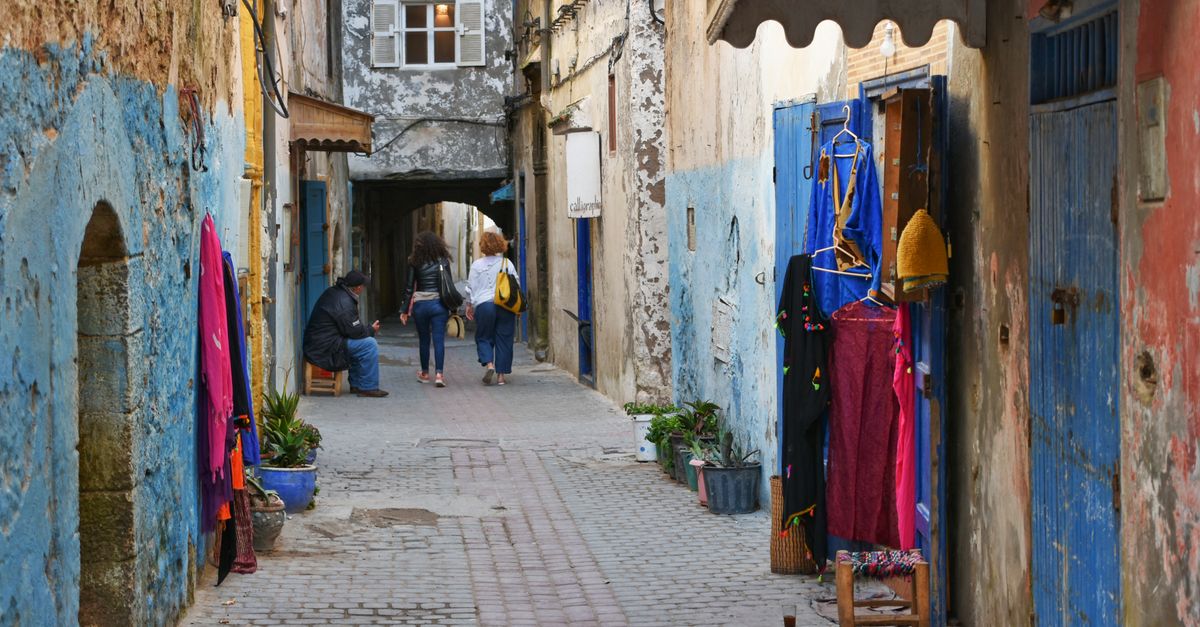
Essaouira reveals itself slowly to those willing to look beyond the guidebook summaries. The food tells stories that architecture alone cannot, and the rhythm of daily life carries a cadence that no amount of tourist infrastructure can replicate.
Three days is enough to fall under its spell, to eat meals that recalibrate your expectations, and to walk streets that hold past and present in productive tension. Come with comfortable shoes and an open appetite.

Medina & Ramparts
Morning (8:00 AM) — Skala de la Ville ramparts walk: The atmosphere builds gradually as you explore — from initial orientation to genuine immersion. Allow at least an hour, more if you read every plaque and peer around every corner. The surrounding streets offer good cafes for a post-visit debrief over coffee or a cold drink. Check opening hours in advance as seasonal schedules vary.
Mid-Morning (10:30 AM) — Medina souks browsing: This is one of Essaouira's defining experiences — photographs cannot fully convey the combination of visual impact and cultural significance. Spend at least 45 minutes here, preferably in the morning when the light is best and crowds are manageable. The views from elevated sections reward the climb, offering a perspective that reframes the city's layout.
Afternoon (1:00 PM) — Moulay Hassan Square coffee: Arrive early — by midday the tour groups arrive in force. The atmosphere is best appreciated at a slow pace, with stops to absorb details that reveal themselves only to those paying attention. A local guide can unlock layers of meaning invisible to the uninstructed eye. Budget at least an hour and resist the urge to rush.
Late Afternoon (3:30 PM) — Sidi Mohammed Ben Abdallah Museum: The combination of natural beauty and human history here creates an experience on multiple levels. First-time visitors often focus on the photogenic elements, but the deeper reward comes from understanding why this place exists and what it means to the people who live here. Take your time — the place is not going anywhere.
Evening (6:00 PM) — Woodworking artisans quarter: What makes this stop essential is how it connects to Essaouira's larger story — a narrative of decisions, ambitions, and compromises that explain why the city looks and feels the way it does. Experiencing it in person adds a dimension that reading about it cannot replicate.
Port, Beach & Argan
Morning (8:00 AM) — Essaouira port fish market: The atmosphere builds gradually as you explore — from initial orientation to genuine immersion. Allow at least an hour, more if you read every plaque and peer around every corner. The surrounding streets offer good cafes for a post-visit debrief over coffee or a cold drink. Check opening hours in advance as seasonal schedules vary.
Mid-Morning (10:30 AM) — Grilled fish lunch at port stalls: This is one of Essaouira's defining experiences — photographs cannot fully convey the combination of visual impact and cultural significance. Spend at least 45 minutes here, preferably in the morning when the light is best and crowds are manageable. The views from elevated sections reward the climb, offering a perspective that reframes the city's layout.
Afternoon (1:00 PM) — Beach walk or windsurfing: Arrive early — by midday the tour groups arrive in force. The atmosphere is best appreciated at a slow pace, with stops to absorb details that reveal themselves only to those paying attention. A local guide can unlock layers of meaning invisible to the uninstructed eye. Budget at least an hour and resist the urge to rush.
Late Afternoon (3:30 PM) — Argan oil cooperative visit: The combination of natural beauty and human history here creates an experience on multiple levels. First-time visitors often focus on the photogenic elements, but the deeper reward comes from understanding why this place exists and what it means to the people who live here. Take your time — the place is not going anywhere.
Île de Mogador & Gnawa Music
Morning (8:00 AM) — Boat trip near Île de Mogador: The atmosphere builds gradually as you explore — from initial orientation to genuine immersion. Allow at least an hour, more if you read every plaque and peer around every corner. The surrounding streets offer good cafes for a post-visit debrief over coffee or a cold drink. Check opening hours in advance as seasonal schedules vary.
Mid-Morning (10:30 AM) — Mellah quarter exploration: This is one of Essaouira's defining experiences — photographs cannot fully convey the combination of visual impact and cultural significance. Spend at least 45 minutes here, preferably in the morning when the light is best and crowds are manageable. The views from elevated sections reward the climb, offering a perspective that reframes the city's layout.
Afternoon (1:00 PM) — Gnawa music venue evening: Arrive early — by midday the tour groups arrive in force. The atmosphere is best appreciated at a slow pace, with stops to absorb details that reveal themselves only to those paying attention. A local guide can unlock layers of meaning invisible to the uninstructed eye. Budget at least an hour and resist the urge to rush.
Late Afternoon (3:30 PM) — Hammam experience: The combination of natural beauty and human history here creates an experience on multiple levels. First-time visitors often focus on the photogenic elements, but the deeper reward comes from understanding why this place exists and what it means to the people who live here. Take your time — the place is not going anywhere.
Evening (6:00 PM) — Sunset from ramparts: What makes this stop essential is how it connects to Essaouira's larger story — a narrative of decisions, ambitions, and compromises that explain why the city looks and feels the way it does. Experiencing it in person adds a dimension that reading about it cannot replicate.

Budget Breakdown (Per Person, 3 Days)
| Category | Budget | Mid-Range | Luxury |
|---|---|---|---|
| Accommodation (3 nights) | MAD 360 | MAD 900 | MAD 3,000 |
| Food & Drinks | MAD 200 | MAD 500 | MAD 1,500 |
| Transport | MAD 30 | MAD 80 | MAD 300 |
| Activities | MAD 100 | MAD 250 | MAD 800 |
| Total | MAD 690 | MAD 1,730 | MAD 5,600 |
Practical Tips for Essaouira
Getting Around
Walking (compact medina) covers most of Essaouira. Combine public transport for longer distances with walking for neighborhoods. Download offline maps before arriving. Multi-day transit passes almost always offer better value than single tickets.
When to Visit
Visit Essaouira during April-October for comfortable walking weather and accessible outdoor attractions. Shoulder seasons bring fewer crowds and lower prices.
Neighbourhoods to Know
Essaouira is small enough to walk across in 20 minutes, but each quarter within its whitewashed walls holds a distinctly different energy. Understanding the layout before you arrive transforms aimless wandering into purposeful exploration. The medina is the heart — a UNESCO-listed walled city built in the 18th century by French architect Théodore Cornut under Sultan Mohammed III's orders, which gives it a grid-like rationality rare in Moroccan medinas.
The area around Avenue de l'Istiqlal and Moulay Hassan Square forms the social and commercial spine of the city. Café de France and Café-Restaurant Bab Laachour face the square and serve mint tea (MAD 10–15) to a perpetual crowd of locals, chess players, and musicians. Behind the square, the souks thin into the artisan quarter on Rue Souss and Rue Zerktouni, where thuya wood workshops produce the intricate marquetry boxes and picture frames Essaouira is famous for. Thuya is a fragrant, burl-grained timber found only in the Moroccan argan forests — a box makes a genuinely unique souvenir starting from MAD 80.
The Mellah (historic Jewish quarter) lies in the northeast corner of the medina, identifiable by its taller buildings and the six-pointed Stars of David still carved above some doorways. Several families continue to live here; the quarter is quieter and more residential than the souk area. The Synagogue Slat Attia on Rue Mellah is occasionally open to visitors. The port quarter to the northwest smells of salt and diesel and fills each morning with blue fishing boats returning with sardines, anchovies, and sea bream destined for the port stalls and the city's restaurants.
Outside the medina walls, the Quartier des Dunes stretches south along the beach toward the ruined Borj El Berod fortress, whose crumbling battlements appear in the opening sequence of Orson Welles' 1952 film Othello. This was the location that put Essaouira on the cinematic map and remains one of the most atmospheric spots at sunset, when the golden light turns the old stones amber and the wind dies to a whisper.
Heading to the imperial cities? Read our Fez 3-Day Itinerary for your next adventure.