Cusco is one of South America's great travel bargains hiding in plain sight. The former capital of the Inca Empire sits at 3,400 metres above sea level in the Peruvian Andes, surrounded by ruins, sacred mountains, and high-altitude grasslands that stretch toward Machu Picchu. It has a reputation as an expensive destination because of the flagship train journey and the Inca Trail permits — but most visitors dramatically overestimate what a week in Cusco actually costs. The truth is that local markets feed you well for PEN 10, excellent hostels charge under USD 12 for a dorm bed, and the city's most remarkable Inca stonework lines the streets themselves, requiring nothing more than the willingness to walk. This guide covers every spending category with current prices so you can plan a genuine Cusco experience without spending like a package tourist.
Getting There on a Budget
Most travellers arrive in Cusco by air at Alejandro Velasco Astete International Airport (CUZ), located just 3 kilometres from the Plaza de Armas. Domestic flights from Lima take 1 hour 15 minutes and are the only practical option for most international visitors — the overland journey from Lima takes 21 hours on the best bus lines. The key is booking flights early. LATAM, Sky Airline, and Star Perú all operate the Lima–Cusco route, and fares bought 4–6 weeks ahead regularly come in at PEN 180–280 one way (approximately USD 50–75). Booked the night before, the same seats cost PEN 500–900. Check both the airline websites directly and Google Flights, which surfaces the cheapest fare across all carriers on a given date.

From Lima, the long-distance bus companies Cruz del Sur and Oltursa operate the overland route via Nazca and Arequipa. The journey takes 20–22 hours and costs PEN 100–180 for a semi-cama (reclining seat) or PEN 200–280 for full cama (fully flat). This makes sense only if you're already touring Peru overland or specifically want to stop in Arequipa and the Colca Canyon en route. For Cusco as a standalone destination, fly.
From Puno (Lake Titicaca), shared tourist minibuses operated by companies like Peru Hop or Inca Express cover the 6-hour journey for PEN 50–90, stopping at the archaeological sites of Raqchi and Andahuaylillas along the way. The regular public bus from Puno's Terminal Terrestre costs PEN 20–30 but takes 7–8 hours with no sightseeing stops. Both are valid depending on your time and priorities.
Crossing from Bolivia via Copacabana to Puno and then onward to Cusco is the classic overland route for South America circuit travellers. The combined border crossing and bus journey runs USD 15–25 with the Peru Hop hop-on-hop-off service, which many budget travellers find good value for the route flexibility.
Budget Accommodation
Cusco has one of the best hostel scenes in South America, and competition keeps prices honest. Dorm beds in well-run social hostels start at PEN 35–55 (approximately USD 10–15) per night, with private doubles at budget properties running PEN 100–160. The city's colonial architecture means many hostels occupy beautiful Spanish-colonial or Inca-foundation buildings with courtyards, rooftop terraces, and the kind of character that makes you want to sit still and look at things rather than rush out into the cold.

Loki Hostel (Calle Resbalosa 494, San Blas) is Cusco's most established party hostel — a converted colonial mansion with rooftop bar, common areas, a remarkably social atmosphere, and a notorious reputation that endures because the product is genuinely good. Dorm beds from PEN 45–65, private doubles PEN 140–200. The rooftop views over Cusco's terracotta rooftops toward the surrounding mountains are legitimately spectacular and entirely free. Book directly via their website for the best rates.
Pariwana Hostel (Calle Mesón de la Estrella 136, near Plaza de Armas) occupies a 16th-century colonial mansion and threads a careful line between social atmosphere and genuine comfort. Dorms from PEN 40–60, private rooms PEN 130–180 with en-suite. The central courtyard is the meeting point for everything — breakfast, impromptu travel planning sessions, and the evening social hour. The location, half a block from the Plaza de Armas, is unbeatable for first-timers who want to be at the centre of everything.
The Point Hostel (Calle Meson de la Estrella 172) is a reliable mid-tier option with slightly smaller common areas but consistently good reviews for cleanliness, staff knowledge, and organised activities including free salsa lessons several nights a week. Dorms PEN 38–55, private doubles from PEN 120.
For budget guesthouses rather than hostels — a private room with shared bathroom in a family-run hospedaje — prices in the San Blas and San Cristóbal neighbourhoods run PEN 60–100 for a double. These are quieter, more local in character, and ideal for travellers who want privacy at hostel prices. Ask for rooms on upper floors for the best natural light and the least street noise.
Eating Cheaply Like a Local
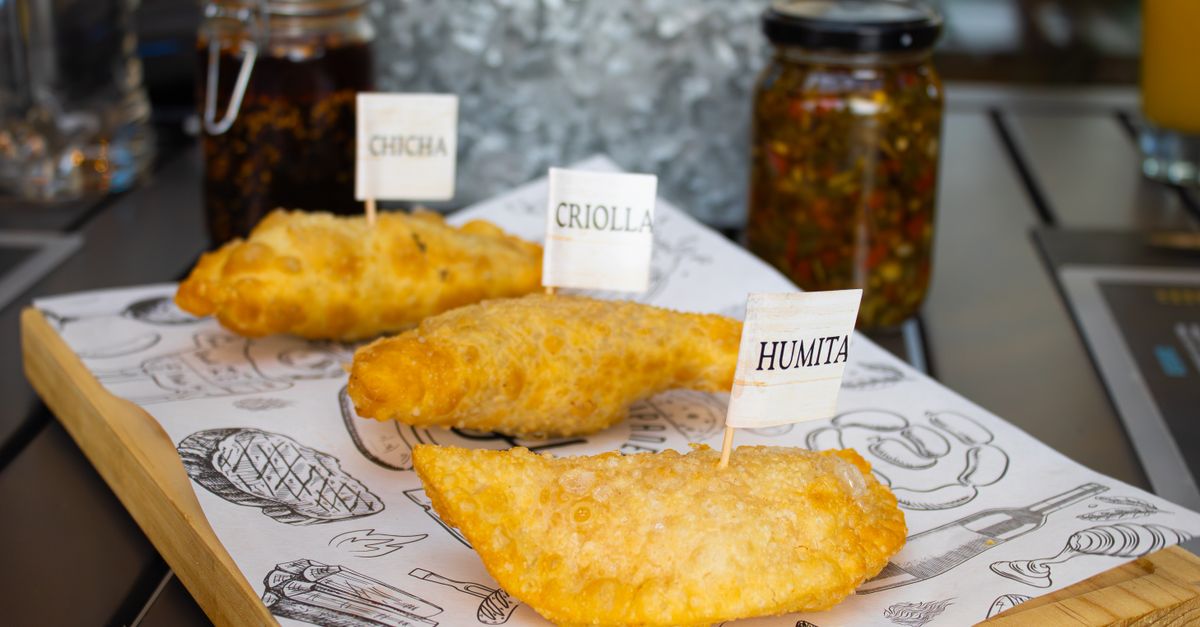
The best eating in Cusco is the cheapest eating in Cusco. The menú del día — the set lunch menu offered by hundreds of local restaurants from roughly noon to 3 PM — is the cornerstone of budget eating in Peru, and Cusco's version is excellent. For PEN 12–20, you receive a soup starter, a main course (typically a generous plate of rice, beans, a protein, and vegetables), a glass of chicha morada or juice, and sometimes a small dessert. The quality varies from basic canteen food at PEN 12 to genuinely well-cooked Andean cuisine at PEN 18–20. The price tells you which is which.

Mercado San Pedro, three blocks west of the Plaza de Armas, is the city's main market and one of the most concentrated food-per-sol experiences in Peru. The ground floor of the market has a row of market food stalls — small counters where market vendors and their families eat — serving everything from caldo de gallina (chicken broth with potato and herbs, PEN 8–12) to the full menú del día at PEN 10–15. The market is also where you'll find api — a hot purple corn drink spiced with cinnamon and clove — for PEN 3–4, a warming essential during Cusco's cold evenings.
Picarones — pumpkin and sweet potato doughnuts fried in large spirals and drenched in chancaca syrup — cost PEN 3–5 for four pieces from market vendors and street stalls near the central market. They are Cusco's best street food and one of the few things in Peru that tastes better than it looks. Find them at the market and from street vendors near the San Pedro station area in the late afternoon and evening.
Chicha de jora is Cusco's traditional fermented corn beer, served from unlicensed chicherías (home breweries identified by a red plastic bag or bouquet of flowers hanging over the door) for PEN 1–3 per cup. It is mildly alcoholic, slightly sour, deeply traditional, and absolutely the correct drink for acclimatisation afternoon once you've established you're not suffering from acute mountain sickness.
For a slightly more comfortable sit-down meal, the restaurants on Plateros Street and in the San Blas neighbourhood serve well-executed Andean dishes — lomo saltado, ají de gallina, trucha (Andean trout) — for PEN 25–45 at dinner. Avoid the restaurants on the Plaza de Armas itself; the location premium adds PEN 15–20 to everything on the menu for no improvement in quality.
Free & Low-Cost Attractions
Cusco is almost uniquely generous with its free attractions for a world-heritage city. The Inca stonework that underlies and interlaces with the colonial Spanish architecture throughout the entire historic centre costs nothing to observe — the famous twelve-angled stone on Calle Hatunrumiyoq is simply a wall in a street that you walk down. The scale and precision of the construction, visible at street level throughout the San Blas and historic centre, is remarkable and free.

The Plaza de Armas and the adjacent Plaza Regocijo are the heart of the city's social life, surrounded by colonial arcades and with the Cathedral of Cusco (PEN 50 entry but free to view the exterior) as their centrepiece. Sitting in the plaza during the late afternoon, watching the light turn the mountains above the city amber, is one of the most atmospheric free experiences in South America.
The ruins of Saqsaywamán (entry included in the Boleto Turístico, PEN 130) sit 2 kilometres above the Plaza de Armas and can be reached by a 40-minute uphill walk from the city — the path is free and the view of Cusco spread below, framed by the terraces of the fortress, is among the most satisfying views you can earn by walking in Peru. The site itself is enormous, covering several hectares of massive stone terraces that required the Inca state's full logistical capacity to construct.
The Boleto Turístico (PEN 130 for the full 10-site circuit, valid 10 days) covers entry to Saqsaywamán, Qenqo, Pucapucara, Tambomachay, Tipon, Pikillacta, and the four sites of the Sacred Valley circuit including Pisac and Ollantaytambo. Partial circuits are available: Circuit I (Cusco sites only, PEN 70) and Circuit II (Sacred Valley, PEN 70). Buy at the INC office on Avenida El Sol — do not buy from street touts who will sell you forgeries.
The Qorikancha (Temple of the Sun, PEN 15) is the most historically significant Inca site in Cusco — the gold-plated spiritual centre of the entire Inca Empire, now partly occupying the base of the colonial Santo Domingo convent. The contrast of perfect Inca stonework beneath colonial Spanish arches is extraordinary, and at PEN 15 it is arguably the best-value major site in the city.
Getting Around on a Budget
Cusco's historic centre is compact and almost entirely walkable from any centrally located hostel. The Plaza de Armas to San Blas is 10 minutes on foot; to Qorikancha, 8 minutes; to the San Pedro market, 12 minutes. For the sites immediately above the city — Saqsaywamán, Qenqo — walking uphill is the free option and takes 30–45 minutes from the plaza. The altitude makes the gradient feel steeper than it looks on a map.

For the Sacred Valley (Pisac, Chinchero, Moray, Ollantaytambo), shared colectivos depart from fixed terminals on the outskirts of Cusco for PEN 5–15 per leg depending on destination. These are shared minibuses or sedans that leave when full rather than on a schedule. The terminal for Sacred Valley colectivos is on Calle Puputi near the Ovalo de la Familia roundabout — a PEN 3–4 taxi or 20-minute walk from the plaza. For Maras and Moray, change at Chinchero (PEN 5 from Cusco) and take a local mototaxi (PEN 10–15).
Within central Cusco, taxis are metered informally rather than by meter — agree on a price before getting in. Most city-centre journeys cost PEN 5–10. At night, PEN 8–15 is reasonable. Use taxi apps Beat and InDriver for upfront pricing; both are active in Cusco and often 20% cheaper than flagging a street taxi.
Money-Saving Tips
Spend your first full day doing nothing in particular. Arriving in Cusco and immediately hiking to Saqsaywamán or rushing up to the Sacred Valley is the single most common mistake budget travellers make — and the most expensive one, because altitude sickness is treated with rest (free) or medication (PEN 15–30), but neither works if you keep pushing. Arrive, drink coca tea, eat a light lunch, walk the historic centre slowly, go to bed early. The ruins will still be there on day two.
Book Machu Picchu online before leaving home. Entry tickets are sold exclusively at machupicchu.gob.pe and are capped by time slot — popular morning slots in peak season sell out weeks ahead. The entry fee is PEN 152–200 depending on the circuit chosen. Do not pay touts in Cusco who claim to have tickets; they don't.
Take the Vistadome train, not the Hiram Bingham. The Perurail Vistadome from Ollantaytambo to Aguas Calientes costs PEN 80–200 one way depending on season and booking lead time. The Hiram Bingham luxury service covering the same route costs PEN 500+ one way. Both trains arrive at the same station. Book the Vistadome well ahead to get the PEN 80–100 tier.
Stay in Aguas Calientes one night before Machu Picchu. The first bus up to Machu Picchu from Aguas Calientes departs at 5:30 AM (PEN 24 one way, round trip PEN 48). Arriving the afternoon before and staying overnight — budget hostel beds in Aguas Calientes from PEN 50–80 — means you're at the gate for opening time before the tour groups arrive on day buses. The site is transformatively different in the first two hours.
Eat the menú del día every day for lunch. This single habit cuts your food budget by roughly 40% compared to ordering à la carte at the same restaurants. PEN 12–18 for three courses is the best food value in Peru.
Check whether your accommodation includes breakfast. Many Cusco hostels include a simple continental breakfast — bread, butter, jam, tea, coffee — in the room rate. This isn't worth paying extra for, but if it's included, use it. Starting the day with something in your stomach before the cold morning air hits matters at altitude.
Buy water from the supermarket, not from street vendors. A 600ml bottle from a tourist stall near the plaza costs PEN 3–4. The same size from Cusco's Orion or Metro supermarkets costs PEN 1–1.50. A 2.5L bottle from the supermarket costs PEN 3–4. Buy a large bottle in the morning and refill your daypack water bottle from it throughout the day.