Cusco exceeds expectations even when expectations are high. What images cannot convey is the texture — the way air feels on your skin at dusk, the aroma that greets you in the central market, conversations flowing in rhythms that belong only to this place.
This itinerary balances the must-see landmarks with quieter neighborhoods where the city's true character emerges. Eat everything, walk everywhere, and talk to strangers. The city rewards curiosity with generosity.

Plaza de Armas & Inca Ruins
Morning (8:00 AM) — Plaza de Armas morning: The atmosphere builds gradually as you explore — from initial orientation to genuine immersion. Allow at least an hour, more if you read every plaque and peer around every corner. The surrounding streets offer good cafes for a post-visit debrief over coffee or a cold drink. Check opening hours in advance as seasonal schedules vary.
Mid-Morning (10:30 AM) — Cusco Cathedral visit: This is one of Cusco's defining experiences — photographs cannot fully convey the combination of visual impact and cultural significance. Spend at least 45 minutes here, preferably in the morning when the light is best and crowds are manageable. The views from elevated sections reward the climb, offering a perspective that reframes the city's layout.
Afternoon (1:00 PM) — Qorikancha Sun Temple: Arrive early — by midday the tour groups arrive in force. The atmosphere is best appreciated at a slow pace, with stops to absorb details that reveal themselves only to those paying attention. A local guide can unlock layers of meaning invisible to the uninstructed eye. Budget at least an hour and resist the urge to rush.
Late Afternoon (3:30 PM) — Sacsayhuamán fortress: The combination of natural beauty and human history here creates an experience on multiple levels. First-time visitors often focus on the photogenic elements, but the deeper reward comes from understanding why this place exists and what it means to the people who live here. Take your time — the place is not going anywhere.
Evening (6:00 PM) — San Blas neighborhood walk: What makes this stop essential is how it connects to Cusco's larger story — a narrative of decisions, ambitions, and compromises that explain why the city looks and feels the way it does. Experiencing it in person adds a dimension that reading about it cannot replicate.
Sacred Valley Day Trip
Morning (8:00 AM) — Pisac Market browsing: The atmosphere builds gradually as you explore — from initial orientation to genuine immersion. Allow at least an hour, more if you read every plaque and peer around every corner. The surrounding streets offer good cafes for a post-visit debrief over coffee or a cold drink. Check opening hours in advance as seasonal schedules vary.
Mid-Morning (10:30 AM) — Ollantaytambo ruins climb: This is one of Cusco's defining experiences — photographs cannot fully convey the combination of visual impact and cultural significance. Spend at least 45 minutes here, preferably in the morning when the light is best and crowds are manageable. The views from elevated sections reward the climb, offering a perspective that reframes the city's layout.
Afternoon (1:00 PM) — Moray circular terraces: Arrive early — by midday the tour groups arrive in force. The atmosphere is best appreciated at a slow pace, with stops to absorb details that reveal themselves only to those paying attention. A local guide can unlock layers of meaning invisible to the uninstructed eye. Budget at least an hour and resist the urge to rush.
Late Afternoon (3:30 PM) — Maras salt mines: The combination of natural beauty and human history here creates an experience on multiple levels. First-time visitors often focus on the photogenic elements, but the deeper reward comes from understanding why this place exists and what it means to the people who live here. Take your time — the place is not going anywhere.
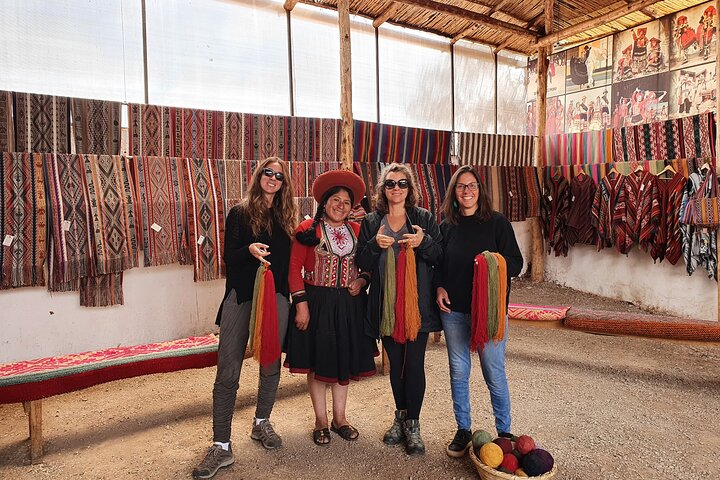
Evening (6:00 PM) — Chinchero weaving village: What makes this stop essential is how it connects to Cusco's larger story — a narrative of decisions, ambitions, and compromises that explain why the city looks and feels the way it does. Experiencing it in person adds a dimension that reading about it cannot replicate.
San Pedro Market & Rainbow Mountain
Morning (8:00 AM) — San Pedro Market breakfast: The atmosphere builds gradually as you explore — from initial orientation to genuine immersion. Allow at least an hour, more if you read every plaque and peer around every corner. The surrounding streets offer good cafes for a post-visit debrief over coffee or a cold drink. Check opening hours in advance as seasonal schedules vary.
Mid-Morning (10:30 AM) — Rainbow Mountain trek optional: This is one of Cusco's defining experiences — photographs cannot fully convey the combination of visual impact and cultural significance. Spend at least 45 minutes here, preferably in the morning when the light is best and crowds are manageable. The views from elevated sections reward the climb, offering a perspective that reframes the city's layout.
Afternoon (1:00 PM) — Museo Inka visit: Arrive early — by midday the tour groups arrive in force. The atmosphere is best appreciated at a slow pace, with stops to absorb details that reveal themselves only to those paying attention. A local guide can unlock layers of meaning invisible to the uninstructed eye. Budget at least an hour and resist the urge to rush.
Late Afternoon (3:30 PM) — Evening pisco sour at plaza bar: The combination of natural beauty and human history here creates an experience on multiple levels. First-time visitors often focus on the photogenic elements, but the deeper reward comes from understanding why this place exists and what it means to the people who live here. Take your time — the place is not going anywhere.

Budget Breakdown (Per Person, 3 Days)
| Category | Budget | Mid-Range | Luxury |
|---|---|---|---|
| Accommodation (3 nights) | PEN 150 | PEN 450 | PEN 1,500 |
| Food & Drinks | PEN 100 | PEN 250 | PEN 700 |
| Transport | PEN 30 | PEN 80 | PEN 250 |
| Activities | PEN 70 | PEN 200 | PEN 600 |
| Total | PEN 350 | PEN 980 | PEN 3,050 |
Practical Tips for Cusco
Getting Around
Walking, colectivos, taxis covers most of Cusco. Combine public transport for longer distances with walking for neighborhoods. Download offline maps before arriving. Multi-day transit passes almost always offer better value than single tickets.
When to Visit
Visit Cusco during May-September for comfortable walking weather and accessible outdoor attractions. Shoulder seasons bring fewer crowds and lower prices.
Local Culture & Etiquette
Cusco sits at 3,400 metres above sea level and the altitude imposes its own etiquette on visitors: slow down, drink water constantly, and accept that your body needs two to three days to acclimatise before you attempt anything physically demanding. The local remedy is mate de coca — coca leaf tea, served everywhere from hotel lobbies to market stalls for PEN 3-5 — which genuinely helps with headache and fatigue. Chewing dried coca leaves, available at markets for PEN 2 per small bag, is culturally normal and widely practised by locals and tourists alike. It is legal in Peru and has nothing to do with the refined product.
Quechua is the first language of much of Cusco's indigenous population, and Spanish is the second. A few Quechua words go a long way: "allianchu" (how are you), "añay" (thank you), and "sumaq" (beautiful) are received with genuine warmth. At the San Pedro Market, vendors appreciate the effort far more than English or gestures. Bargaining is expected at souvenir stalls but not at food stalls or restaurants — the price written or quoted is the price, and haggling for food is considered rude. At artisan markets, the opening price is typically 30-50 percent above what a vendor will accept, and a calm, respectful counter-offer is entirely normal.
Inti Raymi, the Festival of the Sun on June 24th, is the most significant cultural event in Cusco's calendar and transforms the city into something entirely different: tens of thousands of people in traditional dress, ceremonies at Sacsayhuamán and the Temple of the Sun, music and dance that is simultaneously tourist spectacle and genuine living tradition. Tickets for the Sacsayhuamán ceremony sell for USD 60-150 through official channels — book months in advance. Entry to the Plaza de Armas celebrations is free. Qoyllur Riti, a high-altitude pilgrimage festival in May or June depending on the lunar calendar, takes place at 4,700 metres near the Sinakara glacier and is less visited by tourists but deeply important to Andean communities.
Sunday in Cusco moves at a different pace — markets are quieter, churches are active, and the residential neighbourhoods of San Blas and Santa Ana fill with families rather than tour groups. This is the best day to walk without an agenda, sit in a plaza, and observe the city being itself rather than performing for visitors. The quality of light on the Cathedral's baroque facade in early Sunday morning sun is, on balance, one of the finest things Cusco offers.
Continuing through South America? Read our La Paz 3-Day Itinerary for your next adventure.