Cusco is one of the most visited cities in South America, primarily as the gateway to Machu Picchu — which means the tourist infrastructure has entirely reorganized itself around that function. The result is a city where visitors spend one or two nights, eat overpriced pizza on Plaza de Armas, and leave on the 5:15am train to Aguas Calientes without ever engaging with what Cusco actually is: a 1,000-year-old Andean city whose colonial Spanish overlay sits on top of Inca stone construction of extraordinary sophistication, surrounded by mountain communities that maintain Quechua language and Indigenous cultural practices as living realities rather than tourist performances.
This guide is for travelers who plan to spend more than two nights in Cusco (which they should) and want to understand the city as a place rather than a transit point. You'll find the markets where local families shop, the Inca archaeological sites within walking distance of the city center that get a tenth of Machu Picchu's visitors, the Quechua weaving cooperatives where textile practices that predate the Spanish by centuries are still being transmitted, and the local chicha de jora (fermented corn beer) establishments that are completely invisible to the tourist economy. Altitude acclimatization note: Cusco is at 3,400 meters. Plan two days of rest before any strenuous activity.
Cusco is walkable for most of its central sites; a taxi to the Sacred Valley or outlying archaeological sites costs S/15–35. The collectivo (shared minibus) system is cheap (S/1–3 per ride) and connects the city to the Sacred Valley towns. Altitude sickness (soroche) is common — arrive slowly, drink coca tea, sleep, and wait at least 24 hours before hiking. The altitude here is real.
1. Sacsayhuamán's Inca Walls Beyond the Tourist Zone
Sacsayhuamán — the enormous Inca fortification complex on the hill directly above Cusco — is on every tourist itinerary, and the main zigzag walls (the "pumas teeth" formation) are consistently crowded. Walk beyond them, uphill and to the right, toward the series of additional structures that most visitors never reach: the Rodadero (a polished slide-like formation in the granite that was likely a ceremonial or children's play space), the Suchuna (a throne-like carved outcrop with hydraulic features), and the further inca walls and platforms extending for 400 meters beyond the main tourist area. The stone construction in these areas is of the same extraordinary quality — massive blocks fitted without mortar, each slightly different in shape — but without the crowds.
The scale of Sacsayhuamán's main walls (some blocks weigh 125 tons, fitted to tolerances that cannot be replicated with modern equipment without significant effort) reflects a construction capacity and organizational sophistication that historians still debate. The Inca built without the wheel and without iron tools in any significant quantity — the engineering remains genuinely astonishing.
Walk from Plaza de Armas north up Resbalose Street and Pumacurco Street to the Sacsayhuamán entry — about 20–25 minutes uphill at altitude (pace yourself). Open daily 7am–6pm. A boleto turístico (S/70–130 depending on the package) covers entry to Sacsayhuamán and other sites. Arrive at 7am opening for the best light and no crowds.
Entry included in the Cusco boleto turístico (S/70 basic package). The walk up from the city center is free exercise but requires altitude caution — rest when needed. Bring sun protection; the UV at altitude is extremely intense. Budget a full morning (3 hours) for a thorough exploration including the lesser-visited sections.
2. Mercado de San Pedro: The Real Local Market
The Mercado Central de San Pedro on Calle Santa Clara is where Cusco's actual population shops — and it's dramatically different from the tourist-facing Pisac artisan market and the Plaza de Armas souvenir stalls. The market sells the full range of Andean food: guinea pig (cuy) both live and prepared, dried potatoes (chuño and moraya, preserved by freeze-drying at altitude for 2,000 years), chicha de jora by the glass from stalls where vendors ladle corn beer into communal cups, Andean herbs, dried coca leaves, and the full range of prepared foods that form the basis of Cusqueño daily eating. The juice bar section presses chirimoya, maracuya, and lucuma into extraordinary fresh juices for S/3–5.
Mercado de San Pedro has been in this location since the 16th century, operating on the same site where the Inca likely held a market system of their own. The current building is 19th century; the commerce inside it reflects a direct continuity with pre-Columbian Andean market culture. The dried potato vendors selling chuño are transmitting a technology invented at least 2,000 years ago.
The market is on Calle Santa Clara, about 5 minutes walk west of Plaza de Armas. Open daily 6am–7pm; mornings are most active. The fresh juice stalls open by 7am and are the best breakfast option in the city at S/3–5 per large cup of mixed tropical fruit. Bring your own bag for purchases.
Budget S/15–30 for a market morning including juice, breakfast from the food stalls (S/5–10 for a generous plate of Andean food), and any produce purchases. The coca leaf vendors sell dried leaves for chewing (traditional altitude sickness remedy) at S/3–5 for a large bag. Approaching markets with basic Spanish (or better, a few Quechua greetings — allinllanchu for "how are you?") is respectful and often rewarding.
3. Qorikancha and the Convent of Santo Domingo
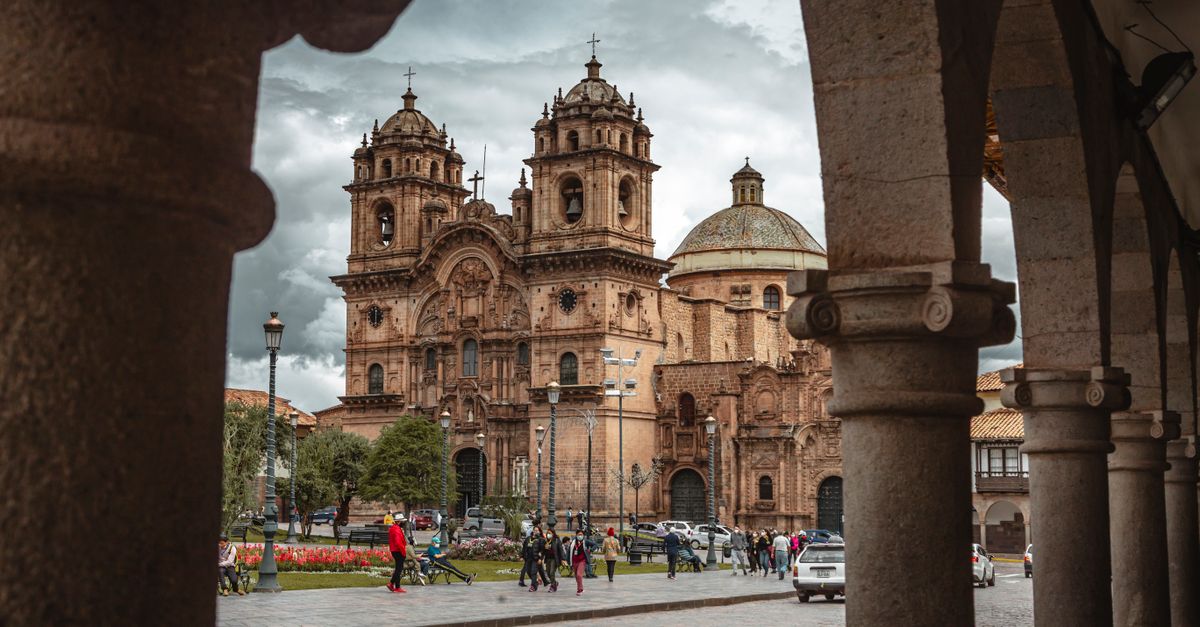
Most visitors to Cusco visit the Convent of Santo Domingo — the Spanish colonial church and convent built directly on top of the Qorikancha, the Inca's holiest temple (the Temple of the Sun). The colonial building is impressive; the Inca construction visible in the rounded apse of the temple, the stone masonry exposed in the archaeological zones beneath the convent, and the golden walls that once held golden plates of extraordinary craftsmanship are more impressive. What's less known: the cloister of the convent has a frescoed interior of remarkable beauty, and the museum in the Inca section contains gold and silver objects from the original temple collection that were not melted down. The 1950 earthquake revealed more Inca stonework than was previously accessible, and restoration has made it more visible than it has been since the conquest.
The Qorikancha was the wealthiest and most sacred space in the Inca empire — its walls were literally plated with gold sheets, its gardens contained life-size golden replicas of plants and animals, and it housed the mummies of deceased Sapa Incas. The Spanish stripped the gold and built their church on the same foundations, a symbolic act of cultural domination that backfired architecturally — the Inca walls outlasted the colonial additions they were meant to supersede.
Located on Avenida Sol at Calle Santo Domingo, 10 minutes walk south of Plaza de Armas. Open Monday–Saturday 8:30am–5:30pm, Sunday 2–5pm (mass schedule limits morning access on Sundays). Admission S/15 for the archaeological zone; the church itself is sometimes free. Budget 1–1.5 hours for a thorough visit.
Admission S/15 (archaeological zone). The museum's gold objects and the exposed Inca masonry are the main draws. Combine with a walk south along Avenida Sol to the base of the Avenida, where the local market stalls (San Pedro market area) continue from the colonial market.
4. Pisac's Tuesday and Thursday Market (Not Sunday)
Pisac, in the Sacred Valley 30 kilometers from Cusco, is known for its Sunday artisan market — one of the most famous craft markets in South America, which means it's also one of the most tour-group-saturated. The Tuesday and Thursday markets are smaller, primarily attended by local Indigenous community members selling produce, hardware, and household goods with some craft stalls, and are dramatically more authentic for understanding the market's actual function in Andean social and economic life. The Pisac archaeological site on the hill above the town (a complete Inca city with agricultural terraces, residential quarters, and a solar observatory) is excellent at any time, but best visited at 7am before the tour groups arrive from Cusco.
Pisac's market has been a significant node in the regional exchange economy for hundreds of years — likely preceding the Inca expansion into the Sacred Valley. The Sunday market was originally an exchange between highland and lowland communities trading different agricultural products; it has since been overlaid with artisan production specifically for tourist purchase, changing its character significantly while retaining some of its older exchange functions.
Take a collectivo from the Collectivo terminal near Calle Puputi in Cusco to Pisac — S/3–5 each way, 45 minutes. Depart early to reach the market by 7:30–8am for the pre-tourist window. The archaeological site above the town requires a boleto turístico entry (included in the S/70 package) and a 45-minute uphill walk from the town plaza.
Collectivo: S/3–5 each way. Pisac archaeological site: included in boleto turístico. Market browsing: free; crafts typically S/10–80. Budget S/80–150 for a full day including transport, market purchases, archaeological site, and lunch at one of the local restaurants on the plaza (S/12–25 per person for a complete menu del día).
5. The Inca Trail's Alternatives: Lares Trek
The Inca Trail to Machu Picchu is famous, requires permits booked months in advance, and is heavily regulated. The Lares Trek — a 3–4 day route through the high Andean communities north of the Sacred Valley, at elevations reaching 4,600 meters — passes through landscapes and communities that the Inca Trail does not access: hot springs at Lares village, weaving communities where elderly Quechua women still produce the most technically complex textiles in the Andes, high-altitude lakes ringed by snow peaks, and a terminal point at the Sacred Valley (from which a day trip to Machu Picchu is easily added). The communities on the Lares route participate in a responsible tourism framework that ensures local families receive most of the trek's economic benefits.
The Lares Trek requires a guide and an agency — it cannot be done independently. Reputable agencies include Peru Treks, Llama Path, and local Cusco operators certified by the tourism ministry. The route's communities host trekkers for meals and demonstrations of traditional weaving techniques that are genuinely educational rather than performative.
Book through a certified agency in Cusco 2–7 days in advance (versus 6 months for the Inca Trail). Cost: approximately USD 350–500 per person for a 3–4 day guided trek including food, camping equipment, and porters. The Machu Picchu add-on costs an additional USD 80–120 for the train and entrance fee.
Budget USD 350–600 for the complete Lares Trek plus Machu Picchu experience. This is significantly more expensive than public transport alternatives but provides a community engagement and landscape experience that the standard Machu Picchu day trip cannot approximate. The hot springs at Lares village (S/10 entry) are a genuine luxury after 3 days of altitude hiking.
6. Chicharronería El Encuentro and Local Cusqueño Food
Cusqueño cuisine has been largely erased from the tourist zone by pizza restaurants and alpaca steak for the gringo palate. The real regional food — cuy al horno (roasted guinea pig), chicharrón de cerdo (fried pork belly with mote corn and chicha morada), sopa de quinoa, and rocoto relleno (stuffed hot pepper with meat and baked egg) — is available at local restaurants in the Mercado de San Pedro and in the neighborhoods beyond the Plaza de Armas. Chicharronería El Encuentro, a few blocks from the market, serves generous plates of chicharrón with all the local accompaniments for S/20–25. The market food stalls adjacent to San Pedro serve the menú del día — soup, main course, dessert, and a small juice — for S/8–12.
The tradition of cooking guinea pig (cuy) in the Andes dates at least 5,000 years — it was the primary protein source in highland Andean communities before the Spanish introduced European livestock. The prepared animal (usually roasted whole or fried) is genuinely good eating, with a flavor between rabbit and dark chicken meat, and represents a food tradition that is worth engaging with rather than avoiding out of cultural discomfort.
Chicharronería El Encuentro is on Calle Chaparro near Mercado de San Pedro — ask locals for the current exact location as addresses shift. Menu del día restaurants are concentrated on the side streets around San Pedro market. Avoid the tourist menus on Plaza de Armas, which charge S/30–50 for food that is inferior to S/10 local cooking.
Local menu del día: S/8–12. Chicharrón plate: S/20–25. Cuy al horno at local restaurants: S/35–50 for a whole roasted guinea pig (often serves two). Budget S/25–50 for a full local Cusqueño lunch that will be the best food you eat in the city.
7. Moray's Circular Terraces and Maras Salt Pans
Moray — 50 kilometers northwest of Cusco on the Sacred Valley altiplano — is one of the Inca archaeological sites most worth visiting and least visited by tour groups. The site consists of three enormous circular depressions in the earth, ringed by agricultural terraces of decreasing size as they descend toward the center, creating a temperature differential of up to 15°C between top and bottom levels. The current interpretation is that the site was an agricultural research station — an Andean experiment in creating different microclimates for testing crop varieties. Whatever its function, it's visually unlike anything else in Peru. The adjacent Maras salt pans — 3,000 salt pool terraces fed by a natural salt spring, in continuous use since the Inca period — are simultaneously beautiful and economically active, harvested by the Maras community using exactly the same salt extraction methods as 500 years ago.
Moray and Maras together represent a half-day excursion that most Sacred Valley tour routes skip in favor of the more famous Pisac and Ollantaytambo. The combination of circular terraces, salt pools, and the altiplano landscape makes it the most visually striking single half-day in the Sacred Valley beyond Machu Picchu itself.
Take a collectivo from Cusco toward Urubamba, exit at the Maras road junction, and hire a mototaxi or shared taxi to the sites (S/15–25 for a combined Maras/Moray circuit). Alternatively, rent a bicycle in Maras village and ride the 7-kilometer circuit between the sites on flat altiplano roads. Moray entry included in the boleto turístico; Maras salt pans charge S/10 separately.
Boleto turístico: S/70 includes Moray. Maras salt pans: S/10. Mototaxi circuit: S/15–25. Bicycle rental in Maras: S/10–15. Budget S/80–100 for the full half-day excursion including transport from Cusco and site entries. The Maras community sells their salt at the mine exit — S/5–10 for a bag of exceptional Andean pink salt.
8. The Artisan Weaving Cooperatives of Chinchero
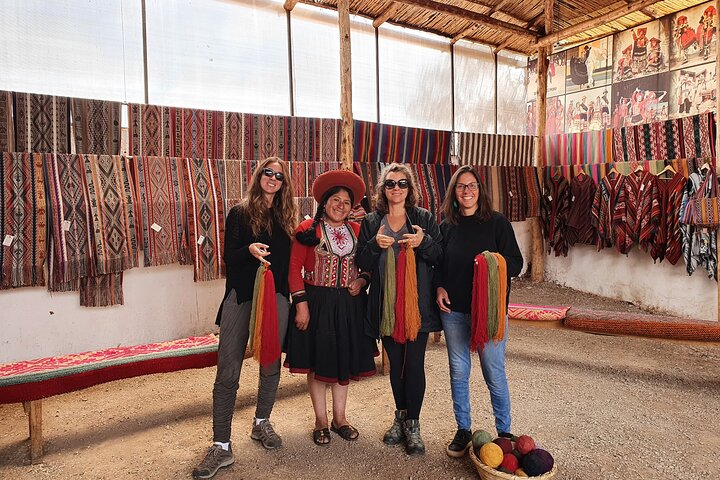
Chinchero, a small town 30 kilometers northwest of Cusco at 3,762 meters, has two distinct attractions that most tours combine in an hour and should instead be given a half-day: the Inca terraces and the 16th-century church built directly on an Inca temple base (similar to the pattern throughout Cusco), and the artisan weaving cooperatives where Quechua women demonstrate and sell the natural-dye, hand-spun, backstrap-loom textiles that represent the Andean textile tradition at its highest level. The demonstrations at cooperatives like the Centro de Textiles Tradicionales del Cusco outlet and the local family cooperatives show the full process from sheep/alpaca fleece to dyed thread to woven fabric — a technology unchanged in its essentials for over 2,000 years.
Andean textile technology — the backstrap loom, the natural dyeing with cochineal (red), indigo (blue), and local plants, the geometric patterns encoding cosmological and community information — is one of the most sophisticated textile traditions in human history. A textile piece produced by a skilled Chinchero weaver involves 400 hours of work; understanding this context transforms the purchase decision for anyone considering buying.
Take a collectivo from Cusco to Chinchero (S/3–4, 45 minutes). The cooperative demonstrations are arranged by the family groups who approach visitors near the main plaza — standard demonstrations run 20–30 minutes and are free, with an expectation that you'll consider purchasing (not required). The church and terraces require the boleto turístico for the church museum.
Collectivo: S/3–4 each way. Church/terraces: included in boleto turístico or S/10 separately. Textile purchases: S/30–200+ depending on complexity and size. A properly produced shawl, scarf, or wall hanging from a Chinchero weaver is both a beautiful object and a fair wage for extraordinary skill. Do not offer to pay less than the asking price — these items are underpriced, not overpriced.

9. San Blas Neighborhood's Workshops
San Blas — the neighborhood on the hillside north of Plaza de Armas, accessible via steep Calle San Blas — is Cusco's artisan quarter, where traditional craftspeople maintain workshops in colonial buildings. The wood carver Miguel Ángel Mendívil's family workshop (Calle Plazoleta San Blas) produces elongated colonial religious figures in the distinctive Cusqueño mestizo tradition that has existed since the 17th century; the ceramic workshops of the Olave family and the Mérida family make pottery in the Cusqueño tradition that synthesizes Inca and Spanish ceramic forms. These workshops are open to visitors during working hours — entry free, the interaction between visitor and craftsperson is genuinely educational, and purchase supports a living craft tradition.
The San Blas artisan tradition developed in the colonial period as Indigenous Andean craftspeople were trained by Spanish missionaries in European techniques while retaining Andean aesthetic sensibilities — the resulting hybrid art form (mestizo baroque, or sometimes "Andean baroque") is one of the most distinctive regional art traditions in the Americas, and Cusco is its center.
Walk up Calle Hatunrumiyoc from Plaza de Armas, pass the famous 12-angled Inca stone, continue to the Plazoleta San Blas. The workshops are on the surrounding streets. Most are open Monday–Saturday 9am–6pm. No admission fee; purchases are appreciated but not required.
Free to visit workshops. Craft purchases: S/30–500 depending on the piece. A Mendívil elongated figure runs S/80–200; the workmanship justifies the price. The Plazoleta San Blas has several good cafés for a rest after the uphill walk — Café Morena and the Jack's Café on Calle Choquechaka both serve excellent coffee and food ($S/15–30 for breakfast or lunch).
10. Chichería El Huacatay and Local Drinking Culture
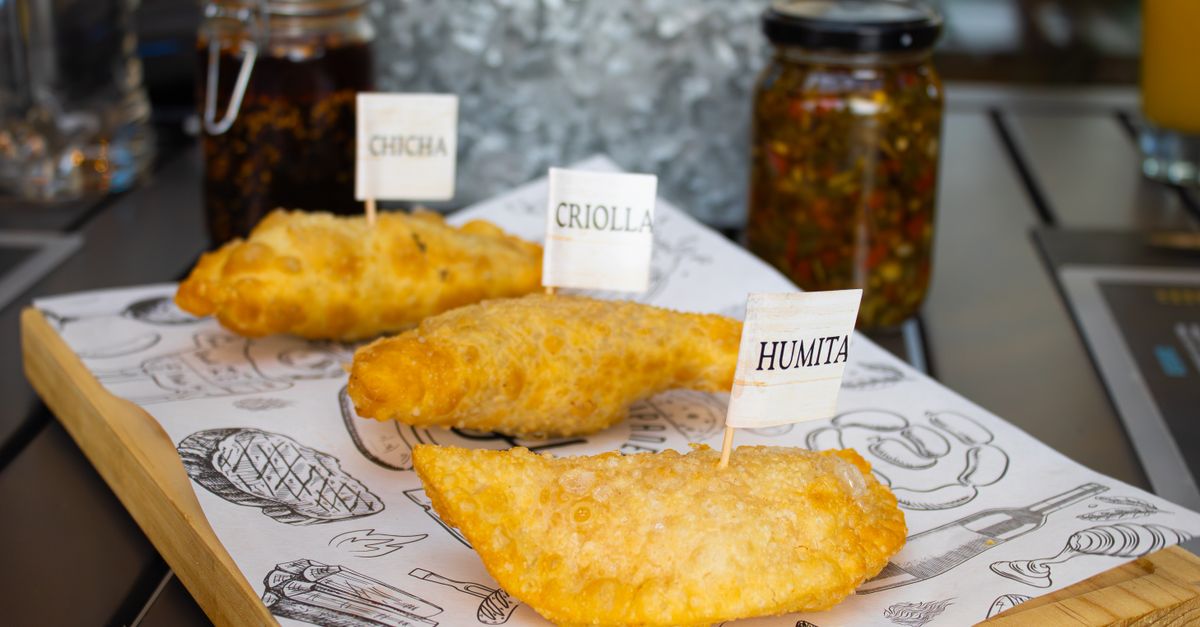
Chicha de jora — fermented corn beer, the ancestral drink of the Andes — is served in chicharías throughout Cusco, identified by a plastic bag or a bunch of flowers on a pole outside the door (an Andean signal that fresh chicha is available). These are community spaces rather than tourist bars: primarily residential, primarily attended by local families, with plastic chairs and communal tables and chicha served in communal cups (joras) at S/1–3 per cup. The flavor is earthy, slightly sour, with low alcohol — nothing like commercial beer. El Huacatay, near the Mercado de San Pedro, is one of the more accessible chicharías for visitors who ask their hotel to help them locate the current open establishments. Going with a local guide is ideal for the first visit.
Chicha de jora's history in the Andes extends at least 2,000 years — it was central to Inca ceremony, was produced in state chicha breweries (the mamakuna — women of the sun temple — produced chicha for state ceremonies), and remains the primary social lubricant in Andean highland communities. Drinking chicha in a local chichería is one of the most genuinely culturally connective experiences available to visitors in Cusco.
Ask your hotel or a local guide to identify the currently active chicharías in the San Pedro or San Blas areas — locations change with the availability of fresh chicha. The jora flag (plastic bag on a pole) is the universal signal. Best visited on weekend afternoons when local families use the spaces for gatherings.
Budget S/5–20 for a full chicha session — the cups are small and the alcohol content is low, so multiple rounds are typical. The experience is more social than intoxicating. Approaching a chichería with basic Spanish and genuine curiosity is generally met with warmth; asking to try the chicha before committing is acceptable.