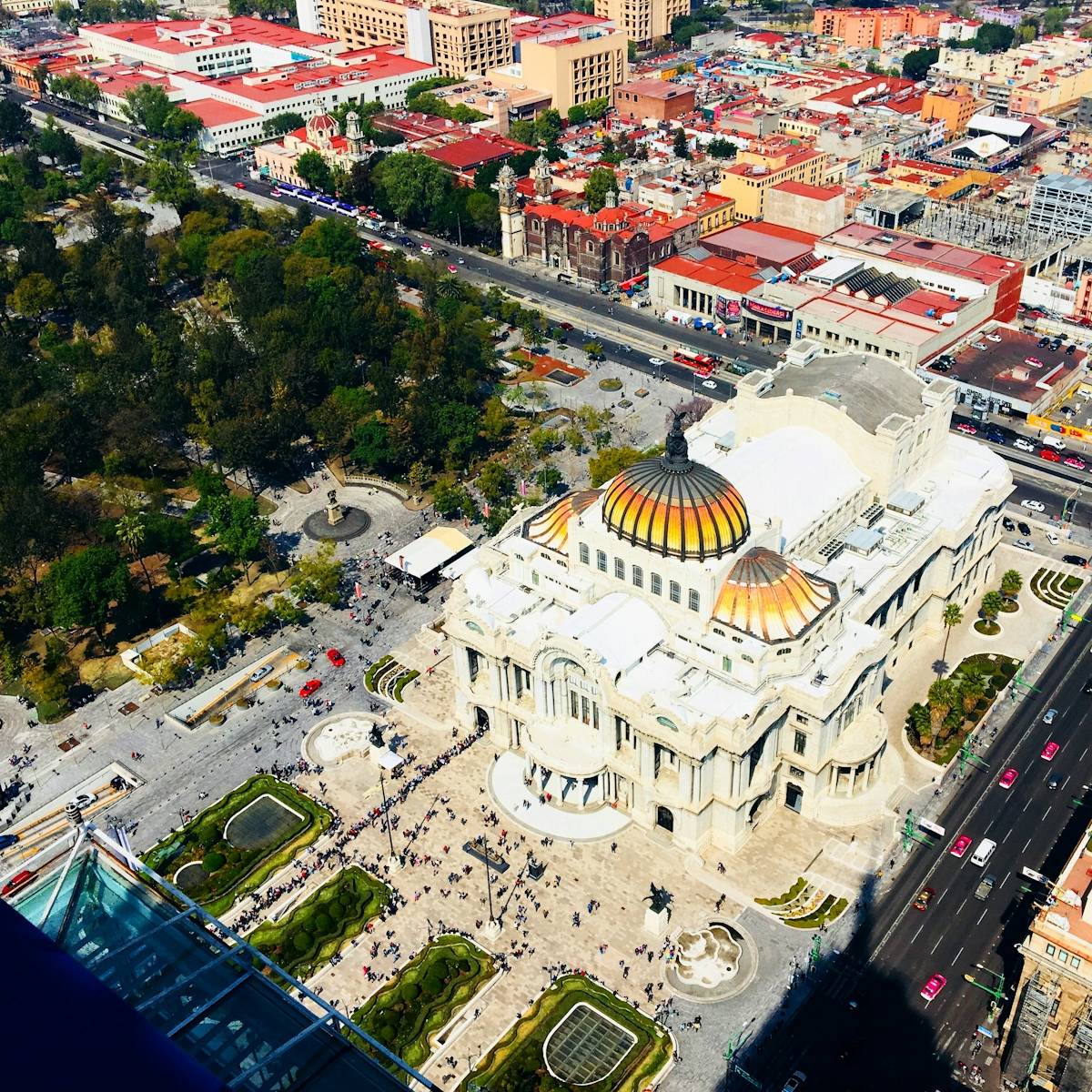
Mexico City — Food Guide
Food Guide

The Ultimate Mexico City Food Guide — What & Where to Eat

Mexico City Food Guide: Tacos, Mole, Mezcal & the World's Best Street Food Mexico City is arguably the greatest food city in the Western Hemisphere. UNESC...

🌎 Mexico City, MX 📖 8 min read 💰 Mid-range budget Updated Jul 2026

Mexico City Food Guide: Tacos, Mole, Mezcal & the World's Best Street Food

Mexico City is arguably the greatest food city in the Western Hemisphere. UNESCO agrees — Mexican cuisine is one of only three national food traditions recognized as Intangible Cultural Heritage. The city's 300,000+ food establishments range from MXN 15 taco stands to restaurants ranked among the world's top 50.

The secret is that the cheap food is often better than the expensive food. A MXN 15 taco from a street stand at midnight can be a more transcendent eating experience than a MXN 800 plate at a Polanco restaurant. This city democratizes greatness.

Mexican street taco stand at night with cook preparing tacos al pastor from vertical spit
Tacos al pastor — the trompo (vertical spit) is a telltale sign of quality. If the meat is pre-sliced rather than shaved to order, walk away.

The Essential Taco Pilgrimage

El Huequito — Tacos al Pastor Since 1959

El Huequito on Calle Ayuntamiento claims to have invented the taco al pastor in Mexico City. Whether or not that's true, their pastor is exceptional — thin-sliced pork marinated in achiote and dried chilies, shaved from the trompo with a slice of pineapple, served on small double tortillas. MXN 22 per taco. Order four or five. The green salsa is nuclear — proceed with caution.

Multiple locations exist, but the original downtown stand on Ayuntamiento retains the most character. Open from 9 AM until the trompo runs out, usually around 10 PM.

El Vilsito — The Mechanic Shop That Becomes a Taqueria

This might be Mexico City's most famous late-night taco spot. By day, El Vilsito at the corner of Petren and Augusto Rodin in Narvarte is a car mechanic's workshop. At 9 PM, the cars move out, plastic tables appear between the hydraulic lifts, and some of the city's best tacos al pastor emerge from a makeshift kitchen. MXN 18-22 per taco. Cash only. Open until 2 AM.

The surreal atmosphere — eating incredible tacos surrounded by tire irons and engine parts — is part of the appeal. Uber here, because the neighborhood is dark at night. This is a pilgrimage destination for food-obsessed travelers.

Tacos Orinoco — Chihuahua-Style Flour Tortilla Tacos

For something different from the standard corn tortilla taco, Tacos Orinoco in Roma Norte serves northern Mexican-style tacos on handmade flour tortillas. The chicharron prensado (pressed pork crackling braised in salsa) and carne asada are outstanding. MXN 45-65 per taco — pricier than street stands but worth every peso. The flour tortillas are made fresh every few minutes.

Beyond Tacos

Churros at El Moro

El Moro has been serving churros and hot chocolate on Eje Central since 1935. The churros are crispy, light, and dusted in sugar — four different chocolate dipping sauces range from Spanish-style thick to Mexican-style spiced. A churro plate with chocolate costs MXN 85-120 ($5-7). Open 24 hours at the original location.

The late-night crowd at 2 AM — couples, taxi drivers, club kids, families — is a cross-section of Mexico City's social fabric. El Moro is a democratic institution.

Mole

Mole is Mexico's most complex sauce — some recipes contain over 30 ingredients including multiple dried chilies, chocolate, nuts, seeds, and spices. The preparation takes days. Mole negro from Oaxaca and mole poblano from Puebla are the most famous varieties, but Mexico City restaurants serve moles from every state.

Azul Historico in the Centro Historico serves outstanding moles in a colonial courtyard setting — MXN 280-380 ($16-22) for mole plates. For budget mole, the Mercado de la Merced (the city's largest market) has fondas serving mole with chicken, rice, and tortillas for MXN 80-120 ($5-7).

Pozole

A hearty soup of hominy corn and pork (or chicken) in a rich broth, topped with shredded cabbage, radish, oregano, and lime. Pozole comes in three colors: rojo (red chili), verde (green tomatillo), and blanco (clear). Thursday is traditional pozole day in Mexico City — many restaurants offer it as a special.

Traditional Mexican mole sauce being poured over chicken with rice and tortillas
Mole — Mexico's most complex culinary achievement. Some versions take three days to prepare and use over 30 ingredients.

Mezcal: Mexico's Smoky Spirit

Mezcal has overtaken tequila as the spirit of choice in Mexico City's bar scene. Unlike tequila (which must be made from blue agave), mezcal can be made from over 30 agave varieties, each producing different flavors. The production process — roasting agave hearts in underground pits — gives mezcal its signature smoky character.

Mezcaleria La Clandestina in Condesa is an excellent introduction — flights of three mezcals for MXN 200-300 ($12-18) with knowledgeable bartenders who explain the differences between espadin, tobala, and madrecuixe varieties. Sip, don't shoot. Good mezcal is meant to be contemplated.

Boca del Rio on Calle Republica de Cuba in the Centro serves mezcal with worm salt (sal de gusano) and orange slices — the traditional Oaxacan pairing. A pour costs MXN 50-100 ($3-6) depending on the variety.

Markets: Where Real Mexico Eats

Mercado Roma

Roma Norte's gourmet market is Mexico City's answer to European food halls. Stalls sell artisanal tacos, craft beer, fresh oysters, Oaxacan chocolate, and Japanese-Mexican fusion. Prices are higher than street food — MXN 100-200 ($6-12) per dish — but the quality and variety are exceptional. The rooftop beer garden is a pleasant spot for afternoon drinks.

Mercado de la Merced

The city's largest traditional market is overwhelming and magnificent. Thousands of vendors sell everything from fresh produce to mole paste to live chickens. The food court fondas serve breakfast and lunch to market workers — plates of chilaquiles, barbacoa, and carnitas for MXN 50-90 ($3-5). Go hungry and eat your way through.

Mercado de Coyoacan

Smaller and more tourist-friendly than La Merced, Coyoacan's market has excellent tostadas — crunchy tortillas piled with ceviche, pata (pig's foot), or tinga. MXN 25-45 per tostada. The aguas frescas (fresh fruit drinks) in massive glass jars are Instagram-perfect and cost MXN 20-30.

Street Food Safety: The rule is simple — eat where locals eat. A busy stand with high turnover means fresh food. An empty stand means food has been sitting. Look for clean preparation areas and cooks who handle money separately from food. Mexico City locals eat street food daily without issue.

The Splurge List

Restaurant Known For Price Per Person
Contramar (Roma) Red-and-green grilled fish, tuna tostadas MXN 400-600 ($24-35)
Pujol (Polanco) Mole madre (two moles, 600 days apart) MXN 2,500-4,000 ($147-235)
Quintonil (Polanco) Modern Mexican with indigenous ingredients MXN 2,000-3,500 ($118-206)
Rosetta (Roma) Italian-Mexican with herb garden MXN 500-800 ($29-47)
El Cardenal (Centro) Traditional Mexican breakfast MXN 250-400 ($15-24)
Colorful Mexican market stall with fresh fruits and aguas frescas in large glass jars
Market aguas frescas — horchata, jamaica (hibiscus), and tamarindo for MXN 20-30 a cup. The ultimate Mexican refreshment.
Tipping in Mexico: Tips (propina) of 10-15% are standard at sit-down restaurants. Street food stands don't expect tips but won't refuse them. At taquerias with table service, 10% is normal. Pujol and similar fine dining expect 15-20%.

Where Locals Eat

The neighbourhoods of Colonia Roma and Colonia Condesa have become internationally celebrated for their restaurant scenes, but Mexico City's residents eat across the entire city — and the best meals are rarely in the most photographed spots. In Colonia del Valle, the working-class fondas around Mercado Medellín serve comida corrida — a three-course set lunch of soup, main course, and dessert with a drink for MXN 80-130 ($5-8). The dishes rotate daily based on what came in from market suppliers that morning: sopa de lima, arroz rojo, chiles rellenos, and always fresh tortillas made to order.

The Tepito barrio north of the Centro Histórico is not on most tourist itineraries, but Mercado de Tepito feeds tens of thousands of locals daily. The tlacoyo vendors along the outer aisles sell oval masa cakes stuffed with fava beans or black beans and topped with nopales, salsa verde, and crumbled cheese for MXN 15-20 each. Tlacoyos are one of Mexico City's oldest street foods — eaten by market workers for centuries before Instagram existed. Go with a local or at least in daylight; it is a neighbourhood that rewards respect and awareness.

In the south of the city, Colonia Coyoacán draws visitors for its Frida Kahlo connection, but residents come for the tortas. The torta stands along Higuera Street serve the Coyoacán version — bolillo rolls loaded with milanesa (breaded cutlet), avocado, jalapeños, and crema for MXN 65-90 ($4-5). Larger, messier, and better than most restaurant sandwiches costing four times the price. The Barbacoa El Güero stall near Viveros metro station opens only on weekends and draws lines of local families for consommé and slow-braised lamb tacos (MXN 20 each) — the kind of place with no address, no social media presence, and a 30-year reputation maintained entirely by word of mouth.

💡 The best indicator of a good comida corrida is a handwritten menu on a chalkboard and workers eating at plastic tables. If the menu is laminated with photos, you are in tourist territory. Set lunches between 1 PM and 4 PM are the most affordable and filling meals in Mexico City — this is when locals eat their main meal of the day.

For early mornings, the Mercado Jamaica in Colonia Jamaica (southeast of the Centro) is the city's flower and produce market, operational from 4 AM. By 6 AM, the food stalls in the interior corridors are serving atole (a warm masa-based drink), champurrado (chocolate atole), and tamales to market workers. A tamal de rajas con queso and a cup of champurrado costs MXN 30-40 ($2) and represents one of the most authentically Mexican breakfasts possible. The market is reachable by metro (Jamaica station, Line 9) and is safe during market hours.

Mexico City's food scene has no ceiling and no floor — you can eat brilliantly for MXN 100 or MXN 5,000, and both experiences can be life-changing. The city rewards curiosity and punishes timidity. Eat the taco from the stand that looks intimidating. Order the dish you can't pronounce. For more Mexican food exploration, head to Oaxaca — Mexico's culinary capital.

JC
JustCheckin Editorial Team
Researched, written, and verified by travel experts. Last updated Jul 07, 2026.
COMPLETE MEXICO CITY TRAVEL GUIDE

Everything you need for Mexico City

Daily Budget — Mexico City

Typical traveller costs · All figures in USD

🎒
$45
Budget/day
🏨
$110
Mid-range/day
$350
Luxury/day

💱 Mexican Peso (MXN) - 1 USD is approximately 17 MXN

Culture & Etiquette

👗
Dress Code
While Mexico City is generally modern and casual, it's respectful to dress modestly when visiting churches or more traditional neighborhoods. This means covering shoulders and knees. For everyday sightseeing, comfortable walking shoes are essential, and layers are recommended as temperatures can fluctuate throughout the day.
🤝
Local Customs
Greetings are important; a handshake is common, and close friends might hug or kiss on the cheek. 'Por favor' (please) and 'gracias' (thank you) go a long way. Punctuality is more relaxed than in some Western cultures, especially in social settings. Tipping is customary in restaurants (10-15%), for hotel staff, and tour guides.
⚠️
Watch Out For
Be aware of common scams like the 'overcharging taxi' (use official sitio taxis or ride-sharing apps), 'broken meter' (insist on the meter or agree on a price beforehand), 'distraction theft' (pickpockets working in pairs), and 'fake police' demanding money. Keep valuables secure and be wary of unsolicited help.
Dos & Don'ts
Do: Be polite and patient. Learn a few basic Spanish phrases. Be open to trying local food. Do not: Be loud or disruptive in public. Assume everyone speaks English. Take photos inside churches without permission. Haggle aggressively in formal shops (bargaining is more common in markets).
👩
Solo Female Safety
Mexico City is generally safe for solo female travelers, but standard precautions apply. Stick to well-lit, populated areas, especially at night. Avoid walking alone late at night in unfamiliar neighborhoods. Trust your instincts; if a situation feels uncomfortable, leave. Share your itinerary with someone back home. Use reputable transportation.
🏳️‍🌈
LGBTQ+ Notes
Mexico City is one of the most LGBTQ+-friendly cities in Latin America. Same-sex marriage is legal nationwide. The Zona Rosa is a well-known LGBTQ+ neighborhood with many bars, clubs, and cafes. While generally accepting, it's always wise to be aware of your surroundings, especially in less tourist-oriented areas.
📷
Photography
Photography is generally allowed in public spaces. However, avoid photographing military installations, government buildings, and people without their explicit permission. Inside churches, photography may be restricted or prohibited, especially during services. Always look for signage or ask if unsure.

Getting Around Mexico City

✈️
Airport Transfer
The most convenient way from Mexico City International Airport (MEX) to the city center is by authorized airport taxi, costing around 300-400 MXN for a one-way trip to most central areas. Alternatively, the Metro Line 5 connects directly to the airport, offering a much cheaper option at 5 MXN per ticket.
🚇
Public Transport
Mexico City boasts an extensive and affordable public transportation system, primarily consisting of the Metro (subway) and Metrobús (bus rapid transit). A single Metro ride costs 5 MXN, and Metrobús fares are also very low, making them excellent options for budget-conscious travelers.
📱
Taxi & Ride Apps
Uber and Didi are the most popular and reliable ride-sharing apps in Mexico City, offering competitive prices and the convenience of cashless payments. Always ensure the driver's name and car details match the app before starting your journey.
🛵
Rental Tips
Renting a car in Mexico City is generally not recommended due to heavy traffic, complex road systems, and parking challenges. If you do opt to rent, ensure you have an international driving permit and are comfortable navigating dense urban environments.
🗺️
Getting Around
Utilize apps like Google Maps or Citymapper for real-time navigation on public transport and walking routes. Be aware that traffic can be very heavy, especially during peak hours (7-10 AM and 5-8 PM), so factor in extra travel time for longer distances.

Frequently Asked Questions

It is generally not recommended for tourists to drink tap water in Mexico City. While locals may be accustomed to it, visitors can experience stomach upset. Stick to bottled water for drinking, brushing your teeth, and making ice cubes. Many restaurants will use purified water for ice, but it's always good to confirm if you're concerned.
For affordable data and calls, consider purchasing a local SIM card from providers like Telcel, AT&T Mexico, or Movistar. You can buy them at convenience stores (like Oxxo), official brand stores, or the airport. Telcel generally has the widest coverage. Look for prepaid tourist packages which are easy to activate.
Mexico City uses Type A and Type B electrical outlets, the same as in the United States and Canada. The standard voltage is 127V with a frequency of 60Hz. Most modern electronics (laptops, phone chargers) are dual-voltage and will work fine, but older appliances or hair dryers might require a voltage converter.
While many areas are lively and safe, it's best to exercise caution when walking at night. Stick to well-lit, populated areas, especially in tourist zones like Roma Norte, Condesa, or Polanco. Avoid walking alone in unfamiliar or poorly lit neighborhoods. Using ride-sharing apps or taxis is recommended for getting around after dark.
Bargaining is common and expected in traditional markets (mercados) and with street vendors. However, it is not practiced in established shops, department stores, restaurants, or hotels. For markets, start by offering about 50-70% of the initial asking price and negotiate respectfully from there.
Tipping is customary. In restaurants, tip around 10-15% for good service (check if a service charge is already included). Tip hotel bellhops and housekeeping staff a small amount (e.g., 20-50 pesos). Tour guides and drivers also appreciate tips. It's a way to show appreciation for good service.
Ride-sharing apps like Uber and Didi are widely available and generally safe and convenient. For taxis, it's best to use authorized 'sitio' taxis or hail them from official stands. Avoid hailing random taxis on the street, especially at night. Always confirm the fare or ensure the meter is running.
Be aware of common scams like the 'wrong change' scam (where a cashier shortchanges you), the 'broken taxi meter' scam (where the driver inflates the fare), or overly friendly strangers offering unsolicited help or tours. Trust your instincts and be polite but firm if you feel uncomfortable.
Mexico City has an extensive public transportation system. The Metro is very efficient and affordable for covering long distances. For shorter trips or areas not well-served by the Metro, consider Metrobús (bus rapid transit), local buses, or ride-sharing apps. Walking is also a great way to explore specific neighborhoods.
Knowing a few basic phrases can greatly enhance your experience. Essential phrases include: 'Hola' (Hello), 'Adiós' (Goodbye), 'Por favor' (Please), 'Gracias' (Thank you), 'De nada' (You're welcome), 'Cuánto cuesta?' (How much does it cost?), 'Dónde está el baño?' (Where is the bathroom?), and 'No entiendo' (I don't understand).
✨ Jiai — Travel AI Open Full →
Hi! I'm **Jiai**. Ask me about hotels, flights, activities or budgets for any destination.
✈️

You're on a roll!

Enter your email for unlimited Jiai access + personalised travel deals.

No spam. Unsubscribe anytime.