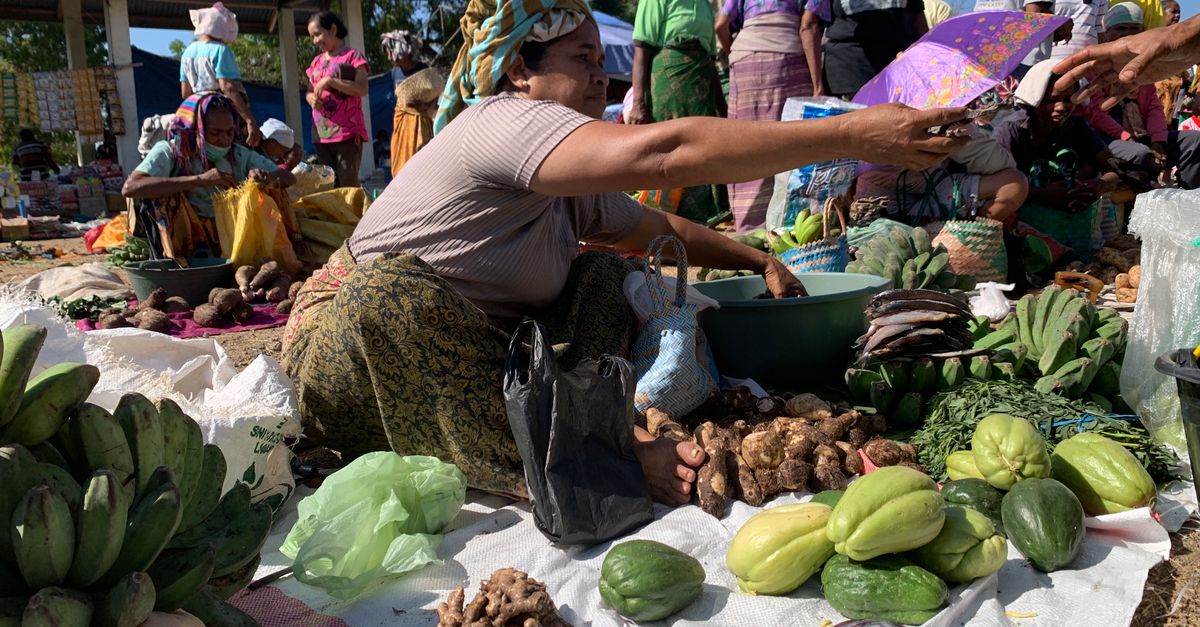
Food in Madagascar is social currency, cultural identity, and daily ritual compressed into every plate. The locals organize their days around eating, and this priority shows in the quality available at every price point.
The culinary influences are complex and layered — geography, history, immigration, and climate have all contributed to a cuisine that is simultaneously rooted and cosmopolitan. For food-focused travelers, Madagascar offers something increasingly rare: authenticity without pretension.
This guide is your map to eating well — the essential dishes, the specific places, and the practical wisdom that separates a satisfying meal from a transformative one.

Must-Try Dishes in Madagascar
1. Romazava stew
The dish that defines Madagascar's culinary identity — the one locals argue about and visitors remember long after leaving. The best versions deliver a depth of flavor suggesting hours of preparation in each bite, with contrast between crispy and soft, rich and bright. The preparation varies from place to place, but consistency of quality across the city speaks to how seriously this dish is taken. Expect to pay MGA 8,000. Order this on your first day as a benchmark for every version you encounter afterward.
2. Ravitoto pork and greens
Deceptively simple. The ingredients are straightforward, but the technique to balance them perfectly is not. The best versions achieve that rare quality where every element is individually identifiable yet inseparable from the whole. Street vendors often outperform restaurants because repetition-honed skill produces consistency no recipe guarantees. Expect to pay MGA 6,000. Ask locals where their favorite version is served and follow their directions without hesitation.
3. Mofo gasy rice cakes
Comfort food elevated to culinary art. Bold flavors without aggression, generous portions without excess. Rooted in home cooking that grandmothers perfected and street vendors democratized by making it available to anyone with a few coins and an appetite. The satisfaction is both immediate and lasting. Expect to pay MGA 500. Pairs exceptionally well with local beverages, creating a combination greater than the sum of its parts.
4. Zebu steak
A dish that divides first-time visitors — some love it immediately, others need a second attempt before the flavors register correctly on a palate calibrated to different cuisines. By the third bite, most are converts. The seasoning achieves an intensity that Western cooking rarely approaches, using ingredients commonplace here but exotic elsewhere. Expect to pay MGA 15,000. Trust the dish. It survived centuries of culinary evolution because it works.
5. Koba banana dessert
The dish you will crave three months after leaving Madagascar. It has that addictive quality — a combination of flavor, texture, and memory that lodges in your subconscious. The local version is impossible to replicate at home — the technique, heat source, and atmosphere all contribute something no kitchen can reproduce. Expect to pay MGA 2,000. Eat it more than once during your stay. You will be glad you did.
6. Lasary pickled mango
Every family in Madagascar has their own variation. The street version tends to be more robust and unapologetically seasoned than restaurant interpretations, which are often smoothed out for broader palates. Both are valid, but the street version is the one to try first — it gives you the unfiltered flavor profile that defines the dish in its most honest form. Expect to pay MGA 1,000. The aroma alone is worth the trip across town.
7. Vary amin-anana greens rice
A dish that rewards patience. The slow transformation of simple ingredients into something complex and deeply satisfying cannot be rushed. When it arrives, the color should be rich and inviting, the surface properly charred or glossed, and the aroma should make you lean in involuntarily. This is food that takes itself seriously. Expect to pay MGA 5,000. Order it at the most traditional-looking establishment you can find.
8. Three Horses Beer
What locals order when they want to treat themselves — not because it is expensive, but because it represents the pinnacle of local tradition. Requires fresh, high-quality ingredients and careful preparation. A rushed version is immediately recognizable and deeply disappointing. When made right — and in Madagascar, it usually is — it justifies an entire trip. Expect to pay MGA 3,000. Ask your server which version they personally prefer.

Where to Eat in Madagascar
Analakely Market food stalls
Analakely Market food stalls is the epicenter of Madagascar's food culture — tourists and locals overlap in productive chaos, and quality ranges from good to extraordinary. Walk the entire area before committing, and eat where the local queue is longest. Prices are fair, portions generous. Most spots open from late morning through late evening, with peak energy at lunchtime and after sunset. Come twice if your schedule allows — daytime and nighttime experiences are meaningfully different.
Haute Ville restaurants
The food at Haute Ville restaurants reflects Madagascar's identity in concentrated form — local flavors, traditional preparation, prices calibrated for regulars rather than one-time visitors. The best places have operated for years, sometimes decades, with menus refined through daily judgment by people who know exactly what each dish should taste like. Sit at the counter if possible — watching the preparation is half the experience, and cooks tend to be more generous with portions when they see genuine interest.
Isoraka neighborhood cafes
Isoraka neighborhood cafes represents the evolving face of Madagascar's food scene — traditional recipes alongside contemporary interpretations, veteran cooks beside young chefs, honoring the past without being imprisoned by it. The atmosphere is energetic, the crowd a mix of food-savvy locals and informed travelers. Prices are slightly higher than pure street food but quality justifies the premium. Reservations recommended for dinner at popular spots, but lunch is usually walk-in friendly.
Food Tips for Madagascar
Dietary Considerations
Vegetarian options exist throughout Madagascar, though not always labeled. Ask directly — most kitchens accommodate requests. For allergies, carry a written card in the local language stating your restrictions.
Food Safety
Eat where turnover is high, cooking is visible, and locals are eating. Cooked food from busy stalls is almost universally safe. Bottled water recommended. Raw preparations require more caution in warmer months.
Tipping & Payment
Check whether service is included at restaurants before tipping. Cash remains king at smaller establishments — carry small denominations. Credit cards work at most restaurants but rarely at market stalls.
Sweet Treats & Desserts
Madagascar's sweet food tradition draws on the island's extraordinary natural pantry — vanilla, coconut, tropical fruit, and sugarcane that grows in abundance across the highlands and coastal plains. The island produces a significant share of the world's natural vanilla, yet most travellers leave without tasting it in anything more meaningful than a hotel breakfast yoghurt. That is a serious oversight.
Koba is the dessert that most clearly belongs to Madagascar and nowhere else. Ground peanuts and sugar are bound with banana, wrapped in banana leaf, and steamed or grilled until the exterior caramelises and the interior becomes dense and fudgy. Sold by street vendors throughout Antananarivo and along the RN7 highway south, a koba log costs MGA 1,000-2,000 and is filling enough to replace a light meal. The texture sits somewhere between halva and a very dense brownie.
Mofo gasy, the rice-flour pancakes cooked over charcoal in cast-iron molds each morning, serve as both breakfast and dessert depending on how they are dressed. Plain versions are mildly sweet; vendors near Analakely Market sell them with condensed milk or coconut cream drizzled on top for MGA 300-500 per piece. Buy four or five and eat them warm — they turn stodgy once they cool.
Ramanonaka, a deep-fried dough similar to beignets, appears at every market and roadside stop. The Malagasy version is scented with vanilla — genuine Malagasy vanilla, not imitation — and the difference from the synthetic version is immediately apparent. A bag of five costs MGA 1,000 and pairs naturally with the thick, sweet coffee sold at roadside stalls.
For those willing to seek out a proper dessert menu, the patisseries around Isoraka in Antananarivo serve Franco-Malagasy sweets — vanilla custard tarts, coconut financiers, and fruit tarts using local lychees, starfruit, and papaya. Prices run MGA 3,000-6,000 per piece. The French colonial influence is nowhere more pleasant than in these small patisseries, where strong espresso and flaky pastry converge in properly European style.
Three Horses Beer (Bière Three Horses, or THB) is technically a lager rather than a dessert, but it plays the role of sweet relief after spicy Malagasy food with more conviction than any pudding could manage. Brewed in Antsirabe using highland water, it costs MGA 3,000-5,000 at a restaurant and is cold, clean, and perfectly calibrated to the island's heat.
Heading to East Africa? Read our Dar es Salaam 3-Day Itinerary for more food adventures.