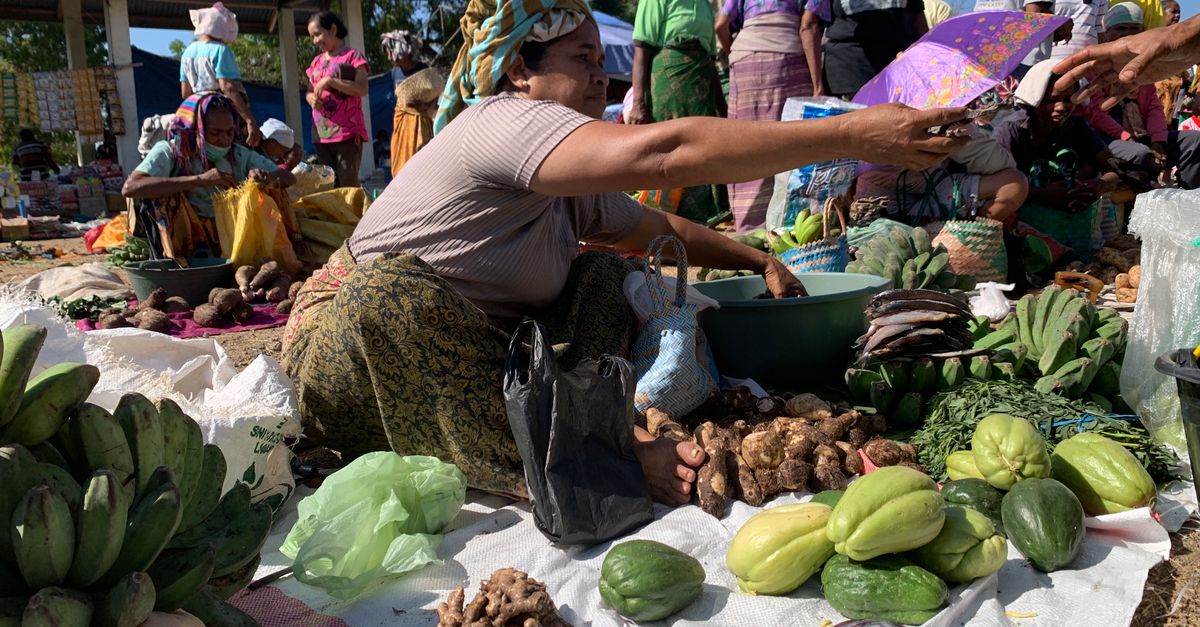
Madagascar exceeds expectations even when expectations are high. What images cannot convey is the texture — the way air feels on your skin at dusk, the aroma that greets you in the central market, conversations flowing in rhythms that belong only to this place.
This itinerary balances the must-see landmarks with quieter neighborhoods where the city's true character emerges. Eat everything, walk everywhere, and talk to strangers. The city rewards curiosity with generosity.
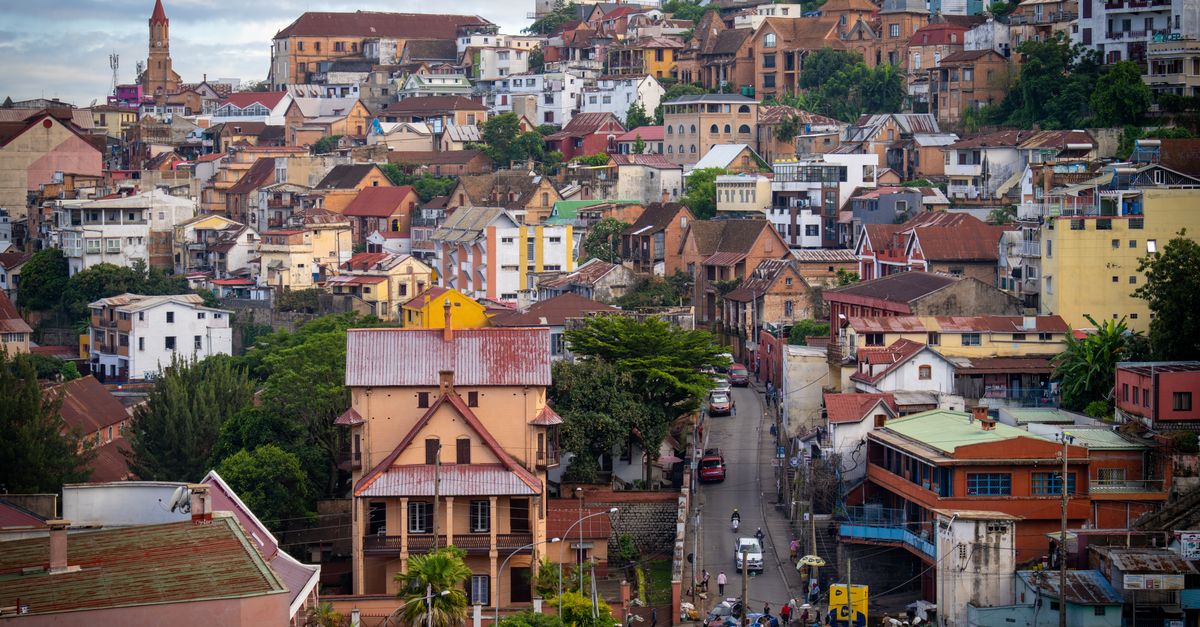
Antananarivo City Tour
Morning (8:00 AM) — Rova of Antananarivo royal palace: The atmosphere builds gradually as you explore — from initial orientation to genuine immersion. Allow at least an hour, more if you read every plaque and peer around every corner. The surrounding streets offer good cafes for a post-visit debrief over coffee or a cold drink. Check opening hours in advance as seasonal schedules vary.
Mid-Morning (10:30 AM) — Analakely Market walk: This is one of Madagascar's defining experiences — photographs cannot fully convey the combination of visual impact and cultural significance. Spend at least 45 minutes here, preferably in the morning when the light is best and crowds are manageable. The views from elevated sections reward the climb, offering a perspective that reframes the city's layout.
Afternoon (1:00 PM) — Lake Anosy promenade: Arrive early — by midday the tour groups arrive in force. The atmosphere is best appreciated at a slow pace, with stops to absorb details that reveal themselves only to those paying attention. A local guide can unlock layers of meaning invisible to the uninstructed eye. Budget at least an hour and resist the urge to rush.
Late Afternoon (3:30 PM) — Haute Ville historic quarter: The combination of natural beauty and human history here creates an experience on multiple levels. First-time visitors often focus on the photogenic elements, but the deeper reward comes from understanding why this place exists and what it means to the people who live here. Take your time — the place is not going anywhere.
Evening (6:00 PM) — Pirate Museum visit: What makes this stop essential is how it connects to Madagascar's larger story — a narrative of decisions, ambitions, and compromises that explain why the city looks and feels the way it does. Experiencing it in person adds a dimension that reading about it cannot replicate.
Ambohimanga & Lemurs Park
Morning (8:00 AM) — Royal Hill of Ambohimanga UNESCO: The atmosphere builds gradually as you explore — from initial orientation to genuine immersion. Allow at least an hour, more if you read every plaque and peer around every corner. The surrounding streets offer good cafes for a post-visit debrief over coffee or a cold drink. Check opening hours in advance as seasonal schedules vary.
Mid-Morning (10:30 AM) — Lemurs Park sanctuary: This is one of Madagascar's defining experiences — photographs cannot fully convey the combination of visual impact and cultural significance. Spend at least 45 minutes here, preferably in the morning when the light is best and crowds are manageable. The views from elevated sections reward the climb, offering a perspective that reframes the city's layout.
Afternoon (1:00 PM) — Local village visit: Arrive early — by midday the tour groups arrive in force. The atmosphere is best appreciated at a slow pace, with stops to absorb details that reveal themselves only to those paying attention. A local guide can unlock layers of meaning invisible to the uninstructed eye. Budget at least an hour and resist the urge to rush.
Late Afternoon (3:30 PM) — Return to Antananarivo: The combination of natural beauty and human history here creates an experience on multiple levels. First-time visitors often focus on the photogenic elements, but the deeper reward comes from understanding why this place exists and what it means to the people who live here. Take your time — the place is not going anywhere.
Andasibe Day Trip
Morning (8:00 AM) — Drive to Andasibe-Mantadia: The atmosphere builds gradually as you explore — from initial orientation to genuine immersion. Allow at least an hour, more if you read every plaque and peer around every corner. The surrounding streets offer good cafes for a post-visit debrief over coffee or a cold drink. Check opening hours in advance as seasonal schedules vary.
Mid-Morning (10:30 AM) — Indri lemur spotting: This is one of Madagascar's defining experiences — photographs cannot fully convey the combination of visual impact and cultural significance. Spend at least 45 minutes here, preferably in the morning when the light is best and crowds are manageable. The views from elevated sections reward the climb, offering a perspective that reframes the city's layout.
Afternoon (1:00 PM) — Rainforest night walk: Arrive early — by midday the tour groups arrive in force. The atmosphere is best appreciated at a slow pace, with stops to absorb details that reveal themselves only to those paying attention. A local guide can unlock layers of meaning invisible to the uninstructed eye. Budget at least an hour and resist the urge to rush.
Late Afternoon (3:30 PM) — Return to Antananarivo: The combination of natural beauty and human history here creates an experience on multiple levels. First-time visitors often focus on the photogenic elements, but the deeper reward comes from understanding why this place exists and what it means to the people who live here. Take your time — the place is not going anywhere.

Budget Breakdown (Per Person, 3 Days)
| Category | Budget | Mid-Range | Luxury |
|---|---|---|---|
| Accommodation (3 nights) | MGA 150,000 | MGA 450,000 | MGA 1,500,000 |
| Food & Drinks | MGA 60,000 | MGA 150,000 | MGA 450,000 |
| Transport | MGA 40,000 | MGA 100,000 | MGA 300,000 |
| Activities | MGA 60,000 | MGA 150,000 | MGA 500,000 |
| Total | MGA 310,000 | MGA 850,000 | MGA 2,750,000 |
Practical Tips for Madagascar
Getting Around
Taxi-brousse, tuk-tuks, local taxis covers most of Madagascar. Combine public transport for longer distances with walking for neighborhoods. Download offline maps before arriving. Multi-day transit passes almost always offer better value than single tickets.
When to Visit
Visit Madagascar during April-October for comfortable walking weather and accessible outdoor attractions. Shoulder seasons bring fewer crowds and lower prices.
Local Culture & Etiquette
Madagascar's cultural framework is governed by a system of ancestral beliefs and social codes called fady — taboos that vary by region, community, and family lineage and carry genuine social weight. Understanding even the basics of fady prevents inadvertent offence and opens doors to conversations that purely transactional tourism never reaches. In the highlands around Antananarivo, common fady include not pointing at tombs with your finger (use a closed fist), not eating certain foods on specific days of the week, and avoiding walking over someone's shadow. Ask your guide or guesthouse host which fady are locally relevant before venturing into villages — the question itself demonstrates respect and is always appreciated.
The Malagasy language is the first language of virtually the entire population, with French serving as the administrative and educated second language (a colonial legacy of the French protectorate from 1896 to 1960). Younger Malagasy in Antananarivo often speak serviceable English, particularly those working in tourism and hospitality. Learning even a handful of Malagasy phrases earns extraordinary warmth: "Manao ahoana" (hello), "Misaotra" (thank you), "Azafady" (excuse me / please), and "Salama" (a casual greeting). These are not difficult to pronounce and their use signals genuine interest rather than transactional extraction.
The famadihana ceremony — the turning of the bones — is Madagascar's most distinctive cultural practice and one of the most misunderstood. Held by Merina and Betsileo communities roughly every five to seven years, it involves exhuming ancestral remains, re-wrapping them in fresh shrouds, and celebrating with music, dancing, and feasting. It is a joyful event, not a morbid one — an affirmation of the connection between the living and the dead that underlies Malagasy spiritual life. Foreigners are sometimes invited, particularly through local connections. If invited, accept: bring a gift of rum (toaka gasy, the local spirit, costs around MGA 5,000) and dress modestly in light colours. Photography requires explicit permission from the family elder.
Time in Madagascar operates on mora mora — the local concept of unhurriedness that translates approximately as "slowly, slowly." Schedules are flexible, buses depart when full rather than on time, and meals arrive when they are ready. Expressing impatience or demanding punctuality Western-style causes embarrassment and achieves nothing. Budget extra time for every journey and treat delays as opportunities for conversation. The taxi-brousse (bush taxis) that connect Antananarivo to outlying towns such as Andasibe (140 km, MGA 10,000–15,000) depart from the Fasan'ny Karana station and leave when every seat is filled — typically every 60–90 minutes. They are cheap, sociable, and entirely unreliable by clock.
Bargaining is expected at Analakely Market and with independent taxi drivers, but the margin should be moderate — 20–30% off an opening price is reasonable, and grinding a vendor down past that point generates resentment rather than satisfaction. The ariary (MGA) is the local currency; as of 2025, approximately MGA 4,500 equals one US dollar. USD and euros are accepted at hotels and some tour operators. ATMs in Antananarivo (BMOI, BNI banks on Avenue de l'Indépendance) dispense ariary reliably; rural areas are almost entirely cash-only.
Heading to East Africa? Read our Dar es Salaam 3-Day Itinerary for your next adventure.