Cancun Food Guide: Tacos, Ceviche & Yucatecan Flavors
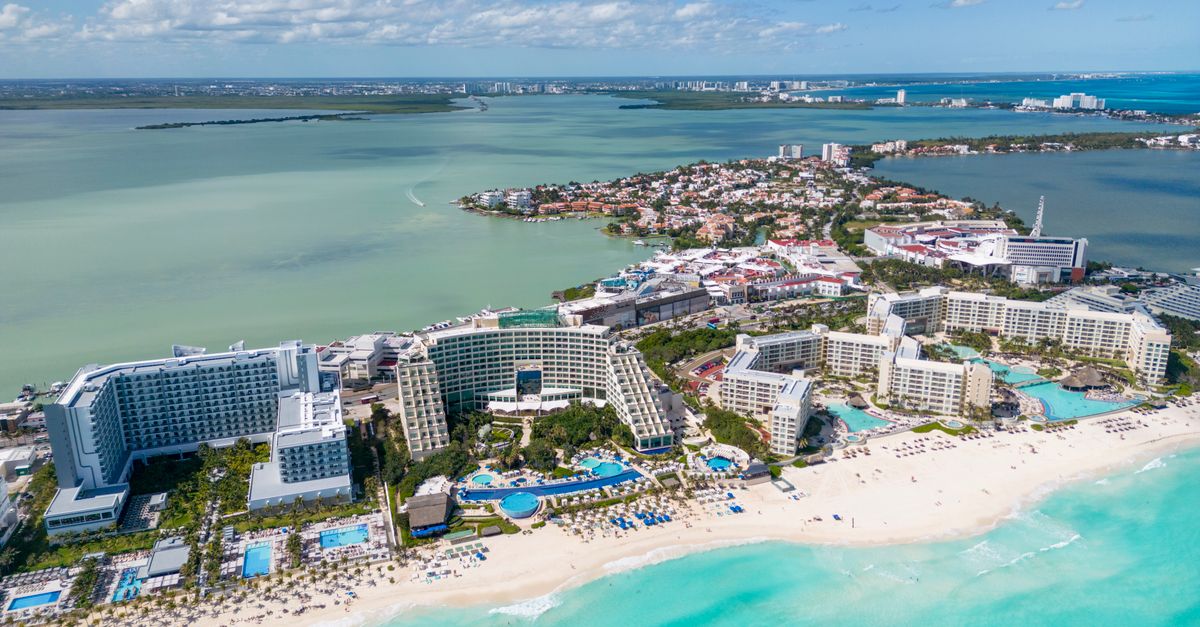
Cancun's food scene has a split personality. The Hotel Zone serves international cuisine at resort prices — fine for a splurge, but not where you'll find the soul of Mexican cooking. That lives downtown, in the taco stands of Parque de las Palapas, the market stalls of Mercado 28, and the family-run restaurants where menus are handwritten and portions are enormous.
Yucatecan cuisine is distinct from the rest of Mexico. Centuries of Mayan influence plus isolation from central Mexico created flavors you won't find in Mexico City — habanero-spiked salsas, achiote-rubbed meats, and dishes cooked underground in banana leaves.

The Essential Dishes
Tacos al Pastor
The king of Mexican street food. Thin-sliced pork marinated in achiote and dried chilies, stacked on a vertical spit (trompo), and shaved onto small corn tortillas with pineapple, cilantro, and onion. The technique arrived with Lebanese immigrants in the early 20th century — Mexico's answer to shawarma, and arguably an improvement.
Downtown, Tacos Rigo on Avenida Tulum serves them from a massive trompo until the meat runs out (usually by 10 PM). Four tacos and a horchata costs MXN 100 ($6). In the Hotel Zone, Tacos y Mariscos El Pariente at km 3.5 is the rare exception — excellent pastor at slightly higher prices, MXN 25-35 per taco.
Ceviche
Cancun's Caribbean location means the ceviche is exceptional. Raw fish (usually sierra or mero) cured in lime juice, mixed with tomato, onion, cilantro, habanero, and avocado. Unlike Peruvian ceviche, the Yucatecan version is juicier, more tomato-forward, and always comes with tostadas.
Cevicheria La Playita downtown serves generous portions for MXN 120-180 ($7-11). The shrimp cocktail (coctel de camaron) is another must — a tall glass of shrimp in tomato-lime broth with avocado, served with saltine crackers. Fresh, spicy, and perfect in the heat.
Cochinita Pibil
The signature dish of the Yucatan Peninsula. Pork marinated in achiote paste and bitter orange juice, wrapped in banana leaves, and slow-cooked in a pit oven (pib) for 8-12 hours until it falls apart. Served on tortillas or tortas with pickled red onion (cebolla morada) that glows electric pink from habanero soaking.
La Habichuela Sunset in the Hotel Zone does an upscale version (MXN 320 / $19), but the best cochinita comes from morning market stalls downtown. Cochinita tortas at Loncheria El Pocito near Mercado 23 cost MXN 45-65 ($3-4) and sell out by noon.
Poc Chuc
Thinly pounded pork marinated in sour orange and grilled over charcoal, topped with pickled onions and served with black beans and tortillas. Less famous than cochinita pibil but equally loved in the Yucatan. Look for it at family restaurants downtown — MXN 130-180 ($8-11) with sides.
Papadzules
An ancient Mayan dish — corn tortillas dipped in a rich pumpkin seed sauce, filled with chopped hard-boiled eggs, and topped with tomato salsa and more pumpkin seed oil. Vegetarian by tradition, beautiful in its simplicity. Restaurants on the main plaza downtown serve them for MXN 90-140 ($5-8).
Where to Eat
Parque de las Palapas
Downtown Cancun's central plaza transforms into an open-air food court every evening. Dozens of carts and stalls set up around the park selling tacos, marquesitas (crispy crepes with Edam cheese and Nutella), elotes (grilled corn with mayo, chili, and lime), and fresh juices. This is where cancunenses eat dinner.
Nothing here costs more than MXN 60 ($4). A full dinner — four tacos al pastor, an elote, and a marquesita for dessert — runs MXN 120-150 ($7-9). The atmosphere is families with kids, couples on dates, and elderly men playing dominos under the palm-thatched palapas.

Mercado 28
The tourist market is a maze of handicraft stalls, but the food court in the center serves legitimate Yucatecan cuisine. Stalls compete for your attention — choose whichever is busiest with locals. Sopa de lima (lime soup with shredded chicken and fried tortilla strips) for MXN 80 ($5) is the essential order.
Haggling for food prices isn't normal here — the prices posted are fair. A full meal of sopa de lima, poc chuc, and a cerveza runs MXN 200-280 ($12-16). The cooks are Yucatecan grandmothers who've been feeding tourists and locals from the same stalls for decades.
Mercado 23
This is the local market that tourists rarely find. No souvenirs, just produce, butchers, spice vendors, and a handful of food stalls serving breakfast and lunch to market workers. The tortas here are legendary — overstuffed with cochinita pibil, milanesa, or pierna for MXN 40-65 ($2-4). Open mornings only; most stalls close by 2 PM.
Hotel Zone Dining Worth the Splurge
Lorenzillo's at km 10.5 is Cancun's famous lobster house — live Caribbean lobster by weight, roughly MXN 900-1,400 ($53-82) per person for a full lobster dinner with sides and wine. The lagoon setting at sunset justifies the price.
Puerto Madero at La Isla Shopping Village offers contemporary Mexican seafood with waterfront tables. Their aguachile (raw shrimp in a blazing chili-lime sauce) is excellent at MXN 280 ($16). Dinner for two with drinks averages MXN 1,200-1,800 ($70-106).
Drinks
Micheladas
Beer mixed with lime juice, assorted sauces (Worcestershire, Maggi, hot sauce), and rimmed with chamoy and chili salt. In Cancun, they come in enormous glasses with shrimp, ceviche, or clamato added. Beach bars in Isla Mujeres and the Hotel Zone charge MXN 120-180 ($7-11). Downtown spots charge MXN 60-90 ($4-5).
Xtabentun
A Yucatecan anise liqueur made with honey from bees that feed on xtabentun flowers. Sweet, aromatic, and served over ice or in coffee. Not widely available outside the peninsula — pick up a bottle at a supermarket (MXN 120-200 / $7-12) or try it at upscale restaurants.
Budget Eating Strategy
| Meal | Downtown Price | Hotel Zone Price |
|---|---|---|
| Tacos al Pastor (4) | MXN 60-80 ($4-5) | MXN 140-200 ($8-12) |
| Ceviche tostadas (3) | MXN 90-120 ($5-7) | MXN 200-300 ($12-18) |
| Cochinita pibil torta | MXN 45-65 ($3-4) | MXN 150-220 ($9-13) |
| Full sit-down dinner | MXN 150-250 ($9-15) | MXN 400-800 ($24-47) |
| Beer (cerveza) | MXN 25-40 ($1.50-2.50) | MXN 80-150 ($5-9) |

Cancun's food scene rewards those who venture beyond the resort buffet. The real flavors are in the markets, the taco stands, and the Yucatecan restaurants where menus haven't been translated to English. Eat where the locals eat, and you'll understand why Mexican cuisine earned UNESCO heritage status. For more regional flavors, explore Merida's food scene, two hours west in the Yucatan heartland.
Sweet Treats & Desserts
Cancun's dessert culture draws on Yucatecan, Mexican, and Caribbean traditions to produce sweets that are unlike anything in the rest of the country. The most distinctive is the marquesita — a paper-thin crepe made on a special cylindrical iron, rolled while hot around fillings of Edam cheese (queso de bola) and your choice of add-ins: Nutella, cajeta (caramel), strawberry jam, or condensed milk. The combination of salty aged cheese and sweet filling sounds wrong; it is absolutely correct. Stalls at Parque de las Palapas charge MXN 40-65 ($2.50-4) and operate from late afternoon until midnight.
Dulces Yucatecos — traditional Yucatecan candies — are sold in small shops around Mercado 28. Look for mazapán de pepita (pumpkin seed marzipan), cocadas (coconut sweets in various colours packed with sugar and dried fruit), and papaya en almíbar (slices of green papaya preserved in cinnamon syrup). La Casa de los Dulces on Tulum Avenue stocks the full range; a mixed box costs MXN 80-150 ($5-9) and makes a far more interesting souvenir than a sombrero.
Paletas — Mexican ice pops sold from wheeled carts called paleteros — are unavoidable in Cancun's heat and unambiguously excellent. Unlike American popsicles, paletas are made with real fruit: watermelon with chili salt, tamarind with lime, fresh mango and chamoy, or creamy coconut milk. Prices run MXN 15-30 ($1-2). The tamarind-chili combination is distinctly Yucatecan and worth trying even if the flavour profile sounds confronting.
For something more substantial, tres leches cake served at family restaurants downtown is dense with evaporated milk, condensed milk, and heavy cream soaked through a soft sponge base. A generous slice at a sit-down restaurant costs MXN 50-80 ($3-5) and comes with a cloud of whipped cream on top. The Hotel Zone versions charge three times as much for an inferior product — this is one case where downtown is unquestionably better on every metric.
Finish any meal with café de olla — Mexican coffee brewed in a clay pot with cinnamon, piloncillo (raw cane sugar), and cloves. Downtown restaurants serve it for MXN 30-50 ($2-3) in a traditional clay mug. It is spiced, slightly sweet, and the perfect counter to the habanero heat that defines Yucatecan cooking.