Cancun Hidden Gems: 5 Places Beyond the Hotel Zone
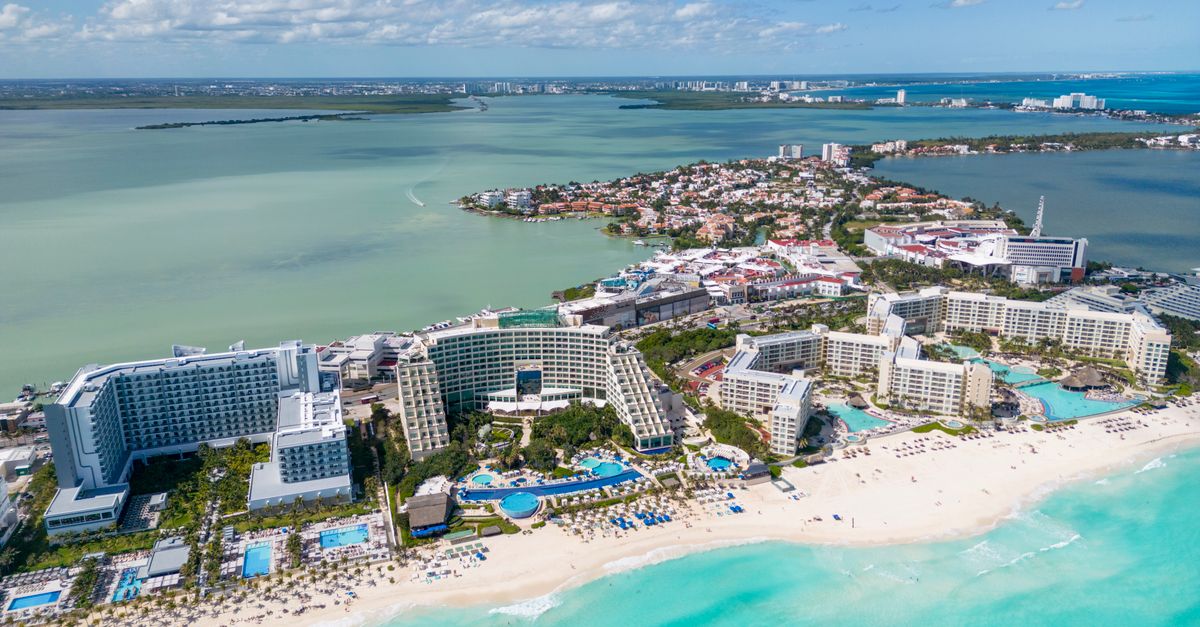
Cancun's Hotel Zone absorbs most visitors like a comfortable trap — beautiful, convenient, and completely detached from the world beyond. But some of the Yucatan Peninsula's most extraordinary experiences sit within a 90-minute radius, visited by a fraction of the tourists who flock to the resorts.
These five destinations range from a quiet fishing village to a biosphere reserve that sees more jaguars than tourists. Each is accessible as a day trip from Cancun, and each will redefine what you thought the Mexican Caribbean was about.
Puerto Morelos: The Anti-Cancun
Just 35 minutes south of the Hotel Zone, Puerto Morelos is what Cancun was 40 years ago — a small fishing village on a Caribbean beach with a leaning lighthouse, a central plaza, and zero nightclubs. The village sits directly on the Mesoamerican Barrier Reef, the second-largest reef system in the world.
Snorkeling here is world-class and costs a fraction of Cancun prices. Local boat operators on the beach offer 90-minute reef tours for MXN 500-700 ($29-41) per person, with equipment included. The reef is 500 meters offshore and supports sea turtles, rays, and nurse sharks in water so clear you can see 30 meters down.

The central plaza has excellent restaurants at local prices. El Pesquero serves the freshest ceviche on the coast (MXN 130-180 / $8-11) because the fishing boats dock 50 meters away. The bookstore on the plaza, Alma Libre, is a legendary used bookshop run by expats with thousands of titles in multiple languages.
Getting there: ADO bus from Cancun downtown terminal (MXN 35, 30 minutes) or colectivo from the corner of Tulum and Uxmal (MXN 25). A taxi costs MXN 400-600.
Cenote Suytun: The Underground Cathedral
The Yucatan Peninsula sits on a limestone shelf riddled with thousands of cenotes — natural sinkholes where the roof of an underground river system has collapsed, exposing crystal-clear freshwater pools. Cenote Suytun, near Valladolid (2 hours from Cancun), is among the most dramatic.
You descend stone stairs into a circular cavern where a single beam of sunlight pierces the dome and strikes a circular stone platform in the center of the pool. The water is turquoise, the stalactites hang like chandeliers, and the silence is absolute. Entry costs MXN 150 ($9). Life jackets are mandatory and free.
The cenote is less crowded than the famous Cenote Ik Kil near Chichen Itza, especially on weekday mornings. Arrive between 10 AM and noon when the sun angle sends the light beam directly onto the central platform — the effect is otherworldly. Photography is allowed but tripods are restricted.
Combine with a visit to Valladolid itself — a colonial city with pastel buildings, Cenote Zaci (MXN 30 / $2) right in the town center, and Yucatecan restaurants on the main plaza serving sopa de lima and poc chuc for MXN 80-130 ($5-8). Getting there: ADO bus to Valladolid (MXN 200-340 / $12-20, 2 hours), then taxi to the cenote (MXN 100).
Isla Contoy: Mexico's Galapagos
Isla Contoy is an uninhabited island 30 km north of Isla Mujeres, protected as a national park since 1961. Only 200 visitors per day are allowed, and the island has zero permanent structures except a small ranger station and a two-story observation tower. This is raw Caribbean nature — no bars, no vendors, no music.
The island is a critical nesting site for frigatebirds, brown pelicans, cormorants, and four species of sea turtle. The surrounding water is crystal-clear over white sand — the snorkeling rivals anything in the Caribbean. Ixlache reef, on the approach to the island, is a protected coral garden teeming with tropical fish.
Tours depart from Isla Mujeres or Cancun and cost MXN 2,500-3,500 ($147-206) per person including the MXN 400 park fee, snorkeling equipment, lunch (fresh ceviche prepared on the beach), and guide. The price is steep but the experience is unmatchable — you're swimming in water that 99% of Cancun visitors never reach.
Sian Ka'an Biosphere Reserve: Where the Jungle Meets the Sea
Sian Ka'an is a UNESCO World Heritage Site covering 5,280 square kilometers of tropical forest, wetlands, mangroves, and Caribbean coast south of Tulum. The name means "Origin of the Sky" in Mayan. It's one of the largest protected areas in Mexico and home to jaguars, manatees, crocodiles, howler monkeys, and over 300 bird species.

The signature experience is floating down the ancient Mayan canal system that cuts through the mangroves. Guides lead you to a channel where the current carries you gently through the jungle for 45 minutes without paddling — you float on your back watching ospreys and herons overhead. Tours cost MXN 2,000-3,000 ($118-176) from Tulum, including transport and a boat ride through the lagoon.
The reserve's Caribbean beaches are deserted — kilometers of white sand with nobody on them. Dolphins are common in the lagoon, and between May and September, you might spot whale sharks offshore. The remoteness is the point: Sian Ka'an shows what the entire Riviera Maya looked like before development arrived.
Getting there: Drive to Tulum (2 hours from Cancun) and enter the reserve from the Tulum ruins road. The road inside the reserve is unpaved and rough — a rental car with decent clearance works, but many visitors opt for guided tours that handle logistics. Day trips from Cancun involve 4+ hours of driving round trip.
Playa Delfines: The Best Beach Nobody Talks About
This one isn't far from the tourist zone — it's at km 17.5 of the Hotel Zone — but it's perpetually overlooked by visitors who never venture past their resort's beach chairs. Playa Delfines is the widest, most beautiful public beach in Cancun, with the most iconic views and zero commercial development.
The beach sits on a bluff overlooking the Caribbean, with stairs leading down to a vast expanse of white sand. There are no hotels directly behind it, no beach clubs, no vendors renting jet skis. Just the Cancun letters (free photo), a handful of palapas for shade, and the kind of turquoise water that stops conversations.

The surf here is stronger than the northern Hotel Zone beaches — this is the open Caribbean. It's excellent for bodyboarding but not ideal for small children. The El Rey archaeological site (MXN 55 / $3) is a 5-minute walk south — small Mayan ruins with dozens of resident iguanas basking on the ancient stones.
Getting there: R-2 bus from downtown or anywhere in the Hotel Zone (MXN 12). Ask the driver for "Playa Delfines" or watch for the km 17.5 marker. Free parking if driving.
Hidden Dining
The Hotel Zone's restaurants are engineered for convenience and margin, not authenticity. Identical dishes — shrimp tacos, guacamole, grilled fish — appear on every menu at prices calibrated to resort budgets. Stepping outside this system, even slightly, delivers food that is markedly better and dramatically cheaper.
Downtown Cancun (the Centro, around Avenidas Tulum and Yaxchilán) operates on an entirely different economy. Mercado 28 (Avenida Xel-Ha, open daily) is a covered market with a courtyard of family-run comedores serving Yucatecan home cooking — cochinita pibil tacos at MXN 25–35 each ($1.50–2), black bean soup with epazote, and poc chuc (grilled pork in citrus) for MXN 120–160 ($7–9). The surrounding stalls sell hammocks and huipil textiles at prices the Hotel Zone gift shops triple. Most tourists never find Mercado 28 because it sits ten minutes inland from the resort strip with zero advertising.
Los Aguachiles (Avenida Bonampak 61, Cancun Centro) has become the city's benchmark for aguachile negro — raw shrimp cured in a spiced black chile broth that's simultaneously bright, smoky, and fiercely hot. A serving for two with tostadas costs MXN 180–220 ($11–13). The line forms early, the restaurant fills by 1 PM, and it closes when the shrimp runs out — typically 4 PM. El Fish Fritanga on Boulevard Kukulcán, KM 4.5, is the Hotel Zone exception: a grilled fish stand tucked between resort entrances where whole mojarra with rice and tortillas goes for MXN 130–160 ($8–9), eaten at plastic tables with a view of the lagoon.
For tacos after midnight, the taquero carts along Avenida Tulum operate until 3–4 AM and serve al pastor shaved from vertical spits for MXN 18–22 per taco. The quality is genuinely exceptional — the pork marinates for 24 hours and the pineapple caramelizes on the spit. Order ten and spend less than MXN 250. The vendors on the corner of Tulum and Cobá draw the longest lines, which in Cancun is always the most reliable quality signal.
The real Cancun — the Cancun that earns its place among the world's great destinations — exists beyond the resort lobbies and swim-up bars. These five places represent the Yucatan Peninsula's actual treasures: reef systems older than civilization, jungle reserves bigger than some countries, and beaches where your footprints are the only ones in the sand. For more off-the-beaten-path Yucatan, explore Merida's hidden side three hours west.