Cairo — Food Guide
Food Guide

The Ultimate Cairo Food Guide — What & Where to Eat

Food in Cairo is social currency, cultural identity, and daily ritual compressed into every plate. The locals organize their days around eating, and this p...

🌎 Cairo, EG 📖 8 min read 💰 Mid-range budget Updated May 2026

Food in Cairo is social currency, cultural identity, and daily ritual compressed into every plate. The locals organize their days around eating, and this priority shows in the quality available at every price point.

The culinary influences are complex and layered — geography, history, immigration, and climate have all contributed to a cuisine that is simultaneously rooted and cosmopolitan. For food-focused travelers, Cairo offers something increasingly rare: authenticity without pretension.

This guide is your map to eating well — the essential dishes, the specific places, and the practical wisdom that separates a satisfying meal from a transformative one.
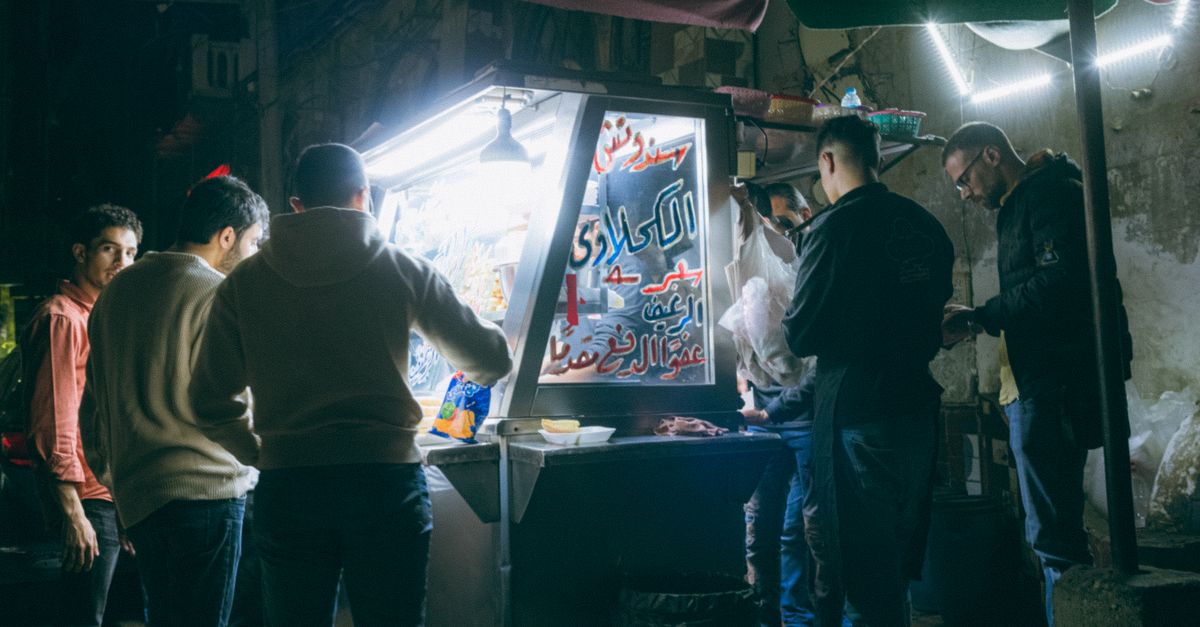
Traditional food scene in Cairo
The food of Cairo tells a story that no museum or monument can match. Photo: Unsplash

Must-Try Dishes in Cairo

1. Koshari

The dish that defines Cairo's culinary identity — the one locals argue about and visitors remember long after leaving. The best versions deliver a depth of flavor suggesting hours of preparation in each bite, with contrast between crispy and soft, rich and bright. The preparation varies from place to place, but consistency of quality across the city speaks to how seriously this dish is taken. Expect to pay EGP 30. Order this on your first day as a benchmark for every version you encounter afterward.

2. Ful medames

Deceptively simple. The ingredients are straightforward, but the technique to balance them perfectly is not. The best versions achieve that rare quality where every element is individually identifiable yet inseparable from the whole. Street vendors often outperform restaurants because repetition-honed skill produces consistency no recipe guarantees. Expect to pay EGP 20. Ask locals where their favorite version is served and follow their directions without hesitation.

3. Taameya falafel

Comfort food elevated to culinary art. Bold flavors without aggression, generous portions without excess. Rooted in home cooking that grandmothers perfected and street vendors democratized by making it available to anyone with a few coins and an appetite. The satisfaction is both immediate and lasting. Expect to pay EGP 10. Pairs exceptionally well with local beverages, creating a combination greater than the sum of its parts.

💡 Ordering tip: In Cairo, plastic chairs and a queue of locals is a more reliable quality indicator than a beautiful menu or high Google rating. Trust the crowds and the smells.

4. Shawarma wrap

A dish that divides first-time visitors — some love it immediately, others need a second attempt before the flavors register correctly on a palate calibrated to different cuisines. By the third bite, most are converts. The seasoning achieves an intensity that Western cooking rarely approaches, using ingredients commonplace here but exotic elsewhere. Expect to pay EGP 40. Trust the dish. It survived centuries of culinary evolution because it works.

5. Molokhia soup

The dish you will crave three months after leaving Cairo. It has that addictive quality — a combination of flavor, texture, and memory that lodges in your subconscious. The local version is impossible to replicate at home — the technique, heat source, and atmosphere all contribute something no kitchen can reproduce. Expect to pay EGP 35. Eat it more than once during your stay. You will be glad you did.

6. Hawawshi meat pie

Every family in Cairo has their own variation. The street version tends to be more robust and unapologetically seasoned than restaurant interpretations, which are often smoothed out for broader palates. Both are valid, but the street version is the one to try first — it gives you the unfiltered flavor profile that defines the dish in its most honest form. Expect to pay EGP 25. The aroma alone is worth the trip across town.

7. Mahshi stuffed vegetables

A dish that rewards patience. The slow transformation of simple ingredients into something complex and deeply satisfying cannot be rushed. When it arrives, the color should be rich and inviting, the surface properly charred or glossed, and the aroma should make you lean in involuntarily. This is food that takes itself seriously. Expect to pay EGP 45. Order it at the most traditional-looking establishment you can find.

8. Sahlab hot drink

What locals order when they want to treat themselves — not because it is expensive, but because it represents the pinnacle of local tradition. Requires fresh, high-quality ingredients and careful preparation. A rushed version is immediately recognizable and deeply disappointing. When made right — and in Cairo, it usually is — it justifies an entire trip. Expect to pay EGP 15. Ask your server which version they personally prefer.

Street food and dining culture in Cairo
Every meal in Cairo is a conversation between tradition and the present moment. Photo: Unsplash

Where to Eat in Cairo

Khan el-Khalili food stalls

Khan el-Khalili food stalls is the epicenter of Cairo's food culture — tourists and locals overlap in productive chaos, and quality ranges from good to extraordinary. Walk the entire area before committing, and eat where the local queue is longest. Prices are fair, portions generous. Most spots open from late morning through late evening, with peak energy at lunchtime and after sunset. Come twice if your schedule allows — daytime and nighttime experiences are meaningfully different.

Downtown Tahrir area

The food at Downtown Tahrir area reflects Cairo's identity in concentrated form — local flavors, traditional preparation, prices calibrated for regulars rather than one-time visitors. The best places have operated for years, sometimes decades, with menus refined through daily judgment by people who know exactly what each dish should taste like. Sit at the counter if possible — watching the preparation is half the experience, and cooks tend to be more generous with portions when they see genuine interest.

Zamalek island restaurants

Zamalek island restaurants represents the evolving face of Cairo's food scene — traditional recipes alongside contemporary interpretations, veteran cooks beside young chefs, honoring the past without being imprisoned by it. The atmosphere is energetic, the crowd a mix of food-savvy locals and informed travelers. Prices are slightly higher than pure street food but quality justifies the premium. Reservations recommended for dinner at popular spots, but lunch is usually walk-in friendly.

Food Tips for Cairo

Dietary Considerations

Vegetarian options exist throughout Cairo, though not always labeled. Ask directly — most kitchens accommodate requests. For allergies, carry a written card in the local language stating your restrictions.

Food Safety

Eat where turnover is high, cooking is visible, and locals are eating. Cooked food from busy stalls is almost universally safe. Bottled water recommended. Raw preparations require more caution in warmer months.

Tipping & Payment

Check whether service is included at restaurants before tipping. Cash remains king at smaller establishments — carry small denominations. Credit cards work at most restaurants but rarely at market stalls.

💡 Budget strategy: Eat your main meal at lunch when restaurants offer set menus at lower prices. Street breakfast, substantial lunch, lighter street-food dinner keeps costs manageable without sacrificing quality.

Street Food & Markets

Cairo's street food culture operates around the clock, but the golden hour is early morning, when vendors push carts loaded with hot ful medames and freshly fried taameya through residential streets before the city fully wakes. These breakfast carts — often serving the same corner for decades — are where Cairo's culinary soul lives unfiltered. A paper-wrapped taameya sandwich with tomato and tahini costs EGP 10 to 15 and tastes better than anything you'll find in a sit-down restaurant.

Orabi Square, in central Cairo, is the city's most concentrated street food zone. By 7 AM the pavement fills with ful carts, juice stalls pressing fresh sugarcane and guava, and vendors selling feteer meshaltet — a flaky multi-layered pastry filled with white cheese or honey (EGP 20 to 35). The chaos is organized by habit: regulars know which cart does the crispiest taameya and which juice man doesn't water down the mango. Follow the office workers rushing past — they know.

Khan el-Khalili Bazaar extends well beyond tourist shopping into a working food district after dark. From 8 PM, the alleyways around Al-Hussein Mosque fill with grilled corn cobs (EGP 15), roasted sweet potatoes (EGP 20), and stalls ladling out lentil soup from enormous pots. Fishawy Café, open continuously since 1773, serves mint tea and shisha in a mirrored interior plastered with old photographs. The tea is EGP 25 — expensive by local standards but worth every piaster for the setting.

Abdin neighbourhood, near the Presidential Palace, is Cairo's best-kept food secret. The street stalls here cater entirely to civil servants and residents — no tourist pricing, no English menus. The koshari shops on Abdel Aziz Street serve the city's finest version of the dish: a perfect layered mountain of rice, lentils, pasta, and tomato sauce topped with crispy fried onions for EGP 30. The lentil soup carts nearby charge EGP 15 for a bowl that requires no further explanation.

For a structured market experience, the Bab al-Luq covered market near Tahrir runs from dawn until 3 PM. The produce section gives way to a food court of sorts where housewives shop and then eat lunch at tiny plastic tables — grilled kofta (EGP 40), rice with molokhia (EGP 35), and the occasional tray of mahshi stuffed vegetables that a vendor's wife prepared that morning. This is family cooking at its most accessible to outsiders: point, smile, and accept whatever arrives.

💡 Cairo's juice stalls are underrated at every price point. Fresh asab (sugarcane juice, EGP 15), tamarind (EGP 10), and karkade (hibiscus, served hot or cold, EGP 10) are ubiquitous. Avoid pre-made juices in plastic cups — always watch the vendor press or blend your drink to order. The difference in quality is enormous.
JC
JustCheckin Editorial Team
Researched, written, and verified by travel experts. Last updated May 31, 2026.
COMPLETE CAIRO TRAVEL GUIDE

Everything you need for Cairo

🗺️
3-Day Itinerary
🍜
Food Guide
You are here
💎
Hidden Gems
💰
Budget Guide
✈️
First Timer's Guide
🏨
Hotels

Daily Budget — Cairo

Typical traveller costs · All figures in USD

🎒
$50
Budget/day
🏨
$120
Mid-range/day
$350
Luxury/day

💱 Egyptian Pound (EGP) - approx. 47 EGP to 1 USD

Culture & Etiquette

👗
Dress Code
While Cairo is a large, cosmopolitan city, it's advisable to dress modestly, especially when visiting religious sites like mosques or churches. For women, this generally means covering shoulders and knees. Loose-fitting clothing is also more comfortable in the heat. Men should avoid sleeveless shirts in religious contexts. Beachwear is inappropriate outside of hotel pools.
🤝
Local Customs
Greetings are important; a handshake is common, but wait for a woman to extend her hand first. It's polite to accept offers of tea or coffee. Bargaining is expected in souks (markets), but do so respectfully. Public displays of affection should be kept to a minimum. Eating, drinking, or smoking in public during Ramadan fasting hours is frowned upon.
⚠️
Watch Out For
Be wary of unsolicited 'guides' offering tours, especially around major attractions. They may then demand payment or lead you to overpriced shops. Taxi drivers might try to overcharge; agree on a price beforehand or ensure the meter is used. Be cautious of people offering 'free' gifts or assistance, as they often expect payment later. Watch out for counterfeit goods in markets.
Dos & Don'ts
Always ask permission before taking photos of people. Use your right hand for eating and handling money. Remove your shoes before entering a mosque or someone's home. Be patient and polite; Egyptians are generally very hospitable. Avoid discussing sensitive political or religious topics unless you know your audience well.
👩
Solo Female Safety
Cairo can be intense for solo female travelers. Dress modestly to avoid unwanted attention. Be firm and assertive if approached; a polite but clear 'no' is often effective. Be aware of your surroundings, especially in crowded areas. Consider using ride-sharing apps for reliable transport. It's advisable to have a local SIM card for communication. Avoid walking alone late at night in less populated areas.
🏳️‍🌈
LGBTQ+ Notes
Homosexuality is not explicitly illegal in Egypt, but laws against 'debauchery' and 'public morality' are often used to prosecute LGBTQ+ individuals. Public displays of affection, even between heterosexual couples, are discouraged, and this is even more pronounced for same-sex couples. It is advisable for LGBTQ+ travelers to be discreet and avoid public displays of affection.
📷
Photography
Do not photograph military installations, government buildings, police or army personnel, or border crossings. Photography inside some museums may be restricted or require a permit. Always ask permission before photographing individuals, especially women and children. Avoid photographing people praying or inside mosques without explicit permission.

Getting Around Cairo

✈️
Airport Transfer
Take a taxi or Uber/Careem from Cairo International Airport (CAI) to the city center, costing approximately 150-250 EGP and taking 45-90 minutes depending on traffic.
🚇
Public Transport
Cairo's Metro is efficient and affordable for reaching many key areas, with a single ride costing around 5-10 EGP. Buses are extensive but can be crowded and confusing for tourists.
📱
Taxi & Ride Apps
Uber and Careem are widely used and recommended for reliable and metered rides, generally cheaper than hailing a street taxi. Always confirm the fare displayed on the app matches the driver's quote.
🛵
Rental Tips
Renting a car in Cairo is not recommended due to heavy traffic and complex driving conditions; taxis and ride-sharing apps are more practical and less stressful.
🗺️
Getting Around
Factor in significant traffic delays, especially during peak hours. Walking is feasible in specific neighborhoods like Zamalek, but distances between major attractions are often too great.

Frequently Asked Questions

It is generally not recommended for tourists to drink tap water directly. While it is treated, it may contain impurities or bacteria that your stomach isn't accustomed to. Stick to bottled water for drinking, brushing your teeth, and even washing fruits and vegetables. You can easily find bottled water at supermarkets, convenience stores, and hotels.
Egypt uses Type C and Type F electrical outlets, which are the standard European two-pin plugs. The voltage is 220V, and the frequency is 50Hz. Most modern electronics (like phone chargers and laptop adapters) are dual voltage, but it's always wise to check the label. You may need a plug adapter if your devices have different plug types.
Getting a local SIM card is highly recommended for affordable data and calls. Major providers like Orange, Vodafone, and Etisalat have shops at the airport and in most city centers. You'll need your passport to register. Tourist packages are often available and offer good value for data. You can also consider eSIM options if your phone supports them.
When visiting mosques, dress modestly: women should cover their heads, arms, and legs, and men should wear long trousers and cover their shoulders. Remove your shoes before entering. Be quiet and respectful, and avoid visiting during prayer times unless you are there to pray. Always ask permission before taking photos of people.
While many tourist areas are generally safe, it's advisable to exercise caution when walking alone at night, especially in less crowded or unfamiliar neighborhoods. Stick to well-lit, busy streets. Using reputable ride-sharing apps (like Uber or Careem) or taxis is a safer option for getting around after dark. Be aware of your surroundings and keep valuables secure.
Bargaining is expected and part of the shopping experience in souks like Khan el-Khalili. Start by offering about 50% of the initial asking price and negotiate upwards. Be polite, friendly, and have a sense of humor. If you can't agree on a price, it's perfectly fine to walk away. Know what you're willing to pay before you start.
Tipping, known as 'baksheesh,' is customary in Egypt. It's expected for good service in restaurants (around 10-15%), hotels (for porters, housekeeping), and for guides and drivers. Even for small services like helping with luggage or directions, a small tip is appreciated. Keep small denominations of Egyptian pounds handy.
Be wary of overly friendly strangers offering unsolicited tours or 'special' deals, especially near major attractions. They might lead you to shops where they get a commission or charge inflated prices. Always agree on taxi fares or ensure the meter is used before starting your journey. Be cautious of people claiming a site is closed and offering an alternative. Stick to official ticket booths.
Cairo has a metro system, which is an efficient and affordable way to navigate the city, especially for avoiding traffic. The Green Line (Line 3) is particularly useful for reaching many tourist areas. Ride-sharing apps like Uber and Careem are also very popular, reliable, and often cheaper than traditional taxis. For shorter distances, walking is an option in certain neighborhoods.
Must-try dishes include Koshary (a hearty mix of rice, pasta, lentils, chickpeas, and sauce), Ful Medames (fava bean stew), and Ta'ameya (Egyptian falafel). For drinks, try fresh juices like sugarcane juice (Asab) or hibiscus tea (Karkadeh). Avoid street food from vendors with questionable hygiene. Ensure any meat dishes are well-cooked. Be cautious with dairy products if you have a sensitive stomach.
✨ Jiai — Travel AI Open Full →
Hi! I'm **Jiai**. Ask me about hotels, flights, activities or budgets for any destination.
✈️

You're on a roll!

Enter your email for unlimited Jiai access + personalised travel deals.

No spam. Unsubscribe anytime.