
Cairo is not a city that eases first-time visitors gently into Egypt. From the moment you exit the airport you are immersed in 22 million people, eight-lane traffic that ignores lane markings entirely, the unceasing percussion of car horns used as a kind of acoustic sonar, and a 4,500-year-old civilisation pressing in from every direction. It is overwhelming, exhausting, occasionally infuriating, and one of the most rewarding urban experiences on earth — provided you arrive prepared. The first-timer mistakes in Cairo are predictable and avoidable: trusting the wrong taxi, overpaying for a bottle of water by 1,000%, getting talked into a "free" carpet tour, dressing for Sharm El-Sheikh in Islamic Cairo. None of this needs to happen. This guide walks you through every first-timer decision in order, so you can spend your first 48 hours absorbing the Pyramids and Khan el-Khalili rather than recovering from logistical missteps.
Before You Arrive
Egypt requires an electronic visa for most nationalities, including citizens of the US, UK, EU, Canada, Australia, and most of Asia. Apply at the official portal visa.gov.eg at least 5-7 working days before travel. The standard 30-day single-entry tourist e-Visa costs USD 25 (multiple-entry USD 60); pay by credit card, upload a passport scan, and receive the PDF by email. Print two copies — one for the airline check-in desk and one for the immigration officer at Cairo Airport. The visa-on-arrival counter at CAI still operates for many passports at the same USD 25 price, but queues can be 60-90 minutes after long-haul arrivals and the bank counter sometimes closes unexpectedly. Apply online.

Egypt's currency is the Egyptian Pound (EGP), which has weakened dramatically against the US dollar in recent years — current rates run roughly EGP 48-52 per USD. This makes Egypt extraordinarily cheap for foreign visitors. Bring a mix of cash and cards: USD bills (clean, post-2009 series, no marks or tears) are widely accepted at hotels and tour operators; ATMs at major banks (CIB, National Bank of Egypt, QNB) dispense EGP at the standard interbank rate plus a EGP 30-60 fee. Avoid airport ATMs (worst rates) and hotel ATMs (additional fees layered on). Card acceptance is good in Zamalek and the major tourist sites but cash is essential in the medina, taxis, and most restaurants.
For mobile data, buy a tourist SIM at the arrivals hall before clearing customs at CAI — Vodafone Egypt, Orange Egypt, and WE all have kiosks. A 20-30GB tourist plan with 30-day validity costs EGP 350-550 (USD 7-12) and works reliably across Cairo and the Nile Valley. You'll need your passport for registration. Vodafone has the best coverage in remote areas; WE often has the cheapest rates.
Egypt is conservative by Western standards but tolerant of foreign visitors. Both men and women should cover knees and shoulders for visits to mosques, Coptic churches, and traditional neighbourhoods. Women in shorts and tank tops will be stared at and approached more frequently in Islamic Cairo and the medieval quarters; light long trousers and a loose long-sleeved shirt are far more comfortable in heat anyway. Tap water is technically chlorinated and safe in central Cairo but tastes heavily of chlorine — bottled water (EGP 5-10 for 1.5L from a shop, EGP 30-50 from a hotel minibar) is what locals and visitors both drink. Avoid ice in non-tourist establishments and rinse fruit only in bottled water.
Getting from the Airport
Cairo International Airport (CAI) sits 22 kilometres northeast of central Cairo and has three terminals connected by a free shuttle bus. Most international flights arrive at Terminal 2 or Terminal 3; EgyptAir and some regional flights use Terminal 1. Allow 60-90 minutes from landing to your hotel during the day, 45-60 minutes late at night.
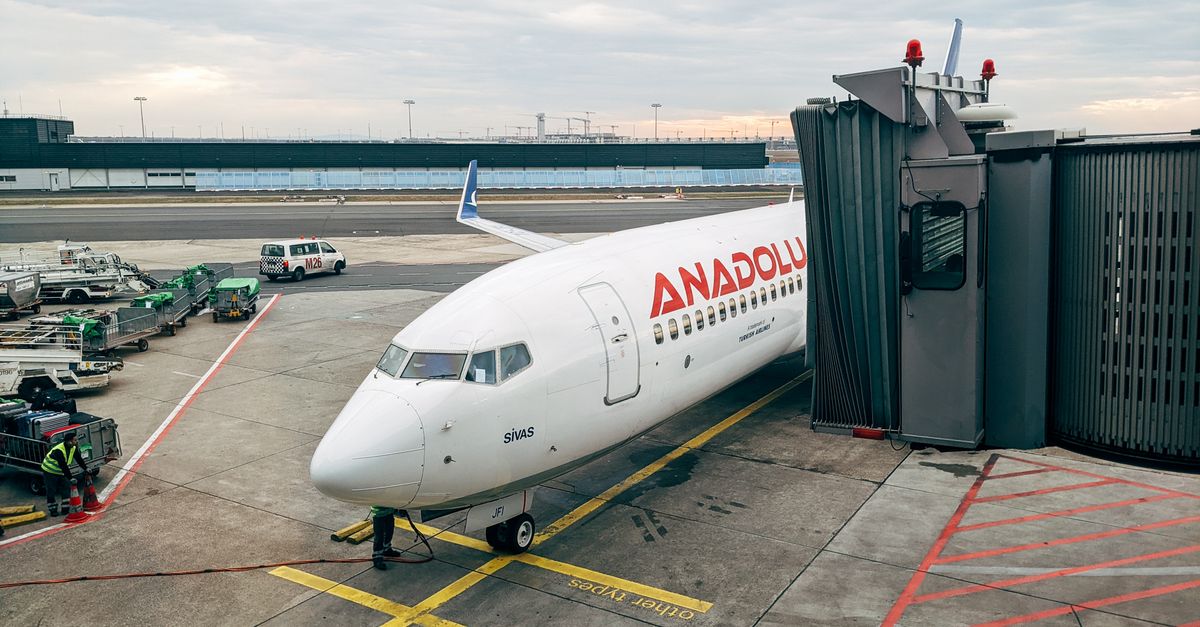
The cheapest reliable transport into the city is Uber or Careem, both of which operate freely at CAI. Walk past the taxi touts at the arrivals hall (who will quote USD 25-40 for the trip) and order from the marked rideshare pickup zone. A trip from CAI to downtown costs EGP 200-350 depending on traffic and surge; to Zamalek or the Pyramids EGP 250-400. Both apps accept international credit cards and provide receipts. Surge pricing peaks 5-8pm; pre-dawn and late-night runs are at base rate.
The Airport Bus 356 runs from Terminal 1 and Terminal 3 to Tahrir Square in central Cairo for EGP 25-35, roughly hourly between 7am and midnight. Journey time 60-90 minutes. Pay cash to the conductor onboard; small notes only (max EGP 50 accepted). Air conditioning depends on which bus rotates through. Suitable for daylight arrivals with light luggage; less practical with multiple suitcases.
Pre-booked hotel transfers run EGP 500-900 — convenient but rarely necessary unless you're arriving exhausted on a red-eye. The new Cairo Metro Line 3 extension now reaches the airport via Adly Mansour station; from there a single transfer connects to downtown and Tahrir for EGP 10-15 total. Practical for travellers with hand luggage and a sense of adventure; clunky with full-size suitcases on busy stations.
Getting Around the City
Cairo has three transport tiers and most first-timers will use all three. The Cairo Metro is fast, cheap (EGP 5-10), and air-conditioned, with three lines connecting downtown to Coptic Cairo (Mar Girgis), Heliopolis, the airport, and southern suburbs. Buy paper tickets at the station window with cash; tap-card systems are being rolled out but are not yet ubiquitous. The first two carriages on every train are reserved for women only — solo female travellers may find these calmer during rush hour.

Uber and Careem are the everyday tool for journeys the metro doesn't reach: across the river to Zamalek, west to the Pyramids, south to Maadi, east to the Citadel and Khan el-Khalili. Short trips run EGP 35-100; longer city journeys EGP 100-250. Accept that Cairo traffic is unpredictable — what should be a 15-minute trip may become a 45-minute trip during 4-7pm peak. Both apps show estimated arrival times that are often optimistic by 15-30%.
White-and-chequered street taxis still run but require negotiation. Old black-and-white taxis are increasingly rare. Either way, agree on a price before getting in (downtown to Zamalek EGP 50-80, to Pyramids EGP 150-250) and have small notes ready. Drivers may "not have change" for a EGP 200 note as a gentle baksheesh extraction.
Walking works in concentrated neighbourhoods — downtown's grid, Zamalek's leafy streets, the Khan el-Khalili lanes, and the Coptic Cairo enclave are all walkable. Crossing major streets requires committing to a steady pace through stationary or slow-moving traffic, the way locals do; pedestrian crossings exist but are largely decorative. Walk with a local on your first crossing if possible.
Where to Base Yourself
Choose your Cairo neighbourhood based on what you want to prioritise — there is no single "best" base, but each has clear trade-offs.

Downtown (Wust al-Balad) is the central choice for first-timers. Built between 1860 and 1940 in Belle Époque Parisian style, it contains Tahrir Square, the Egyptian Museum, dozens of historic cafés, the main koshary spots, and walking access to Coptic Cairo and Khan el-Khalili (15-minute taxi). Hotels here range from EGP 600-1,200 (USD 12-25) for budget hostels to EGP 2,500-5,000 for mid-range historic hotels like the Cosmopolitan or restored apartment hotels around Talaat Harb. Atmospheric, gritty, central, and noisy.
Zamalek is the leafy island neighbourhood in the middle of the Nile, traditionally home to embassies, expats, and the city's wealthier residents. Quieter, greener, with Cairo's best bookshops, cafés, and mid-range restaurants. Hotels run EGP 1,500-4,000 (USD 30-80) for boutique properties; EGP 6,000-12,000 for the legendary Cairo Marriott (a 19th-century palace built for the Empress Eugénie). Less central than downtown but a calmer, more comfortable base for first-timers who want a buffer between themselves and the chaos.
Giza (Pyramids area) places you within walking distance of the Sphinx and the Pyramids — a powerful reason for at least one night. Pyramids View Inn, Pyramids Loft, and a handful of mid-range hotels along Sphinx Street offer rooftops directly overlooking the monuments. Hotels run EGP 800-2,500 (USD 16-50) for budget-mid-range properties; the Marriott Mena House offers historic luxury at EGP 8,000-18,000. The neighbourhood (Nazlet El-Semman) is touristy and gritty, with persistent touts; not ideal as your only base, excellent as a 1-2 night stay.
Garden City, between downtown and Zamalek, offers some boutique hotels in tree-lined streets at mid-range prices (EGP 1,800-3,500, USD 35-70). Less choice but pleasant atmosphere and walking access to downtown.
Local Culture & Etiquette
Egypt is a Sunni Muslim majority country with a substantial Coptic Christian minority (10-15% of the population). Cairo is more cosmopolitan and tolerant than many smaller Egyptian cities, but conservative norms still govern public behaviour. Public displays of affection between couples should be modest — handholding is fine, kissing is not. Alcohol is legal but consumed quietly; it's available in licensed hotels, certain bars, and the Drinkies retail chain, but is not part of mainstream restaurant culture.

Ramadan falls in the spring months and shifts each year (around mid-February to mid-March in 2026). During the daytime fast, eating, drinking, and smoking in public is impolite even for non-Muslims; many restaurants close until iftar (sunset). Tourist sites remain open but with reduced hours. Iftar itself is a wonderful time to be in Cairo — the streets fill with families breaking the fast together, and the post-iftar hours are festive.
For mosque visits, both men and women must remove shoes (carry a small bag for them or pay the shoe-keeper EGP 10-20). Women must cover hair, shoulders, and legs — bring a scarf even if your outfit covers everything else. Men should wear long trousers, not shorts. Most mosques welcome respectful non-Muslim visitors outside of prayer times; the major mosques in Khan el-Khalili (Al-Azhar, Al-Hussein, Sultan Hassan, Muhammad Ali at the Citadel) are accustomed to tourists.
Photography requires sensitivity. Always ask before photographing people, particularly women and at religious sites. Many Egyptians, especially older women, do not want to be photographed and will tell you so directly. Do not photograph soldiers, police, or government buildings — Egyptian security is legitimately sensitive about this and a casual photo near a checkpoint can become a 30-minute conversation.
Solo women travellers will encounter staring, occasional verbal harassment ("hello, beautiful," "where you from?"), and persistent attention from male shopkeepers and taxi drivers. Most of this is annoying rather than threatening, but some is more serious. Wear long, loose clothing in non-tourist areas; sit in the women-only metro carriages; use hotels and Uber rather than walking late at night; ignore catcalls without engaging. Most solo women travel through Cairo without incident, but the experience requires more vigilance than European or East Asian capitals.
Baksheesh is the Egyptian word for tipping, and it permeates every transaction. Hotel porter EGP 20-30; restaurant server 10-12% on top of any service charge already included; mosque shoe-keeper EGP 10-20; taxi driver round up to nearest EGP 10; tour guide EGP 100-200 per day. Carrying a stack of small notes (5, 10, 20) is essential. Refusing to tip causes friction and is read as rude; gross over-tipping distorts the local economy.
Common Mistakes to Avoid
1. Hiring a horse or camel handler at the main Pyramids gate. The horse and camel touts at the Nazlet El-Semman entrance are the most aggressive in Egypt. They will quote EGP 100 "for a quick photo" and then demand EGP 1,500 to dismount, having ridden you to a remote part of the plateau. If you want a camel ride, arrange it through a licensed operator at your hotel for a fixed price (EGP 300-500 for 30 minutes). At the Pyramids, walk in on foot, ignore everyone who approaches you, and refuse all "helpful" guidance from anyone not behind a glass ticket window.
2. Falling for the "free papyrus institute" tour. If your taxi driver or any "friendly local" suggests you visit a "papyrus institute," "perfume institute," or "carpet school" because they "want to show you authentic Egypt," you are walking into a high-pressure commission shop. The "papyrus" is mass-produced banana leaf, the perfume is alcohol-based with synthetic essence, and the carpet workshop has one weaver in the corner for show. Decline politely and ask the driver to continue to your stated destination. If they refuse, get out and order an Uber.
3. Underestimating Cairo traffic. A trip from downtown to the Pyramids that Google Maps shows as 35 minutes will take 60-90 minutes during 4-7pm peak. Building a tight back-to-back schedule of three sites in one afternoon leads to skipping the third because you ran out of time. Plan two major sites per day, not four; use mornings (before 11am) for outdoor sites; use late afternoons for indoor museums.
4. Drinking tap water or accepting ice in non-hotel establishments. Cairo's tap water is technically treated but high in chlorine and minerals that cause gastrointestinal upset in visitors not adapted to the local microbiome. Drink only sealed bottled water (check the cap is intact when you buy it); refuse ice in juices, cocktails, and water at street-level restaurants. Brushing teeth with bottled water is over-cautious for a short visit but a sensible precaution if you're staying longer than a week.
5. Wearing inappropriate clothing in Islamic Cairo. Shorts, tank tops, and beach attire are fine in Zamalek cafés or on the Pyramids plateau but draw stares and refusals at mosque entrances and in the medieval quarters around Khan el-Khalili. Pack at least one outfit (long trousers, long-sleeved shirt, a scarf for women) for these visits — having to skip Al-Azhar Mosque because you're in shorts is an avoidable disappointment.
6. Buying tickets from anyone other than the official ticket booth. "Combination tickets" sold at hotels, "fast-track passes" offered by self-described guides outside the museum, and any ticket purchase that involves cash to a person rather than a window are scams or commission inflation. The official ticket booths at the Egyptian Museum, Pyramids, Citadel, and all major sites accept cash and card directly. Pay there.
7. Skipping the Grand Egyptian Museum because it's "outside the city." The new Grand Egyptian Museum (GEM) opened near the Pyramids in 2024 and now houses the largest single archaeological collection in the world, including the complete Tutankhamun trove. It's 20 minutes by Uber from Giza or 45 minutes from downtown — well worth the trip, and if you have only one day for museums, choose GEM over the older Egyptian Museum on Tahrir. Allow 4-6 hours; the scale is genuinely overwhelming.


