
Tel Aviv is the Middle East's most hedonistic city — a Mediterranean beach town with world-class nightlife, Bauhaus architecture, and a food scene that fuses Levantine traditions with modern innovation. Three days covers the beach culture, the UNESCO-listed White City, and the Carmel Market food scene that makes Tel Aviv one of the world's great eating cities.
Beaches, White City & Carmel Market
Explore the city's most iconic sights and neighborhoods. Start early to beat crowds at the most popular attractions and save the atmospheric evening experiences for after sunset.
Explore the city's most iconic sights and neighborhoods. Start early to beat crowds at the most popular attractions and save the atmospheric evening experiences for after sunset.
Jaffa Old City & Port
Venture beyond the center to discover the city's cultural depth. Day trips and secondary attractions often provide the most authentic local experiences with fewer tourist crowds.
Venture beyond the center to discover the city's cultural depth. Day trips and secondary attractions often provide the most authentic local experiences with fewer tourist crowds.
Neve Tzedek, Street Food & Nightlife
Use your final day for deeper exploration, markets, and food discovery. The less-visited corners of any city reveal the character that guidebooks miss. Allow time for spontaneous discovery.
Use your final day for deeper exploration, markets, and food discovery. The less-visited corners of any city reveal the character that guidebooks miss. Allow time for spontaneous discovery.
Getting Around Tel Aviv
Tel Aviv is flat and bikeable — the Tel-O-Fun bike share system has stations every 300 meters (ILS 17/day subscription, first 30 minutes free per trip). The city's dedicated bike lanes cover most major routes. Walking along the beach promenade from Jaffa to the port takes 90 minutes and covers the city's entire coastline.
The Dan bus network (ILS 5.90/ride with Rav-Kav card) covers the city and suburbs. Taxis and Gett (Israel's ride-hailing app) are reliable — a cross-city trip runs ILS 30-50. The new light rail (Red Line) connects the city center to the suburbs. Sherut minibuses run fixed routes for ILS 6.50.
The White City — a UNESCO-listed collection of over 4,000 Bauhaus buildings built by German-Jewish architects in the 1930s — is concentrated along Rothschild Boulevard and the surrounding streets. The Bauhaus Center on Dizengoff Street offers guided walking tours (ILS 80, 2 hours) that contextualize the architecture within the city's founding story.
Jaffa, the ancient port city at Tel Aviv's southern end, has been continuously inhabited for 4,000 years. The flea market (Shuk HaPishpeshim) sells antiques, vintage clothing, and art. The narrow alleyways of the artists' quarter have galleries and workshops in restored Ottoman-era buildings. The port itself has been renovated into a dining and entertainment complex with sea views.
Carmel Market (Shuk HaCarmel) is Tel Aviv's largest open-air market — produce, spices, halva, dried fruits, and street food across multiple blocks. Go hungry, walk slowly, and graze. The surrounding Yemenite Quarter (Kerem HaTeimanim) has some of the city's best restaurants in modest settings. The Friday pre-Shabbat energy at the market peaks around noon.
Neve Tzedek, Tel Aviv's oldest neighborhood (founded 1887), has been gentrified into the city's most charming district — restored houses, boutique shops, and the Suzanne Dellal Centre for contemporary dance. The contrast with the Bauhaus modernism of the White City shows Tel Aviv's layered history.
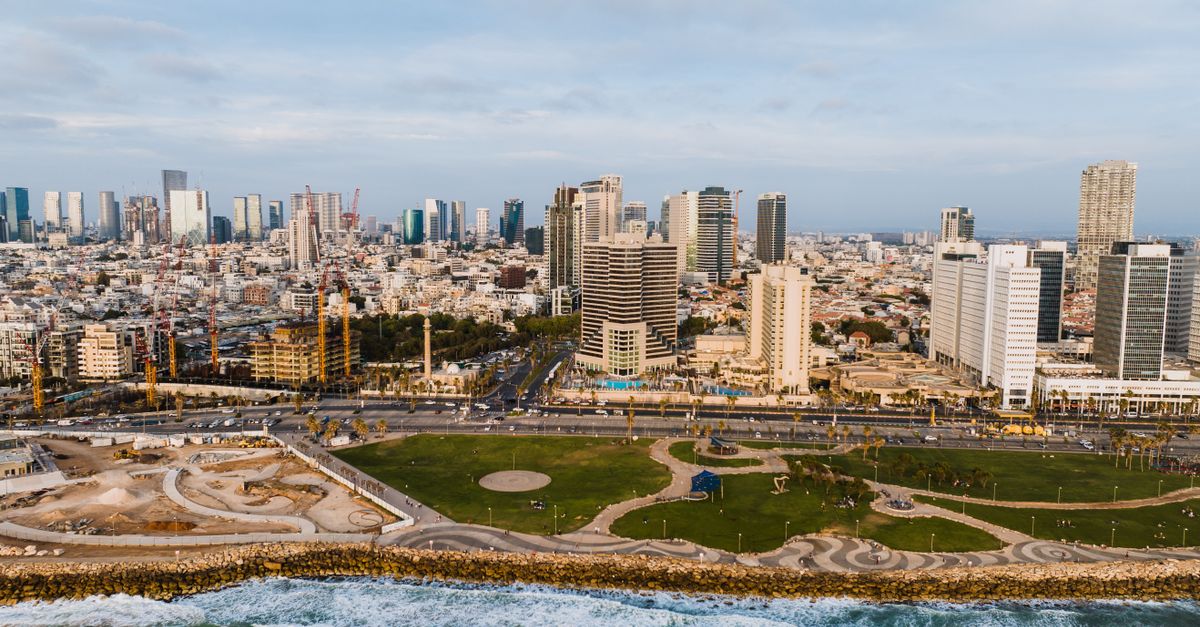
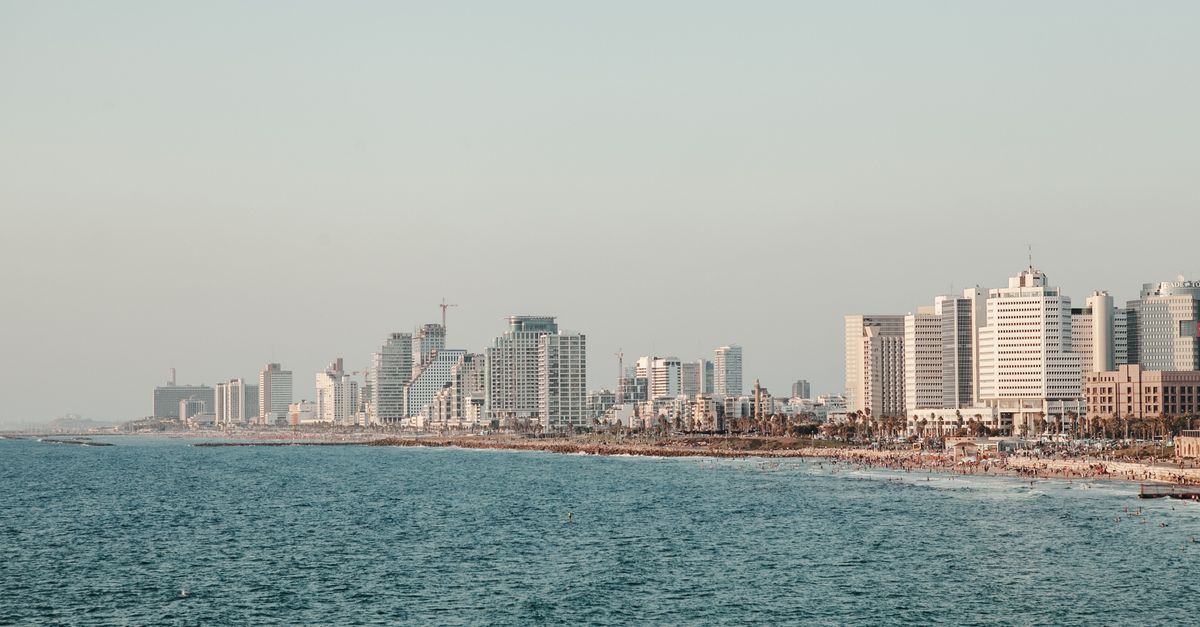
Beach culture is central to Tel Aviv's identity. The coastline has distinct beaches — Hilton Beach (LGBTQ-friendly), Gordon Beach (mainstream), Alma Beach (families), and Drummers' Beach (Friday sunset drum circles). The water is warm enough for swimming from May through November. Beach volleyball courts, surfing, and stand-up paddleboard rentals are available at most beaches.
Neighbourhoods to Know
Tel Aviv is a city of distinct quarters, each with its own character, price level, and social scene. Understanding where you are at any given moment unlocks the city far better than any landmark checklist.
Neve Tzedek, the city's oldest neighbourhood (founded 1887, predating Tel Aviv itself), runs along the southern waterfront. Its narrow lanes of restored Ottoman houses now contain boutique hotels, jewellery designers, and wine bars. Suzanne Dellal Centre anchors the cultural life here — check their programme for contemporary dance performances (tickets ILS 80-140). Coffee at Café Nina on Shabazi Street costs ILS 18-22 and buys you an hour in Tel Aviv at its most charming.
Rothschild Boulevard is the central spine of the White City and the heart of Tel Aviv's startup culture. Independence Hall, where the State of Israel was declared in 1948, sits at number 16 (entry ILS 20). The boulevard's benches are permanently occupied by chess players, laptop workers, and dog walkers. The northern end bleeds into Dizengoff — the shopping and café street where the city's coffee culture is most concentrated.
Florentin, south of the main city grid, is Tel Aviv's creative district — murals, independent record shops, hummus joints open until 3 AM, and bars with no signs that appear to be apartments until you push the door open. It gentrified more slowly than other quarters and retains a grittier authenticity. Alenbi Street between Florentin and the city centre has the densest concentration of good cheap food in Tel Aviv.
North Tel Aviv, specifically the Sarona area and the streets around Ibn Gabirol, hosts a different city entirely — family-oriented, expensive, and quieter than the beach-facing centre. The Sarona Market is a converted German Templar colony now housing 90 gourmet food stalls under a glass roof. Budget ILS 80-120 to graze through it properly.
Jaffa deserves at minimum a half-day of focused attention rather than a rushed afternoon. The Clock Tower square marks the start of the Arab market. Aboulafia Bakery on Yefet Street has sold sesame-covered bread and cheese bourekas (ILS 8-15 each) since 1879 — the queue at midnight is as long as the queue at noon.
Practical Tips
Israel combines ancient history, beach culture, and cutting-edge modernity in a country smaller than New Jersey. Security checks at the airport are thorough (arrive 3 hours early for departures) but professional. The Israeli new shekel (ILS) is the currency — budget ILS 300-600/day for mid-range travel. Israel is expensive by regional standards.
Shabbat (Friday sunset to Saturday sunset) significantly affects travel. Public transport stops, most shops close, and restaurants in observant areas shut down. Tel Aviv is largely secular and stays open. Jerusalem's Jewish Quarter, Mea Shearim, and ultra-Orthodox neighborhoods observe Shabbat strictly — dress modestly and don't photograph on Shabbat in these areas. Plan Saturday activities around areas that remain open.
Security is a constant presence but shouldn't deter visitors. Bag checks at malls, markets, and public buildings are routine. Israelis are direct in communication — what feels abrupt is simply cultural style, not rudeness. The military presence is visible but non-threatening to tourists. Both Tel Aviv and Jerusalem are safe for walking at night. Check travel advisories for the current political situation before booking.
Best Times to Visit & Budgeting
Timing your visit matters enormously for both weather and crowds. Peak tourist seasons bring higher prices, sold-out accommodations, and crowded attractions. Shoulder seasons (the weeks just before and after peak) often deliver the best balance — good weather, manageable crowds, and reasonable prices. Off-season travel is the cheapest but check for monsoon rains, extreme heat, or seasonal closures.
Budget planning for three days should account for accommodation (30-40% of total), food (20-25%), transport (15-20%), activities and entrance fees (15-20%), and a contingency buffer (10%). The biggest savings come from choosing accommodations wisely — a well-located mid-range hotel that eliminates taxi costs can be cheaper than a budget hotel in a remote area plus daily transport.
Travel insurance is non-negotiable. A single hospital visit in most Asian countries costs more than a year of comprehensive travel insurance (0-80 for a 2-week trip). Ensure your policy covers emergency medical evacuation — this is the expensive scenario that justifies the premium. Download your policy documents to your phone for offline access.
Currency exchange tips: ATMs generally offer better rates than airport exchange counters. Withdraw larger amounts less frequently to minimize per-transaction fees. Carry some US dollars (0-100) as universal backup — they're accepted in emergencies across most of Asia. Notify your bank of travel plans to prevent card blocks. Use a travel-specific card (Wise, Revolut) for the best exchange rates and lowest fees.
Download essential apps before arriving: Google Maps (with offline maps for your destination), Google Translate (with offline language packs), the local ride-hailing app (Grab for Southeast Asia, DiDi for China, Uber/Ola for India), and your accommodation booking confirmation. A portable battery pack (10,000-20,000 mAh) keeps your phone alive through a full day of navigation, photography, and ride-hailing.


