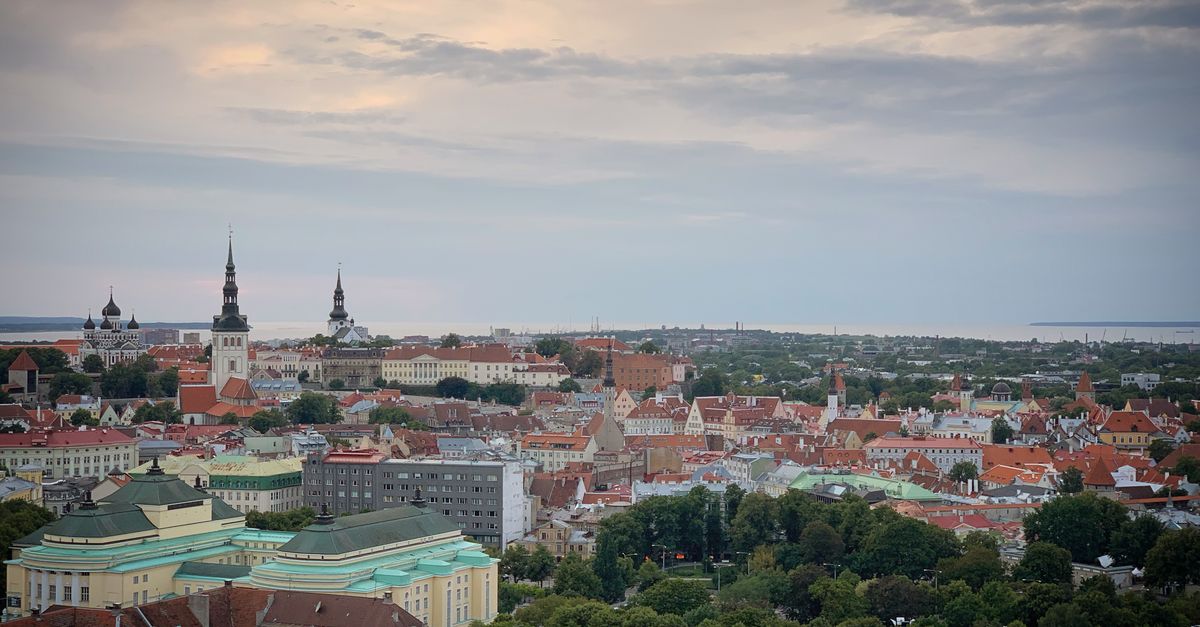
Tallinn is one of Europe's genuine budget travel revelations — a medieval capital with UNESCO-listed Old Town architecture, a thriving food scene, and price points that make Western European travelers blink twice. A tram ride costs EUR 1.50, a bowl of black bread soup with rye croutons at a proper Old Town café costs EUR 6, and the Toompea viewing platforms where you'll photograph the most iconic skyline in the Baltics are completely free. Estonia adopted the euro in 2011 but has retained price levels that trail Western Europe by 30-50% across most categories. You can eat, sleep, and sightsee in Tallinn on EUR 50-70 per day without any sense of deprivation — and on EUR 40 per day if you're genuinely trying.
Getting There on a Budget
Tallinn is better connected by budget airlines than many travelers realize. Ryanair operates routes from London Stansted, Berlin, Stockholm, and Warsaw to Lennart Meri Tallinn Airport (TLL), with fares frequently dipping below EUR 30 one way when booked 4-8 weeks out. Wizz Air connects Budapest, Bucharest, and Kyiv. airBaltic (Riga-based but regionally affordable) serves multiple European hubs.

The most underutilized budget route into Tallinn is via Riga (Latvia), which sits 4 hours south by bus. Riga attracts more budget airline competition and often has 20-30% cheaper flights from Western European cities. The Lux Express bus from Riga to Tallinn costs EUR 12-25 depending on advance booking and runs six-plus times daily, covering modern coaches with WiFi and power outlets. The Tallinn-Helsinki ferry crossing (Tallink Silja, Viking Line, Eckerö Line) runs multiple crossings daily at EUR 15-30 each way, meaning Helsinki travelers can add Tallinn as a 1-2 night side trip for almost nothing. The 2.5-hour crossing on Viking Line includes comfortable seating and a café — it's genuinely pleasant.
From within Estonia, there's no reason to fly — the country is small. The Lux Express or FlixBus from Tartu (EUR 8-15, 2.5 hours) and Pärnu (EUR 7-12, 2 hours) serve as comfortable intercity connections.
Once you land at Tallinn Airport, tram line 4 connects directly outside the arrivals terminal to the city center in 15 minutes for EUR 1.50 — exactly the same as any other single city tram journey. The taxi rank outside arrivals charges EUR 7-12 for the same journey (meters are mandatory by law). The tram is straightforward, well-signed in English, and stops at the Viru shopping center, one block from the entrance to the Old Town.
Budget Accommodation
Tallinn has a well-developed hostel scene shaped by years of stag-weekend and Baltic backpacker tourism — the result is genuinely competitive hostel quality at prices that feel almost implausibly low by Western European standards.

Viru Backpackers sits on Viru Street, the main pedestrian artery running through the Old Town, and earns its position as one of Tallinn's most consistently recommended hostels on its unbeatable location alone. Dormitory beds run EUR 15-22 per night depending on season; private doubles from EUR 45-65. The building is a classic Old Town Estonian townhouse with original features, and the common area is well-equipped for socializing. The location means every major sight is walkable within 10 minutes, which eliminates transit costs entirely for sightseeing days.
Euphoria Hostel in the Kalamaja neighborhood — a 20-minute walk or short tram ride from Old Town — offers dormitory beds from EUR 14-19 and private rooms from EUR 40-58. Kalamaja is where Tallinn's creative class actually lives and works, and Euphoria's location puts you directly in the city's best neighborhood for independent coffee shops, vintage stores, and the Balti Jaam Market. Beds are solid, kitchen facilities are above-average for this price range, and the neighborhood means you're eating and drinking at local prices rather than tourist-zone ones.
Red Emperor Hostel in the Telliskivi Creative City quarter is the right choice if you're drawn to Tallinn's street art and gallery scene. Dormitory beds start at EUR 13-18, and the hostel sits directly adjacent to Telliskivi's food truck parks, independent bars, and the F-Hoone creative hub restaurant. The building is renovated industrial — exposed brick, high ceilings, a slightly grungy charm that fits the neighborhood perfectly.
For budget hotels above the hostel tier, check the Oldhouse Inn guesthouses — two locations in the Old Town offering private rooms with private bathrooms from EUR 60-85 per night. They look and feel significantly more expensive than they are, with exposed stone walls and traditional Estonian furnishings. For self-catering, Airbnb apartments in Kalamaja and Telliskivi average EUR 45-70 per night for a studio.
Eating Cheaply Like a Local
Tallinn's food scene divides clearly into two zones: the Old Town, which has drifted toward tourist pricing, and everywhere else, which hasn't. Staying out of Old Town for most meals saves 30-50% while actually improving food quality in most cases.

Balti Jaam Market (Baltic Station Market) attached to the Balti Jaam rail terminus is Tallinn's best-value eating destination and also one of its most interesting. The covered market hall sells fresh produce, smoked fish, pickled vegetables, and Estonian dairy at farm-market prices. The food stalls around the perimeter serve hot meals — Georgian khachapuri (EUR 4-6), Estonian black bread with toppings (EUR 3-5), Georgian and Eastern European soups (EUR 4-6), and a rotating roster of lunch specials that rarely exceed EUR 8. Go at midday on a weekday when locals outnumber tourists 10 to 1.
Telliskivi Creative City food trucks and the F-Hoone restaurant complex offer a step up in quality at prices that still undercut Old Town. F-Hoone — housed in a converted factory with industrial skylights and communal tables — serves lunch specials from EUR 8-12 (soup and main course) that are genuinely excellent. The weekend brunch at F-Hoone (EUR 10-14) is a Tallinn institution. The food trucks outside operate Thursday through Sunday and cover everything from Vietnamese bao to Estonian smoked meat.
Leib Resto & Aed in the Old Town garden is a genuine exception to Old Town tourist pricing — a restaurant with genuine Estonian cooking (leib means "bread," and their house-made rye loaves with cultured butter are famous) that manages lunch mains in the EUR 12-16 range. The garden seating in summer is exceptional. This is Old Town dining worth paying for: roast pork with sauerkraut and root vegetables, Estonian fish soup, game specials in autumn. Book ahead for dinner.
Vana Toomas on the Town Hall Square is simultaneously the most touristy restaurant in Tallinn and one of the best introductions to Estonian comfort food. Yes, the location is optimized for passing tourist traffic. But mains — pork knuckle with sauerkraut, elk stew, smoked ribs — are priced at EUR 12-16, which by Western European old-town standards is genuinely inexpensive. Order the black bread basket and the dark Estonian beer and you'll understand why it survives: the food is honest and filling.
For everyday self-catering, Rimi and Coop supermarkets throughout the city offer Estonian dairy products, dark rye bread, smoked fish, and cured meats at excellent quality and low prices. The ready-meal sections at midday have warm dishes for EUR 3-5. A supermarket dinner for two costs EUR 8-12.
Free & Low-Cost Attractions
Tallinn's greatest asset is free: the medieval Old Town (Vanalinn) itself. Walking the cobblestone streets, climbing the towers of Toompea Hill, and exploring the Lower Town's guild houses and merchant buildings costs nothing. This is a preserved medieval city that most of Europe has destroyed and rebuilt — experiencing it is simply a matter of showing up.

The Toompea viewing platforms — Patkuli Viewing Platform and Kohtuotsa Viewing Platform — offer the panoramic view of Tallinn's orange-tiled rooftops and church spires that fills every travel magazine. Both are freely accessible from the Toompea Hill area throughout the day and into the evening. The best light is around golden hour (an hour before sunset), when the limestone walls glow warm yellow and the medieval silhouette sharpens against the sky. No ticket, no queue, no closing time.
The Alexander Nevsky Cathedral, the onion-domed Russian Orthodox church that dominates the Toompea skyline, is free to enter during opening hours. The interior is ornately decorated with gilt iconostases and Byzantine mosaics — it feels architecturally miles away from the Gothic Lutheran churches surrounding it, which is historically and politically intentional (it was built by the Russian Imperial administration in 1900). Dress modestly, no photography inside.
The Tallinn Town Hall Square (Raekoja Plats) is one of the best-preserved medieval market squares in Northern Europe and costs nothing to walk through. The Gothic Town Hall dating to the 15th century is the square's focal point. In summer, café terraces cover the cobblestones; in December, one of Europe's most atmospheric Christmas markets fills the space with mulled wine stalls and craft vendors.
Old Town Walls Walk — sections of Tallinn's surviving medieval defensive walls are accessible for EUR 3 per person. The tower walk between Kuldjalg (Golden Leg) and Sauna towers gives a direct view down into the Old Town alleyways and across to the Soviet-era housing blocks on the horizon. Well worth the EUR 3 for the physical connection to medieval fortifications that have stood largely intact since the 13th century.
Kiek in de Kök Museum is a Low German name meaning "peek into the kitchen" — the tower's height once allowed guards to look down into Old Town residents' kitchens. Today it houses an excellently designed museum of Tallinn's medieval and early modern history, with an underground bastion passage included in the ticket. Entry: EUR 10 adults, EUR 6 children. One of Tallinn's best museum experiences.
Getting Around on a Budget
Tallinn's city transport — trams, buses, and trolleybuses — operates on a single flat fare of EUR 1.50 per journey, paid by contactless card on the validator (significantly easier than buying paper tickets). A 24-hour day pass costs EUR 4, a 72-hour pass costs EUR 6. If you're staying in or near the Old Town, the city is compact enough to walk everywhere — the entire Vanalinn is 1.5 km from one end to the other, and Kalamaja is a 25-minute walk from the Old Town's western gate.

Tram line 1 and 2 run from the Balti Jaam terminal through the city center toward Kadriorg Palace. Tram 4 connects the airport to Viru Square. Bus routes serve Kalamaja, Telliskivi, and the outer residential neighborhoods. The PILET app and the Tallinn Transport website both show real-time departures — Google Maps is also accurately updated for Tallinn transit.
Cycling is increasingly viable in Tallinn, with dedicated lanes added through Kalamaja and toward Kadriorg. Bolt (the Estonian-founded ride-hailing and micro-mobility company, headquartered in Tallinn) operates both scooters and bikes in the city — scooter rentals start at EUR 0.50 unlock + EUR 0.15/minute. A 10-minute scooter ride from Old Town to Kalamaja costs approximately EUR 2.
Taxis and Bolt rides within the city are affordable by Western standards — a cross-city Bolt typically costs EUR 5-9. Tallinn taxis outside the Bolt app can be significantly more expensive for tourists who hail them on the street near Old Town, where some operators work tourist pricing. Always use the app.
Money-Saving Tips
Eat breakfast Estonian-style at a supermarket. Rimi supermarkets open from 8 AM and their bakery sections serve fresh pastries (EUR 0.50-1.20) and hot coffee (EUR 1.20-1.80). A Rimi breakfast — rye bread, butter, Estonian cheese, a pastry, and a coffee — costs EUR 3-4 and is significantly better than any hostel Continental breakfast. The Rimi on Aia Street near Old Town is the most convenient.
Drink Estonian beer, not imported brands. A 0.5L pint of Saku Originaal or A. Le Coq at a local Kalamaja or Telliskivi bar costs EUR 3-4. The same pour of Heineken or Stella in an Old Town tourist bar is EUR 6-8. Estonian craft breweries (Põhjala, Lehe, Tanker) produce exceptional beers — a can from a supermarket costs EUR 1.80-2.50, the same beer in a taproom costs EUR 4-5, still genuinely affordable.
Buy a Tallinn Card only if doing 3+ paid museums. The math is transparent — add up the individual ticket prices for the museums you actually want to visit and compare to the card price. For a 48-hour card at EUR 46, you need to extract at least EUR 46 in museum entry savings plus transit costs. Most relaxed visitors won't reach that threshold. Heavy museum-goers absolutely will.
Avoid eating on Town Hall Square. The restaurants with terrace seating directly on Raekoja Plats are priced for maximum tourist capture. Walk one street back in any direction and prices drop 20-30% immediately. The food quality also improves — locals aren't eating on the square.
Take the 2.5-hour ferry to Helsinki for a day trip. When booked in advance, Viking Line or Eckerö Line returns cost EUR 25-40. The contrast between two cities — medieval Tallinn and design-forward Helsinki — in a single day is one of the best day-trip experiences in the Baltic region. The ferry café serves adequate food; bring Rimi pastries for the crossing.
Use Bolt over street taxis. Bolt (founded in Tallinn, 2013) operates throughout Estonia and gives transparent upfront pricing. The Bolt app also provides scooter and e-bike rentals. It's cheaper, more reliable, and easier than street-hailing — especially near Old Town where some taxi operators charge tourist rates without meters.
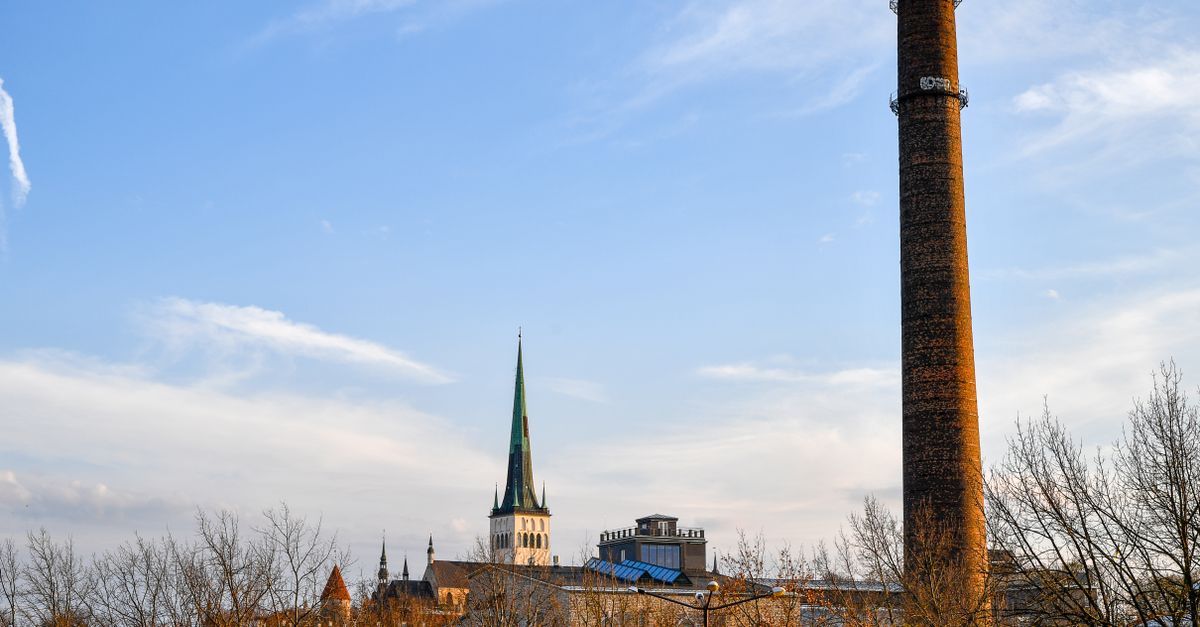
Visit churches for free on weekday mornings. Tallinn's medieval churches — Oleviste (St. Olav's), Niguliste (St. Nicholas), Toomkirik (Dome Church) — are free to enter for quiet visit during non-service hours. The Niguliste Museum does charge EUR 8 for its art collection, but the nave is accessible freely. The Toomkirik organ concerts (summer schedule, EUR 10-15) are among the most atmospheric music events in any city of Tallinn's size.