Sydney — Budget Guide
Budget Guide

Sydney on a Budget — How to Visit Without Breaking the Bank

Sydney is expensive by global standards — there is no pretending otherwise. Accommodation, dining out, and alcohol are significantly pricier than Southeast...

🌎 Sydney, AU 📖 7 min read 💰 Budget budget Updated Jun 2026

Sydney is expensive by global standards — there is no pretending otherwise. Accommodation, dining out, and alcohol are significantly pricier than Southeast Asian or even many European cities. But the city's greatest assets cost nothing: world-class beaches, harbour walks, botanic gardens, and a coastal landscape that rivals anywhere on earth.

A realistic daily budget of A$80-120 is achievable if you know where to stay, eat, and play. This guide shows you how to experience everything that makes Sydney extraordinary without the extraordinary price tag.

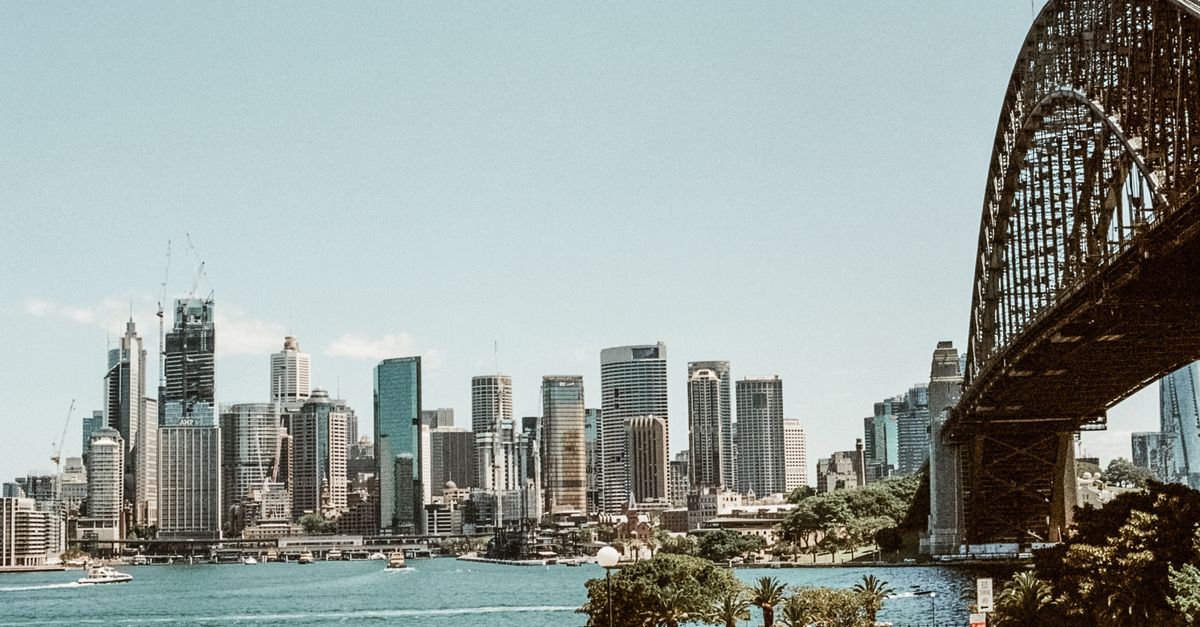
Sydney Opera House at dawn with harbour and city skyline
Sydney Harbour — the most spectacular free view in the country. Photo: Unsplash

Budget Accommodation

Hostels (A$30-55/night)

Wake Up! Sydney on Pitt Street is the city's largest and best-located hostel — dorms from A$32 with a ground-floor bar and cafe, steps from Central Station. YHA Sydney Harbour in The Rocks has dorms from A$45 with rooftop views of the Opera House and Bridge — the best hostel view in Australia. Mad Monkey Coogee offers beachside dorms from A$35, slightly removed from the centre but right on the coastal walk.

Budget Hotels (A$100-160/night)

Travelodge Sydney on Wentworth Avenue has compact rooms from A$110 in the CBD. ibis Budget Sydney Airport (from A$95) is useful for early flights. For better value, look to Newtown and Glebe — slightly further from the harbour but with better food options and lower room rates. Airbnb rooms in the inner west start at A$80-100 per night.

Best Budget Neighbourhoods

Newtown/Enmore has the cheapest food and drink in the inner city. Surry Hills is central with excellent cafe culture. Coogee/Maroubra offers beach access at lower prices than Bondi. Glebe has a village feel with budget dining and weekend markets.

Eating on A$30-50/Day

Cheap Eats Under A$15

Meat pies from bakeries (A$6-8), banh mi from Vietnamese bakeries in Marrickville or Cabramatta (A$6-8), pho in Chinatown (A$13-16), sushi hand rolls from takeaway shops (A$3-5 each), and HSP (halal snack pack — chips with kebab meat and sauces, A$12-15) from late-night kebab shops across the inner west.

Chinatown food courts serve plate meals for A$10-14. Chat Thai on Thaitown's Campbell Street serves pad see ew for A$15 that rivals Bangkok. Woolworths and Coles supermarkets sell pre-made sandwiches (A$5-7), sushi packs (A$8-10), and hot roast chickens (A$8-12) — genuine meal options.

BYO Restaurants

Sydney's BYO culture is a budget lifesaver. Restaurant wine markups are brutal (200-400%), but BYO venues charge only A$3-5 corkage. Buy a bottle from Dan Murphy's or BWS (decent wine from A$8-12) and pay only corkage at the restaurant. Thai, Turkish, and Indian restaurants in Newtown, Surry Hills, and the inner west are most likely to be BYO.

Markets

Paddy's Markets in Chinatown (Wednesday-Sunday) sell fresh fruit and vegetables at below-supermarket prices. Eveleigh Farmers Market on Saturday mornings in Redfern has excellent prepared food stalls — A$10-15 for artisan dishes.

Bondi Beach coastline with waves and cliffs at sunset Sydney
Bondi Beach — Sydney's most famous free attraction. Photo: Unsplash

Getting Around Cheaply

Opal Card Strategy

The Opal card system has a daily cap of A$17.80 — once you hit it, all remaining journeys that day are free. The weekly cap kicks in after 8 paid journeys. On Sundays, the cap drops to A$8.90 — plan your biggest travel day for Sunday if your schedule allows.

Ferries are the most expensive per-trip mode (A$6.12-7.65) but are covered by the daily cap. Buses and trains are cheaper per ride (A$2.24-4.60 for most CBD trips). Off-peak train travel (after 9:30 AM weekdays, all day weekends) is 30% cheaper.

Walking

Sydney's best experiences are free walks. The Bondi to Coogee Coastal Walk (6 km, free), the Harbour Bridge pedestrian walkway (free), the Manly Scenic Walk (10 km, free), and the Spit to Manly Walk (10 km, free) are all world-class. Walking between CBD, The Rocks, Darling Harbour, and Surry Hills is easy and scenic.

Airport Transfer

The Airport Link train charges a hefty A$18.70 gate fee on top of the regular fare. Budget alternative: take bus 400 from the airport to Mascot station (free transfer zone), then train from Mascot without the airport surcharge — total A$4-5 versus A$18-20. Or the airport shuttle buses to central hotels cost A$18-20 per person.

Free Things to Do

Beaches

Every beach in Sydney is free. Bondi, Coogee, Manly, Bronte, and Shelly Beach are all accessible by public transport. The ocean pools at Bondi Icebergs, Bronte, and Coogee are free (the Icebergs Pool itself costs A$9 but several other ocean pools are free). Swimming between the flags is patrolled by lifeguards — always swim between the red and yellow flags.

Parks and Gardens

The Royal Botanic Garden (free) borders the harbour with views of the Opera House. Centennial Park (free) covers 189 hectares with cycling paths, horse riding, and picnic areas. Nielsen Park at Vaucluse offers a harbour beach with city views in a national park setting (free). The Domain is a free open parkland connecting the botanic gardens to the CBD.

Museums with Free Entry

The Art Gallery of NSW has free general admission (the new SANAA-designed building is spectacular). The Museum of Contemporary Art at Circular Quay is free. The Australian Museum offers free entry for under-16s. Barangaroo Reserve is a free harbourside park with guided Aboriginal heritage walks.

Coastal walking path along sandstone cliffs between Bondi and Coogee Sydney
The Bondi to Coogee Coastal Walk — six free kilometres of the most dramatic coastline in Sydney. Photo: Unsplash

Daily Budget Breakdown

CategoryBackpacker (A$/day)Budget Traveller (A$/day)
AccommodationA$32-45 (hostel dorm)A$100-140 (budget hotel/Airbnb)
BreakfastA$5-8 (bakery/supermarket)A$12-18 (cafe)
LunchA$10-14 (Chinatown/banh mi)A$18-25 (cafe/market)
DinnerA$12-18 (BYO/takeaway)A$25-35 (restaurant)
TransportA$8-15 (Opal/walking)A$15-18 (daily cap)
ActivitiesA$0 (free beaches/walks)A$0-30 (one paid activity)
Daily TotalA$67-100A$170-266

Money-Saving Tips

Free Entertainment

Outdoor cinema events run in summer (January-March) at various harbour locations — check Moonlight Cinema in Centennial Park (from A$20) or free screenings at Pirrama Park. Live music at pubs is often free entry — The Lansdowne in Chippendale and The Vanguard in Newtown host acts most nights. Buskers at Circular Quay and Pitt Street Mall perform daily and are surprisingly good.

Supermarket Strategy

Woolworths and Coles mark down prepared meals, sushi, and bakery items after 7 PM — look for yellow discount stickers showing 30-50% off. The deli counters at both chains sell hot roast chickens for A$8-12, enough for two meals. IGA stores in inner-city suburbs are more expensive for groceries but sometimes have better markdowns on premium items near closing.

Free Harbour Walks

The Hermitage Foreshore Track from Rose Bay to Nielsen Park is a quiet harbourside walk through bushland and past hidden beaches — free, uncrowded, and more peaceful than the Bondi to Coogee trail. The Spit to Manly Walk (10 km, 3-4 hours) follows the harbour from The Spit Bridge to Manly through native bushland with Aboriginal rock carvings — one of Sydney's best free experiences.

💡 Happy hour strategy: Sydney's bar prices are steep (A$12-16 for a pint), but many pubs and bars in Newtown, Surry Hills, and the CBD run happy hours from 4-6 PM with A$6-8 pints and A$10-12 house wine. The Marlborough in Newtown and Frankie's Pizza in the CBD are reliable picks. Buying alcohol from bottle shops (Dan Murphy's, BWS) for hotel/hostel drinks is the cheapest option — a six-pack of craft beer runs A$18-22 versus A$60+ at a bar.

Plan your trip. See our 3-Day Sydney Itinerary and read the Sydney Food Guide on JustCheckin.

JC
JustCheckin Editorial Team
Researched, written, and verified by travel experts. Last updated Jun 01, 2026.
COMPLETE SYDNEY TRAVEL GUIDE

Everything you need for Sydney

🗺️
3-Day Itinerary
🍜
Food Guide
💎
Hidden Gems
💰
Budget Guide
You are here
✈️
First Timer's Guide
🏨
Hotels

Daily Budget — Sydney

Typical traveller costs · All figures in USD

🎒
$150
Budget/day
🏨
$300
Mid-range/day
$700
Luxury/day

💱 Australian Dollar (AUD) - approx 0.65 USD to 1 AUD

Culture & Etiquette

👗
Dress Code
Sydney is generally casual. Beachwear is acceptable at the beach and nearby cafes. For most restaurants and bars, smart casual is appropriate. For religious sites like churches, modest dress (shoulders and knees covered) is respectful. Business attire is expected for formal business meetings.
🤝
Local Customs
Australians are generally laid-back and friendly. 'G'day' is a common greeting. Tipping is not customary or expected in restaurants or taxis, though rounding up the bill or leaving a small amount for exceptional service is appreciated. Queuing (lining up) is very important. Punctuality is valued.
⚠️
Watch Out For
Watch out for common tourist scams such as 'shell games' or 'three-card monte' in busy tourist areas. Be wary of overly friendly strangers offering unsolicited help or tours, especially around major attractions. Check prices before agreeing to services. Be cautious of 'too good to be true' deals on accommodation or tours. Ensure taxis use the meter.
Dos & Don'ts
Do: Be polite, say 'please' and 'thank you'. Hold doors open for others. Be mindful of noise levels in public spaces. Don't: Litter. Be excessively loud or disruptive. Interrupt conversations. Assume everyone speaks English as their first language (though it's widely spoken).
👩
Solo Female Safety
Sydney is generally very safe for solo female travellers. Public transport is reliable and well-lit. Stick to well-populated areas, especially at night. Be aware of your surroundings, particularly in nightlife districts. Trust your instincts; if a situation feels uncomfortable, remove yourself from it. Share your itinerary with someone back home. Emergency services number is 000.
🏳️‍🌈
LGBTQ+ Notes
Sydney is a very LGBTQ+ friendly city, particularly in areas like Darlinghurst and Newtown, which have a vibrant LGBTQ+ scene. Same-sex marriage is legal in Australia. Discrimination based on sexual orientation or gender identity is illegal.
📷
Photography
Generally, you can photograph most public places and landmarks. However, avoid photographing children without parental consent, people in private residences, military installations, police, or government buildings where signage may prohibit it. Some indigenous cultural sites may have restrictions on photography; always check for signs or ask permission.

Getting Around Sydney

✈️
Airport Transfer
The Airport Link train is the fastest way from Sydney Airport to the city centre, costing around $19.50 one-way. Alternatively, ride-sharing services like Uber or Didi are available and may be more cost-effective for groups.
🚇
Public Transport
Sydney's public transport system includes trains, buses, ferries, and light rail, all integrated with the Opal card or contactless payment. Trains are efficient for longer distances, while buses cover most areas.
📱
Taxi & Ride Apps
Uber, Didi, and Ola are the most popular ride-sharing apps in Sydney. They are generally reliable and often more affordable than traditional taxis. Ensure your app is updated and payment details are correct.
🛵
Rental Tips
Renting a car in Sydney can be convenient for exploring beyond the city, but parking is expensive and traffic can be heavy. An international driving permit is recommended, and be aware of strict speed limits and toll roads.
🗺️
Getting Around
Use the Transport NSW Trip Planner app or Google Maps for real-time public transport information and journey planning. Sydney's ferry network offers scenic and practical travel options to many waterfront suburbs.

Frequently Asked Questions

Yes, tap water in Sydney is perfectly safe to drink and of high quality. You can refill your water bottles from any tap without concern.
Sydney uses Type I electrical outlets, which have three flat pins (two angled and one vertical). You will likely need an adapter if your country uses a different plug type. The standard voltage is 230V.
The easiest way is to purchase a prepaid SIM card from major providers like Telstra, Optus, or Vodafone at the airport upon arrival, or from their retail stores in the city. Many offer tourist-specific plans with generous data allowances.
Australians are generally laid-back. Politeness is appreciated, so saying 'please' and 'thank you' is good. Queuing (lining up) is expected. When visiting someone's home, a small gift like wine or chocolates is a nice gesture, but not mandatory.
Sydney is generally a very safe city for tourists. However, like any major city, it's wise to be aware of your surroundings, especially in crowded areas or at night. Keep valuables secure and avoid walking alone in poorly lit areas.
Bargaining is not common or expected in most retail settings in Sydney. Prices in shops, department stores, and supermarkets are generally fixed. You might find some room for negotiation in smaller, independent markets or with private sellers, but it's not a widespread practice.
Tipping is not mandatory or expected in Sydney. Service staff are paid a living wage. While not required, a small tip (5-10%) for exceptional service in restaurants or for tour guides is appreciated but entirely at your discretion.
Most shops in Sydney operate from around 9 am to 5:30 pm on weekdays, with extended hours until 9 pm on Thursdays. Weekend hours are typically shorter, often 9 am to 5 pm on Saturdays and 10 am to 5 pm on Sundays. Major shopping centres may have longer hours.
Common scams include 'friendship' or 'romance' scams online, and sometimes street performers asking for exorbitant amounts. Be wary of unsolicited offers for tours or services. Always use reputable companies and be cautious of people approaching you aggressively. Pickpocketing can occur in very crowded tourist spots.
Sydney has an excellent public transport system. You can use an Opal card (or contactless credit/debit card) for trains, buses, ferries, and light rail. The ferry system offers scenic routes and is a great way to see the harbour. Walking is also feasible in many central areas.
✨ Jiai — Travel AI Open Full →
Hi! I'm **Jiai**. Ask me about hotels, flights, activities or budgets for any destination.
✈️

You're on a roll!

Enter your email for unlimited Jiai access + personalised travel deals.

No spam. Unsubscribe anytime.