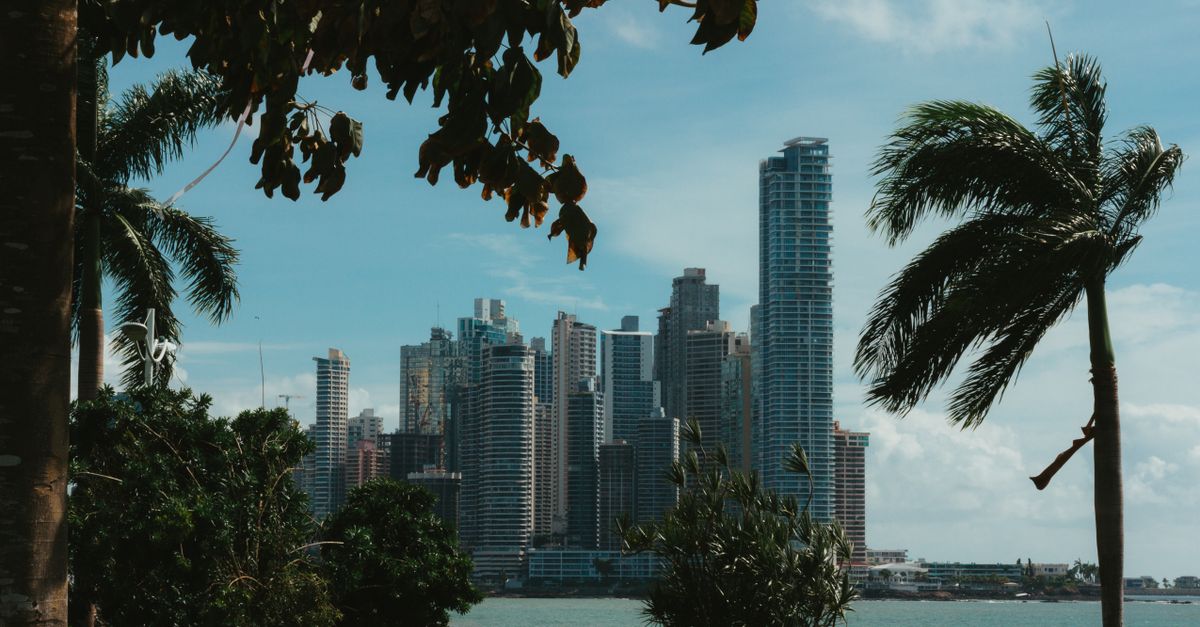
Panama City is the cheapest world-class city in the Americas — a high-rise skyline that looks like Miami's older brother, a 500-year-old colonial quarter that rivals Cartagena and Havana for street-level beauty, and the most extraordinary engineering monument on Earth in the form of the Canal. The dollarised economy means budget travellers don't need a calculator app or constant exchange-rate maths, and the city's combination of efficient Metro line, cheap MetroBus network, and walkable Casco Viejo lets a careful visitor cover the major sights for USD 30-45 a day. The trick is knowing where to stay (not where the Marriott sits), where to eat (the fonda lunch counters where construction workers eat for USD 5), and how to navigate a city where neighbourhoods change character in three blocks. This guide covers every angle of cheap-but-real Panama City, from the Mercado de Mariscos ceviche cup at USD 1.50 to the rooftop happy-hour Spritz that costs less than a Brooklyn coffee. Panama City's reputation as expensive is tied to the high-rise hotel scene; below that surface, the prices are honest.
Getting There on a Budget
Almost all international visitors arrive at Tocumen International Airport (PTY), 25 kilometres east of the city centre and Panama's flagship hub. The cheapest transfer is the public Corredor Sur Express bus, which runs from the airport's bus terminal (downstairs from arrivals, follow signs to "Terminal de Buses") to Albrook Bus Terminal in central Panama City for USD 1.25 (paid via the Rapi-Pass card; see below) — journey time 60-75 minutes depending on traffic. The bus runs roughly every 15-30 minutes from 5am to 10pm. From Albrook, the Metro Line 1 runs every few minutes to Cinco de Mayo (for Casco Viejo) or to Iglesia del Carmen (for El Cangrejo and Bella Vista) at USD 0.35 a ride.

For arrivals outside bus operating hours or with heavy luggage, Uber at PTY is the best mid-range option — fares from PTY to Casco Viejo or Bella Vista run USD 18-28 depending on time of day and traffic, roughly half the official taxi price (USD 35-45 fixed). The Uber pickup zone is signed at the arrivals exit; expect 5-15 minutes for a driver to reach you. Yellow taxis from the official rank are reliable but pricey — agree the fare before getting in, as not all use meters.
For travellers arriving from Costa Rica overland, the Tracopa and Panaline buses run from San José to Panama City (USD 35-45, 16-18 hours via the Paso Canoas border crossing) — slow, cheap, and useful if you want to stop at David or Boquete on the way. Domestic buses converge at Albrook Bus Terminal, which sits beside the Albrook Mall and the Metro line, making onward connections to Casco Viejo or Bella Vista quick.
Flying internationally to Panama City is often the cheapest option from US gateways and from northern South America. Copa Airlines (Panama's flag carrier) routinely undercuts other airlines on Latin American routes, and Spirit, Avianca, and JetBlue serve PTY with fares from USD 180-280 from Miami, Houston, and Fort Lauderdale during shoulder seasons (April-June, September-November). For short-haul intra-Americas trips, flying is often less than half the bus cost when you account for time.
Budget Accommodation
Panama City's hostel scene is concentrated in two zones: Casco Viejo (the colonial old town, beautiful and walkable, with hostel dorm rates that have risen with the gentrification wave) and El Cangrejo / Bella Vista (the modern Banking District, with cheaper hostels and easy Metro access to the centre). Dorm beds across both areas run USD 14-25, and private rooms with shared bathrooms USD 35-65.

Selina Casco Viejo (Calle 9 Este, Casco Viejo, USD 17-23 dorm, USD 55-85 private double) sits in a beautifully restored colonial building with a courtyard, a coworking space, a rooftop bar, and the standard Selina mix of digital nomads and short-trip travellers. The location is the best in the city — three blocks from the Plaza Mayor, two from the Mercado de Mariscos. Book ahead in dry-season weekends.
Magnolia Inn (Calle 8 Este, Casco Viejo, USD 18-28 dorm, USD 65-95 private) is the long-running social hostel in Casco Viejo — communal kitchen, rooftop terrace, and a daily happy hour that pulls travellers from across the neighbourhood. Smaller and more atmospheric than Selina, with slightly cheaper private rooms and a stronger backpacker community.
Hostal Casa Areka (Calle Uruguay, Bella Vista, USD 14-19 dorm, USD 38-55 private) sits in the financial district four blocks from the Iglesia del Carmen Metro station — the cheapest decent hostel in the city, with a small pool, a working kitchen, and easy access to El Cangrejo's restaurant strip. Less Instagram-worthy than the Casco Viejo options but USD 5-10 cheaper per night and well-located for travellers who want the modern city as their base.
Luna's Castle (Calle 9 Este, Casco Viejo, USD 16-22 dorm, USD 50-75 private) was the original Casco Viejo hostel and still has the most committed party crowd — basement bar, free pancake breakfast, and a steady run of solo travellers heading south to Colombia or north to Costa Rica. Showing its age but well-priced for the location.
Eating Cheaply Like a Local
The single most important Panama City budget eating concept is the fonda — a small, family-run lunch counter that serves a fixed daily menu (the menú del día) of rice, beans, plantains, salad, and a meat or fish plate for USD 4-7. Fondas operate weekday lunchtimes only, are scattered throughout working-class neighbourhoods, and are the meal that powers the city's office workers, construction workers, and Metro maintenance crews. The food is honest, plentiful, and a fraction of the tourist-restaurant price.

The Mercado de Mariscos (Avenida Balboa at the Casco Viejo end, opens 6am, closes around 5pm) is the city's seafood market and the most famous budget-eating destination in Panama City. The first floor is the wet market — fish, shrimp, octopus, lobster on ice — and the second floor is a cluster of small restaurants serving the day's catch. Ceviche cups from the takeaway windows at the entrance run USD 1.50-3 (Panamanian style: lime, onion, cilantro, hot sauce optional) and are the city's most photographed cheap meal. Sit-down lunches upstairs run USD 8-14 for whole grilled fish, soup, or seafood paella. Avoid the immediate area after dark; the market itself closes by early evening.
The Mercado de Abastos (Curundú, near Albrook) is the city's main wholesale produce market and has dozens of working-class fondas inside and around the perimeter — daily lunches USD 4-6, fruit juices USD 1, and a chaotic mid-morning market atmosphere. Not on most tourist itineraries but the cheapest hot food in the city.
For a sit-down restaurant lunch in a more central location, Mi Salsa (Calle 51 Este, Bella Vista) and Restaurante Tinajas (Calle 51 Este, near Via España) both serve traditional Panamanian sancocho (chicken-and-vegetable soup, USD 6-9), arroz con pollo (USD 7-9), and ropa vieja (USD 9-12) at honest prices. The Granclément ice-cream shop on Avenida Central in Casco Viejo is the cheap dessert benchmark — USD 3-4 for a generous scoop of artisanal flavours.
Casco Viejo is the touristy zone but has real budget options if you know where to look. Diablicos (Avenida A, Casco Viejo) does Panamanian classics at fair prices (mains USD 9-14). The Mercado de San Felipe Neri at Avenida Central runs evening food markets some weekends with empanadas, hojaldres (fried bread, USD 1), and arepas at street prices.
Self-caterers should head to Super 99, Rey, or Riba Smith supermarkets — all three have central locations and stock the basics for hostel-kitchen breakfasts and lunches. A loaf of bread, eggs, fruit, and coffee for breakfast comes to USD 3-5 per person.
Free & Low-Cost Attractions
The single greatest Panama City attraction — wandering Casco Viejo — is free, and the city's compactness means you can cover the historical core, the Cinta Costera waterfront, and several cheap viewpoints in one full walking day.

Casco Viejo (the UNESCO-listed colonial old town) is free to enter and wander. The Plaza Mayor (also called Plaza de la Independencia), the Metropolitan Cathedral, the Palacio de las Garzas (presidential palace, exterior only), and the dozens of restored colonial mansions are all free to view from the street. The neighbourhood is genuinely beautiful at golden hour — start your walk around 4pm, finish at the Plaza de Francia at sunset for the best view of the modern skyline across the bay.
The Cinta Costera (the waterfront promenade running from Casco Viejo to Punta Pacifica) is free and one of the city's best walking routes — joggers, cyclists, food vendors, and uninterrupted skyline views across the bay. Walk it at sunrise or in the early evening when the heat eases. The full length is roughly 6 kilometres; expect 75-90 minutes one way at a comfortable pace.
The Biomuseo (Amador Causeway, USD 22 / USD 11 for residents and students with ID) is the Frank Gehry-designed natural history museum on the causeway — pricey by Panama City standards but worth a half-day visit for first-timers. The exterior architecture and the surrounding causeway are free; the causeway itself is one of the city's best free walking and cycling routes with skyline views back toward the centre.
The Miraflores Locks Visitor Centre (USD 20 adult, USD 10 children, includes the IMAX-style film and four observation decks) is the standard Canal experience — see ships transit the locks, watch the museum film, and visit the observation decks. The cheaper alternative is the Agua Clara Locks on the Caribbean side (USD 15 adult) which is less crowded and offers similar views. Both close by 5pm.
Free urban parks include Parque Natural Metropolitano (the small tropical forest park within the city, USD 5 entry, sloths and toucans visible from the trails), the Plaza de Francia at the southern tip of Casco Viejo (free, with the best photographic angle of the modern skyline), and the Cerro Ancón hilltop (free, 30-minute walk up from the base, panoramic views of the Canal entrance and the city).
Getting Around on a Budget
Panama City is the only Central American capital with a real subway system, and the network is cheap, fast, and underused by visitors. Metro Line 1 runs north-south from Albrook (the bus terminal) through Cinco de Mayo (closest stop to Casco Viejo, with a 15-minute walk down Avenida Central), Iglesia del Carmen (closest to El Cangrejo and Bella Vista), and on to San Isidro. Metro Line 2 runs east toward the airport. Each ride costs USD 0.35 and is paid using the Rapi-Pass card, the same plastic card used on the public buses.

The MetroBus system covers everywhere the Metro doesn't reach — including the Amador Causeway, the Biomuseo, the Calzada de Amador, and the residential neighbourhoods east and west of the centre. Fares are USD 0.25-1.25 depending on route, all paid via Rapi-Pass. Routes are confusingly numbered; use Google Maps or the Moovit app to plan trips. The Corredor Sur express buses to and from the airport are part of the same system.
Uber is the standard Panama City rideshare and is dramatically cheaper than the official taxi rates. Cross-city rides typically run USD 4-9, surge pricing aside. Uber works particularly well at night when the bus network thins and standard taxis become unpredictable. Yellow taxis are reliable for short rides but rarely use meters; agree the fare before getting in (centre to airport USD 30-40, Casco Viejo to Bella Vista USD 5-8 typically).
For trips outside the city — to the Miraflores Locks, the Metropolitan Park, the Causeway — the public buses cover most routes for USD 0.35-1.25, but Uber is often only USD 5-9 and saves 30-45 minutes versus the bus. The right call depends on whether you're optimising for time or money.
Money-Saving Tips
Panama City rewards travellers who learn the local rhythms — the dollarised economy means no exchange-rate gymnastics, but the gap between tourist prices and local prices is wider than in most Central American capitals. The following are the highest-leverage habits for cutting your daily budget by 30-40%.
1. Eat your main meal at fonda lunch. The weekday menú del día at any fonda is USD 4-6 for a full plate plus drink. The same plate at a Casco Viejo dinner restaurant is USD 14-22. Front-load eating to lunch and treat dinner as a snack from a market or convenience store.
2. Buy a Rapi-Pass card on day one. Without it, every Metro and bus ride becomes a USD 5-9 Uber instead of a USD 0.35 ride. The card and minimum balance cost USD 3.25; the savings on a four-day trip exceed USD 30.
3. Stay in hostels with included breakfast. Magnolia Inn and Luna's Castle both include simple breakfast in the rate; this is USD 4-6 per day saved versus buying breakfast separately. Selina charges separately for breakfast and skip it — eat at a Casco Viejo bakery (hojaldres USD 1-2, coffee USD 1.50) instead.
4. Take the Corredor Sur bus from the airport. USD 1.25 on the bus versus USD 30-45 in an official taxi or USD 18-28 in an Uber. Even with the Metro transfer at Albrook, the bus saves USD 20-40 per arrival.
5. Skip the Miraflores Locks if you're tight on budget. The Miraflores experience costs USD 20 plus transport. The Cinta Costera and the Casco Viejo waterfront are free and offer views of canal-bound ships transiting the bay. If you do go to the locks, the public bus from Albrook is USD 1.25 versus USD 8-15 per person on a tour shuttle.
6. Use Casco Viejo's happy hours. Most rooftop bars in the colonial quarter run 5pm-7pm happy hours with USD 4-6 cocktails versus USD 10-15 at full price. Tantalo, Selina rooftop, and Casa Casco all have well-priced sundown windows. A pre-dinner cocktail with the best skyline view in Central America for the price of a craft beer is one of the city's better deals.
7. Buy souvenirs at the Mercado de Artesanías in the Y.M.C.A. building near Casco Viejo or at the central handicraft market on Avenida Cuba — Panama hats, molas (the appliqué textiles from the Guna people of San Blas), and basket work all sell for 30-50% less here than at airport gift shops or Casco Viejo souvenir stores. A genuine handmade Panama hat (which is, despite the name, originally Ecuadorian) runs USD 25-150 depending on weave quality at the market versus USD 80-300 at the airport.