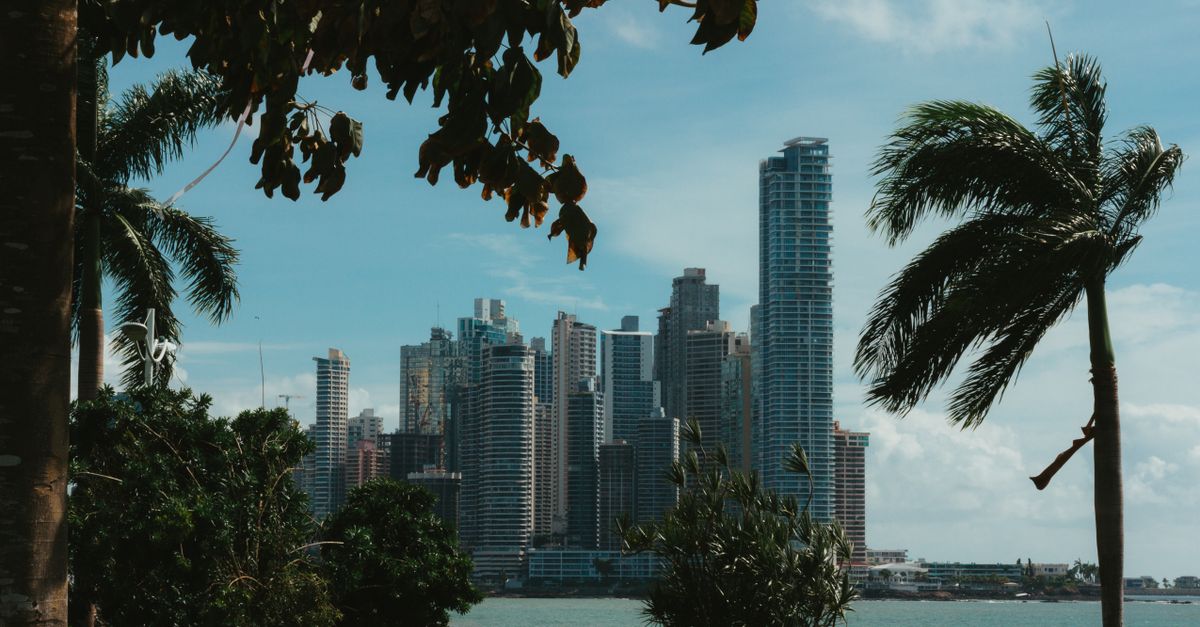
Panama City exceeds expectations even when expectations are high. What images cannot convey is the texture — the way air feels on your skin at dusk, the aroma that greets you in the central market, conversations flowing in rhythms that belong only to this place.
This itinerary balances the must-see landmarks with quieter neighborhoods where the city's true character emerges. Eat everything, walk everywhere, and talk to strangers. The city rewards curiosity with generosity.

Panama Canal & Casco Viejo
Morning (8:00 AM) — Miraflores Locks visitor center: The atmosphere builds gradually as you explore — from initial orientation to genuine immersion. Allow at least an hour, more if you read every plaque and peer around every corner. The surrounding streets offer good cafes for a post-visit debrief over coffee or a cold drink. Check opening hours in advance as seasonal schedules vary.
Mid-Morning (10:30 AM) — Casco Viejo walking tour: This is one of Panama City's defining experiences — photographs cannot fully convey the combination of visual impact and cultural significance. Spend at least 45 minutes here, preferably in the morning when the light is best and crowds are manageable. The views from elevated sections reward the climb, offering a perspective that reframes the city's layout.
Afternoon (1:00 PM) — Plaza de Francia: Arrive early — by midday the tour groups arrive in force. The atmosphere is best appreciated at a slow pace, with stops to absorb details that reveal themselves only to those paying attention. A local guide can unlock layers of meaning invisible to the uninstructed eye. Budget at least an hour and resist the urge to rush.
Late Afternoon (3:30 PM) — National Theater visit: The combination of natural beauty and human history here creates an experience on multiple levels. First-time visitors often focus on the photogenic elements, but the deeper reward comes from understanding why this place exists and what it means to the people who live here. Take your time — the place is not going anywhere.
Evening (6:00 PM) — Rooftop bar sunset: What makes this stop essential is how it connects to Panama City's larger story — a narrative of decisions, ambitions, and compromises that explain why the city looks and feels the way it does. Experiencing it in person adds a dimension that reading about it cannot replicate.
BioMuseo, Causeway & Panama Viejo
Morning (8:00 AM) — BioMuseo biodiversity museum: The atmosphere builds gradually as you explore — from initial orientation to genuine immersion. Allow at least an hour, more if you read every plaque and peer around every corner. The surrounding streets offer good cafes for a post-visit debrief over coffee or a cold drink. Check opening hours in advance as seasonal schedules vary.
Mid-Morning (10:30 AM) — Amador Causeway walk: This is one of Panama City's defining experiences — photographs cannot fully convey the combination of visual impact and cultural significance. Spend at least 45 minutes here, preferably in the morning when the light is best and crowds are manageable. The views from elevated sections reward the climb, offering a perspective that reframes the city's layout.
Afternoon (1:00 PM) — Panama Viejo ruins: Arrive early — by midday the tour groups arrive in force. The atmosphere is best appreciated at a slow pace, with stops to absorb details that reveal themselves only to those paying attention. A local guide can unlock layers of meaning invisible to the uninstructed eye. Budget at least an hour and resist the urge to rush.
Late Afternoon (3:30 PM) — Mercado de Mariscos lunch: The combination of natural beauty and human history here creates an experience on multiple levels. First-time visitors often focus on the photogenic elements, but the deeper reward comes from understanding why this place exists and what it means to the people who live here. Take your time — the place is not going anywhere.
Evening (6:00 PM) — Avenida Balboa promenade: What makes this stop essential is how it connects to Panama City's larger story — a narrative of decisions, ambitions, and compromises that explain why the city looks and feels the way it does. Experiencing it in person adds a dimension that reading about it cannot replicate.
Metropolitan Park & Day Trip
Morning (8:00 AM) — Metropolitan Natural Park hike: The atmosphere builds gradually as you explore — from initial orientation to genuine immersion. Allow at least an hour, more if you read every plaque and peer around every corner. The surrounding streets offer good cafes for a post-visit debrief over coffee or a cold drink. Check opening hours in advance as seasonal schedules vary.
Mid-Morning (10:30 AM) — OR San Blas Islands day trip: This is one of Panama City's defining experiences — photographs cannot fully convey the combination of visual impact and cultural significance. Spend at least 45 minutes here, preferably in the morning when the light is best and crowds are manageable. The views from elevated sections reward the climb, offering a perspective that reframes the city's layout.
Afternoon (1:00 PM) — Calle Uruguay evening dining: Arrive early — by midday the tour groups arrive in force. The atmosphere is best appreciated at a slow pace, with stops to absorb details that reveal themselves only to those paying attention. A local guide can unlock layers of meaning invisible to the uninstructed eye. Budget at least an hour and resist the urge to rush.

Budget Breakdown (Per Person, 3 Days)
| Category | Budget | Mid-Range | Luxury |
|---|---|---|---|
| Accommodation (3 nights) | $75 | $210 | $600 |
| Food & Drinks | $40 | $100 | $300 |
| Transport | $10 | $30 | $80 |
| Activities | $20 | $55 | $180 |
| Total | $145 | $395 | $1,160 |
Practical Tips for Panama City
Getting Around
Metro, taxis, Uber covers most of Panama City. Combine public transport for longer distances with walking for neighborhoods. Download offline maps before arriving. Multi-day transit passes almost always offer better value than single tickets.
When to Visit
Visit Panama City during December-April for comfortable walking weather and accessible outdoor attractions. Shoulder seasons bring fewer crowds and lower prices.
Neighbourhoods to Know
Panama City is a city of distinct barrios that exist in parallel, each with its own economic logic, architecture, and energy. Moving between them — fifteen minutes by Uber from one century to the next — is one of the city's defining pleasures. Understanding how they relate to each other transforms a standard tourist circuit into genuine urban exploration.
Casco Viejo (also called Casco Antiguo or San Felipe) is the colonial old town on a peninsula jutting into Panama Bay, declared a UNESCO World Heritage Site in 1997. The restoration project here is ongoing and imperfect — renovated boutique hotels stand next to roofless ruins, and a resident population that never left shares streets with weekend visitors paying $20 for cocktails at rooftop bars. The tension is productive. Plaza de la Independencia (Plaza Mayor) is the social center; the covered market on the waterfront edge sells produce to residents who have shopped there for generations. For eating, Donde José serves a nine-course Panamanian tasting menu for $65 that traces the country's culinary history. Walk every street — the neighbourhood is only about ten blocks square.
Marbella and El Cangrejo are the commercial and residential districts where Panama City's professional middle class eats, drinks, and socialises. Calle Uruguay in Marbella is the nightlife corridor — a strip of bars and restaurants that begins filling around 9 PM and rarely quiets before 2 AM. This is not tourist nightlife; it is Panamanians going out, and the quality gap between Calle Uruguay's better restaurants and the tourist-facing spots in Casco Viejo is significant. Maito on Calle 51 Este serves contemporary Panamanian cuisine using indigenous ingredients (plantain, otoe, culantro) with a sophistication that reflects the chef's Noma training. Mains cost $18-28. Reserve ahead.
Costa del Este, east of the banking district's glass towers, is new-money Panama — gated condo developments, international restaurant chains, and shopping malls designed for residents who have been to Miami. Multiplaza Pacific mall contains everything you might need but nothing you actually came to Panama for. Its value is practical: reliable pharmacies, supermarkets, currency exchange booths with competitive rates, and air conditioning during the midday heat. The Metrobus stops directly outside.
Ancón and Quarry Heights, the hillside neighbourhoods above Casco Viejo that were part of the former U.S. Canal Zone, offer a peculiar time-capsule quality — streets of low-rise American suburban houses built for Canal Zone employees, now occupied by Panamanian families, surrounded by the Parque Natural Metropolitano where toucans and sloths are spotted from the trailheads. The Miraflores neighborhood nearby connects directly to the Canal visitor center, making it the logical base for a Canal-focused morning. Grab coffee at any local soda (basic lunch counter) before heading to the Locks — they open at 8 AM and the first ships transit by 9 AM.
San Felipe's waterfront, the strip between Casco Viejo and Avenida Balboa, is where Panama City's informal economy operates most visibly. The Mercado de Mariscos at its eastern end is the fish market — a cavernous hall where the morning catch arrives before 6 AM and ceviche stalls open immediately after. A large shrimp and fish ceviche with plantain chips costs $5. Arrive before 10 AM for the freshest preparations and the full market atmosphere; by noon, the energy has shifted toward the tourist lunch crowd and prices tick upward.
Heading to the Caribbean? Read our Cartagena 3-Day Itinerary for your next adventure.