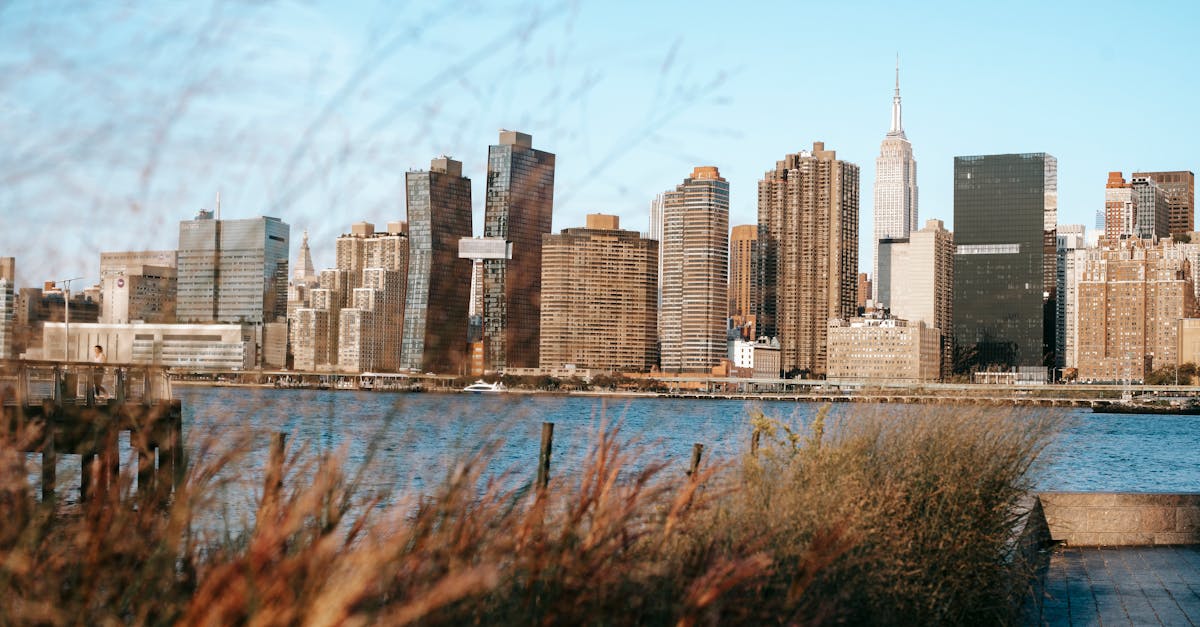
New York on a Budget: How to Spend $80-120 Per Day
New York can drain your wallet in hours or stretch for weeks — it depends entirely on where you eat, sleep, and what you choose to skip. The city has $1 pizza, free ferries with Statue of Liberty views, world-class parks that cost nothing, and happy hours that make $18 cocktails suddenly $8. This guide shows how to experience NYC properly on $80-120 per day without feeling like you're missing out.

Accommodation: $40-70 Per Night
Hostels in Manhattan run $45-70 per dorm bed, which is steep compared to European cities but normal for NYC. HI New York on the Upper West Side is the best-reviewed option: clean 4-8 bed dorms with lockers, a full guest kitchen, a garden terrace, and a location steps from Central Park ($50-65/night). It's run by Hostelling International, so standards are consistent.
For cheaper rates, cross the river. The Local NYC in Long Island City, Queens, offers dorms from $40 with Manhattan skyline views from the rooftop and is only one subway stop from Midtown. NY Moore Hostel in Williamsburg, Brooklyn, runs $38-55 and puts you in one of the city's best food and nightlife neighbourhoods. Queens and Brooklyn hostels are 15-20 minutes from Midtown by subway and offer significantly better value than anything in Manhattan.
Transport: $7-10 Per Day
A single subway ride costs $2.90 using OMNY contactless tap (any contactless card or phone). If you're staying 4+ days, the weekly cap kicks in at $34 — after 12 rides in a Monday-to-Sunday period, every ride is free. You don't need to buy a physical card; just tap the same contactless method consistently.
Walk whenever possible — Manhattan is designed for pedestrians and walking is genuinely the fastest way to cover short distances. Walking from the East Village to Times Square takes 30 minutes and you'll see more of the city than from any subway car. The Staten Island Ferry is completely free, runs 24/7, and passes the Statue of Liberty with excellent views — it's the best free activity in New York. The NYC Ferry (East River routes to Brooklyn, Queens, and Governors Island) costs $4 per ride and is far more scenic than the subway for waterfront destinations.
Free Attractions Worth Full Days
Central Park has 843 acres of trails, lakes, meadows, and hidden spots — easily a half-day without spending anything. The Bethesda Fountain, Bow Bridge, Shakespeare Garden, and Belvedere Castle are all free. The High Line is a free elevated park with art installations, native plants, and views of the Hudson River and Chelsea streetscape. Brooklyn Bridge walk is free, takes 30-40 minutes, and delivers the most iconic views in the city.
Grand Central Terminal is an architectural landmark you can explore for free — look up at the constellation ceiling painted across 59 feet of blue-green sky. Free museum opportunities: MoMA is free on the first Friday evening of each month (4-8pm). The Met suggests $30 but is technically pay-what-you-wish for New York State residents. Brooklyn Museum hosts free First Saturdays (5-11pm) with art, music, and film. The National Museum of the American Indian in the old Custom House and Federal Hall on Wall Street are always free.
Eating on $20-30 Per Day
Breakfast ($3-5): A bagel with cream cheese from a local shop costs $3-4. Bodega (corner store) coffee is $1.50-2 for a large cup that's better than Starbucks. Skip any café charging $6+ for drip coffee — that's a lifestyle tax, not a necessity. Grocery stores like Trader Joe's (multiple Manhattan locations) sell granola, yogurt, and fruit cheaply for DIY breakfast.
Lunch ($5-10): Dollar pizza slices ($1-1.50) are everywhere. Chinatown rice plates at Wah Fung ($4.25) are the single best cheap meal in Manhattan. Halal Guys platters ($8), falafel wraps ($6-7), and food truck options keep you fed for under $10. Xi'an Famous Foods serves hand-pulled noodles and lamb burgers for $8-11 across multiple locations — the spicy cumin lamb noodles are exceptional.
Dinner ($10-15): Happy hours are your secret weapon in New York. Many Manhattan bars offer half-price drinks and $1 oysters, $5 sliders, or free bar snacks from 4-7pm. Full dinner options: Joe's Shanghai soup dumplings ($10.95), Vanessa's Dumpling House (8 dumplings for $6), a generous Chipotle burrito ($10), or two excellent dollar slices with a can of soda for $4 total.

Happy Hours & Cheap Nights Out
New York's happy hour culture is serious business. Draft beers drop to $4-5 and well cocktails to $6-8 between 4-7pm at most bars citywide. The East Village and Lower East Side have the densest concentration of affordable bars. d.b.a. on First Avenue has craft beer from $5. McSorley's Old Ale House in the East Village (NYC's oldest bar, since 1854) serves two mugs of their house ale for $6.50.
Free comedy: The Creek and the Cave in Long Island City hosts free stand-up shows nightly with genuinely good comedians testing material. Upright Citizens Brigade (co-founded by Amy Poehler) has shows from $5-10. For live music, Rockwood Music Hall on the Lower East Side has no cover charge on Stage 1 — singer-songwriters and indie bands play nightly. Many jazz clubs in the Village charge no cover if you sit at the bar and order a drink.
Daily Budget Breakdown
| Category | Shoestring | Comfortable Budget | Budget+ |
|---|---|---|---|
| Hostel / Accommodation | $38-50 | $50-70 | $70-100 |
| Food | $15-22 | $25-35 | $35-55 |
| Transport | $5 (walk + 1-2 rides) | $7-10 | $10-15 |
| Attractions | $0 (free stuff only) | $5-15 | $15-30 |
| Daily Total | $58-77 | $87-130 | $130-200 |

Free Outdoor Activities
Beyond the obvious parks, New York has excellent free outdoor programming. Bryant Park behind the New York Public Library hosts free movie screenings on summer Monday nights, free yoga on Tuesday and Thursday mornings, and free juggling and circus classes. Prospect Park in Brooklyn has 526 acres of meadows, forests, and a lake — less crowded than Central Park and equally beautiful. The East River Greenway is a waterfront cycling and walking path stretching most of Manhattan's eastern shore with views of Brooklyn, Queens, and the bridges connecting them.
Budget Accommodation Tips
Accommodation is the single biggest variable in your NYC budget. Spend $100/night versus $50/night across a week and you've added $350 to your total cost — enough to cover food for three additional days. Knowing where to look and what trade-offs are genuinely acceptable versus which ones aren't worth making stretches your money without compromising the trip.
Hostels are the obvious starting point, but not all are equal. HI New York Hostel on the Upper West Side (Amsterdam Avenue and 103rd Street) remains the gold standard: purpose-built, clean, with a communal kitchen, coin laundry, garden terrace, and consistent security. Mixed dorms run $50-65/night depending on season. The Upper West Side location means Central Park is 5 minutes away and the 1/2/3 subway trains provide fast access to Midtown and Downtown. NY Moore Hostel in Williamsburg costs $38-55/night and puts you in Brooklyn's best eating and nightlife neighbourhood, one stop from Midtown on the L train.
For private rooms at near-hostel prices, search for guesthouses in Jackson Heights (Queens) and Astoria (Queens) — both are genuine New York neighbourhoods with excellent ethnic food scenes, multiple subway lines to Manhattan, and accommodation rates 40-60% below Manhattan equivalents. Airbnb private rooms in Brooklyn and Queens consistently undercut Manhattan hotel rates for comparable quality, especially in Crown Heights, Bushwick, and Sunnyside.
Booking timing matters significantly. New York hotel rates fluctuate more than almost any other city — the same room can cost $90 on a Tuesday in January and $280 on a Saturday in October. Tools like Google Hotels' price graph and Hotelscombined let you scan across a date range to find the cheapest nights. Midweek stays (Sunday through Thursday) are reliably cheaper than weekends across all price tiers. Booking 3-6 weeks in advance typically yields the best combination of availability and price for budget-tier rooms.
Free breakfast is a legitimately valuable perk at the budget-hotel tier in NYC. A basic New York breakfast (bagel, coffee, orange juice) costs $7-10 per person at the cheapest options. Over a 5-night stay for two people, a hotel including breakfast offsets $70-100 in food spending — often enough to justify a slightly higher room rate. Several Holiday Inn Express and Best Western properties in outer boroughs include breakfast and hover around $110-130/night, making them competitive with Manhattan hostels once food savings are factored in.
Start Planning
Find budget hotels in New York | Search cheap flights to New York