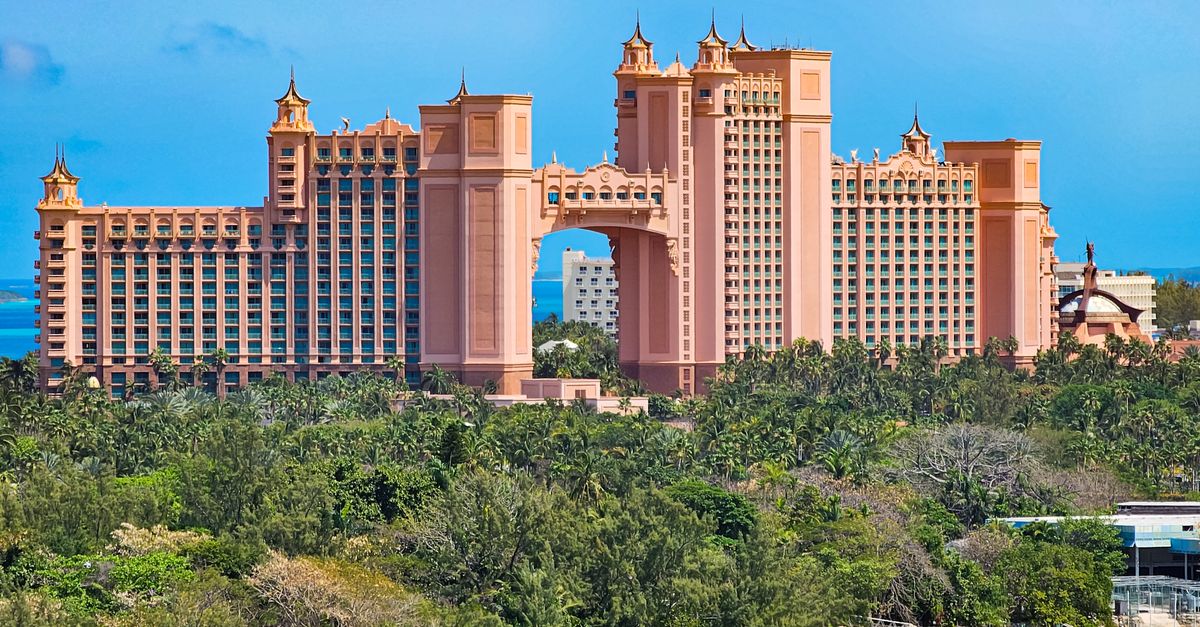
Nassau has a reputation, partially deserved and partially exaggerated, as one of the most expensive ports in the Caribbean. The cruise-ship economics — five thousand passengers disembarking each morning at Prince George Wharf, all of them with a few hours and a credit card — have inflated prices for everything within two blocks of the port. Restaurants charging USD 18 for a hamburger, jewellery shops with prices that would embarrass Manhattan, taxi drivers quoting USD 30 for trips that should cost USD 8. But the city behind the cruise zone — Over-the-Hill, the Fish Fry at Arawak Cay, the working bus routes, the public beaches — operates on entirely Bahamian rather than tourist economics. This guide explains how to use one and ignore the other. Nassau on a budget is genuinely possible, but it requires you to learn the city's geography quickly and walk past, with discipline, the inflated tourist economy that surrounds the port.
Getting There on a Budget
The cheapest way to reach Nassau from the United States is, paradoxically, often a cruise — a 3-4 night Bahamas cruise from Miami, Port Canaveral, or Fort Lauderdale starts around USD 250-400 per person inside cabin including all meals and transport. If you do not want a cruise, the cheapest standalone option is a flight to either Nassau (NAS) or Miami / Fort Lauderdale plus a separate Bahamasair or JetBlue connection.

JetBlue, American, Delta, and Bahamasair all serve Nassau direct from Miami, Fort Lauderdale, Orlando, New York, Atlanta, Charlotte, and Toronto. Round-trip fares from US East Coast cities range USD 220-450 in shoulder season (April-June, September-November) and USD 450-700 during peak winter (December-March). Booking 8-12 weeks in advance and being flexible on dates routinely brings the price into the lower band. Set Skyscanner alerts and watch for JetBlue and Frontier sale fares.
From Florida specifically, the Bahamas Paradise Cruise Line (now Margaritaville at Sea) ferry from Palm Beach to Grand Bahama, with onward connections to Nassau, occasionally undercuts air fares for travellers willing to spend two days at sea. The base cruise fare from West Palm runs USD 99-200 per person; the Grand Bahama-Nassau onward leg adds USD 80-140 by Bahamasair. Total under USD 350 round-trip for a slow but unusual approach.
Package deals — flight plus all-inclusive — are less dominant in Nassau than in Punta Cana or Cancun, because most Nassau hotels are not all-inclusive (Sandals Royal Bahamian and Breezes are exceptions). Mid-range package deals from Toronto, Boston, and New York occasionally appear at USD 800-1,100 per person for 4 nights including flights and a Cable Beach hotel — a workable starting point but rarely better value than booking flight and hotel separately.
Once in the Bahamas, getting between islands cheaply is straightforward: Bahamasair flies from Nassau to all major out-islands for USD 80-180 round-trip, and the mailboat — a working cargo ship that takes a small number of passengers — goes from Potter's Cay (Nassau) to most settled islands for USD 30-70 each way and 8-24 hours of travel time. The mailboat schedule is published weekly at the Potter's Cay dock office; reservations are recommended but walk-on space is usually available.
Budget Accommodation
Nassau's accommodation market is split between expensive resort hotels (Atlantis, Baha Mar, the Cable Beach properties), mid-range tourist hotels (Comfort Suites, British Colonial Hilton), and a small but useful budget tier that mostly sits in downtown Nassau or in the Over-the-Hill residential neighbourhoods south of the harbour. The best budget rooms in Nassau cost around USD 90-140 per night, which is genuinely cheaper than the resort beachfront but not radically so. Nassau is not a backpacker city.

Towne Hotel (40 George Street, downtown, USD 95-130 double) is a small, family-run boutique hotel in the historic centre, two blocks from the cruise port and a 10-minute walk from Junkanoo Beach. Basic, clean, with AC and a small breakfast included. The single best-value central option for travellers who want walkability and don't need beach access from their room.
Quality Inn Nassau (Mackey Street, downtown edge, USD 110-150 double) sits about a kilometre east of the central tourist zone in a workaday Bahamian neighbourhood. Pool, AC, included breakfast, walking distance to the Baha Mar shopping but a USD 8-12 taxi from the cruise port. Not glamorous; reliably functional.
Compass Point Beach Resort (West Bay Street, near Cable Beach, USD 220-320 cottage) is a step up from budget but worth knowing — small individually painted Junkanoo-style cottages on a private beach 10 km west of downtown. Cheaper than the Atlantis or Baha Mar by a factor of three to five. Best for couples on a moderate budget who want beach access without the resort experience.
Bay View Suites Paradise Island (Paradise Island, USD 180-260 studio) provides a kitchenette-equipped self-catering option on the Atlantis side of the harbour. Walking distance to Cabbage Beach. A useful base for stays of 4+ nights when the kitchen pays for itself in food savings.
Over-the-Hill guesthouses and Airbnb apartments in the Bain Town and Grants Town neighbourhoods south of the harbour offer the cheapest beds in Nassau — USD 60-95 per night for studios in working Bahamian residential areas. The trade-off is location: Over-the-Hill is a 25-minute walk uphill from the cruise port, has limited tourist infrastructure, and a reputation (with some justification but not as much as cruise-line literature implies) for elevated street crime after dark. Solo travellers should be cautious about night returns; couples and small groups in apartments with secure entry are generally fine.
Avoid the Atlantis and Baha Mar resorts on a budget — entry-level rooms run USD 350-600 per night before tax and resort fees, and the on-property food and drink prices are punishing. If you want one night at Atlantis to use the Aquaventure water park, the day pass for non-guests (USD 165-225) is genuinely cheaper than booking a room.
Eating Cheaply Like a Local
Bahamian food is one of the underrated Caribbean cuisines — built around conch, snapper, grouper, peas n rice, sweet plantain, and a particular fondness for sour citrus and bird pepper hot sauce. The cruise-port restaurants charge inflated prices for tepid versions of all of this. Two miles west, at Arawak Cay, the same dishes cost half as much and are markedly better.

Arawak Cay (the "Fish Fry") is the single most important food destination in Nassau and the budget traveller's best friend. A cluster of 30+ small painted-wood restaurants directly on the harbour, 2 km west of the cruise port along West Bay Street, serving Bahamian seafood at Bahamian prices to Bahamian customers. Twin Brothers and Goldie's Conch House are the two largest and most reliable. Cracked conch with peas n rice and plantain runs BSD 14-20 (BSD trades 1:1 with USD); fried snapper with sides BSD 16-22; conch salad freshly chopped at the counter BSD 10-14. Sand Bar (the small bar at the western end) serves Kalik beer at BSD 5 and is the one spot in Nassau where you can drink a cold Bahamian beer on a wooden deck over the water at a price that doesn't insult you. Walk from the cruise port in 25 minutes or take jitney bus #10 for BSD 1.25.
Conch salad — raw conch chopped with onion, tomato, sweet pepper, lime juice, and bird pepper — is the Bahamian national dish and the cheapest filling meal in Nassau. A standard cup at Arawak Cay or at the Potter's Cay stalls costs BSD 10-14 and substitutes for a full meal. Watch the chopping; conch should be alive in its shell minutes before. The Potter's Cay stalls (under the Paradise Island bridge) serve some of the freshest conch salad in the country, with the added theatre of working fishing boats arriving and unloading throughout the day.
Peas n rice — the Bahamian staple of pigeon peas cooked into rice with thyme, sweet pepper, salt pork, and tomato — appears as a side at every Bahamian restaurant for BSD 4-6 and as the basis of several full dishes. Bahamian Cookin' Restaurant (Trinity Place, downtown) and Bambu (Cumberland Street) serve excellent peas n rice with stewed chicken or fish for BSD 14-18.
For breakfast, the Bahamian standard is boil fish (poached snapper or grouper in a lime-and-onion broth) served with johnny cake or grits. Café Matisse serves a polished version for BSD 18; Bahamian Cookin' serves a more traditional version for BSD 12-15. Most cruise-port restaurants serve American breakfast at BSD 18-25 — markedly worse value than the local equivalent.
The Fresh Market and Solomon's supermarkets in Cable Beach and downtown sell groceries at Bahamian prices (eggs, bread, fruit, local cheese). For travellers in Airbnb apartments, self-catering breakfast plus one packed lunch cuts the daily food budget to USD 25-35 per person.
Avoid the chain restaurants near the cruise port — Hard Rock, Margaritaville, Señor Frog's. The food is mediocre and the prices are 50-80% higher than the same chains in the US. The exception is Pirate Republic Brewing on East Bay Street, which actually brews in Nassau and charges fair prices (BSD 7-9) for their pints.
Free & Low-Cost Attractions
Nassau's free attractions are clustered in the historic downtown and along the public beaches; the expensive attractions are mostly on Paradise Island. The free options are excellent and easily fill 2-3 days.

Junkanoo Beach (Western Esplanade, downtown) is the public beach in central Nassau — a 500-metre stretch of decent sand and clear water with no resort enclosure, a 10-minute walk from the cruise port. Free. Vendors rent loungers and umbrellas for BSD 10-15 each. The water is calm and shallow, suitable for kids. Crowded on cruise-ship days; relatively quiet in the late afternoon when the ships have boarded.
Cable Beach public access (along West Bay Street west of the resort strip) provides 4 km of public beach with cleaner sand and clearer water than Junkanoo. Walk through the marked public access points between resorts; nobody can lawfully prevent you from setting up a towel on the sand. Free.
The Bahamas Maritime Museum (George Street, downtown) opened in 2022 in the historic Balcony House and houses an impressive collection of artefacts from Bahamas-area shipwrecks including the Maravillas (1656). Entry BSD 25 — modest by museum standards and genuinely worth two hours. The exhibits cover Lucayan history, the salt and sponge trades, and the slave-trade ships that operated between West Africa and the Caribbean.
Pompey Museum (Bay Street, downtown) is Nassau's principal museum of Bahamian history with a focus on the Atlantic slave trade and the Bahamas' role in it. Entry BSD 5. The building was historically a slave market — the museum's location is itself part of its substance.
Free walking around historic downtown is genuinely worthwhile. The Queen's Staircase (free), Government House (free, exterior only), Parliament Square (free), Christ Church Cathedral (free), and the British Colonial Hilton's lobby and grounds (free, walk in confidently) form a 90-minute self-guided walk through Bahamian colonial history. Bay Street's western end has the genuinely interesting old shops, hardware stores, and bookshops behind the cruise-port jewellery façade.
The Straw Market (Bay Street) is more interesting as a cultural artefact than as a shopping destination — most "straw" goods are now imported from China, but several stalls still sell genuine plaited Bahamian straw work. Free entry; haggling is expected (start at half the asking price).
Fort Charlotte (West Bay Street, free entry) is the largest of Nassau's three colonial-era forts, with cannons, powder magazines, and excellent harbour views. The volunteer guides at the entrance gate accept a USD 5 tip and provide genuinely useful tours. Combined with a walk down the hill to Arawak Cay for lunch, this is a half-day's free entertainment.
Getting Around on a Budget
Nassau has a working public transport network that cruise passengers and resort guests are generally unaware of. Using it cuts transport costs by 80-90% compared to taxis.

The jitney — privately operated minibuses on numbered routes — is the backbone of public transport. The flat fare is BSD 1.25 anywhere on the route. Bus #10 runs from downtown along West Bay Street through Cable Beach to the airport area and back, passing Arawak Cay, Junkanoo Beach access points, the Baha Mar resort complex, and Compass Point. Bus #1, #15, and others serve Over-the-Hill and the eastern Nassau neighbourhoods. Wave them down anywhere along the route, board, and pay the driver in cash. They run roughly every 5-15 minutes during daylight and stop around 7-8pm. Routes are not formally signposted at stops; ask the driver before boarding to confirm direction.
Taxis in Nassau are notoriously expensive. The official tariff (posted at the airport) sets fares at USD 15-18 from the airport to Cable Beach, USD 32-38 from the airport to downtown, USD 4-6 within the cruise port zone. Drivers regularly quote higher rates to obvious tourists. Always confirm the price before getting in. Surveys consistently find Nassau taxi drivers among the most aggressive at upselling tours, restaurants, and "exclusive" beach trips.
The surrey — a horse-drawn carriage operating around Rawson Square — is a one-time tourist novelty rather than a transport option (BSD 15-20 per person for a 25-minute loop), but worth knowing about. The horses are inspected and rotated by Bahamian regulators, but if a horse looks distressed, walk away.
Walking is the most underrated option. Downtown Nassau is compact (1.5 km end to end), Junkanoo Beach is a 10-minute walk from the cruise port, Arawak Cay is 25 minutes, and Fort Charlotte is 30 minutes. The walk along West Bay Street is along a sea-front sidewalk with views; it is also direct and well-lit during the day. Reserve taxis for night returns and trips to Cable Beach or Paradise Island.
Money-Saving Tips
1. Use USD if you have it; otherwise use ATMs. The Bahamian Dollar trades 1:1 with the US Dollar and the two are accepted interchangeably across Nassau. There is no need to exchange currency before arriving from the US. Travellers from elsewhere should use Royal Bank of Canada or Scotiabank ATMs in central Nassau, which dispense USD or BSD at the official rate with a fee of around BSD 5 per withdrawal. Avoid airport currency exchange counters.
2. Eat at Arawak Cay, not on Bay Street. The single highest-impact food decision is whether you eat in the cruise-port zone or take the 25-minute walk to the Fish Fry. The same dishes cost roughly half as much at Arawak Cay and are demonstrably better. Plan at least half your meals there.
3. Skip the cruise-port jewellery shops. Bay Street's three blocks of duty-free jewellery and electronics stores employ aggressive commission-based salespeople, mark prices up to allow theatrical "discounts," and sell goods that are no cheaper than in Miami. The "duty-free" claim is mostly meaningless for buyers who do not exceed their personal duty allowance back home. If you want a genuine Bahamian souvenir, buy at the Straw Market or at a small shop in downtown — wood carvings, plaited bags, local hot sauce.
4. Use the jitney, not taxis. A taxi from downtown to Cable Beach costs USD 15-22; the jitney costs USD 1.25. Round-trip you save USD 28-42 per person per day. Across a week, this single substitution saves USD 200+.
5. Skip Atlantis as a paid attraction. The Aquaventure water park costs USD 165-225 per person for a day pass; the same money buys two days of independent Nassau exploration including the Maritime Museum, Fort Charlotte, lunch at Arawak Cay, and beach time at Junkanoo Beach. Atlantis is famous; it is also extremely poor value for budget travellers. Walk in for free, see the lobby aquarium, leave.
6. Avoid the cruise-day rush. Tuesdays through Saturdays during peak season see 3-5 cruise ships in port simultaneously, with 12,000-20,000 passengers ashore. Restaurants are crowded, taxis are scarce, and prices on tour offerings are at their highest. Do your beach days, Maritime Museum visits, and Arawak Cay meals on Sundays and Mondays when the port is quieter; reserve cruise-day mornings for the Cable Beach corridor where the resort guests are.
7. Buy your own snorkel gear. Snorkel rental at any Nassau beach runs USD 12-20 per day per person; Solomon's supermarket sells full mask-and-snorkel sets for USD 20-30 that pay for themselves in two days and are useful for the rest of any Caribbean trip. The water at Cable Beach and on the eastern end of Paradise Island has visibility good enough for casual reef snorkelling at no further cost.